Giant webs give the landscape an eerie feel

High and Dry Click here to see this spider-tree even bigger. Reuters/Department for International Development

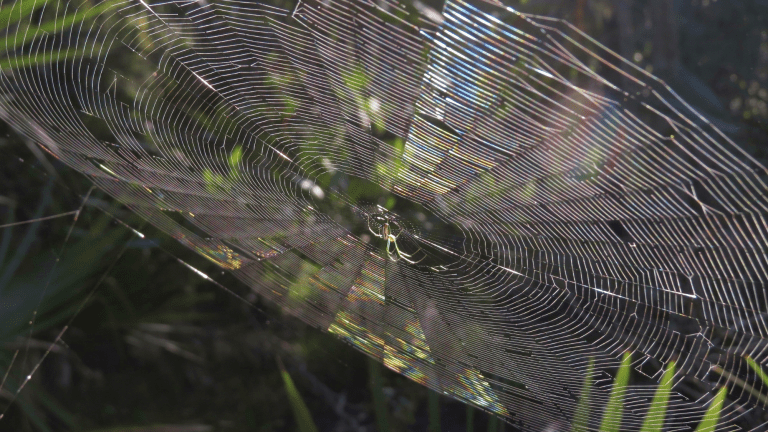
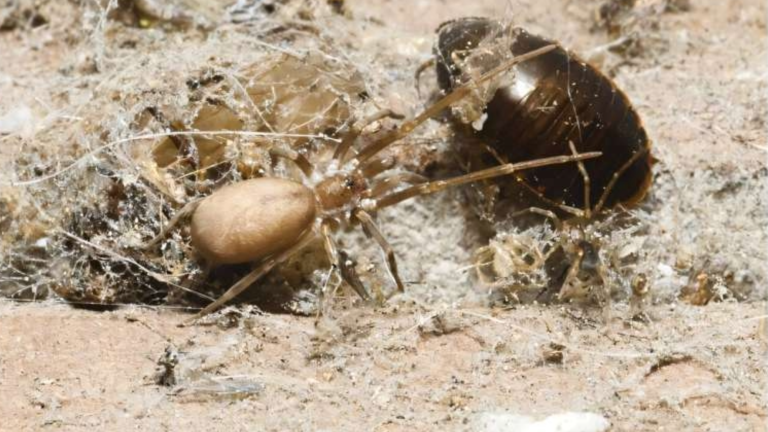
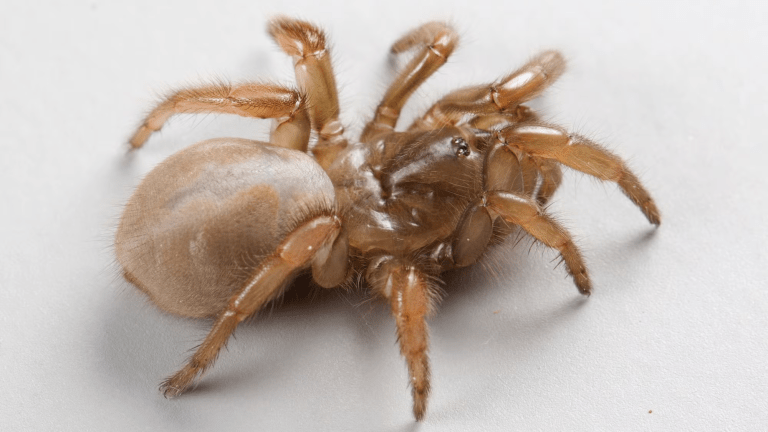
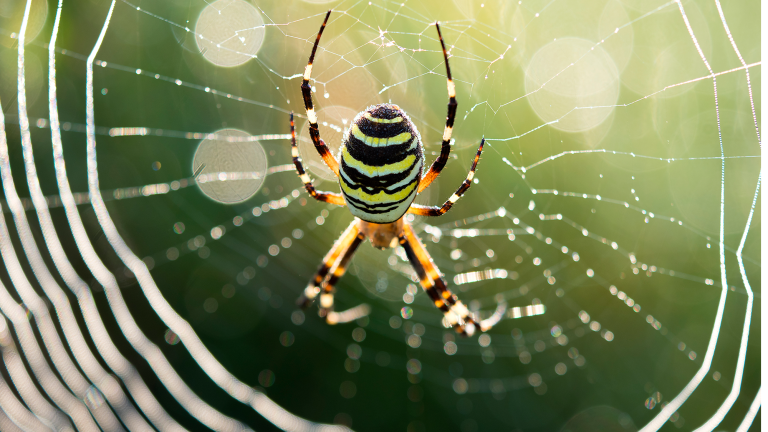
Last summer’s floods in Pakistan displaced millions of people--and millions of spiders. Although spiders rarely migrate to trees during natural disasters, the flooding was so heavy and prolonged, they had to climb trees and remain there. According to University of Akron biologist Todd Blackledge, who studies web-weaving spiders, some spin new webs each day. After weeks, the dense layers of silk, seen here in Sindh province, covered the trees--a result of continuous web spinning by the eight-legged refugees.

During a humanitarian-aid trip last December, Russell Watkins, a photographer with the British government agency the Department for International Development, encountered the web-veiled landscape. “I wasn’t prepared for the scale,” he says. “Literally thousands of trees and bushes over dozens of miles were shrouded. It really was very spooky.”

While the floods displaced spiders, the mosquitoes were surprisingly unaffected. The stagnant water should have provided prime breeding grounds for the insects, but local inhabitants noticed that there were far fewer mosquitoes than expected. Although the spiders could have accounted for some of the mosquito population drop, John Gimnig, an entomologist with the Centers for Disease Control and Prevention, says that shifts in climate affect mosquitoes more than spiders do.

9 Comments

That looks so cool. Gotta be an arachnophobe's worst nightmare haha.

Yep, sure is! Look at the size of those webs! That's just crazy looking.

Probably the perfect opportunity to start harvesting some spider silk

Looks like the Gypsy Moth Plague on the East Coast. I've seen that dozens of times on road trips.

Justin, I parsed that as spider milk. Mmmmmm

Nobody likes spiders... This may be our perfect chance to kill them all!

Spidelicious? Arach-tastic? Just can't find the right adjective...

proves that the ends time are near. "And the smoke of the incense, which came with the prayers of the saints, ascended up before God out of the angel's hand" (Revelations 8:4)

I wish there was some confirmation that these trees were covered with spider webs rather than Ermine Moth or Gypsy Moth webs. There is an excellent documentation of spiders making webs like these by Spider Joe here: http://spiderjoe.com/giant-webs-2007 the video is 18.5 minutes long.

Here is a different link to the same video: http://blip.tv/spider-joe/how-the-giant-webs-were-made-3703981

But I remember my grandpa burning what he called "tent caterpillars" out of walnut trees on the farm in the 1950s using a kerosene soaked rag on a long pole. Those were the larvae of the Gypsy Moth.


June 2013: American Energy Independence

Five amazing, clean technologies that will set us free, in this month's energy-focused issue. Also: how to build a better bomb detector, the robotic toys that are raising your children, a human catapult, the world's smallest arcade, and much more.


Online Content Director: Suzanne LaBarre | Email
Senior Editor: Paul Adams | Email
Associate Editor: Dan Nosowitz | Email
Assistant Editor: Colin Lecher | Email
Assistant Editor: Rose Pastore | Email

Contributing Writers:
Rebecca Boyle | Email
Kelsey D. Atherton | Email
Francie Diep | Email
Shaunacy Ferro | Email

circ-top-header.gif
circ-cover.gif