Feature
A revolution is under way in aerial combat. Tomorrow's fighter pilots may be ceding the skies to robots

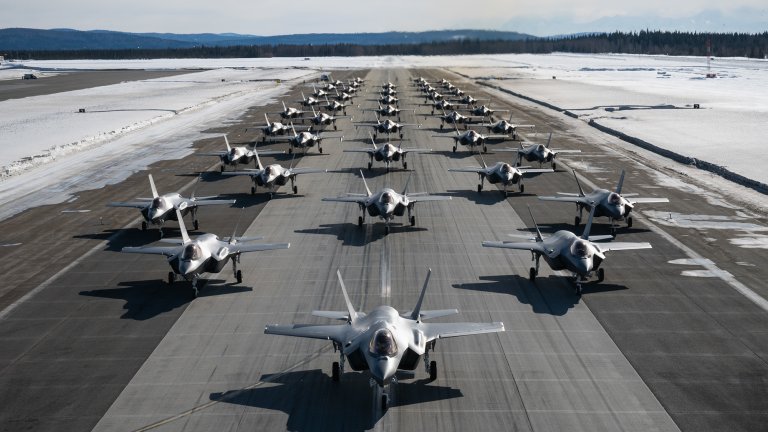
by Courtesy Jim Ross / NASA Boeing’s X-45As were the first UCAVs to fly. The two that were built have conducted 50 missions and demonstrated that unmanned aircraft can locate and attack targets autonomously. Courtesy Jim Ross / NASA

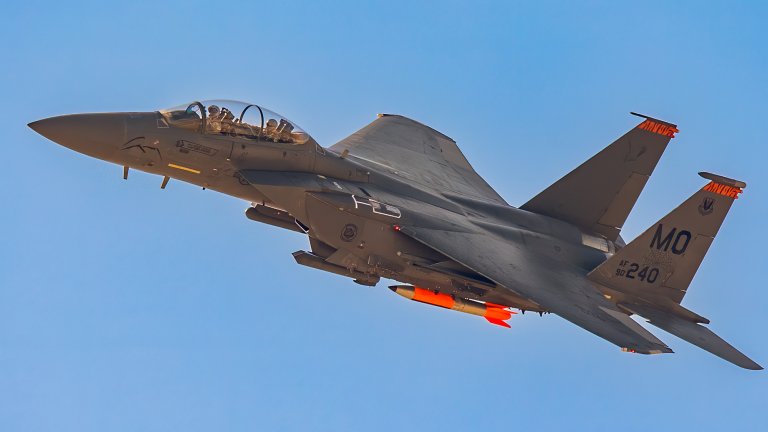
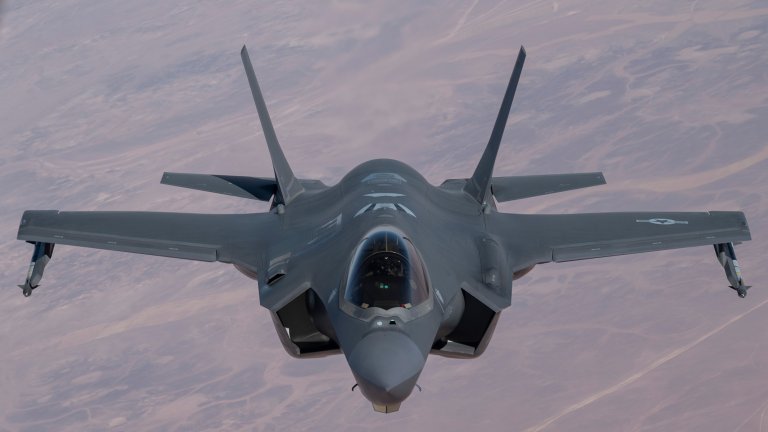
X-45A prototypes snap smartly onto the runway centerline after attacks on simulated mobile missile launchers. Although the two programs are not yet competing for dollars, they are certainly jockeying for position as military planners grapple with the ever changing nature of armed conflict. If recent wars in Bosnia, Iraq and Afghanistan--all bombing-intensive campaigns that saw minimal air combat--are any indication of what the future holds, then powerhouses like the F/A-22 will see little of the type of action they excel at, their highly trained pilots never engaging in tricky close-range combat. Rather, less expensive vehicles that can loiter above battlefields for hours, armed with a menu of instantly deployable bombs, will serve commanders much more effectively.

On the other hand, if future adversaries include the likes of China or some remnant of the former Soviet Union--countries with potential access to modern fighter jets--the UCAVs will have to prove their effectiveness against these sophisticated weapons. Robotic fighters still have a long way to go. After all, designers have only a few years' experience with their more basic predecessors, unmanned aerial vehicles such as the remotely controlled Predator and the fully autonomous Global Hawk, which focus on the far simpler tasks of surveillance and reconnaissance.

Still, autonomous robots such as the Stingrays are beginning to proliferate worldwide, like so many tiny furry mammals scampering among the clawed feet of the dinosaurs.

single page
Page 1 of 4 1234next ›last »

0 Comments


June 2013: American Energy Independence

Five amazing, clean technologies that will set us free, in this month's energy-focused issue. Also: how to build a better bomb detector, the robotic toys that are raising your children, a human catapult, the world's smallest arcade, and much more.


Online Content Director: Suzanne LaBarre | Email
Senior Editor: Paul Adams | Email
Associate Editor: Dan Nosowitz | Email
Assistant Editor: Colin Lecher | Email
Assistant Editor: Rose Pastore | Email

Contributing Writers:
Rebecca Boyle | Email
Kelsey D. Atherton | Email
Francie Diep | Email
Shaunacy Ferro | Email

circ-top-header.gif
circ-cover.gif