nasa

High-Tech Space Gloves Win NASA's Astronaut Glove Challenge

Two teams claimed $250,000 and $100,000 prizes for besting NASA's current top glove design

Glove designers walked away with a total of $400,000 in prize money at NASA's second Astronaut Glove Challenge yesterday. The U.S. space agency awarded the money because the private glove designs beat the in-house version, and NASA may incorporate the designs into the Constellation spacesuit intended for next-gen astronauts returning to the moon.

[ Read Full Story ]

Thousands of Worms Headed to International Space Station For Muscle Tests


The perils of space flight number in the hundreds, from radiation exposure to the impact of micro-asteroids. But for astronauts who spend an extended amount of time floating weightlessly in the near-endless void of space, muscle atrophy remains the most common health problem. Thankfully, a shipment of RNA-treated worms may help scientists on the International Space Station solve that issue.

[ Read Full Story ]

New Website Tracks $21 Billion in Stimulus Dollars for Science


In 2009, science got a hefty shot in the arm from the federal government's stimulus spending. Now U.S. citizens can see exactly how their taxpayer dollars go toward funding video games that test autism responses, or discovering lakes hidden beneath the Antarctic ice sheet.

[ Read Full Story ]

NASA Crowdsources Hi-Res Mars Mapping as an Online Game for Kids

The U.S. space agency and Microsoft want you to help count Martian craters in the name of science

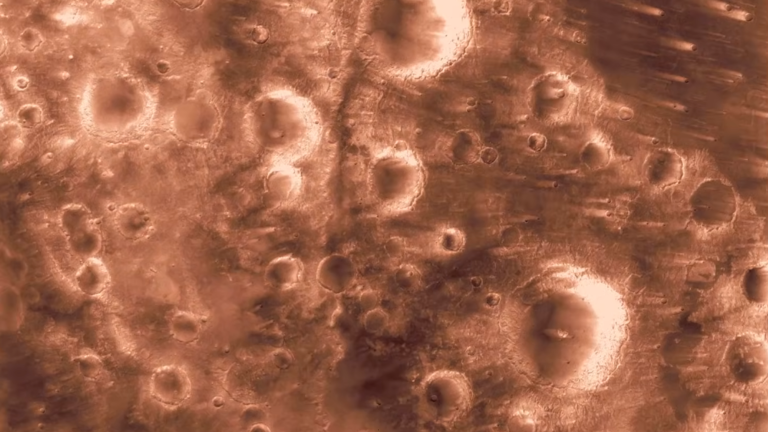
Citizen scientists and bored netizens can now help NASA map out the Martian surface for future astronaut explorers. Even kids can enjoy the thrills of Mars cartography -- namely counting craters and aligning higher-resolution images on top of a low-res map.

The U.S. space agency teamed up with Microsoft to create the online games at a newly launched website. Players can rack up reputation points for a robotic animal avatar by placing three images at a time on a Martian map, starting with the Valles Marineris canyon.

[ Read Full Story ]

Atlantis Launching Today in Shuttle Fleet's Final ISS Crew-Rotation Mission (Live Feed)


The Space Shuttle Atlantis is off to deliver a fresh crew, as well as about 30,000 pounds of equipment, to the International Space Station today as part of an 11-day mission that will also involve three space-walks. The mission will warehouse equipment too big for Russian, Japanese or European crafts to carry in what will be last launch of the year, with six slated for 2010 before the Shuttle is officially scrapped. Catch a live feed of the launch below.

[ Read Full Story ]
READ MORE ABOUT > , , , , ,

Moon-Bombing Mission Finds Significant Amount of Water in Lunar Soil

Water in them there craters

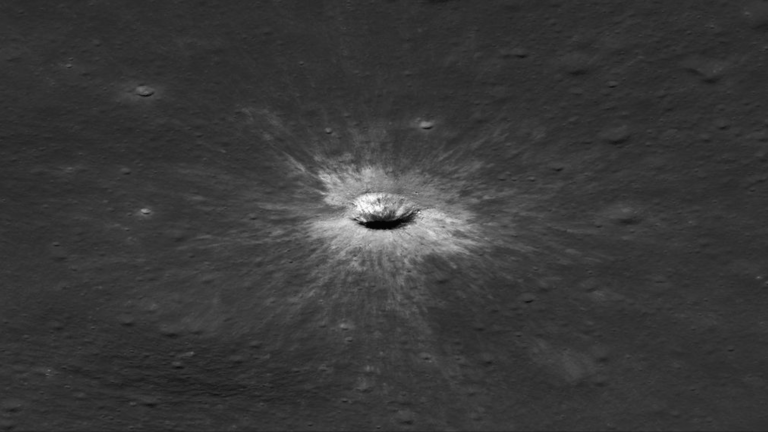
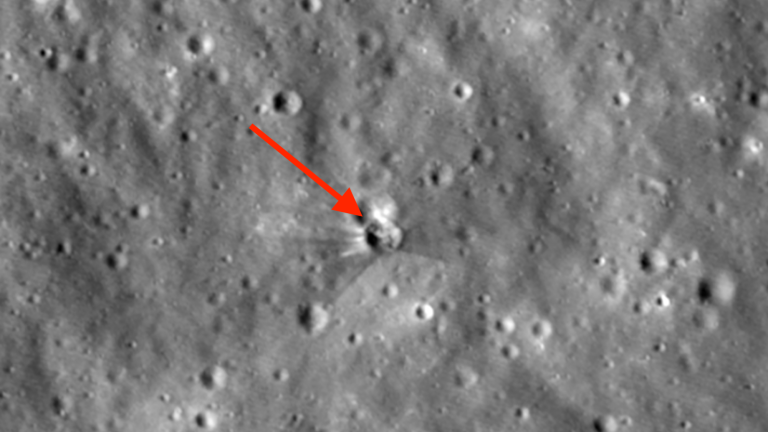
NASA's moon-smashing mission may not have provided a huge show for the folks on Earth, but now there's sweet vindication for scientists. The plume of lunar debris kicked up from ancient lunar crater kicked up 24 gallons of water, LCROSS mission staff reported today.

[ Read Full Story ]

After Earth-Based Sandbox Tests, NASA Trying One More Time to Get Spirit Rover Unstuck

The Mars rover has been helplessly mired in sand since April, but lately it's been able to wiggle a little

Fans of the intrepid Mars rovers got some bittersweet news today.

The good news: Starting Monday, NASA will try to drive the Spirit rover out of a sandy spot where it has been mired since April.

The bad: It will not be easy, and in announcing their plans today, NASA scientists sounded like they were preparing to say goodbye.

[ Read Full Story ]

NASA Scientist Converts iPhone into Chemical Sniffer

A new plug-in iPhone device can detect airborne ammonia, chlorine gas and methane

Cell phones have increasingly become mobile labs and tech tools for researchers, and now NASA has gotten in on the act. A postage-stamp-sized chemical sensor allows iPhones to sniff out low airborne concentrations of chemicals such as ammonia, chlorine gas and methane.

A puff from a "sample jet" helps sense any airborne chemicals. That information gets processed by a silicon chip consisting of 16 nanosensors, and then passes on to another phone or computer through any Wi-Fi or telecom network.

[ Read Full Story ]

A Three-Way View Of the Center Of the Galaxy


Three-Way View of Milky Way:  NASA
Celebrating the four centuries of astronomical advancement since Galileo took his first telescopic view of the heavens, NASA today unveiled this unique view of the heart of our galaxy as captured by the Hubble Space Telescope, the Spitzer Space Telescope and the Chandra X-Ray Observatory. The 6-foot-by-3-foot prints were unveiled at more than 150 planetariums, museums, libraries, and centers of learning across the land, and man, is it ever a view.

[ Read Full Story ]

Resilient Space Internet Comes Down to Earth Gadgets with Android

A new Internet protocol designed for interplanetary transmissions is bringing its delay-tolerant magic to Earth

Google's Android does a lot more these days than just smart phones and nifty mobile gadgets. An Internet pioneer is using the platform to launch a interplanetary Internet protocol on Earth that could harden wireless networks against delays in data transmission.

[ Read Full Story ]
Page 1 of 22 12345678910next ›last »


Download Our iPhone App

Stay up to date on the latest news of the future of science and technology from your iPhone with full articles, images and offline viewing


Follow Us On Twitter

Featuring every article from the magazine and website, plus links from around the Web. Also see our PopSci DIY feed


Become a Fan On Facebook

Share links with friends, comment on stories and more


December 2009: Best of What's New

In our December issue, Popular Science names the 100 best innovations of the year: bombproof wallpaper, self-parking cars, the fastest helicopter, and 97 more. Plus inventor profiles and videos.

Check out the best of what's new here.

Popular Science Photo Pool


Share your photos in the Pop Sci pool at www.flickr.com!
tags_sprite.png
POP_embeddedForm_cover_May09.jpg