
Darwin’s theory of evolution by natural selection, published in the mid-19th century, challenged the belief that all living creatures were created by God. Many religious critics regarded the idea that humans and other apes shared evolutionary ancestry as blasphemous, particularly in the evangelical United States.
By the early 20th century, public debate over evolution reached a fever pitch. In 1925, a young high school teacher named John Thomas Scopes was famously prosecuted for violating a Tennessee law that banned public school teachers from saying that humans descended from lower forms of life.
Amid this controversy, Russian biologist Ilya Ivanov set out in the mid-1920s to crossbreed humans and chimpanzees. Ivanov argued that successfully creating a “humanzee” would demonstrate biological continuity between the two species. The process is known to scientists as interspecific hybridization.
Historical experts have proposed several complex and often disturbing reasons for Ivanov’s work. He might have hoped to use the experiments as anti-religious propaganda for the atheist Soviet Union, or perhaps he wanted to make a biologically transformed “New Soviet Man” as part of the nation’s utopian efforts.
Ivanov’s true motivations cannot be known with certainty, but his work became entangled with notions of racial hierarchy floating around society at the time. In 1926, Time reported that American advocates for the project had promoted a proposal to breed “orang-outangs with yellow, gorillas with black, and chimpanzees with white, humans,” although Ivanov’s team distanced themselves from the claim.
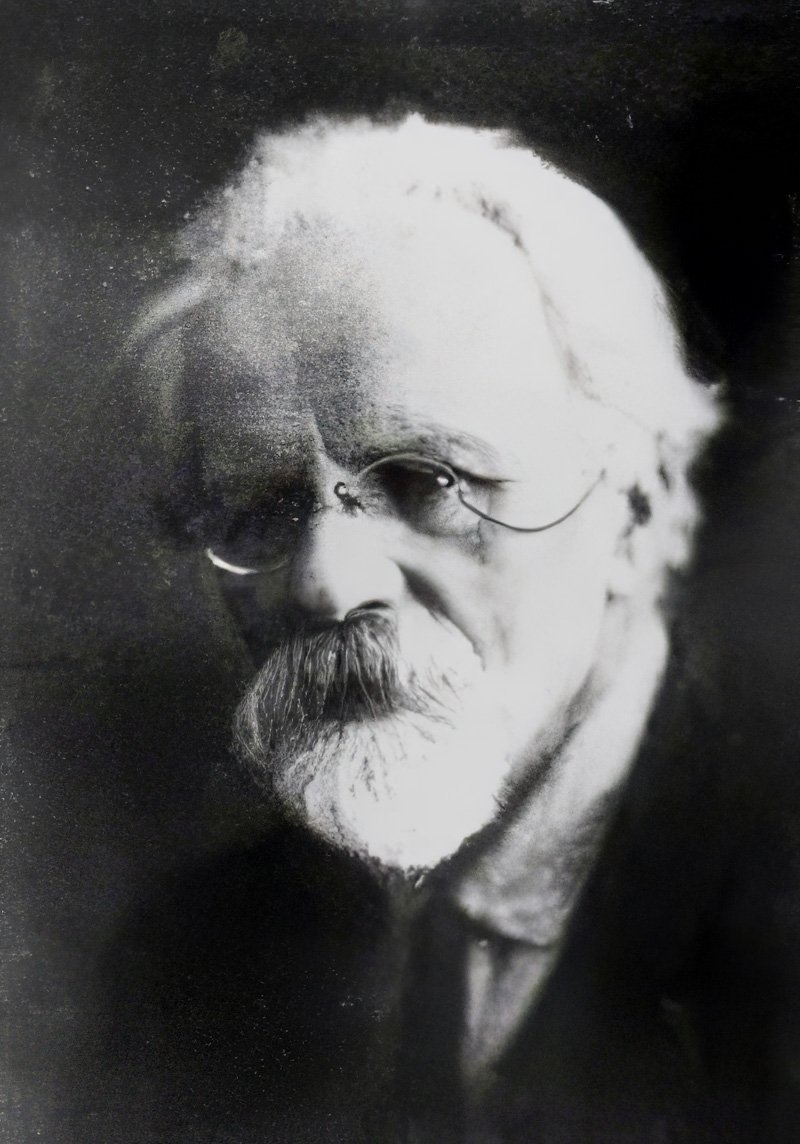
Russian scientist Ilya Ivanov tries to create a human-chimpanzee hybrid
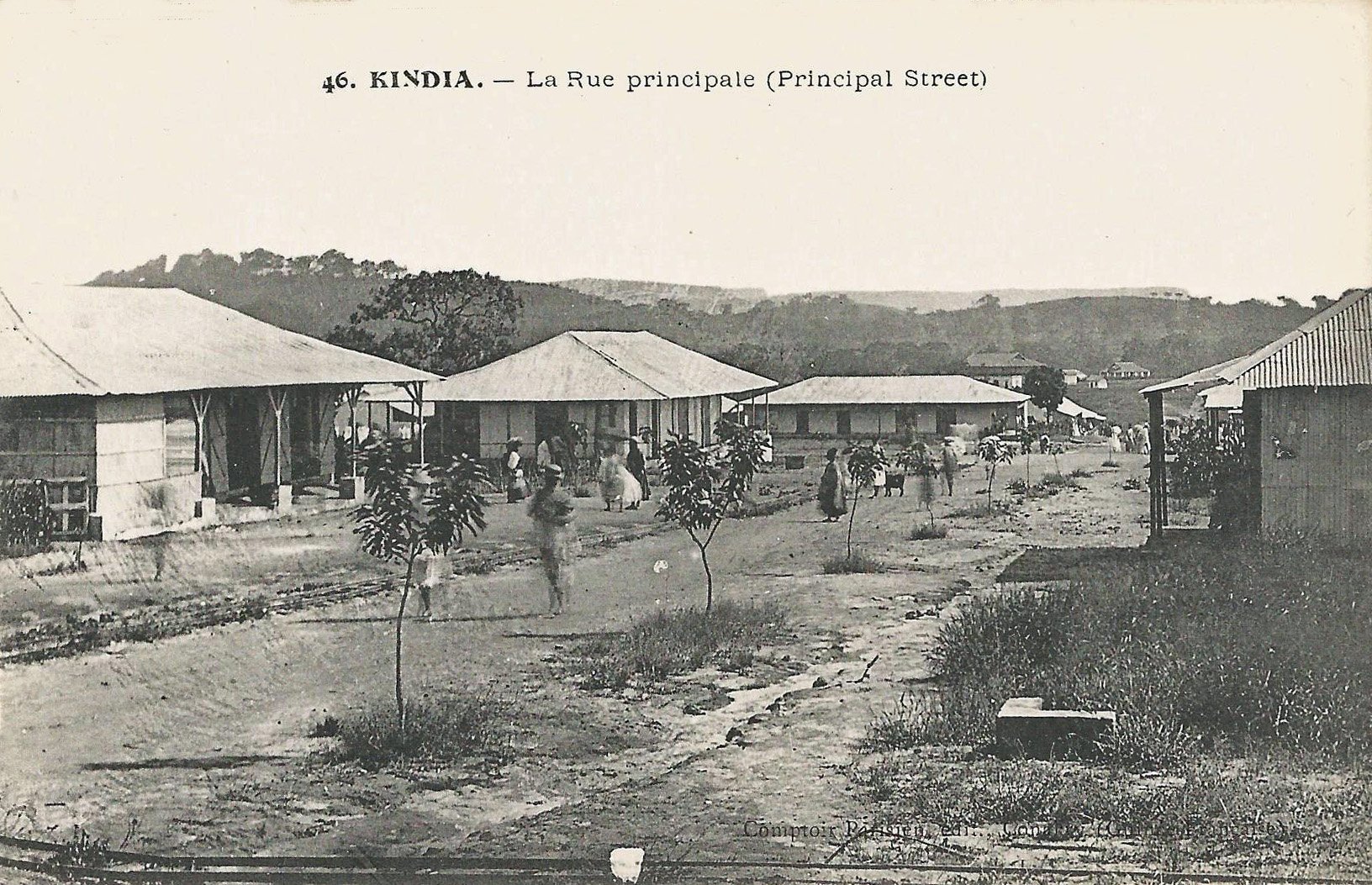
The controversial work began in French Guinea, now the independent nation of Guinea, according to research from Alexander Etkind, a science historian currently teaching at Central European University. In 1926, Ivanov visited the country with his son to catch several live adult chimpanzees. He then inseminated female chimpanzees with human sperm.
At one point, Ivanov also wanted to inseminate local women with ape sperm without their consent, under the guise of medical examinations at the community hospital, but he was blocked by French colonial authorities.
None of Ivanov’s experiments succeeded, and he returned to the Soviet Union with 20 chimpanzees in tow, though only four survived the trip. From a primate “nursery” near the Black Sea, Ivanov set out to recruit five consenting women for insemination with ape sperm under authorization from Soviet officials. By the time he identified the volunteers, there was only one ape left—an orangutan—and the experiment never proceeded.
In 1930, Ivanov was arrested and exiled on political charges unrelated to his experiments, and his attempts at interspecific hybridization ceased.
Is creating a humanzee ethical?
For scientists like James Mallet, an evolutionary biologist and expert on interspecific hybridization at Harvard University, Ivanov’s attempts at creating a “humanzee” are profoundly unethical.
“It’s a horrible thing to do to a human when you know it’s liable to cause problems for the offspring,” Mallet tells Popular Science. “People should be free to have the children they want and not be forced into it by scientists. I mean, that seems obvious to me.”
Mallet says that a human-chimp hybrid is theoretically possible but highly unlikely, given the roughly 6 million years of evolutionary divergence between the species.
Could humans and chimps even create offspring?
But why is a human-chimp hybrid so unlikely? Species are often separated by reproductive barriers that prevent mating or fertilization. If they do mate, different species can create offspring that are infertile or unable to survive. A dog can’t have babies with a cat, for example, and an elephant can’t cross-breed with a mouse.
But those barriers aren’t always absolute. In the wild, mating between two species is not as uncommon as people believe, though it typically occurs between more closely related animals. Mallet estimates that roughly 10 percent of animal species and 25 percent of plant species are known to hybridize with at least one other species.
Hybridization is varied and sometimes useful. Many bananas originated through crosses between several wild banana species. They carry three sets of chromosomes instead of two, making them highly infertile. In fact, commercial bananas do not produce mature seeds and are grown clonally from shoots or sections of the plant.
Animal hybrids are rarer, but lions have been crossed with tigers to create “ligers.” Famously, Neanderthals mated with Homo sapiens tens of thousands of years ago before they disappeared. Today, many living humans carry a small amount of Neanderthal DNA.
Related 'That Time When' Stories
Human head transplants’ gory, Frankenstein-esque history
The radioactive ‘miracle water’ that killed its believers
In the 1890s, the U.S. hired a team of globe-trotting plant hunters
Charles Darwin’s daughter had an unusual hobby: Hunting phallic mushrooms
Beef tea was all the rage in the 1800s
7 peculiar pets in history: From a beer-drinking elk to the Pope’s elephant
Hybridization is more common than you think
Mallet says that interspecific hybridization, particularly when scientists like Ivanov exist, can be misunderstood.
That different species must be isolated from others is not entirely accurate, and hybridization is not necessarily an unnatural mechanism that goes against nature, Mallet says. In fact, interspecific hybridization can help move along evolution and adaptation.
“It’s true that many hybrids are poorly adapted, but if you look at their genomes, you’ll find that there’s evidence of successful hybridization in many species,” Mallet says.
Mallet’s own work focuses on Heliconius butterflies, a genus of colorful tropical butterflies distributed across the Americas. His research has found that roughly 35 percent of species in the genus are known to hybridize with other butterflies. Mallet is studying how this interspecific hybridization can create useful adaptations or harmful ones.
“It’s a bit like mutation,” he says. “Mutation’s bad, right? Almost all mutations cause problems. But every now and then, you get a mutation which is advantageous, and then that can be used by natural selection. Hybridization is very much the same sort of thing, only you’re dealing with gene combinations, multiple genes coming together, making a new adaptation.”
More than a century after Ivanov set out to cross-breed humans and apes, scientists are still studying how the boundaries between species can blur. Ivanov never did create his “humanzee,” but the idea of interspecific hybridization has been present in nature all along.
In That Time When, Popular Science tells the weirdest, surprising, and little-known stories that shaped science, engineering, and innovation.
