

Ruby the Burmese roofed turtle (Batagur trivittata) might not be fighting crime like the Teenage Mutant Ninja Turtles, but this very real turtle is beginning to make her own mark on culture. The critically endangered reptile living at a top secret turtle sanctuary in New Jersey is inspiring professional dance companies to choreograph conservation into their work.
Burmese roofed turtles are among the most rare turtle species on Earth, and almost went extinct in the early 2000s. Five females and three males were found and placed together to form the first captive assurance colonies for the species. Assurance colonies keep animals at risk of extinction in zoos, aquariums, or semi-wild conditions so that they can one day breed. Ruby is one of those reptiles that the Turtle Conservancy is working to keep alive.
[ Related: Trafficked turtles get a second chance at life in New Jersey sanctuary. ]
But conservation costs money. Ruby is the centerpiece of The Ruby Initiative, a photo exhibition presented in the lobby of New York Live Arts ahead of a Dancing For Our Wonderful World. Presented by vildwerk., a non-profit organization dedicated to raising funds and environmental awareness through dance, the upcoming performance features eight newly choreographed dance pieces that fuse the arts with a call to environmental action.
“Everyone who supports vildwerk. must be an animal and a ballet lover somehow, or climate change activist. It sort of goes hand in hand,” vildwerk. founder and Turtle Conservancy volunteer Chiara Gorodesky tells Popular Science. “It’s a very specific crowd, but it’s a big crowd.”
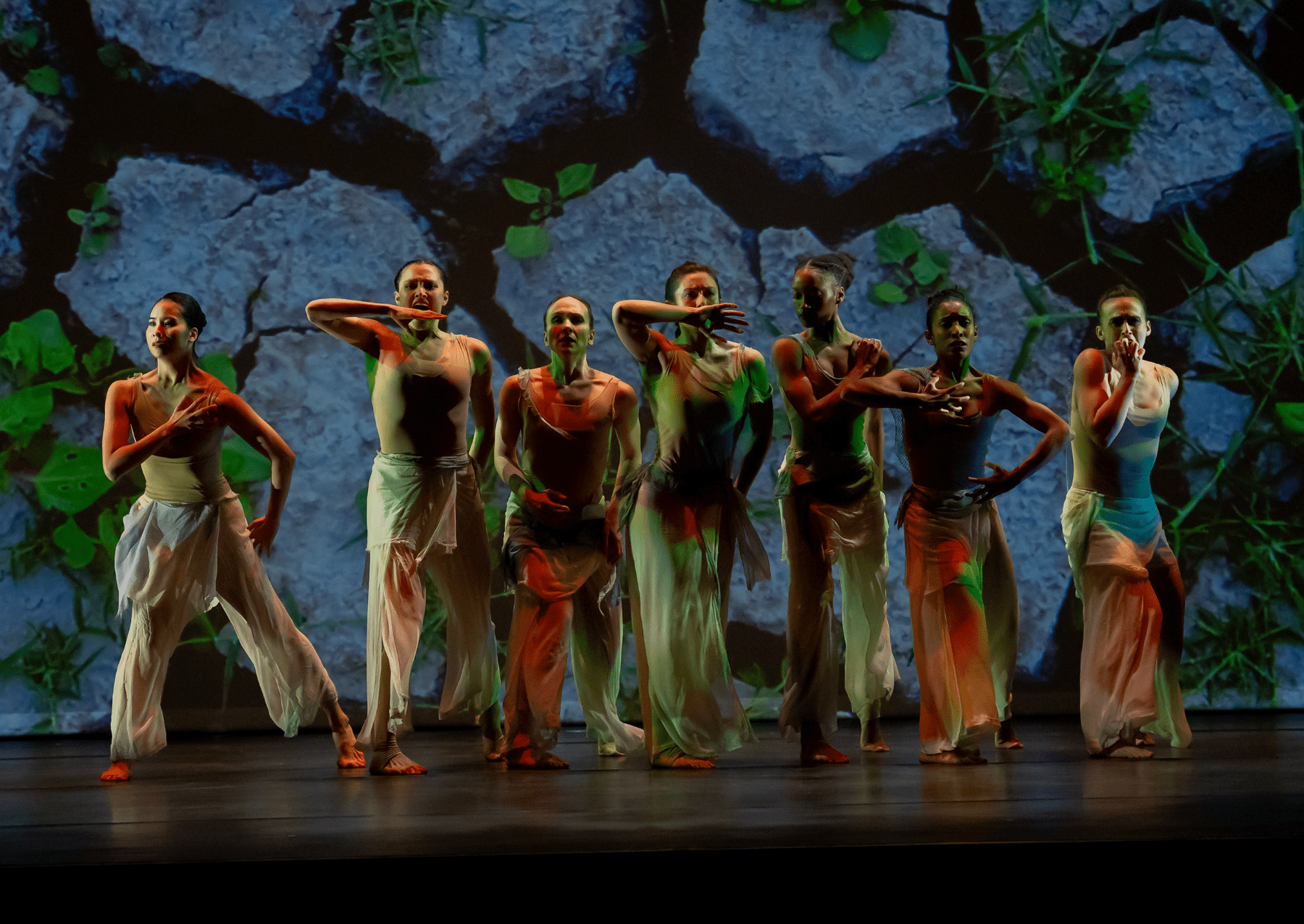
The organization includes dancers from major dance companies including the New York City Ballet, American Ballet Theater, Alvin Ailey, and Martha Graham Dance Company to educate and raise critical funds for animal conservation organizations including the World Wildlife Foundation and Turtle Conservancy.
“During the creation process, the environmentalists and conservationists speak to the artists, so that they’re really informed of what’s going on in their programs and in the field,” explains Gorodesky. “In the theater, I’d like the audience to be inspired by beautiful dance work, but also then be able to take action from there.”
Gorodesky, who grew up around tortoises and has been volunteering with the Turtle Conservancy for several years, formed a bond with Ruby when she began helping to clean her tank.
“Some of these confiscated animals, they come and go, they’re then being placed in other parts of the world,”she explains. “But Ruby is sort of a constant.”
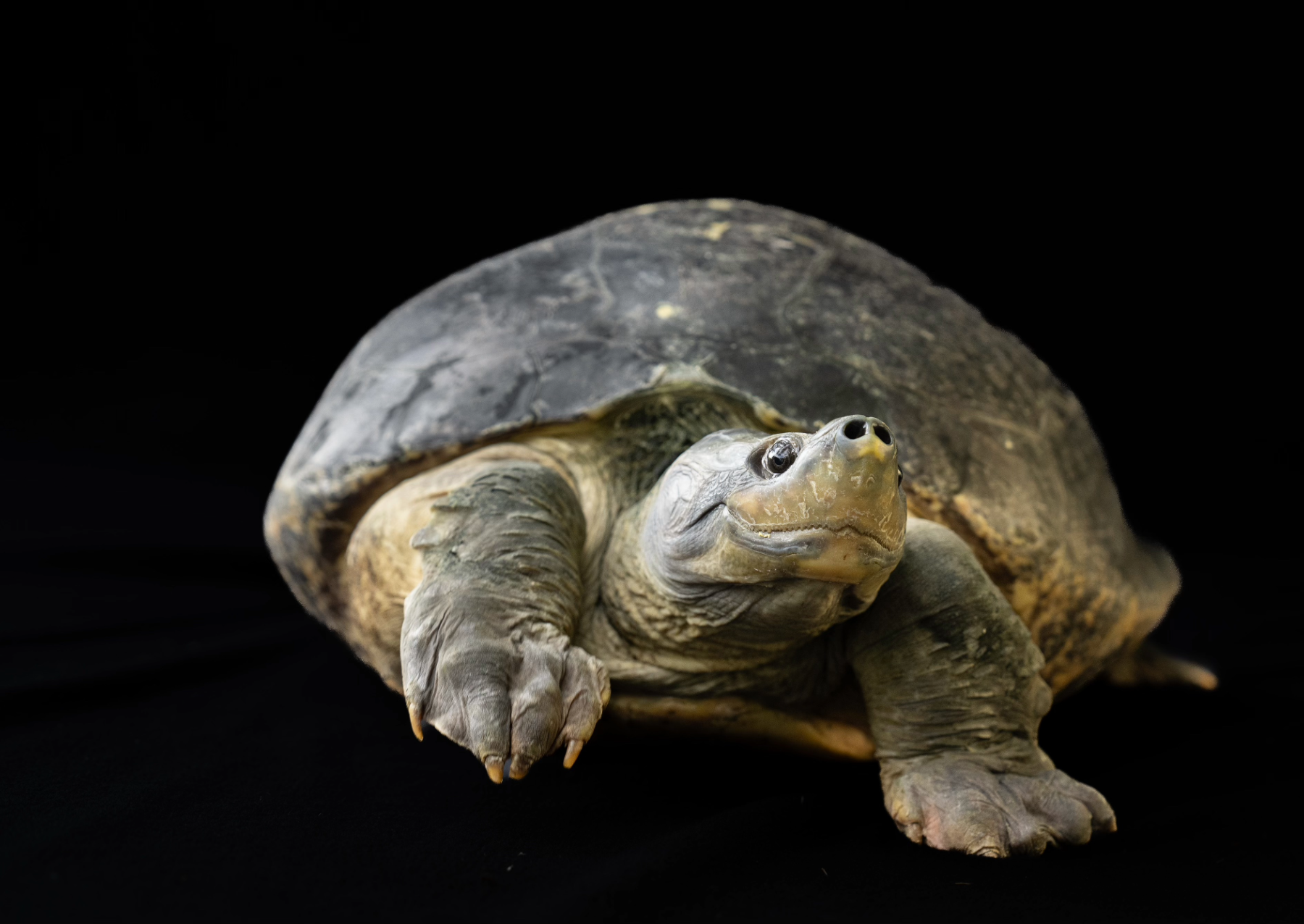
The Turtle Conservancy is currently using the arts to help raise $250,000 to build a new greenhouse for Ruby and the other turtles living at the rural New Jersey sanctuary. Ruby lives alongside critically endangered Burmese narrow-headed softshell turtles (Chitra vandijki), Indian spotted turtles (Geoclemys hamiltoni), and Mata Mata Turtles (Chelus fimbriata) from the Amazon. Many of the turtles here were rescued from the illegal wildlife trade, while Ruby came from a veterinarian and taxonomist who passed away, leaving her in the care of the conservancy. A bigger space will allow them more elbow room and potentially space to breed.
“My back porch is sort of a temporary holding. It’s a mess and it’s cramped, but it’s what I have for now,” Turtle Conservancy co-founder Maurice Rodrigues tells Popular Science. “I’m excited to work with wild work with Chiara’s team to raise money to get the greenhouse built. We’ll get these animals more spacious enclosures, and a more naturalistic setting.”

According to Gorodesky, the team has raised $65,000 and already has the structure of the greenhouse. However, they still need to fund a “hugely sophisticated pumping system” that will ensure that the temperature is just right for the animals to thrive. Along with amphibians, turtles are among the most threatened groups of vertebrates due to the continued pressures of habitat loss and climate change. Those continued threats help fuel the team taking care of Ruby and her compatriots, preserving their precious DNA and keeping species going.
While dance may not seem the most natural way to highlight their plight, these reptiles and the way we move do share something crucial.
“Both dance and turtles have been there from the beginning of mankind. Movement, dancing, cave drawings, music, all these things that fill the soul are essential things,” says Gorodesky. “Turtles have been around always. For millions of years, they’ve been basically unchanged. They’re like fairy tale animals.”
Fairy tale animals that are in very real danger, but still can be saved.
