
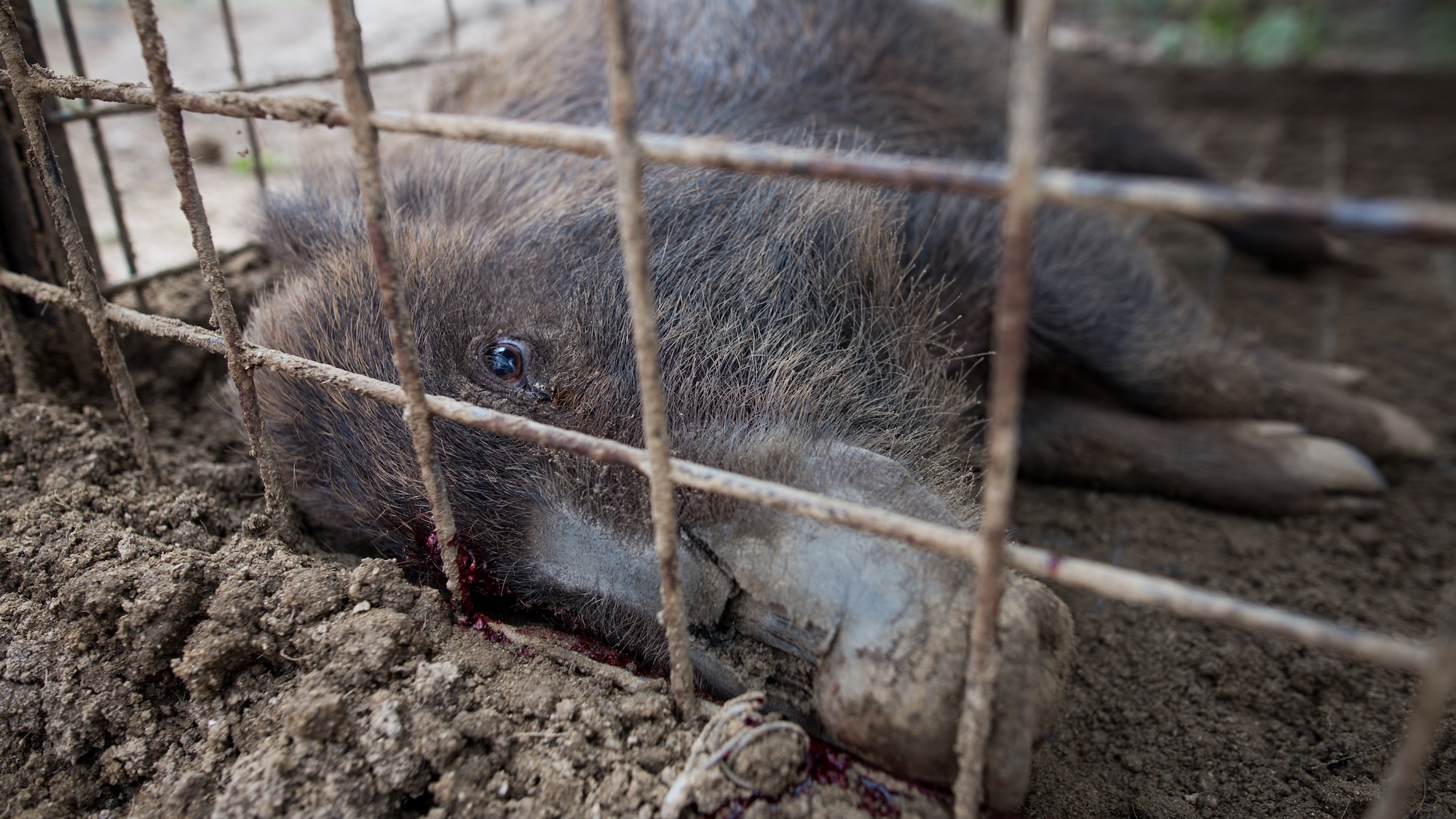
In the regions surrounding the Fukushima nuclear plant disaster in northeast Japan, radioactive domestic pigs and wild boar are rapidly interbreeding. While far from the only recent incident of animal hybridization, the situation is presenting wildlife biologists with an unprecedented opportunity to examine the issue in real-time, as well as provide a template for studying the growing problem worldwide.
In 2011, a 9.0 magnitude undersea earthquake in the Pacific Ocean rocked Japan. The earthquake and resulting tsunami decimated the Fukushima Daiichi nuclear plant along the coast. The massive ecological catastrophe is guaranteed to reverberate for generations. An estimated 164,000 residents in the surrounding area were forced to evacuate within hours, with potentially thousands still displaced today. The animals left behind not only included pets, but domesticated pigs on local farmlands. Although considered the worst nuclear accident since Chernobyl, containment efforts prevented a much deadlier outcome.
Descendants of those escaped hogs are still roaming the overgrown fields and forests near the shuttered power plant today, but they’re very different animals than their great-grandparents. Like in many other places, the pigs are interbreeding with indigenous feral boars to create a new population of hybrid swine. But while conservationists are constantly working to cull these destructive animals, no one has tried to do the same for the Fukushima hogs.
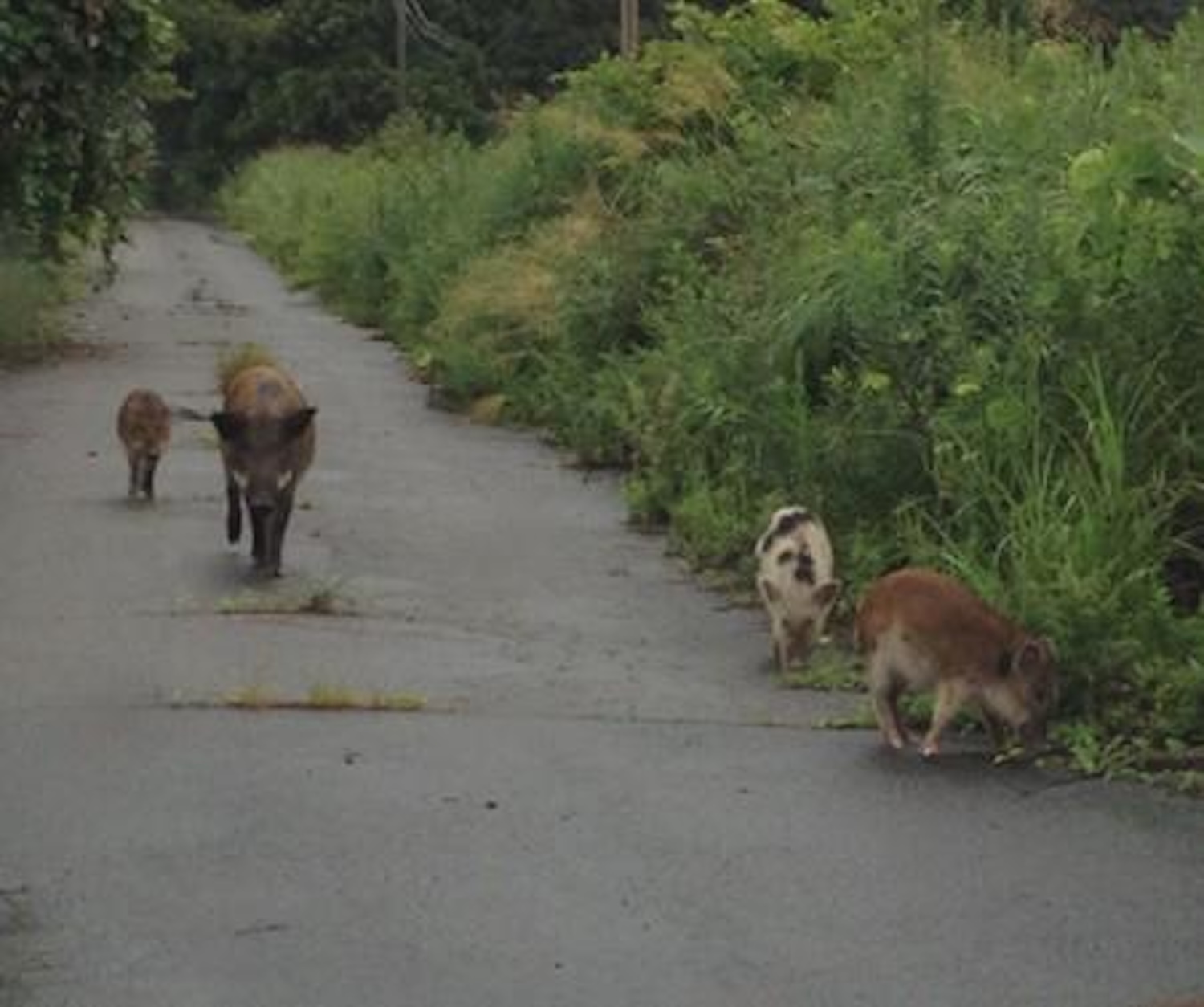
This created a wholly unique situation for geneticists like Shingo Kaneko at Fukushima University. Kaneko’s team set out to examine how domestic pig genetics have influenced their successive generations of hybrid boar progeny. Kaneko partnered with Hirosaki University geneticist Donovan Anderson to analyze mitochondrial DNA from mother pigs, as well as genetic markers from 10 more domestic pigs and 191 wild boars collected between 2015 and 2018.
Their findings published in the Journal of Forest Research describe a totally unexpected landscape.Instead of the domestic pigs exhibiting an extended genetic influence on their descendants, maternal pig lineages are speeding up the genetic turnover in the wild boars. According to Kaneko, this directly contradicts some prevailing hybridization theories.
“While it has been previously suggested that hybridization between rewilded swine and wild boars can contribute to population growth, this study demonstrates—through the analysis of a large-scale hybridization event following the Fukushima nuclear accident—that the rapid reproductive cycle of domestic swine is inherited through the maternal lineage,” he said in a statement.
The key to this is rapid genetic turnover likely lies in how each species reproduces. While boars usually only reproduce once per year, domesticated pigs feature year-round cycles. This latter trait appears to have remained in subsequent hybrid generations—meaning a much faster generational turnover that is quickly diluting pig nuclear genes through regular interactions with the boars.
They discovered the boars carrying pig DNA possessed “significantly lower proportions” of nuclear pig genes compared to offspring mothered by boars. In the instances of maternal pig lineages, some animals were already over five generations removed from the initial crossbreeding. But although the ecology around Fukushima is now unlike anywhere else in the world, the study authors say their findings can still inform similar investigations at other locations.
“We wish to emphasize that this mechanism likely occurs in other regions worldwide where feral pigs and wild boars interbreed,” said Anderson, with Kaneko adding that their conclusions may help improve invasive species mitigation efforts.
“By understanding that maternal swine lineages accelerate generation turnover, authorities can better predict population explosion risks,” Kaneko said.
