
It’s important to remember that we humans are simply animals. A very advanced species, but members of the animal kingdom nonetheless. We all need water, food, and shelter to survive, but we also share another similarity.
Humans also find animal mating calls and signals appealing, whether it’s the bright colors of butterfly wings, a flower’s sweet smell, or a songbird’s melodies. The findings are detailed in a study published today in the journal Science and indicate that the preference for some animal sounds might be more common than previously believed.
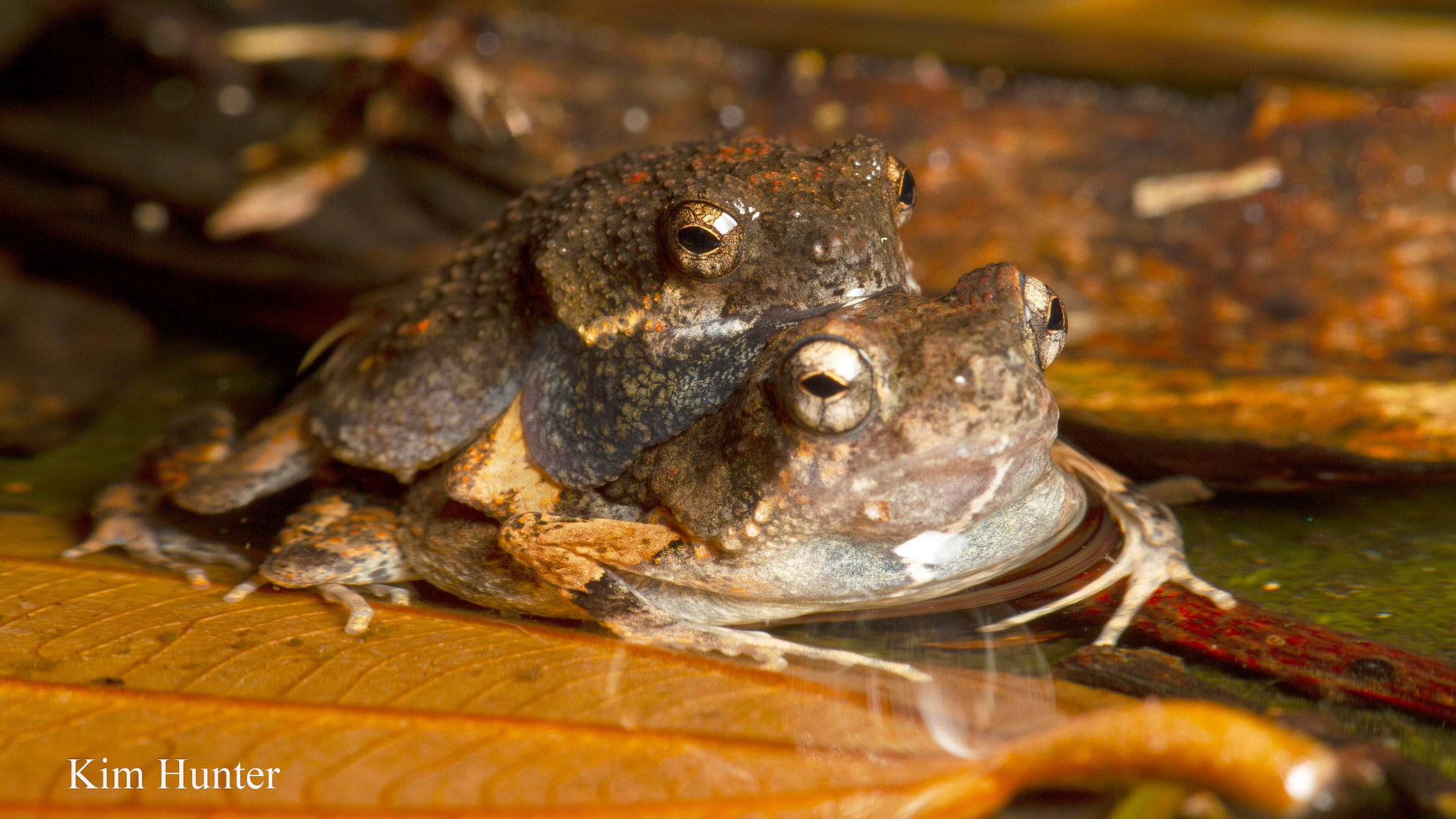
In 1981, Smithsonian Tropical Research Institute (STRI) staff scientist A. Stanley Rand and research associate Michael J. Ryan discovered that a female túngara frog’s (Engystomops pustulosus) preference for a mate depends on the complexity of the male’s call. For this new study, Ryan and his colleagues wanted to know if human preferences for certain animal calls—including those alluring calls from male túngara frogs—correlate with the preferences of female animals.

Túngara frog male calling
“After witnessing those female preferences Stan and Mike [Ryan] discovered when I got to measure them myself, I became fascinated with the question of where these preferences come from,” Logan James, a STRI research associate and the study’s lead author, said in a statement. “Plus, since that team released their initial findings, we’ve found that other animals, including eavesdroppers such as blood-sucking flies and frog-eating bats, also prefer complex calls. This got us wondering how common acoustic preferences may be.”
For the study, the team used a computer game to test humans’ preferences for different animal sounds using an online computer game. They presented pairs of animal sounds from 16 different animal species, including crickets, zebra finches (Taeniopygia castanotis), and several frog species to over 4,000 human participants from around the world.
“In gamified citizen science, people volunteer for experiments simply because they’re fun and interesting,” added Samuel Mehr, a study co-author and cognitive scientist at Yale University’s Child Study Center. “The method is perfect for answering questions from evolutionary biology where we aim to study phenomena across many species as opposed to just a few. Our game enabled us to test lots of humans’ preferences for lots of different sounds.”
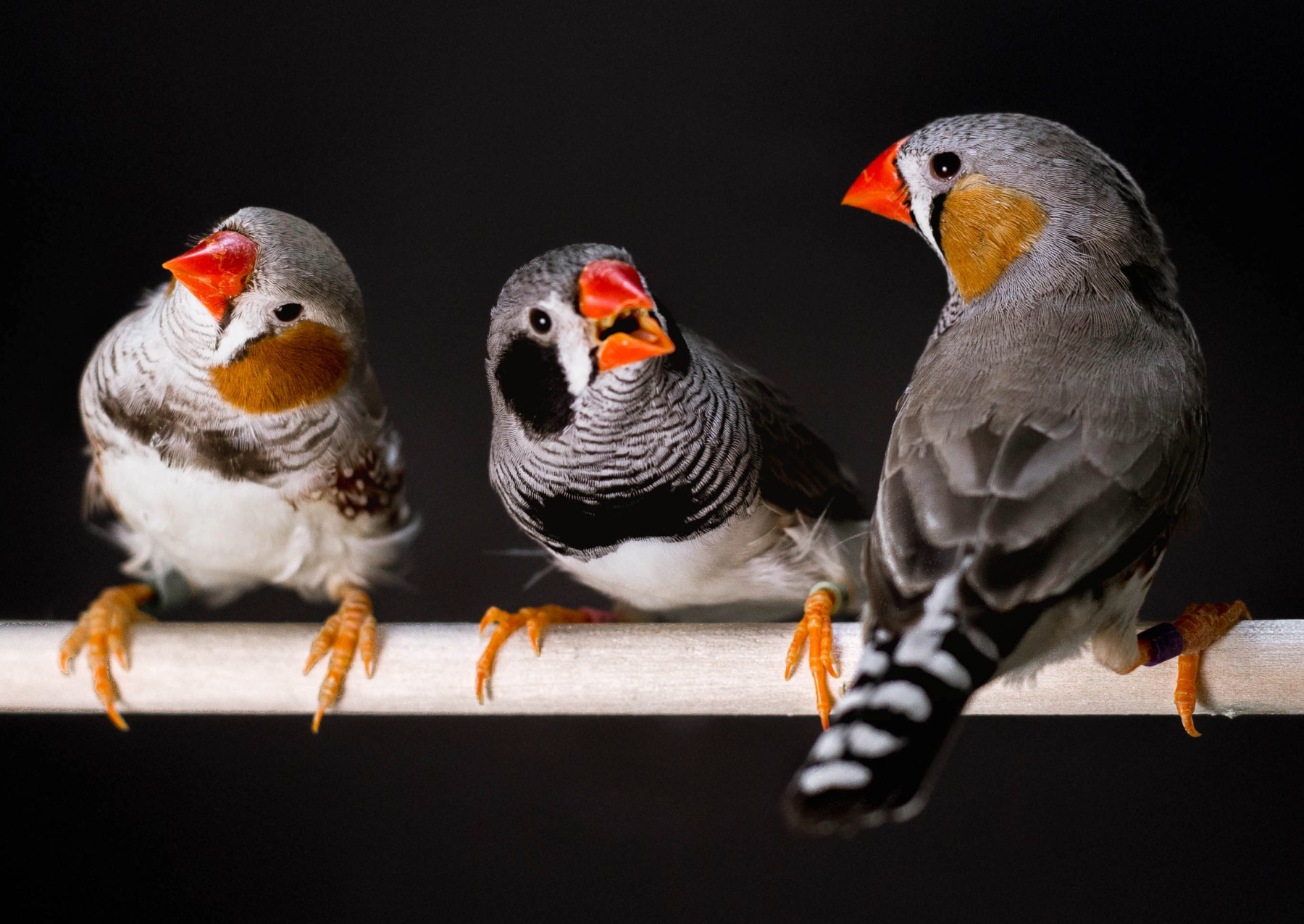
The sounds came from animals that are known to display a preference for one sound over the other. After listening to these sound parings, the humans were asked to express their preference for one sound or the other, the way that the animals making and listening to the sounds do.
The team found a broad overlap between human and animal sound preferences. The stronger an animals’ preference for a specific sound, the more likely it was for a human to pick that sound as their favorite. The human participants were also quicker to select the more attractive sound. Humans and animals share a strong preference for lower pitch sounds and those with acoustic adornments, such as “trills,” “clicks” and “chucks” in bird songs and frog calls.
“Darwin noted that animals seem to have a ‘taste for the beautiful’ that sometimes parallels our own preferences,” Ryan concluded. “We show that Darwin’s observation seems to be true in a general sense, probably due to the many sensory system properties we share with other animals.”
