
With the turning of the calendar comes a new year and new vulnerable endangered plant and animal species to keep a watchful eye on. As the planet’s biodiversity continues to face enormous amounts of pressure, international nature conservation charity Fauna & Flora is launching its 2026 Species to Watch list.
The list brings together science with field experience and frontline conservation and spotlights some of the world’s most extraordinary and highly threatened species.
“Our annual Species to Watch list offers insight into the key challenges facing some of the world’s most vulnerable species, including habitat loss, deforestation, illegal wildlife trade and climate change,” said Kristian Teleki, the CEO Fauna & Flora. “But it also shines a spotlight on the weird and wonderful plants and animals we are working to protect, and on the inspiring people and partners Fauna & Flora works with across the globe to deliver effective conservation action. In challenging times, it stands as a beacon of hope.”
Fauna & Flora’s 10 Species to Watch in 2026 are listed below. (Click to expand images to full screen.)
Saint Lucia fer de lance
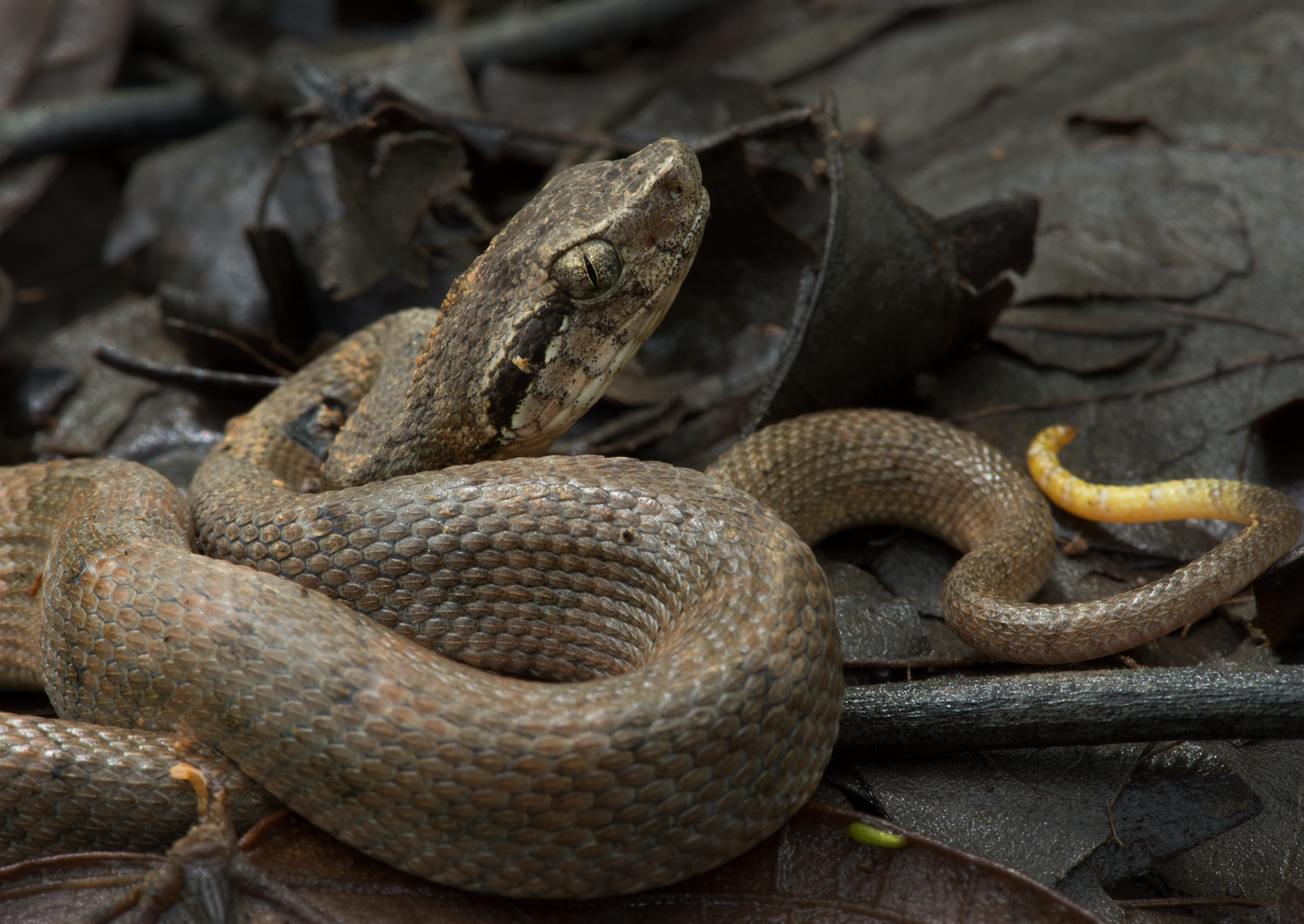
The Saint Lucia fer de lance (Bothrops caribbaeus) is a highly venomous pit viper found on the Caribbean Island of Saint Lucia and the Lesser Antilles. Their bites are potentially deadly and these snakes can grow up to six feet long. While it is widely feared (and often killed on sight) the fer de lance is not aggressive and bites only when threatened. It is also in danger of extinction.
European eel
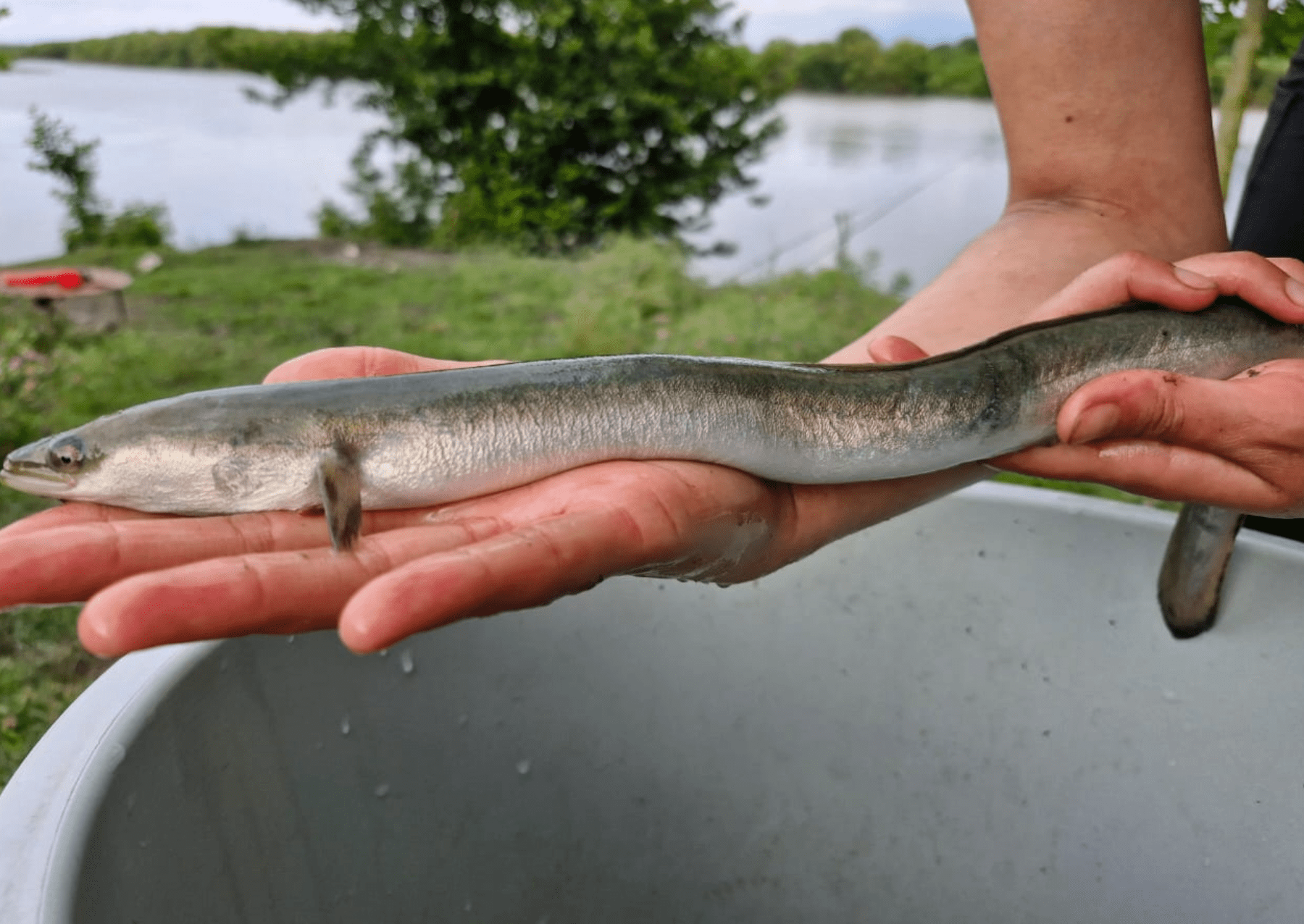
Once common all over the continent, the European eel (Anguilla anguilla) is on a slippery slope towards extinction. Over the past 25 years, the population of this fish in the United Kingdom plummeted by 95 percent. The eels face threats from overfishing—including for a popular jellied eel dish—pollution, habitat fragmentation, and illegal trade.
European eels play a crucial role in both freshwater and coastal ecosystems and serve as a vital food source for otters, bitterns, and other fish-eaters.
Psychedelic earth tiger (aka Indian rainbow tarantula)
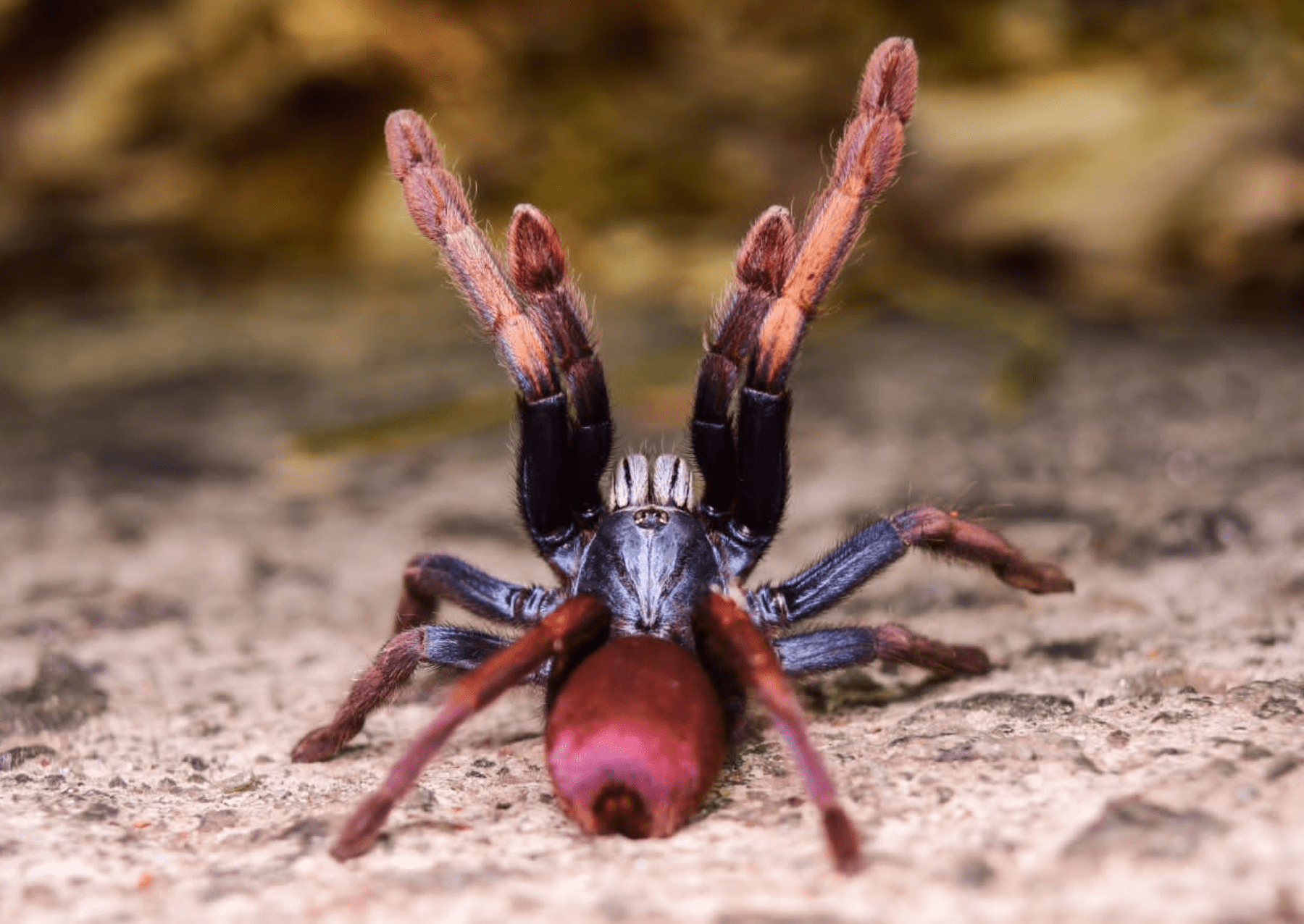
Fauna & Flora’s Conservation Leadership Programme is supporting a female-led team of spider experts to protect an interesting arachnid. Haploclastus devamatha or the psychedelic earth tiger, Indian rainbow tarantula, or LSD earth tiger is only found in the tropical forests of the southern Western Ghats in Kerala, India. It is covered in groovy colors with a metallic iridescence. It faces some serious threats, including habitat loss and degradation and demand from the illegal pet trade. The Conservation Leadership Programme’s spider team is working to secure long-term protection for the tarantula through field surveys, community engagement, and awareness initiatives.
Temminck’s pangolin

Temmick’s pangolin (Smutsia temminckii) is a compact, ground-dwelling mammal and is the only one of Africa’s four pangolin species that is found in relatively arid areas of East and Southern Africa. It forages for food very slowly and deliberately. It is also known for walking on its back legs, using its tail as a counterweight. Like all pangolin species, this one is threatened by the illegal trade of its meat and scales. Fauna & Flora is currently supporting a crisis clinic to help rehabilitate and release rescued and injured pangolins in Mozambique.
Cao vit gibbon

Named for its distinctive call, the cao vit gibbon (Nomascus nasutus) is Earth’s second rarest primate. Scientists thought that it was extinct but it was rediscovered in 2002. Its estimated population is only 74 individuals. A 2021 census with acoustic recorders and drones mounted with thermal imaging cameras found that the cao vit gibbon’s population is even lower than conservationists originally suspected. This year’s census will help verify whether Fauna & Flora’s current protection and habitat restoration efforts have led to a population increase in the five years since.
Blackchin guitarfish
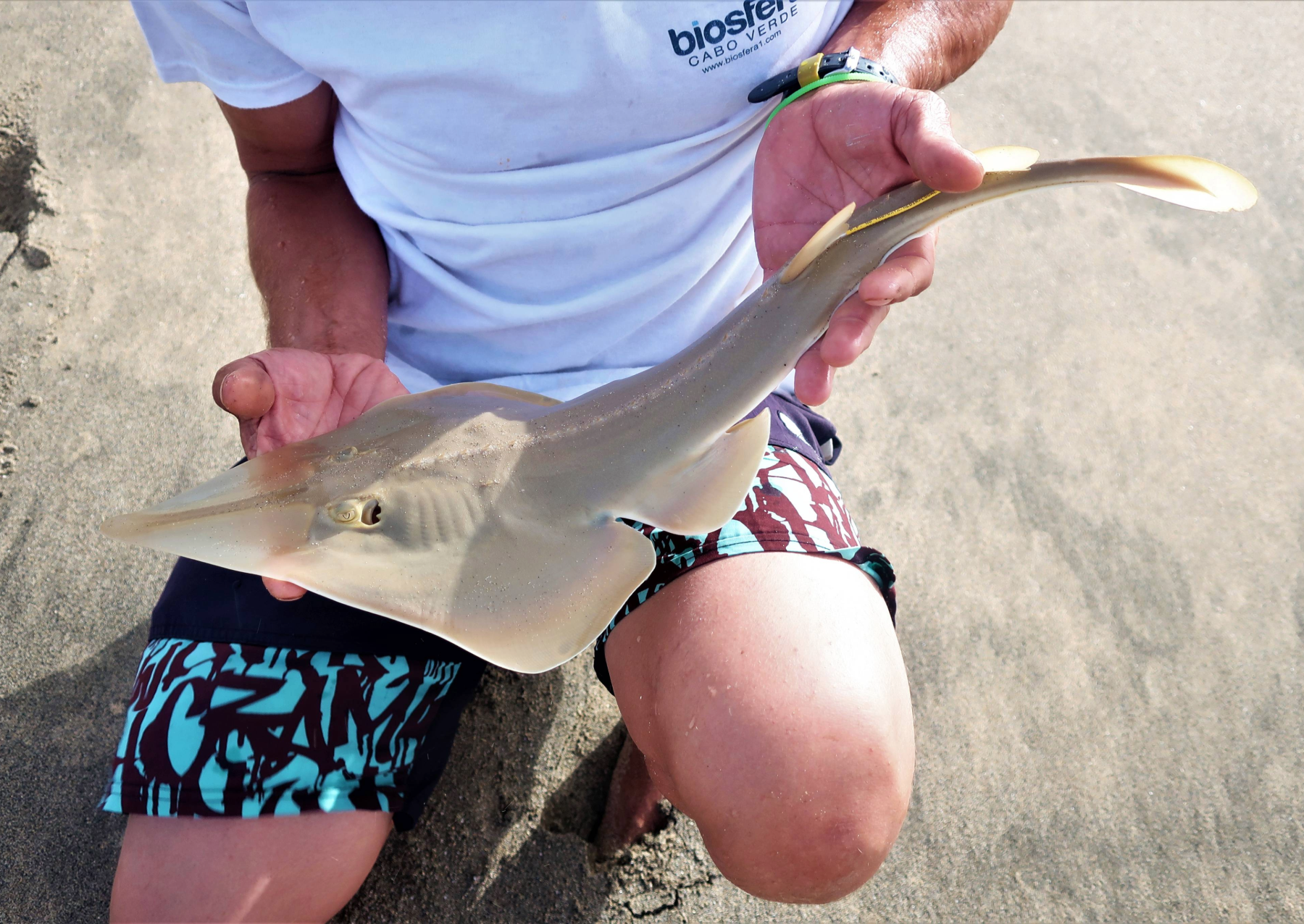
A fish fit for rock & roll, blackfin guitarfish (Rhinobatos cemiculus) appears to not be quite so sure whether it is a shark or a ray. Found in the Mediterranean Sea and the eastern Atlantic, it has a flattened nose, broad, wing-like pectoral fins, and long, finned tail. To some, it looks like it was sewn together in a misguided Victor Frankenstein-esque scientific experiment. In reality, the fish is a type of shovelnose ray. Conservationists are working to halt its decline by strengthening marine protected area networks and reducing unintended shark and ray mortality from fishing.
Utila spiny-tailed iguana
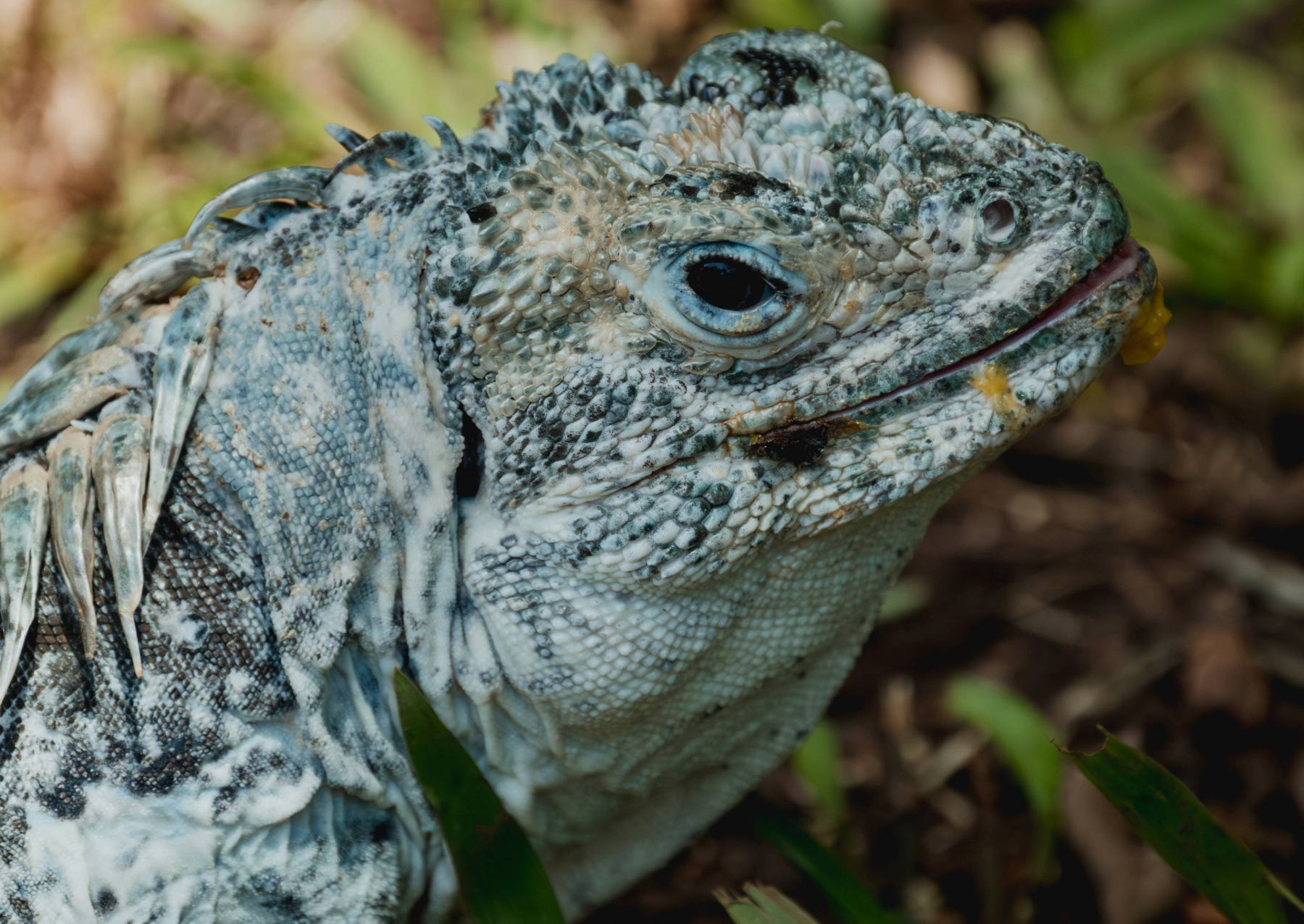
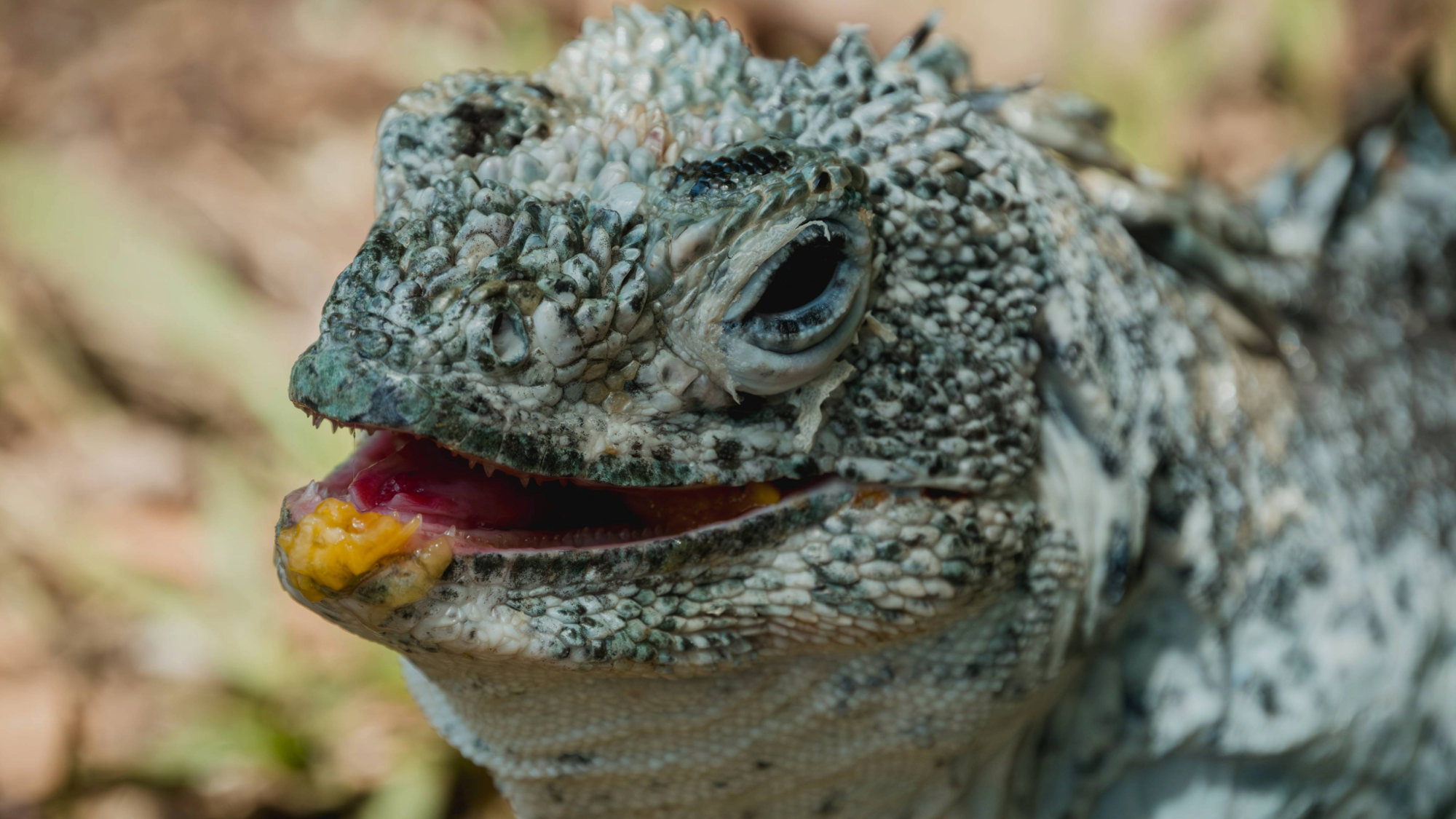
The Utila spiny-tailed iguana (Ctenosaura bakeri) is named after a small island in Honduras, the only place this reptile lives. Locals call it wishiwilly del suampo, this lizard is strictly confined to mangrove forests. Fauna & Flora is supporting its in-country conservation partners to protect and restore this forest habitat that the Utila spiny-tailed iguana and several other threatened species need to survive. While the Utila spiny-tailed iguana remains critically endangered, results from a recent survey suggest that its population has increased from an estimated 3,000-6,000 to an encouraging 7,000-14,000.
Saker falcon
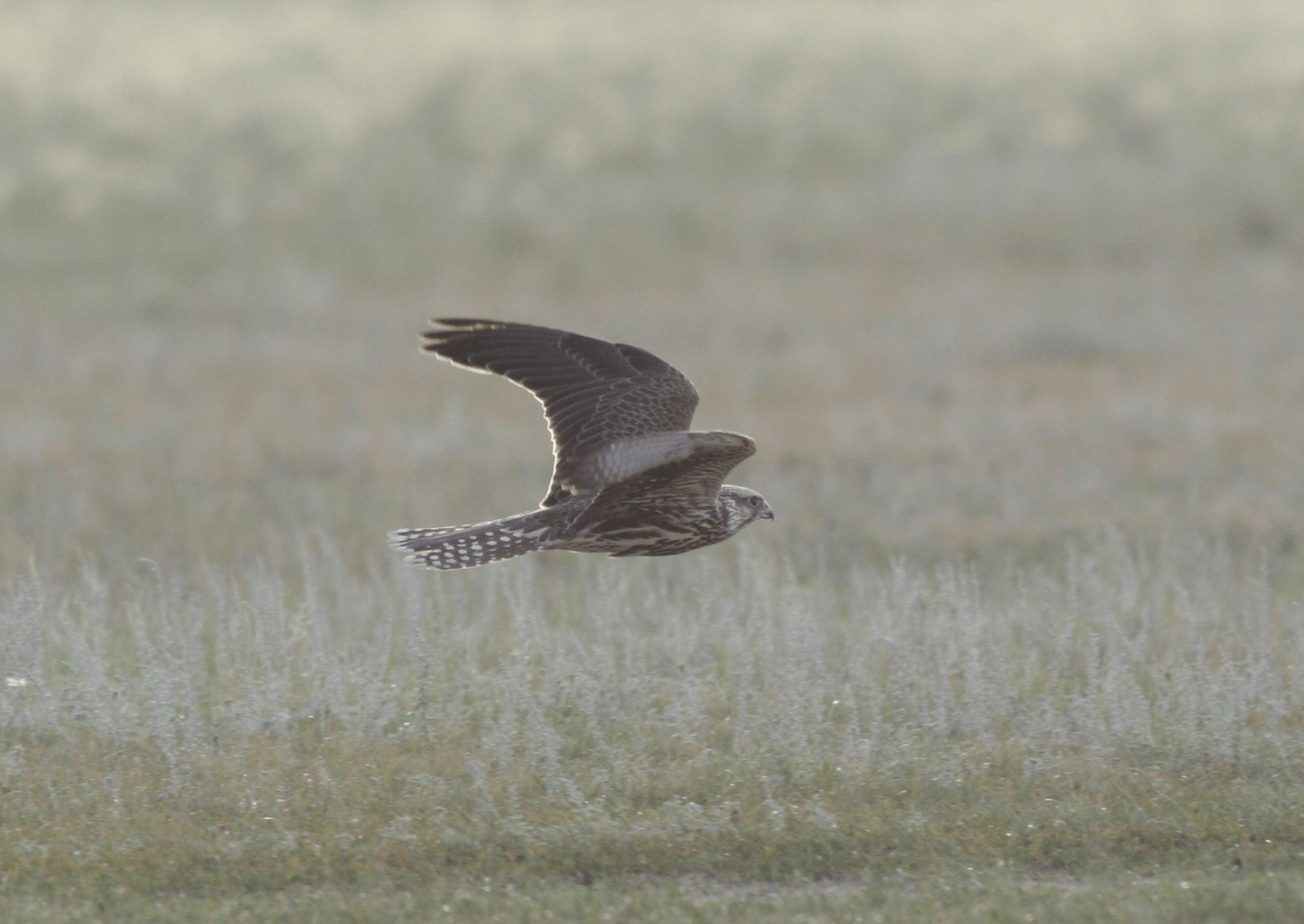
For thousands of years, falconers have prized the lightning-fast and saker falcon (Falco cherrug). Today, its continued popularity has seen the species plummet. There are fewer than 30,000 of these powerful raptors now left in the wild. This year, Fauna & Flora will assess the impact of trade on the saker falcon in Central Asia to inform conservation strategies, community engagement and enforcement efforts.
Wild tulips
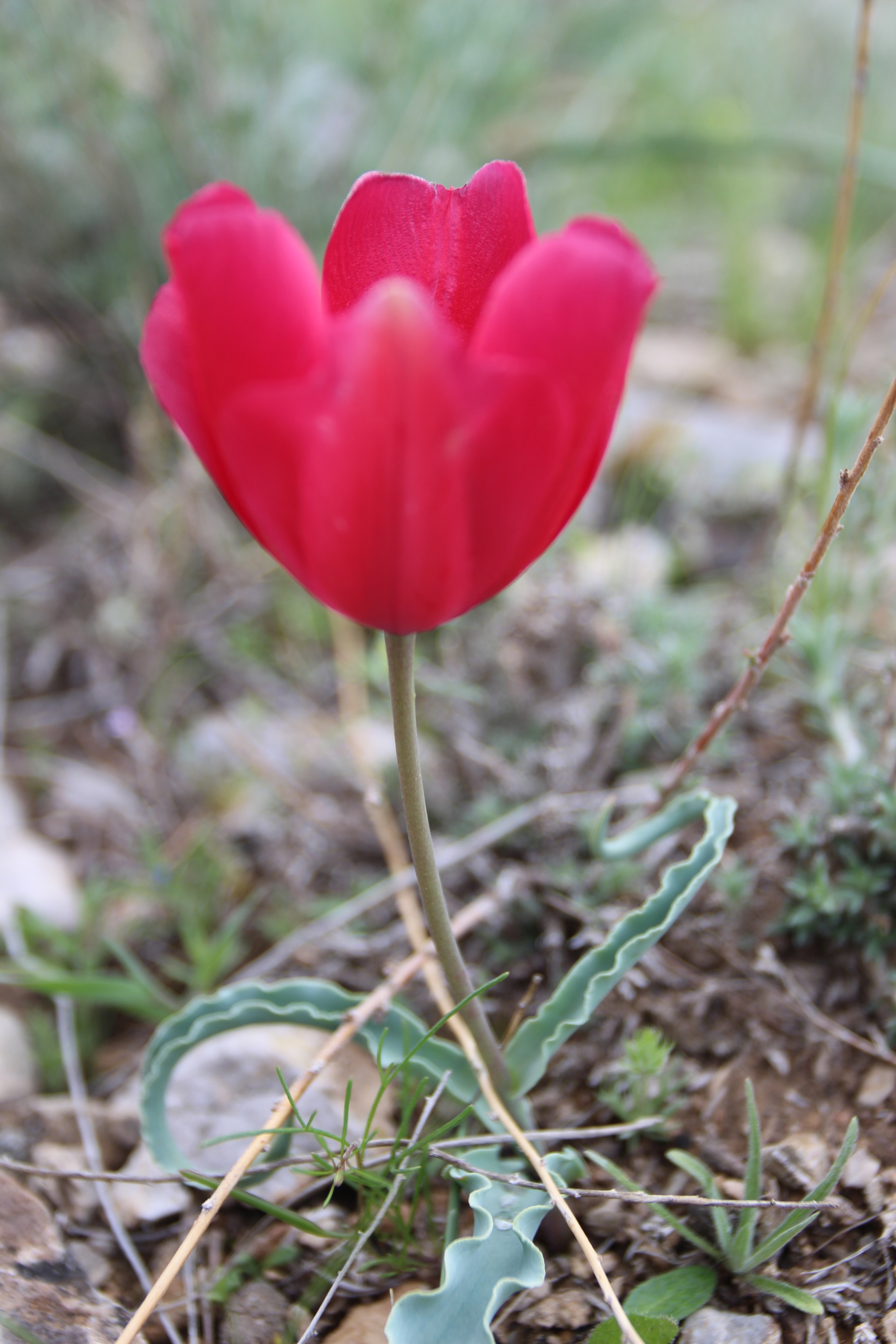
© Ormon Sultangaziev / FFI
A lovely bit of flora among fauna, tulips are one of the most recognizable flowers on the planet. They have been widely cultivated for centuries, but their wild ancestors are native to the mountainous regions of Central Asia. The countries of Kazakhstan, Kyrgyzstan, Uzbekistan, and Tajikistan harbour 63 unique species, or more than half of the world’s tulip population. Many wild tulip species are threatened with extinction, primarily due to overgrazing and trampling by livestock, overharvesting of cut flowers, urbanization, and climate change.
Clouded leopard
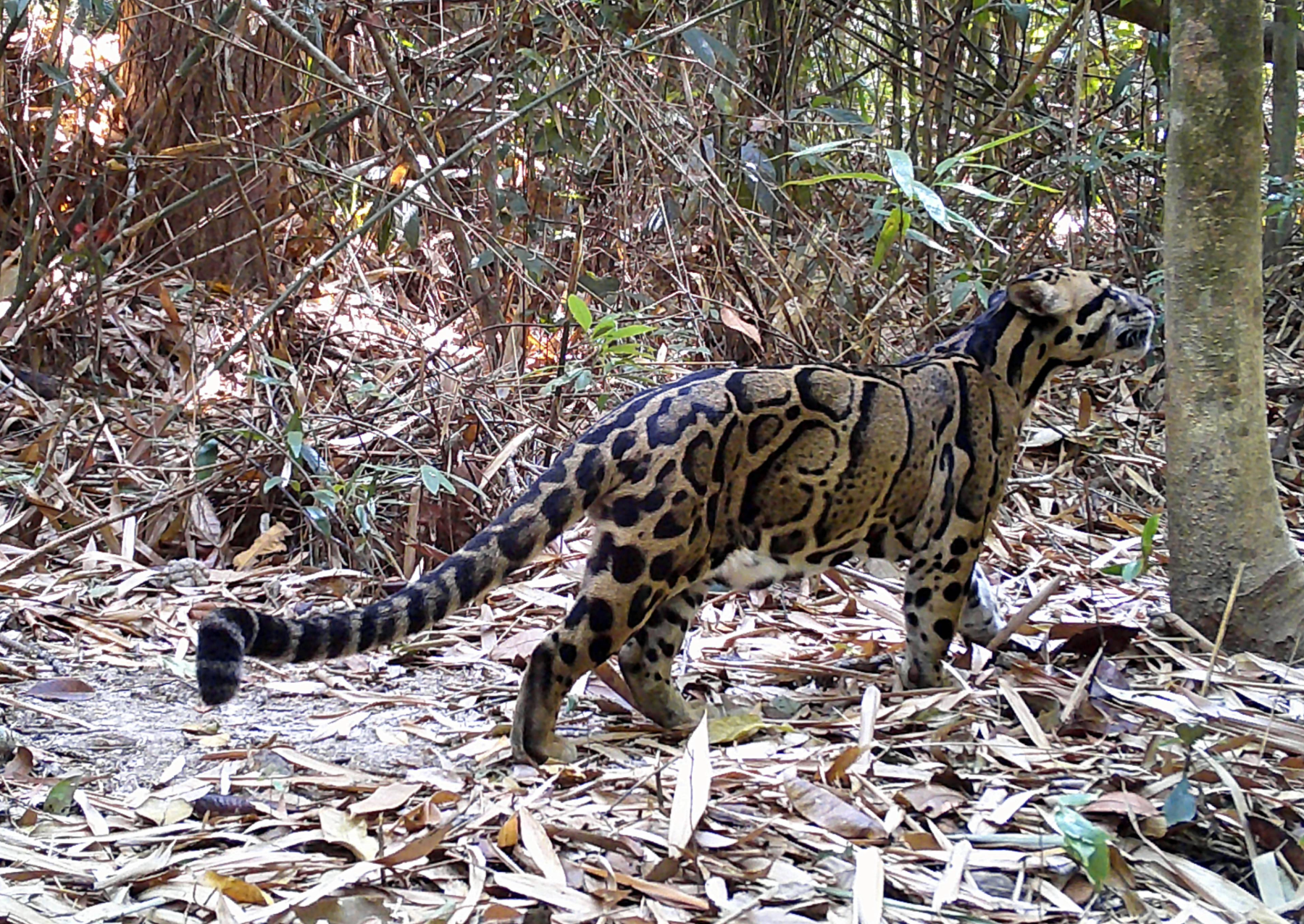
This big cat’s beautiful markings are its most striking feature. Sadly, this exquisitely patterned coat makes the clouded leopard (Neofelis nebulosa) a prime target for the illegal wildlife trade. The mammals found in the Himalayas and mainland Southeast Asia into South China, are trafficked alive as exotic pets and their pelts are also sold illegally. Their teeth, claws and bones may also be sold as tiger parts. Fauna & Flora is currently supporting community-led patrols to protect this threatened feline in Cambodia’s Virachey National Park.
“The species we share our planet with are truly extraordinary. From the most peculiar of rays, to the majestic falcon, to the tulips we buy in our supermarkets each day, every plant and animal plays a unique and essential role in sustaining life on Earth,” concluded Teleki. “But time is running out. With less than five years to go until 2030, a guiding star for many global nature and climate goals, we can no longer afford to delay action to protect and restore our planet’s natural wonders. The pressures facing nature are severe, and species populations are declining at an alarming rate.”
