
We may earn revenue from the products available on this page and participate in affiliate programs. Learn more ›
Plant tags can be confusing, especially the information about light requirements. What does “bright light,” “bright indirect,” or “medium light” actually mean? If you’re just getting started with indoor gardening, or you’ve somehow kept plants alive without fully understanding those labels, you’re not alone. The truth is, most plant owners don’t really know how much light their plant is getting or how much it actually needs.
And that’s often where things go wrong. According to the University of Maryland Extension Services, the right amount of light is the most important factor in keeping indoor plants healthy and growing well. The good news? You don’t need a botany degree to figure it out. You just need to understand what those light levels look like in real life and how to measure what your windows are actually providing.
The four light levels
Plant tags typically list four light levels: low, medium, bright/indirect, and direct sun. These categories describe the lighting conditions plants need to thrive. To fully understand what these categories actually mean, it helps to know that each light level corresponds to measurable light intensity.
Light is measured in lux or foot-candles, which are units used to describe how much light reaches a surface. A foot-candle measures the amount of light one foot away from a candle, while lux measures light intensity per square meter. Although you can estimate light levels using a few visual cues, the most reliable way to ensure the proper light level is to measure it with a light meter.
Low Light
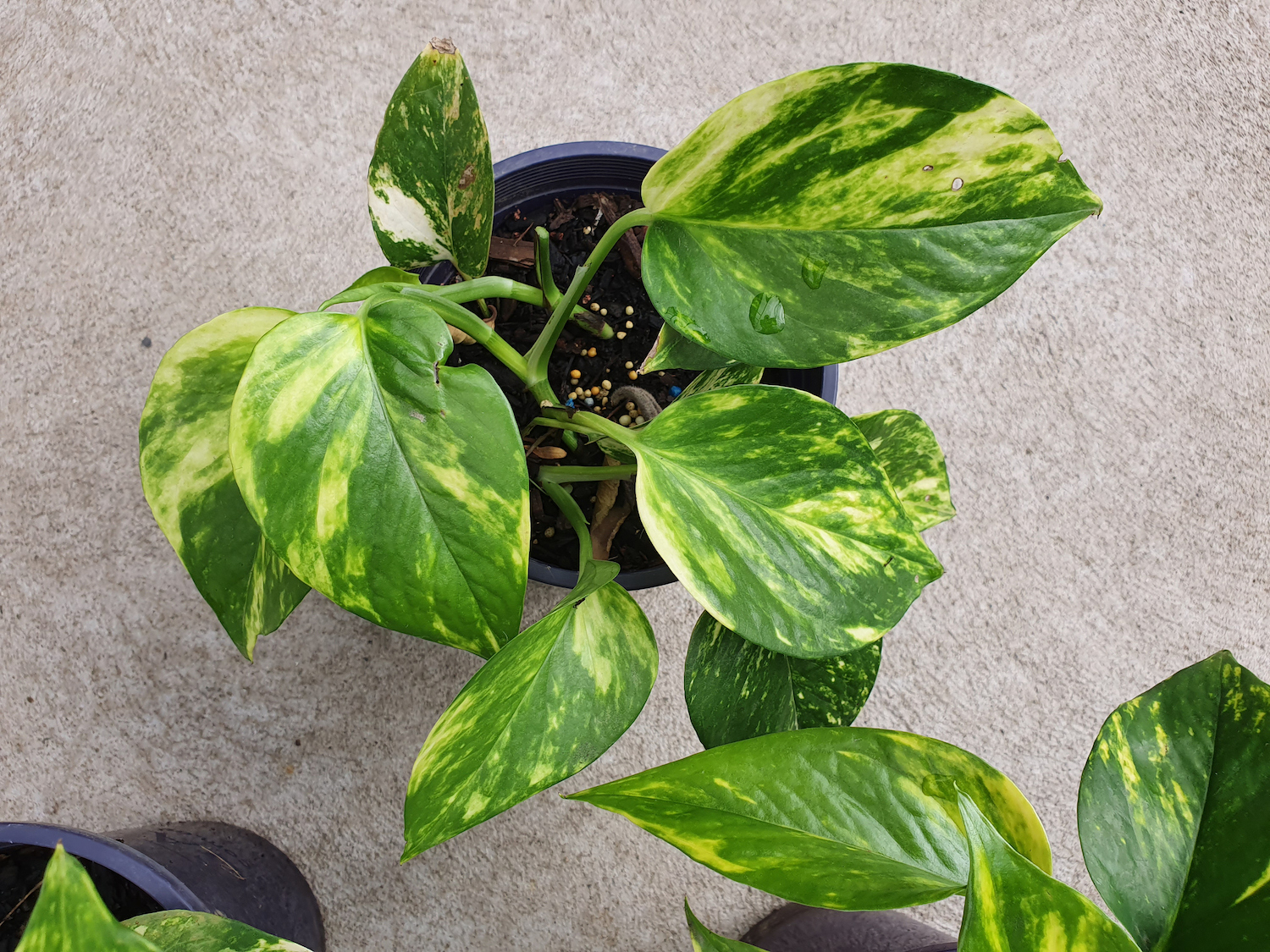
Low light measures 50–250 foot-candles (538–2,690 lux) and is typically found several feet away from a window or in rooms with north-facing exposure. In these spaces, there is enough natural light to see clearly during the day, but no direct sunlight reaches the plant. It’s important to remember that low light does not mean no light. Be cautious of claims that a plant can survive in complete darkness, since all plants require light for photosynthesis. Houseplants that generally tolerate these conditions include snake plant, ZZ plant, and most pothos varieties.
Medium Light
Medium light measures 250–1,000 foot-candles (2,690–10,763 lux) and is commonly found near east-facing windows or in bright rooms that receive plenty of daylight but no harsh, direct sunbeams. These conditions provide steady illumination that supports healthy growth for many houseplants. Medium light works well for a wide range of foliage plants and most jungle cacti, including dieffenbachia, ficus, philodendron, and holiday cacti.
Bright, Indirect Light
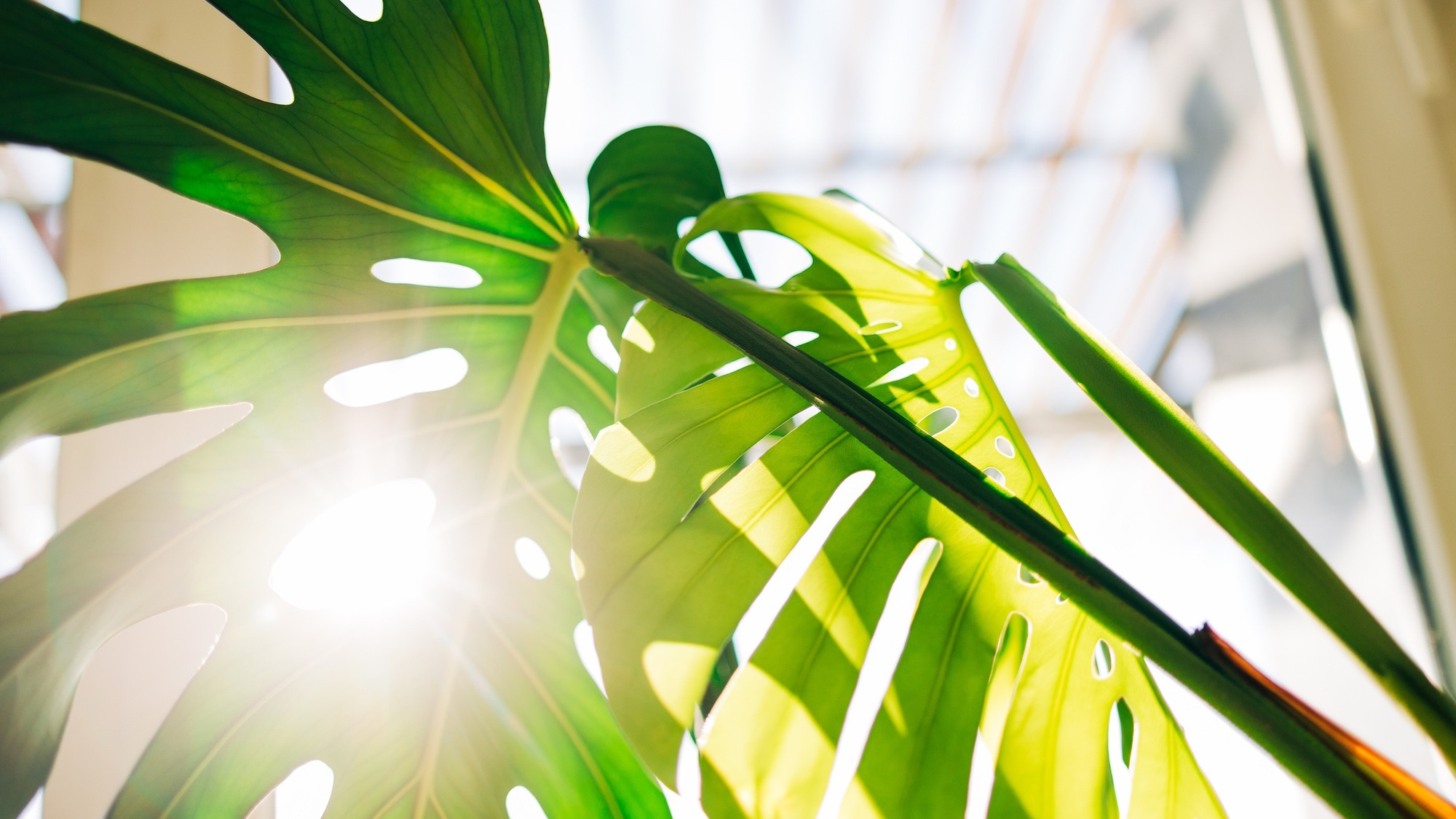
Bright, indirect light measures 1,000–2,000 foot-candles (10,763–21,527 lux) and is typically found within a few feet of a south- or west-facing window where sunlight is filtered through curtains or diffused by blinds. This level provides strong illumination without prolonged direct sunlight hitting the leaves. Bright, indirect light is ideal for plants such as monstera, fiddle leaf fig, and many succulents.
Direct Sun
Direct sun measures 2,000+ foot-candles (21,527+ lux) and occurs when visible sunbeams hit the leaves directly, typically near south- or west-facing windows. This is the brightest indoor light condition and closely mimics the intense sunlight many desert plants receive outdoors. Direct sun is best suited for cacti, many succulents, and citrus plants.
Signs your plant needs more light
Plants need light in order to power photosynthesis, which drives every stage of plant growth. When indoor light levels are too low, houseplants show predictable stress signals. Insufficient light is one of the most common reasons indoor plants become weak, leggy, or stop growing altogether. The good news is that your plant will usually tell you when it needs brighter conditions.
Look for these common low-light symptoms:
- Leggy, stretched stems: Long, thin growth with wide gaps between leaves.
- Leaning plant: Plants may lean noticeably toward a window as they reach for more light.
- Smaller new leaves: Fresh growth appears undersized compared to older foliage.
- Pale or faded green color: Leaves lose their rich color and look washed out.
- Slow or stalled growth: Little to no new leaves during the active growing season. The plant may look the same for months.
- Lower leaf drop: Older leaves yellow and fall off first as the plant conserves energy.
- No blooms on flowering plants: Plants like orchids, peace lilies, or citrus may grow leaves but fail to produce buds because flowering requires higher light levels.
If you notice two or more of these signs, your plant likely needs more light. Before increasing watering or fertilizer, measure the light in your space. In many cases, adjusting placement solves the problem faster than changing your care routine.
How to measure light
The good news is, you do not need specialized laboratory equipment to get a useful estimate. A few simple tools and observations can help you determine whether your plants are receiving enough light.
One option is to use a light meter. Affordable handheld meters are widely available and provide a quick reading of light intensity. Many smartphone light meter apps can also give a rough estimate. While phone sensors are not perfectly accurate, they are usually good enough to compare light levels in different parts of a room.
You can also try the shadow test, which offers a quick visual clue about light intensity. If an object casts a sharp, well-defined shadow, the space likely receives bright light. A soft or slightly blurred shadow suggests medium light. If there is little to no visible shadow, the area is probably low light.
It is also important to consider seasonal changes. Indoor light levels often drop significantly in winter because the sun sits lower in the sky and daylight hours are shorter. Keeping that information in mind will help you determine your space’s light quality and quantity.
What to do if your home is too dark
If your home doesn’t receive much natural light, you can still grow healthy houseplants by supplementing light or choosing plants that match the conditions you have. Full-spectrum LED grow lights can provide the intensity plants need when windows do not offer adequate exposure. For most foliage plants, keep grow lights on for 12–14 hours per day and position them 6–12 inches above the leaves so plants receive enough light without overheating.
It also helps to choose plants that match the light levels in your space whenever possible. Selecting species that tolerate low-light conditions often leads to better long-term success, and grow lights can be used as a supplement if natural light remains insufficient.
