
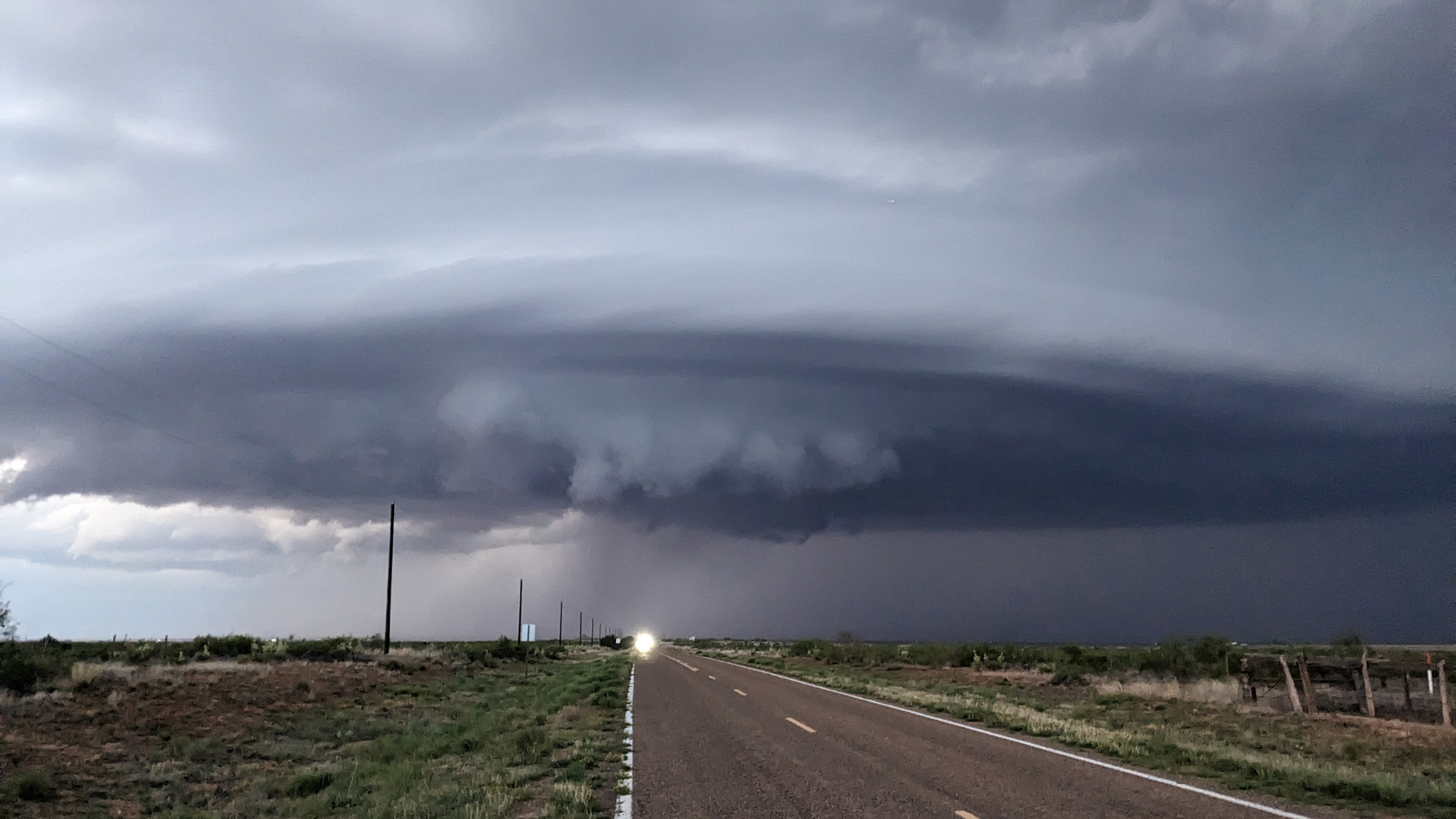
Flying cows, SUVs soaring through the air like toys, quaint towns that are virtually wiped off the map. Hollywood certainly makes the very real world of chasing tornadoes appear exciting on the big screen. And yet the reality of storm chasing is actually slower, less competitive, more methodical, and not nearly as deadly as Twister or Twisters make it appear.
“My whole setup for a single chase is longer than most tornado movies are,” meteorologist and storm chaser Cyrena Arnold tells Popular Science.
Every spring and summer, thousands of meteorologists like Arnold, alongside hobbyists and weather tourists alike, chase tornadoes. Roughly 5,000 people from around the world travel to the Great Plains to chase storms every year. On the ground, it’s a mixture of exhilaration, solid planning, teamwork, and some difficult math. It’s also the chance to make a major real-life impact.
“Being able to see something and call it into the National Weather Service and have them issue a warning based upon it is probably the coolest thing ever. Because you may have just saved lives.”
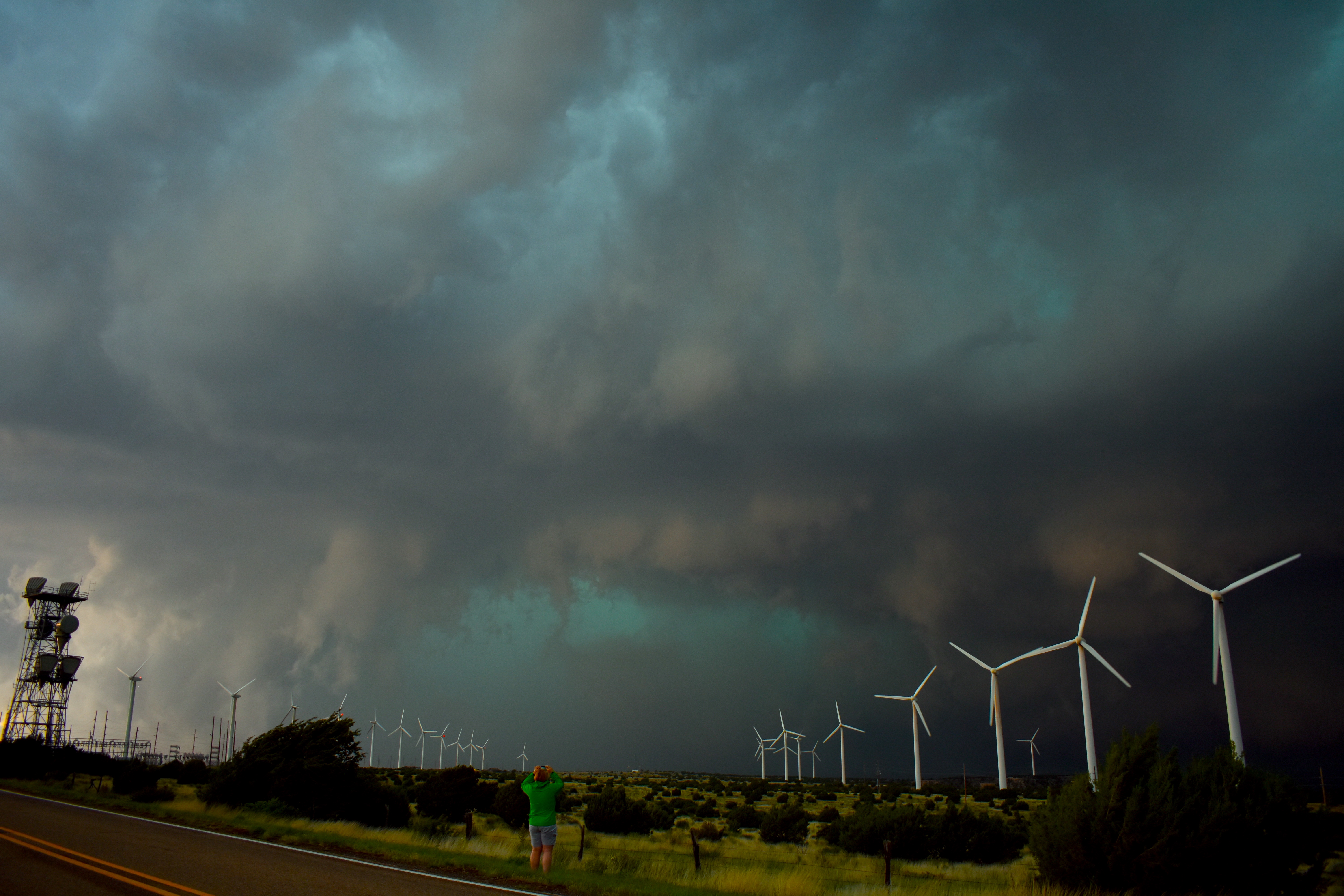
What is storm chasing?
While the answer may seem obvious, the true definition of storm chasing has evolved over the years, as more hobbyists are going out in search of tornadoes—hobbyists not all that different from Glen Powell’s Tyler Owens in Twisters.
For some, the whole point may be “trying to get as close to touching it as humanly possible without dying,” says Arnold. Others want to see the power of nature up close and snap photographs of its raw beauty.
From a scientific standpoint, storm chasers can collect important data on storms, including wind speed, direction, and precipitation. They can also help weather forecasters get on-the-ground data that even the most advanced radar might not see.
A meteorologist looking at a radar can understand that there might be a tornado in one spot or a severe thunderstorm with rotating clouds ready to spawn a tornado somewhere else. But radar coverage still isn’t perfect, nor does it tell the whole story of what’s happening on the ground. Enter storm chasers. They’re the folks, on the ground, relaying exactly what they see.
“Storm spotters [another term for chasers] are actually a very critical part of that warning piece. We can be the eyes and ears on the ground for the National Weather Service, whether you’re a meteorologist or not,” says Arnold, who has over 20 years of storm chasing experience.
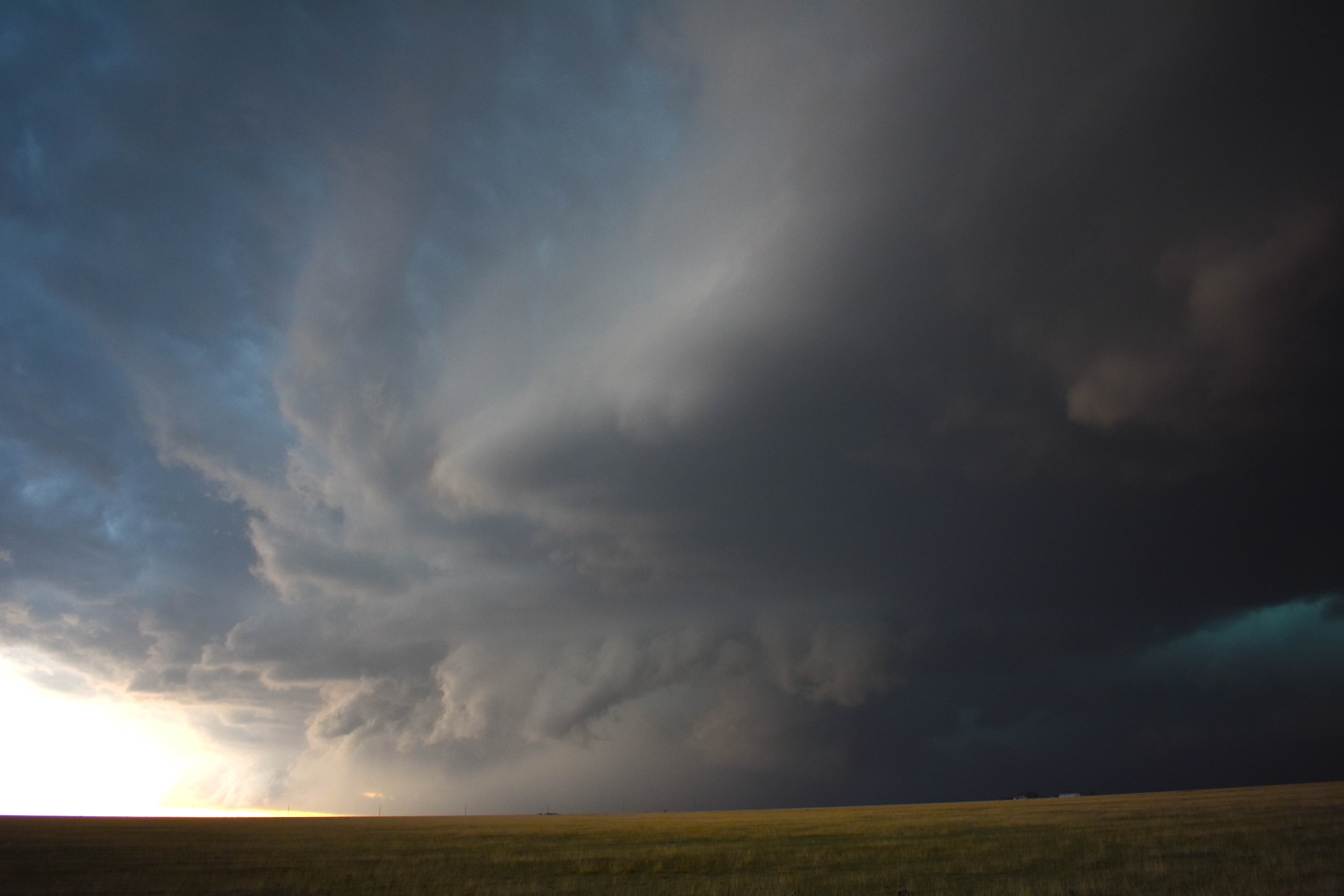
The real art of storm chasing
There is a lot of camaraderie among storm chasers and it is not as competitive as the movies make it seem. This is important, as safe storm chasing always involves sharing data and teamwork. Rival teams stealing each other’s research as depicted in Twister is more for the movie drama.
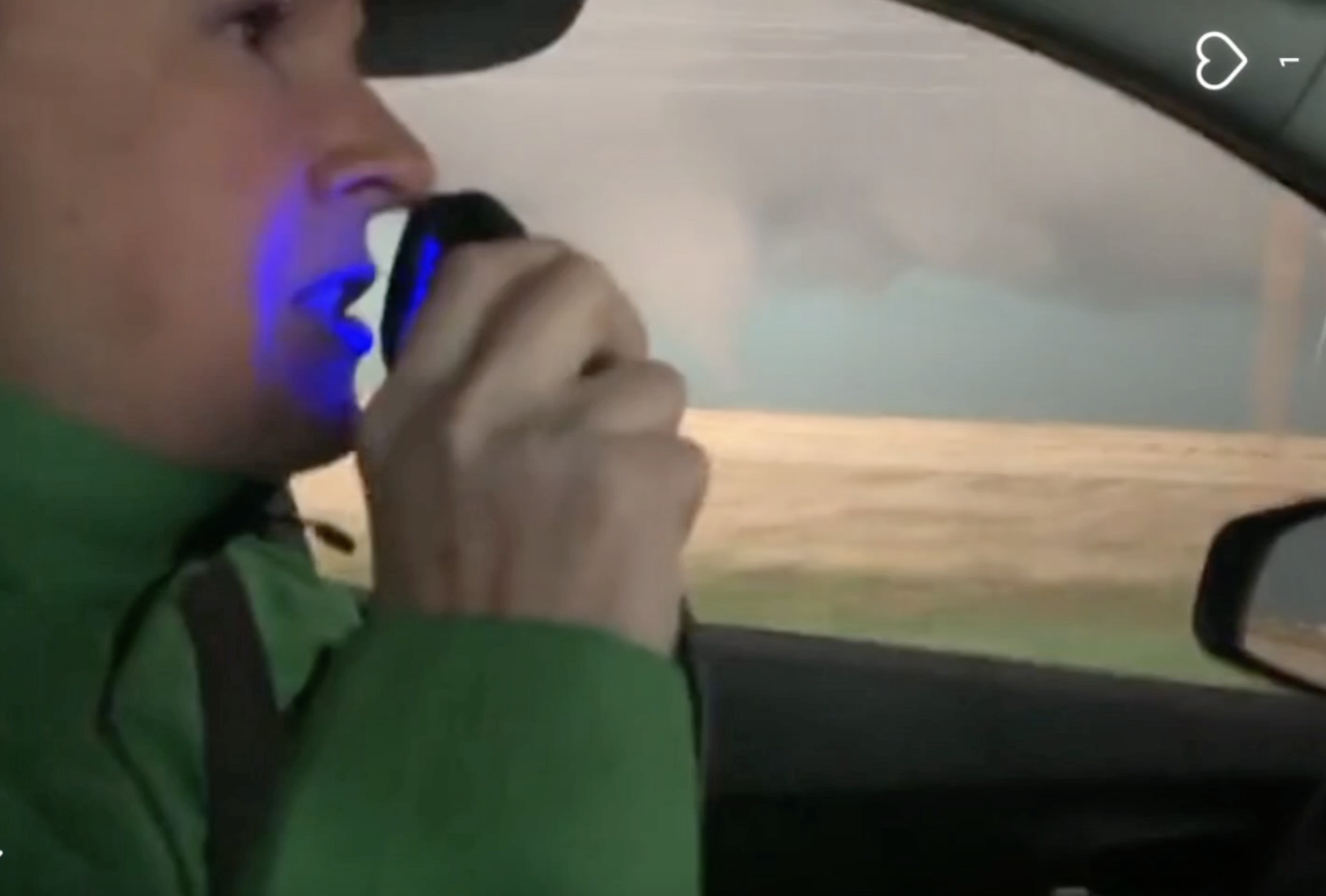
It is impossible to drive, navigate, and watch the forecast all at once. Arnold is her team’s driver, partly because she is a self-proclaimed gear head, but she also gets car sick and would have trouble looking at forecast models and GPS while the car is moving.
Once a team figures out when they are going to go out based on what forecasting models are saying, they will continue to track changes and listen to local forecasts constantly. The goal is to pinpoint exactly where the team ought to be, in order to spot a tornado. And that is no easy task, akin to finding a needle in a haystack.
“Maybe I know things are going to blow up in east Kansas, but east Kansas is a really big place,” Arnold explains. “So I need to know where I should be, down to what town I want to be [in].”
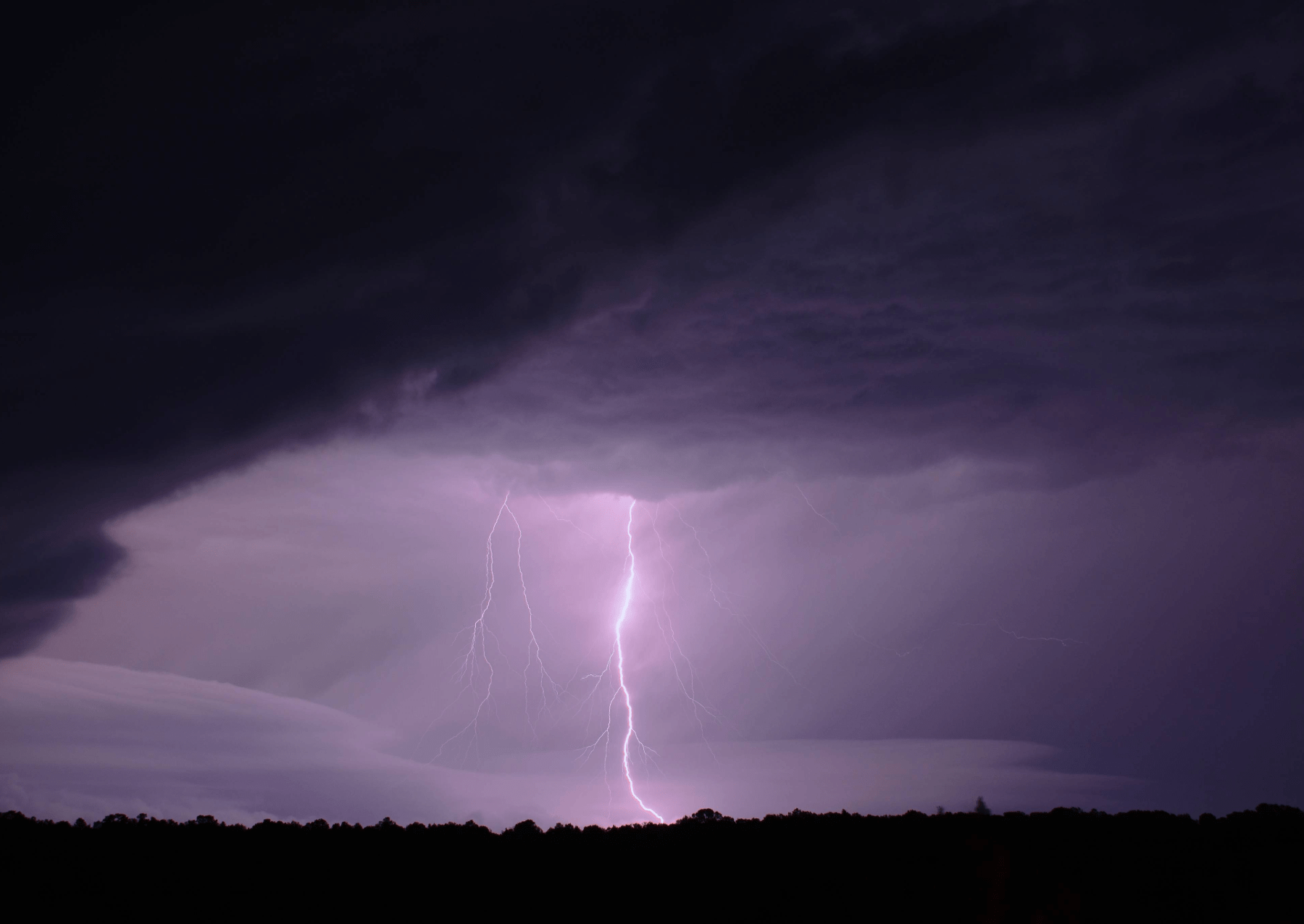
Chasers will also look at signals coming from the atmosphere, like cloud formations, that can indicate where a storm might emerge. Tornadoes typically form in cumulonimbus clouds. These massive, dense, towering clouds are associated with severe weather, including hail, heavy rain, thunder, lightning, and tornadoes
“I am looking to be downstream of storms, just slightly where they initiate,” Arnold explains. This way, she can watch how the entire storm progresses, not just the tornado.
“Where [tornadoes] initiate you get these towering cumulus clouds that start to grow and form,” she says.
Chasers must also do the “boring” yet necessary steps in advance of the storm—charge cameras and batteries, gas up the car, eat a good meal, and consider what’s on your feet when looking at the sky.
“I know this sounds like a really weird one, but you don’t go storm chasing in flip flops,” Arnold says.
The perfect storm
One of the biggest misconceptions about storm chasing is that you will see a tornado every time you go out on a chase.
“Your ratio is about one to 10. So, for every 10 storms you chase, you’ll probably find one,” Arnold explains. Since all tornadoes originate from severe thunderstorms, sometimes chasers will end up collecting data on these powerful thunderstorms. While not quite as dramatic, this can still help meteorologists improve their forecasts, as thunderstorms can lead to dangerous flooding and winds even if they don’t spawn a single tornado. Still, following a tornado is still the prize of the day.
That said, if all of the variables align and you are in the right place at the right time, it’s time to watch. For some, that means analyzing the meteorological data coming in. Others are snapping photos and keeping the team safe from any flying debris.
As the storm progresses, chasers will also look to see where it’s moving or if other storms are popping up nearby. Arnold says they’ll continue to move a few miles here and there in “very small changes, like a chessboard.”
With all of that debris and rain, it’s also crucial for navigators to get a sense of how road networks are affected.
“In places like the middle of nowhere Kansas, roads turn to the slickest, gooiest, nastiest mud you’ve ever seen and you will get stuck,” says Arnold. “So, understanding how the road conditions are changed is important for our exit strategies.”
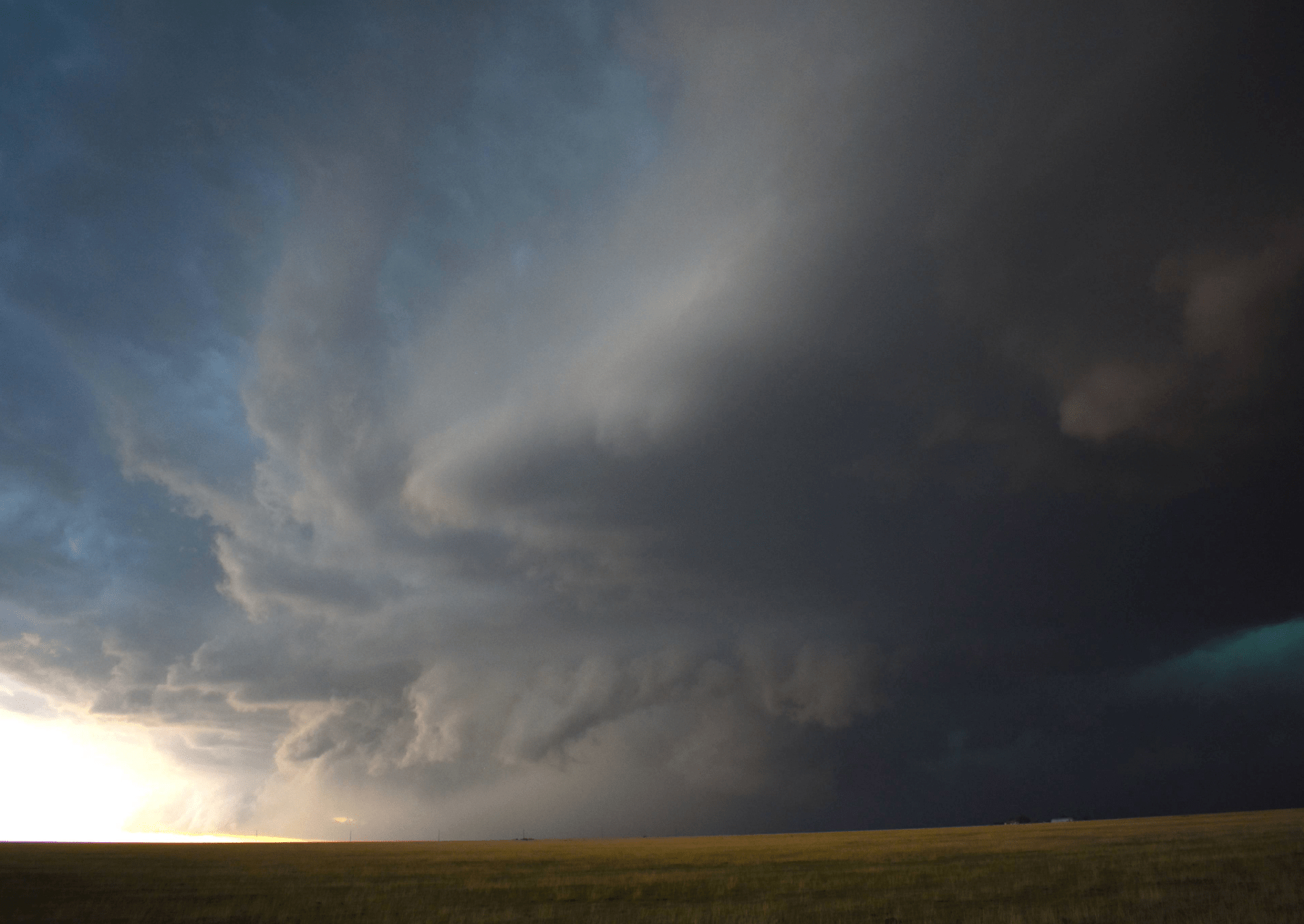
If a storm shifts direction, understanding the road conditions is critical for that exit plan. While storm paths can be unpredictable, the majority move from west to east due to the jetstream. This powerful “air river” moves storm systems from west to east across land and oceans due to how the Earth rotates around the sun.
Most of the time, simply driving south is an easy escape route if a team needs to get out of the way fast. Unlike hurricanes, which span vast areas, tornado paths are more narrow and it is easier to get out of its way.
Storm chasing is not nearly as deadly as the movies make it out to be. While the exact number is debated, only a handful of people have died while storm chasing. In 2013, storm chaser and meteorologist Tim Samaras, his storm chaser partner Carl Young, and son Paul Samaras were killed near El Reno, Oklahoma. First responders found Tim Samaras inside of his car with his seat belt still on, while Paul Samaras and Young were pulled from the car by a tornado.
No flying cows, but hail the size of DVDs
During one particularly strong storm outbreak in southwest Texas in May 2024, Cyrena and her storm chasing crew experienced a whole new category of hail during an EF3 tornado. The Enhanced Fujita (EF) scale measures a tornado’s wind speed and its related damage. An EF3 tornado, like this one Cyrena and her team were chasing, have winds between 136 and 165 miles per hour.
“We were between Midland and Odessa, and they put the largest hail warning they’ve ever had on a storm ever for DVD sized hail,” Arnold recalls. “It was the first time they had ever used that comparison and not something like ping pong, golf ball, or quarter.”
There was plenty of warning that this massive hail was coming and the team was able to get out of harm’s way. Arnold and other meteorologists tell stories like these on the podcast she runs with a team of meteorologists called The Stormfront Freaks
Still, even in the face of danger, storm chasing is a valuable public safety resource. It also gives weather geeks and hobbyists a front-row seat to the wonders of nature.
“You get out there and you feel so small. You feel so insignificant and seeing what Mother Nature is capable of is just incredible,” says Arnold.
In Ask Us Anything, Popular Science answers your most outlandish, mind-burning questions, from the everyday things you’ve always wondered to the bizarre things you never thought to ask. Have something you’ve always wanted to know? Ask us.
Related 'Ask Us Anything' Stories
