
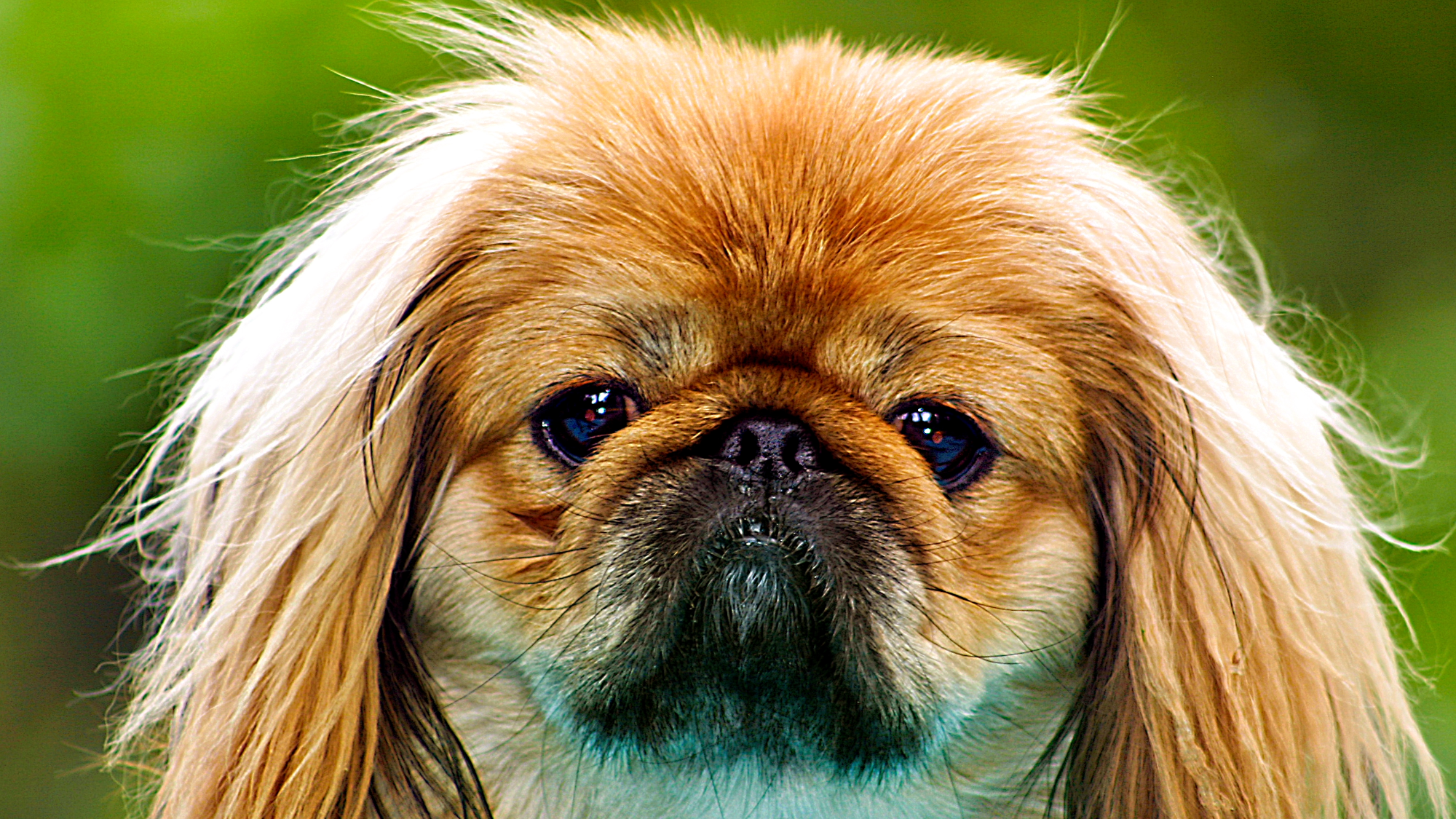
Despite their popularity, for their seemingly helpless-looking eyes and flat faces, short-skulled (or brachycephalic) dogs like the French bulldog often have serious difficulty breathing. A study published today in the journal PLOS One found that in 12 breeds, a flat face, collapsing nostrils, and rounded physique puts them at a higher risk for developing common breathing conditions. Pekingese and Japanese chins were noted to be the highest risk.
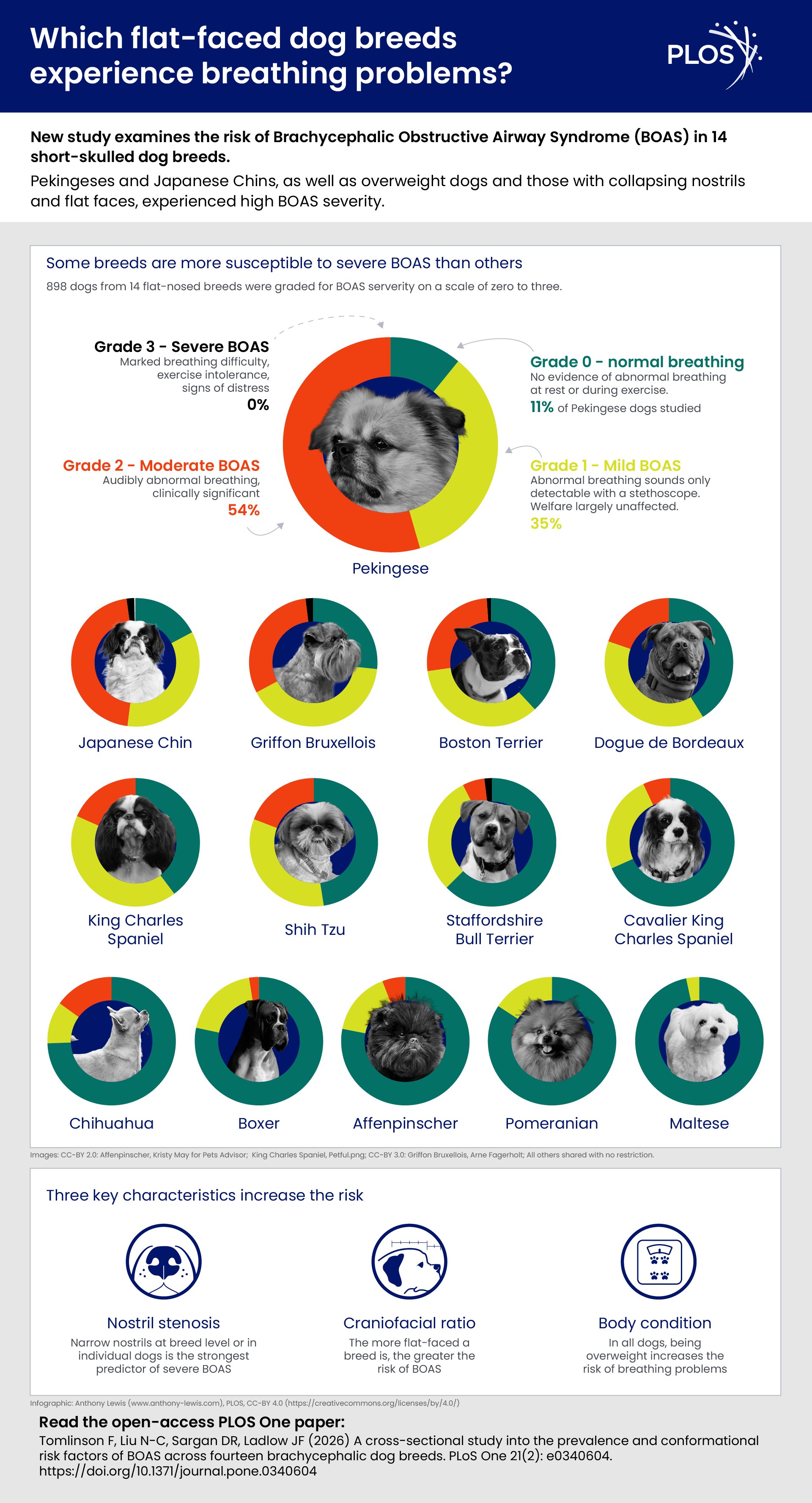
For breeds like bulldogs and pugs, their shortened skull shape can lead to a condition called Brachycephalic Obstructive Airway Syndrome (BOAS). It causes exercise intolerance, difficulty breathing, and wheezing and can lead to surgery. Pugs, French bulldogs, and bulldogs are the most well-known and studied brachycephalic breeds, but there are several other dog breeds that could face these same issues.
“BOAS exists on a spectrum. Some dogs are only mildly affected, but for those at the more severe end, it can significantly reduce quality of life and become a serious welfare issue,” Dr. Fran Tomlinson, a study co-author for the University of Cambridge Veterinary School, said in a statement. “While surgery, weight management and other interventions can help affected dogs to some degree, BOAS is hereditary, and there is still much to learn about how we can reduce the risk in future generations.”
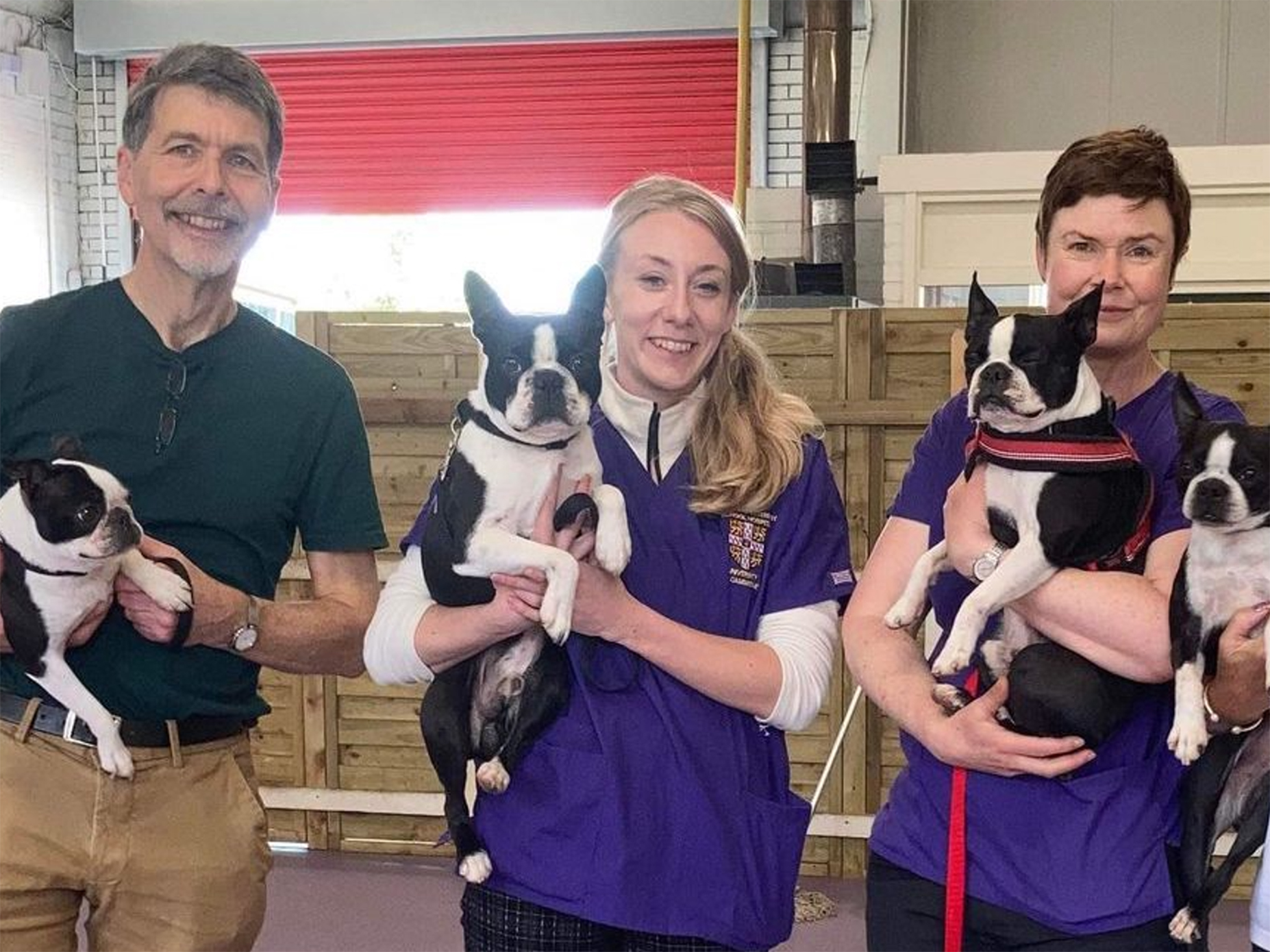
To better understand what characteristics predict BOAS, the team collected data from 898 dogs representing 14 different breeds, including boxers, King Charles spaniels, Chihuahuas, and Pekingese. They measured the animals’ skulls and noses, bodies and necks, and checked them for symptoms of BOAS.
They graded the dogs for BOAS on a scale from zero to three—zero indicating few symptoms and three meaning the dog had difficulty exercising and getting enough air. The team then compared the 14 breeds to pugs, French bulldogs, and bulldogs.
Pekingese had a rate of BOAS similar to bulldogs, with only 11 percent of pekingese dogs breathing freely. The Japanese chin also fared poorly, with only 17.4 percent free of symptoms. The King Charles spaniel, shih tzu and Boston terrier had between 25 and 50 percent of dogs at grade zero. The Cavalier King Charles spaniel, Pomeranian, boxer, and Chihuahua fared best, with between 50 and 75 percent of dogs at grade zero.
The two breeds at a high risk for BOAS—the Pekingese and Japanese chin—had high rates of nostril narrowing, with about 6 percent and 18 percent of dogs respectively having open nostrils.
According to the team, this shows that BOAS varies widely amongst brachycephalic breeds. Understanding the differences and pinpointing key risk factors could help scientists develop more targeted and effective strategies to help dogs at risk.
“This research would not have been possible without the support of dedicated owners and breeders who volunteered their dogs to take part,” the authors add. “Their enthusiasm and willingness to engage with health testing highlights how much people care about improving breed health.”
