The U.S. military spends a good deal of money and energy on delivery systems--capabilities that allow U.S. forces to move assets to where they are needed around the globe as quickly as possible. But for the Navy, whose area of operation is the entirety of the world’s oceans, DARPA is taking a different tack. Rather than trying to truck assets to where they need to be during a crisis, why not just plant them on the seafloor and activate them when you need them?
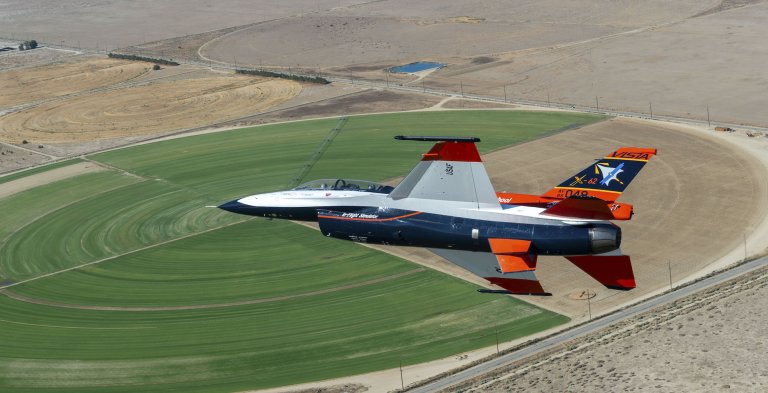
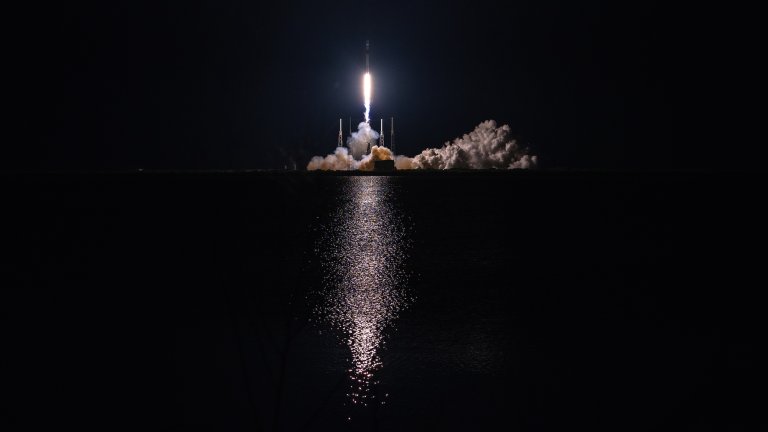
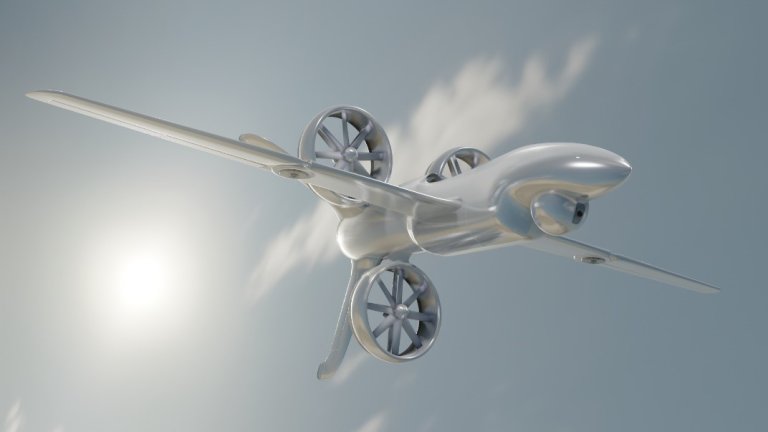
This is the driving idea behind DARPA’s Upward Falling Payloads (UFP) program, which seeks to create technologies that would allow the Navy to leave unmanned systems and other distributed technologies hidden in the ocean depths for years on end and deploy them remotely at the push of a button when the need arises. Think: unmanned aircraft that travel to the surface and launch into the sky to provide reconnaissance or to disrupt or spoof enemy defenses, or perhaps submersible or surface sub-hunters that launch from the seafloor during times of heightened alert in a particular maritime theater.
The challenges, of course, are many (otherwise we’d already be doing this). DARPA is looking for technology proposals that can help address key issues mainly in the areas of long-term submersible survivability, deep underwater communications, and the “risers”--the vehicles that would contain the payloads and deliver them to the surface on demand. It’s also looking for technical expertise for the payloads themselves, which could be anything from remote sensing platforms to electronic warfare and networking.What DARPA doesn’t need is weapons platforms, and rightly so. DARPA envisions the Navy leaving its Upward Falling technologies submerged in waters far from an actual fleet and (presumably) in areas where geopolitical hostility is at least possible if not probable. So it wants technologies that the Navy can feasibly lose without risk. After all, retrieval of unused systems would be difficult, and you certainly don’t want to leave anything on a faraway seafloor that would endanger American operations if the enemy were able to locate and retrieve it. Therefore UFP is decidedly not a weapons program, even though an armed warbot emerging unexpectedly from the icy depths would most certainly drive fear into even the most formidable enemy navy.
[DARPA]
140 years of Popular Science at your fingertips.
Each issue has been completely reimagined for your iPad. See our amazing new vision for magazines that goes far beyond the printed page
Stay up to date on the latest news of the future of science and technology from your iPhone or Android phone with full articles, images and offline viewing
Featuring every article from the magazine and website, plus links from around the Web. Also see our PopSci DIY feed
Engineers are racing to build robots that can take the place of rescuers. That story, plus a city that storms can't break and how having fun could lead to breakthrough science.
Also! A leech detective, the solution to America's train-crash problems, the world's fastest baby carriage, and more.


Online Content Director: Suzanne LaBarre | Email
Senior Editor: Paul Adams | Email
Associate Editor: Dan Nosowitz | Email
Contributing Writers:
Clay Dillow | Email
Rebecca Boyle | Email
Colin Lecher | Email
Emily Elert | Email
Intern:
Shaunacy Ferro | Email
"...This is the driving idea behind DARPA’s Upward Falling Payloads (UFP) program, which seeks to create technologies that would allow the Navy to leave unmanned systems and other distributed technologies hidden in the ocean depths for years on end and deploy them remotely at the push of a button when the need arises..."
Then in the future, as all countries become more technology advance, a super futuristic takeover of these drones happens or a virus takes control which causes them to attack their creators or just lose control from the source and run amuck, attacking everything!
This is a perfect setup for "Terminator type future", not good.
@Robot
I think the idea is to leave munitions and supplies at the bottom, not to leave attack drones...
hide the technology when it comes out...the chinese would love these...they can use this in the southeast asia region...lol
@ AnonymousAce; No, I think Robot's concern is very valid, and it says specifically that they do indeed want drone capabilities from this. The days of activities limited to listening to each other are over, and MAD ass-covering technologies are proliferating as we speak. Coastal defenses and problem area event intervention are going to be more important.
Ooh. I thought up one helluva sneaky good one that would fill these requirements, and go DARPA one big benefit better.