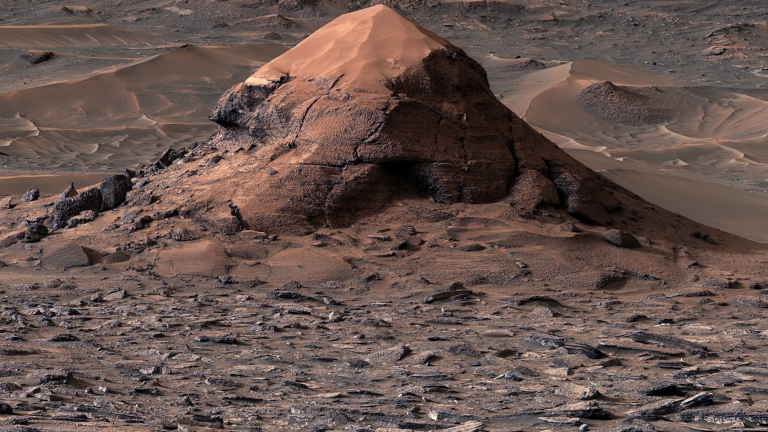
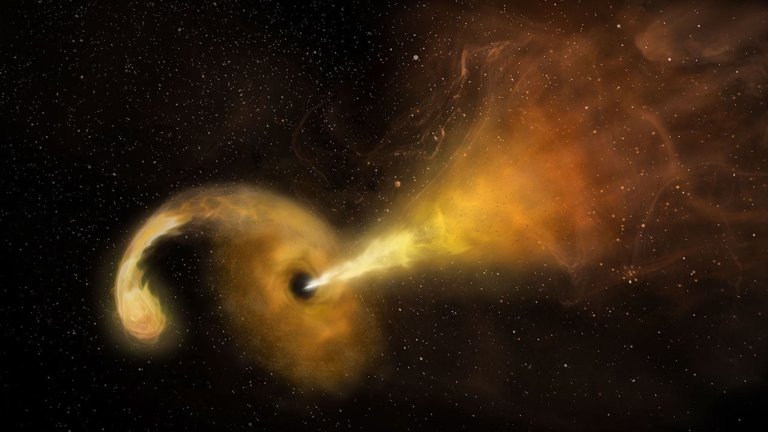
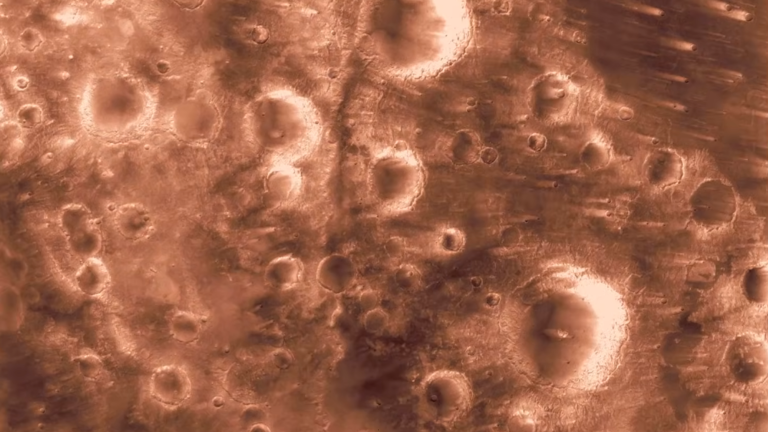
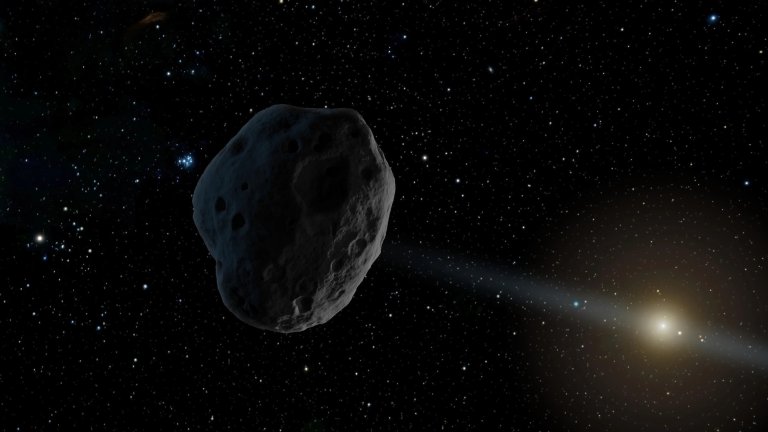
To get into space, we have to practice at home. That's the idea behind NASA's Earth Analogs program, which tests people, ideas and technology at a variety of inhospitable places around the world. Finding places on Earth with physical similarities to space sites isn't easy - but the space agency has located desert, volcanic, arctic, lake and ocean locations for testing all manner of things.

140 years of Popular Science at your fingertips.
Each issue has been completely reimagined for your iPad. See our amazing new vision for magazines that goes far beyond the printed page
Stay up to date on the latest news of the future of science and technology from your iPhone or Android phone with full articles, images and offline viewing
Featuring every article from the magazine and website, plus links from around the Web. Also see our PopSci DIY feed
The 6th annual Invention Awards are here, from an inflatable tourniquet to a better lobster trap to spring-loaded hocket skates. This issue is all about the celebration of invention.
Plus: Making synthetic biology breakthroughs in a garage, building a constantly-moving ping-pong table, and a ridiculously overpowered barbecue.
Awesome, but this cannot compare to what is here: www,uncoverthebest.com
Why didnt you name the article the 6 places in america that most resemble other planets. Clearly the rest of the world doesnt exist to you!
And how many planets have we actually stood on to even make this comparison? Yeah...
If our own world really seems that 'alien,' perhaps it's time we all get out more.
Fyrehed,
I very much admire the blunt honest of your comment, thank you.
We can use scientific data of distant observation and fantasize in preparation and yes dreams of what other worlds are like, but we humans are still children, babes in the great cosmic heavens!
......................
SPOOKY!...... Life is
wow.
I hiked down into the crater of Haleakala on the Island of Maui. It's very "un-earthly." Try googling "Haleakala photos" to see what I mean.