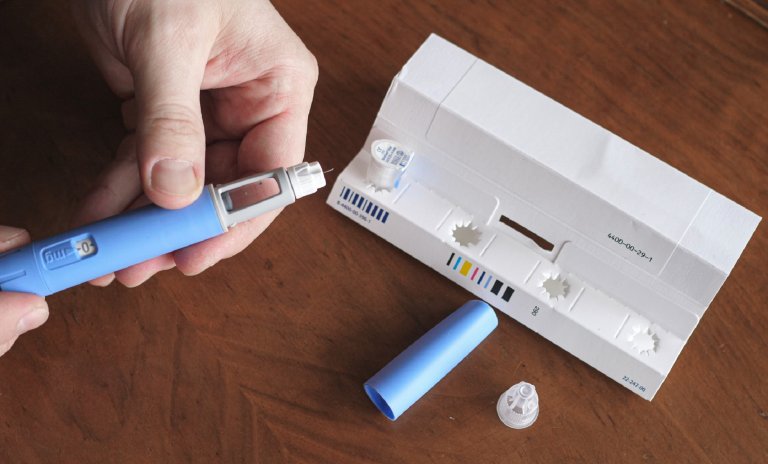
In 1922, Canadian scientists isolated insulin for the first time. Now, over 80 years later, our neighbors to the north are helping diabetics again by devising the cheapest way yet to produce insulin. This advance could significantly reduce the expense of treating the disease, which currently costs the US $132 billion dollars a year.
To create the cheap "prairie insulin," scientists at the University of Calgary genetically engineered the human gene for insulin into the common plant safflower. Once the gene activates, the flower begins producing insulin faster than traditional methods that utilize pigs, cows, yeast, or bacteria.
This is the first instance of a plant producing the insulin, and it does so prolifically, to the tune of 2.2 pounds of insulin per acre of flowers. At that rate, 25 square miles of safflower could produce enough insulin for the world's entire diabetic population.
[CTV News]
The incredible innovations, like drone swarms and perpetual flight, bringing aviation into the world of tomorrow. Plus: today's greatest sci-fi writers predict the future, the science behind the summer's biggest blockbusters, a Doctor Who-themed DIY 'bot, the organs you can do without, and much more.


Online Content Director: Suzanne LaBarre | Email
Senior Editor: Paul Adams | Email
Associate Editor: Dan Nosowitz | Email
Assistant Editor: Colin Lecher | Email
Assistant Editor: Rose Pastore | Email
Contributing Writers:
Kelsey D. Atherton | Email
Francie Diep | Email
Shaunacy Ferro | Email
hot shit!
I despise the ignorance in the statement:
"ar, you know, you could just lay off the junk food and exercise every once in a while."
I am a type I diabetic who was diagnosed at the age of 3 when I was healthy and exercised as much as a young child could. I am an insulin dependent diabetic, who's diabetes (a genetic disease) onset was no result of my own actions or unhealthy living.
Keep your unintelligent opinions out of the articles and report the facts.
Leave it to Canada to lead the way in another area of medicine. Maybe ddiabetics will be able to buy it on-line just like the other drugs from Canada which are 1/2 or less than the price here.
Yeah, there's quite a bit of that going on at popsci(dot)com, and it's driven away some of the more intelligent commenters. Bloggers =/= scientists.
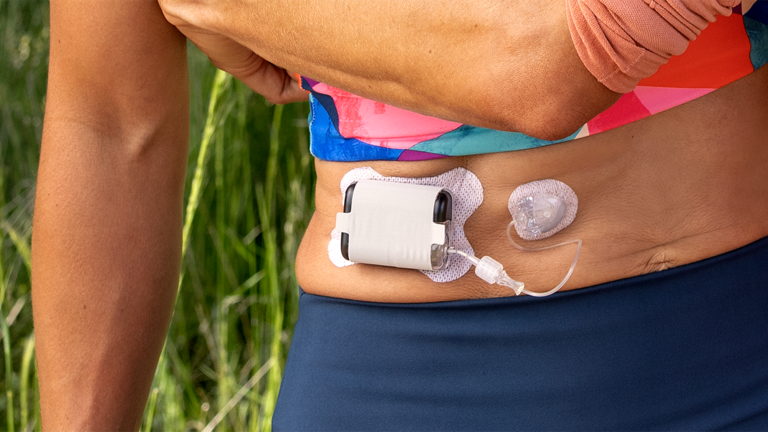
Wow, I'm not one to become offended easily, but the junk food and exercise comment comment certainly gave me pause. I agree with oohoo that it was inappropriate. People with type I can exercise and eat healthy all we want but we still need insulin. I'm 6', 170lbs, 15% body fat jog every other day, play soccer twice a week and still require an insulin pump.
Now that that's out of the way, I'm excited about this development. Should bring down our costs considerably.
If you think that the drug companies are going to let this speed through approval and cut into thier profits then I have a seaside resort I want to sell you...in North Dakota.
Next they put it in sugar beats and and get 2.2 pounds per plant.
LoL at least the article didn't read "ar, you know, you could just let defective people die a slow and wasting manner to cleanse the gene pool" That would have been so much more sensitive.
@oohoo @Mikhailian @mgab32 We agree fully. We're still scratching our heads as to how that line got in this post--a bug in our publishing system may have made it viewable to a very small number of readers for a short time, but from our end, it was not in the published version. We sincerely apologize for the misunderstanding and for the harm such a statement can cause. Thank you for bringing it to our attention.
The remark came through on my RSS feed. I found it very offensive and I'm glad to see that it was removed and that you've apologized for it. However, the remark wasn't due to a bug. Someone typed it. Perhaps you've been hacked or perhaps one of your employees needs some sensitivity training (at a minimum).
Again, we apologize sincerely for the mistake. Closing comments on this post so as not to get too far derailed from what we can all clearly agree is excellent news in the world of diabetes research.