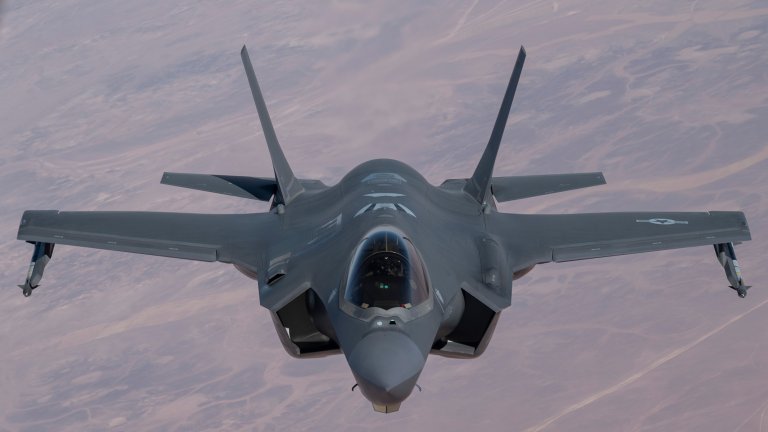
A proposal to transform the F-22 Raptor into a high-altitude, first-strike bomber illustrates a harsh reality: The U.S. bombing fleet is ill-prepared to fight wars in regions that are short on friendly nations willing to lend air bases.

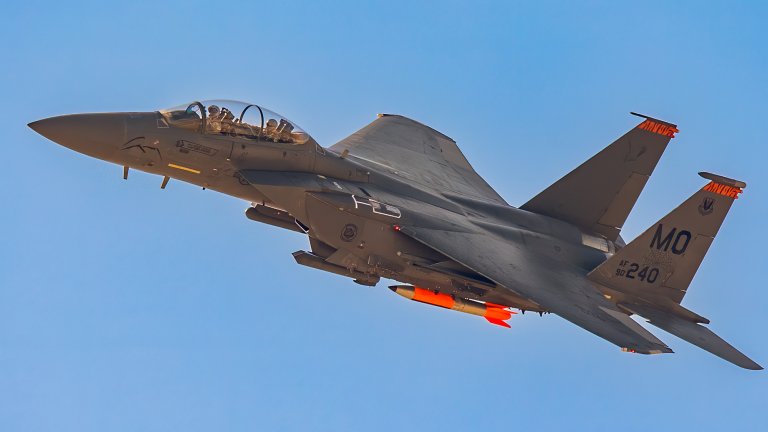
Air Force Chief of Staff Gen. John P. Jumper is enthusiastic about the idea of putting bombs on the normally missile-bearing F-22-a measure that could be considered an interim move toward the FB-22. When the U.S. Army "talks about putting capabilities deep behind enemy lines, this is the thing that will be able to come in at Mach 1.5 to 1.7 to deal with any trouble that they might run into," Jumper says of the F-22, which is scheduled to debut with the Air Force in 2005. "This will be the airplane that nothing can touch. This is transformational."


But there are signs of controversy within the Air Force over the notion of morphing the F-22 for a new mission. Air Force Secretary James G. Roche has taken a serious interest in the plane, but others, including Chief of Staff Jumper, are far from sold. These skeptics suggest the FB-22 offers little that's new, because the F-22 itself can carry Small Diameter Bombs (albeit not as many), and its range could be augmented by aerial refueling. This view is unlikely to sway Roche, who already frets publicly about the Air Force's dependence on aging tanker planes, but the debate itself is telling. The atmosphere within U.S. military circles these days is tense. Faced with unprecedented new threats, officials know they must adjust their strategies and tools. Whether or not it's ever built, the FB-22 offers insight into the changing nature of warfare and the need for relatively quick (in weapons-development terms) and economical responses.


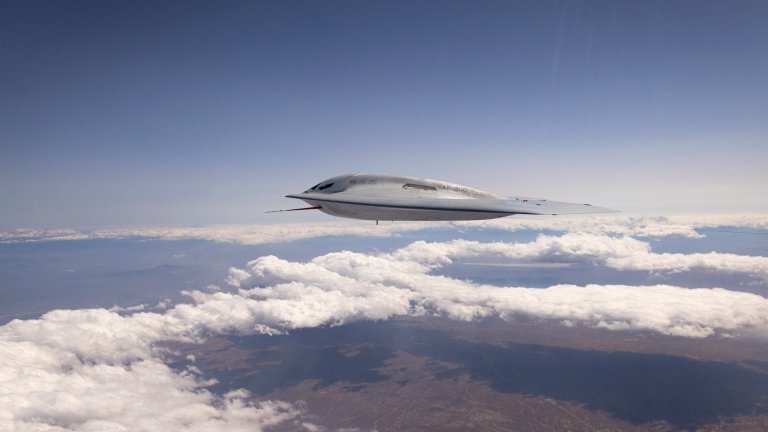
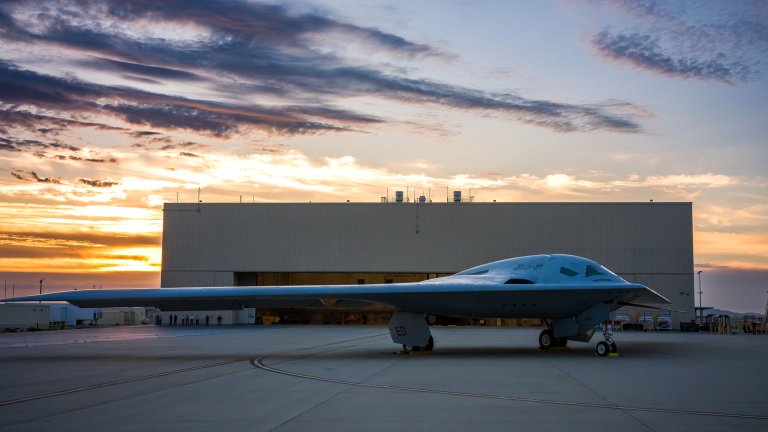
The design of the FB-22 is still hush-hush-Lockheed Martin considers it "proprietary" and has not released any artists' concepts-and as the company responds to shifting military priorities, the details are bound to change. Still, Lockheed officials have said enough to make it possible to make some broad predictions about the proposed plane. For starters, the FB-22 would have a triangular "delta" wing instead of the F-22's more standard ones. The delta wing would be larger-a necessary modification because bombers must be capable of striking ground targets wherever those targets happen to be, and so they must have significant range. To fly farther, the FB-22 needs to carry more fuel, and wings are the best place to store it. Delta wings are long from front to back and so can be much deeper; they also have a larger area, so their volume is greater. The FB-22 would carry as much as 80 percent more fuel than the F-22.


In addition, the FB-22's body would be about 10 feet longer than that of the F-22, making room for a larger weapons bay. The new plane would use this space to store two dozen Small Diameter Bombs for ground attacks (though the plane would probably also carry a couple of missiles for self-defense in case of attack by another plane). The FB-22 would also likely dispense with the F-22's twin horizontal stabilizers and vertical tails, which means that despite its stretched body, the plane's overall length wouldn't be much different from the F-22's.


Rather than adopting the F-22's Pratt & Whitney F119 engines, the FB-22 is likely to have either the new F135, which was developed from the F119 to power the new F-35 Joint Strike Fighter, or the rival General Electric F136. Regardless, the new engines will be more powerful, more efficient, and cheaper. And, combined with the proposed design changes, they would enable the FB-22 to travel more than 2,000 miles-twice the range of the F-22-finalizing the new airplane's transformation from fighter to bomber. "It's very different," says FB-22 program manager Bob Rearden.


single page

0 Comments


June 2013: American Energy Independence

Five amazing, clean technologies that will set us free, in this month's energy-focused issue. Also: how to build a better bomb detector, the robotic toys that are raising your children, a human catapult, the world's smallest arcade, and much more.


Online Content Director: Suzanne LaBarre | Email
Senior Editor: Paul Adams | Email
Associate Editor: Dan Nosowitz | Email
Assistant Editor: Colin Lecher | Email
Assistant Editor: Rose Pastore | Email

Contributing Writers:
Rebecca Boyle | Email
Kelsey D. Atherton | Email
Francie Diep | Email
Shaunacy Ferro | Email

circ-top-header.gif
circ-cover.gif
bmxmag-ps