Drone aircraft could become the air mules of tomorrow for the military

Drone Delivery Imagine this cargo plane without pilots, and you get an idea of what the U.S. Air Force wants U.S. Air Force

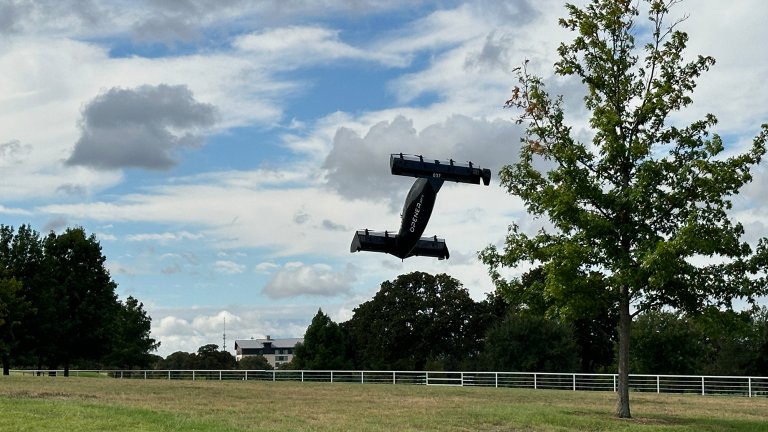
Drones already rule much of the skies over modern day battlefields, and could someday begin ferrying cargo to forward bases and troops. The U.S. Air Force put out a call this week for a fully autonomous unmanned air vehicle that can deliver cargo within a combat radius of 500 nautical miles.

Such a drone must have vertical or short takeoff and landing capability of 300 feet, and also have the ability to fly at airspeeds of 290 mph or more. The Air Force wish list for optional features includes: air-launched glide capability, powered capability, ship-based/recoverable capability, and the ability to land on all sorts of rough surfaces or water. A "reusable" and "inexpensive" air vehicle would be nice, too.

The official query marks yet another step toward the robot-filled battlefield of tomorrow, or at least a battlefield well-supplied by robots. That should help humans avoid hazardous combat supply missions under enemy fire, although someone might want to be on hand in case any drones get confused about their mission orders.

Aviation Weekly calls a drone cargo carrier the next "killer app" for unmanned aircraft. The military probably agrees: the U.S. Marine Corps has already picked helicopter prototypes from Boeing and Lockheed Martin/Kaman for unmanned cargo demonstrations and early deployment to Afghanistan.

Get ready to see more hard concepts emerge when the Air Mobility Command hosts its "Unmanned Cargo Aircraft Day" on November 17 at Scott Air Force Base in Illinois. Between that and the recent Robotics Rodeo hosted by the U.S. Army, robot makers seem set for a very happy holiday season.

[via Aviation Weekly]

Want to read more articles on the military, aviation, and space? Subscribe to Popular Science and enter to win $5,000!

9 Comments

this is a really good idea. this idea will diffidently decrease the death in hot combat zones
-3D-

Sounds like a missile with a parachute and some floaters to me. How much cargo will it have to haul?

Good for delievering:

1) Supplies to entrenched troops in remote locations.
2) Delievering smaller tacticle drones (increaing range of lesser drones).
3) Delievery of massive ordinances (bombing)

Fill this thing up with Big Dogs and have it land in the middle of a fight releasing the Big Dogs who can travel in various directions to different squads. Sounds like a good plan, but there is an even safer way to fight a war without putting our troops in hazardous conditions. Just ask Japan.

this totally needs to go commercial.

Kudos to the Corps for picking the U.S. company for it's U.S. Defense contract, if I had the cash to spare I'd buy a Marine a beer just for that. Apparently the Air Force has all the jobs and money their family will ever need already.

so why haven't they created this yet? This is perfect for delivering health aids for hurt soldiers in strong combat zones.

so why haven't they created this yet? This is perfect for delivering health aids for hurt soldiers in strong combat zones.

Just what the military needs. More parameters to make warfare more convenient. Roboticize every aspect so that we don't have to worry about fighting wars ourselves. We'll just assign individuals to be casualties of war and send them in droves to die as unfortunate victims of computerized warfare. Who cares about trying to deter warfare through the blunt nature of real violence, loss of life and the emotional and psychological ramifications of the people affected by war. Let's just make warfare more convenient. That way we don't ever have to worry about trying to get along with anyone.

But since few people have seen that episode of Star Trek, I guess Sci-fi can no longer teach the vastly growing generation of the dense, whom are so fascinated by flashy images of roboticized gadgets.

But, this is about saving lives in warfare (isn't any intelligent person seeing this huge contradiction). We need technology like this to protect people. We should commercialize it so that people don't have to worry about trusting a flawed pilot. Instead we can trust a machine programmed by a flawed scientist.

Then we should create more supplements like cars that drive themselves, Robots that do our laundry, clean our houses, cook our dinner, fetch our mail, shop for our groceries, and bathe us. This technology along with our already near perfect PCs and 3G devices will allow us to give up on this fallacy called the human experience. Why live life actively when technology can do it for us.

"Welcome! to the Federation Starship SS Buttcrack!!!"


Download Our iPhone App

Stay up to date on the latest news of the future of science and technology from your iPhone with full articles, images and offline viewing


Follow Us On Twitter

Featuring every article from the magazine and website, plus links from around the Web. Also see our PopSci DIY feed


Become a Fan On Facebook

Share links with friends, comment on stories and more


December 2009: Best of What's New

In our December issue, Popular Science names the 100 best innovations of the year: bombproof wallpaper, self-parking cars, the fastest helicopter, and 97 more. Plus inventor profiles and videos.

Check out the best of what's new here.

Popular Science Photo Pool


Share your photos in the Pop Sci pool at www.flickr.com!
tags_sprite.png
POP_embeddedForm_cover_May09.jpg