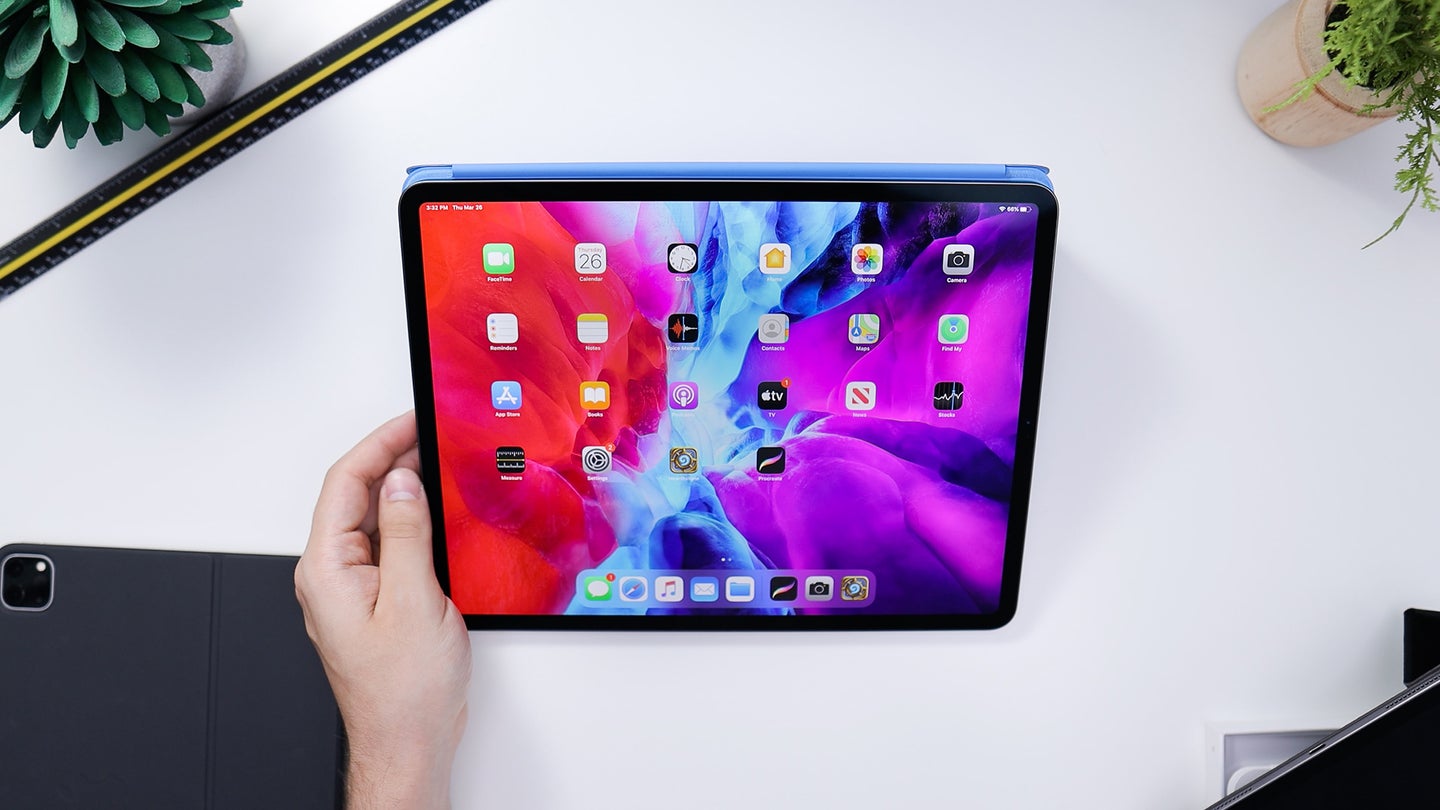
The best tablets of 2023
Choose the right tablet for your creating, consuming, and communicating needs.
| Best for drawing |
|
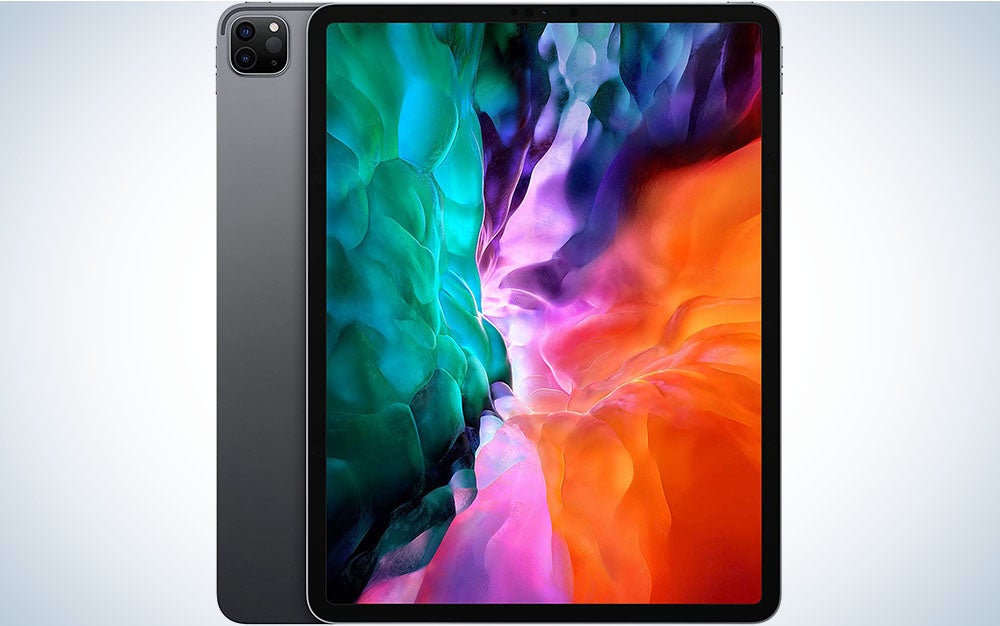
Apple iPad Pro 12.9 inch (5th Generation) | SEE IT |
Go big with this large liquid retina display that allows you to draw and create in stunning detail. |
|
| Best Android |
|
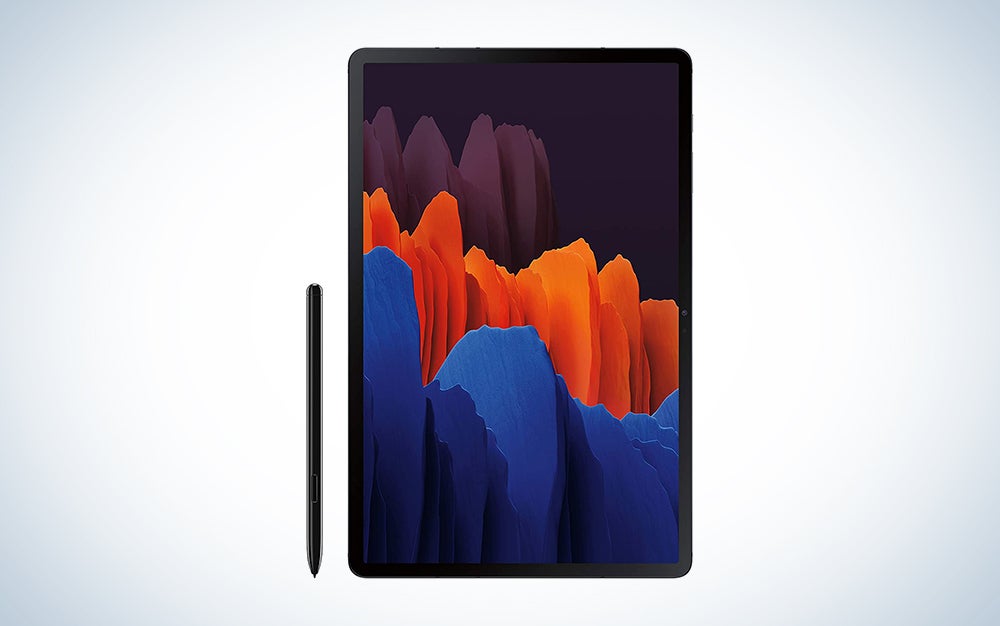
Samsung Galaxy Tab S7+ | SEE IT |
Get all the performance power of a PC in the compact size of a tablet. |
|
| Best budget |
|
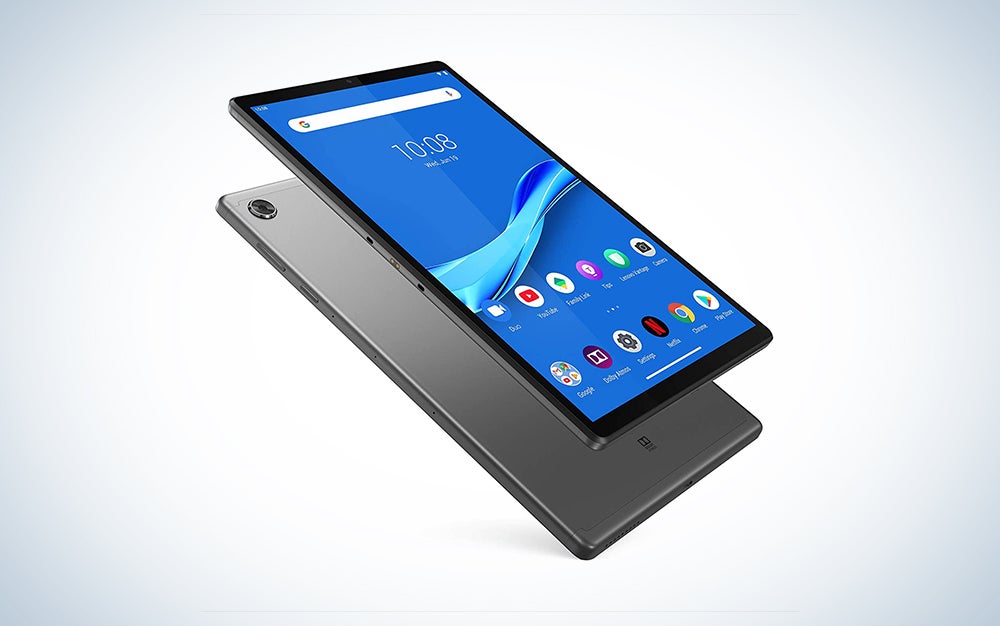
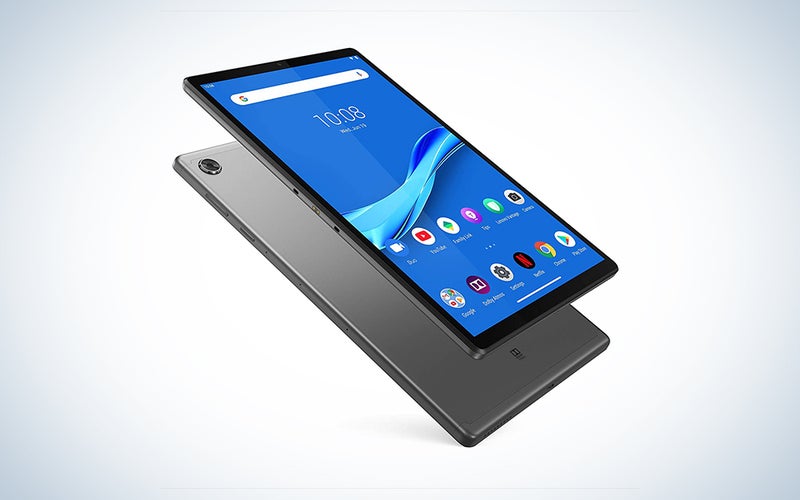
Lenovo Smart Tab M10 Plus (2nd Gen) | SEE IT |
Use all the power with this Octa-Core processor, at a fraction of the cost of comparable tablets. |
We may earn revenue from the products available on this page and participate in affiliate programs. Learn more ›
Tablets have come a long way in the last decade. While portable touchscreen devices have been prototyped and produced since the 1970s, and they even enjoyed the spotlight when Type-A personalities made the PalmPilot the handheld PC du jour in the late ’90s, the tablet computer really caught on in 2010 with the introduction of the iPad. Sure, Android was there first, but Apple defined the category, and in the years since these devices have transitioned from screens just powerful enough to play movies to laptop alternatives with the potential to edit 4K video. That doesn’t make an iPad the best tablet for everyone, however. With varying sizes, operating systems, storage, and connectivity options, the right tablet can offer you as much access or ease as you like once you identify your priorities.
- Best overall: Apple iPad Air (5th Generation)
- Best for drawing: Apple iPad Pro 12.9 inch (4th Generation)
- Best Android: Samsung Galaxy Tab S7+
- Best for toddlers: Amazon Fire HD 10 Kids Edition
- Best budget: Lenovo Smart Tab M10 Plus (2nd Gen)
Best tablets: Reviews & Recommendations
Let’s be honest, “iPad” hasn’t quite reached the level of Kleenex or Band-Aids when it comes to a brand name becoming the generic term for a product…but of all the tablets it’s the closest. There are folks, especially those who already have an iPhone and/or a MacBook, who believe tablet and iPad are already, exclusively synonymous. And iOS is undoubtedly accessible and app rich, able to cater to casual or corporate needs. So, if you’re looking for specific use cases (the best tablet for professional artists, Android users or young children, etc.), skip to the next section. Otherwise, here’s our pick for the best tablet for most users.
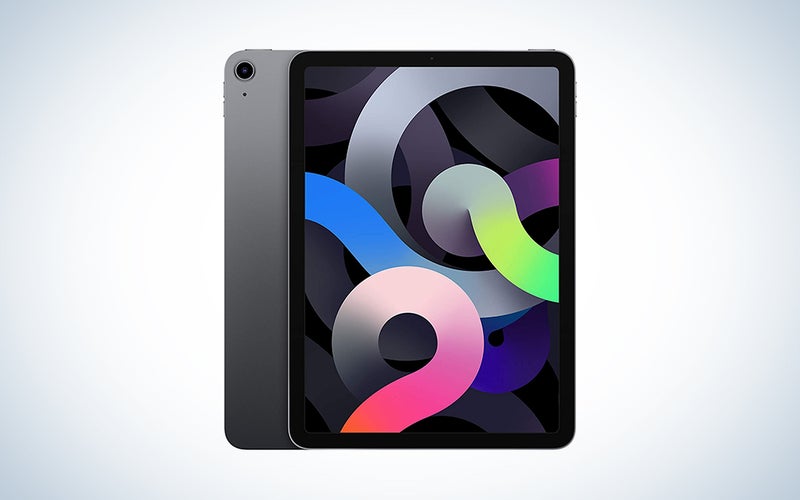
Best overall: Apple iPad Air (5th Generation)
Amazon
Why it made the cut: It strikes the ideal balance of power, price, and excellent design to appeal to most people.
Specs:
- Screen size: 10,9 inches
- Screen resolution: 1536 x 2048
- Stylus: Optional Apple Pencil not included
Pros:
- Beautiful, high-res screen
- Great stylus support
- Powerful
- Lots of accessory options
Cons:
- Expensive
The 2022 iPad Air packs flagship features into a more affordable package and is the best tablet for the money. A model honed to overperform, the iPad Air’s 10.9-inch Liquid Retina P3 HDR screen has the thin bezels and anti-reflective display of its bigger, more expensive sibling, as well as support for the Magic Keyboard and second-generation Apple Pencil (each sold separately, but the best combo for note-taking). Combine that with the M1, WiFi 6 chipset, and a 12-megapixel front camera—as well as the most active app development community for tablets—and you’ve got the best work-from-anywhere or game-on-the-go platform. A fingerprint scanner in the power button adds the convenience of unlocking the tablet without having to expose your face.
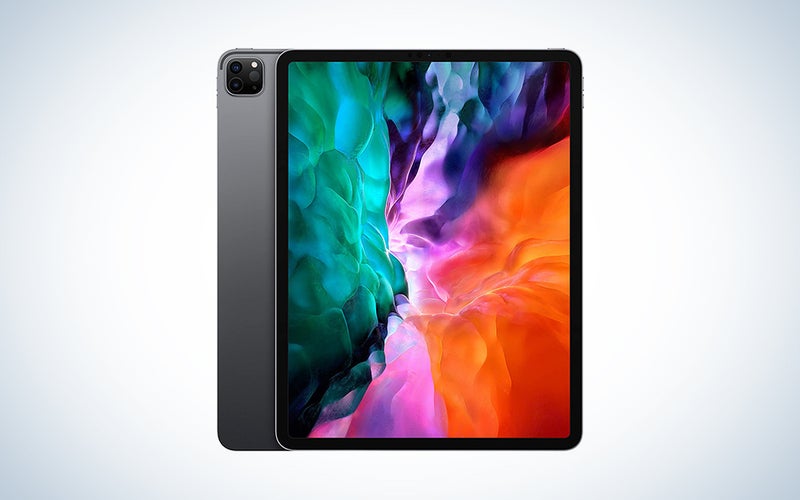
Best for drawing: Apple iPad Pro 12.9 inch
Amazon
Why it made the cut: It has a huge screen, tons of features, and heaps of processing power to claim the crown as the champ.
Specs:
- Screen size: 12.9 inches
- Screen resolution: 2048×2732
- Stylus: Apple Pencil not included
Pros:
- More power than you’ll need
- Absurdly beautiful screen
- 120 Hz refresh rate for smooth scrolling
- Great design
Cons:
- Expensive
- Overkill for many users
What’s the most important component of the best tablet? For artists, it is a highly sensitive, touch-responsive screen that delivers the widest array of colors. For that reason, Apple wins another category, getting the top pick when it comes to the best tablet for drawing and creatives. The iPad Air and iPad Pro’s laminated displays are bright (at 500 and 600 nits, respectively), as well as vivid, registering 102 or 123 percent of the sRGB color gamut, depending on the model. With support for Adobe Photoshop, Illustrator, and Premiere Rush, etc., as well as powerful, intuitive apps such as Procreate, the iPad can handle any medium. So, which one is the best iPad for drawing?
The iPad Air is conveniently sized without making major compromises, but if you’re a serious graphic designer with money looking for the best drawing tablet, you’ll want to spring for the 12.9-inch iPad Pro. Paying the premium gets you additional processor cores, an ultrawide camera, as well as more screen real estate with ProMotion technology for increased 120Hz refresh rates, fluid motion, and the smoothest stylus response, making it the very best iPad for drawing or as a laptop replacement.
It is important, however, to acknowledge the lack of true multitasking in iPadOS, so if you’re as much a business user as an illustrator and you’re looking to run a video chat while simultaneously sketching or editing documents, you’ll need to consider the best Windows 2-in-1 tablet, which is a laptop-class Intel i5 or i7 Microsoft Surface Pro 7. The iPad may be best for painting, but for vector art, layout tasks, and the like, full access to Windows 10 can help with a creative studio’s workflow. The Surface Pen, featuring 4096 pressure sensitivity, allows for plenty of control, though the screen’s brightness, refresh rate, and color gamut are more akin to the iPad Air than the iPad Pro.
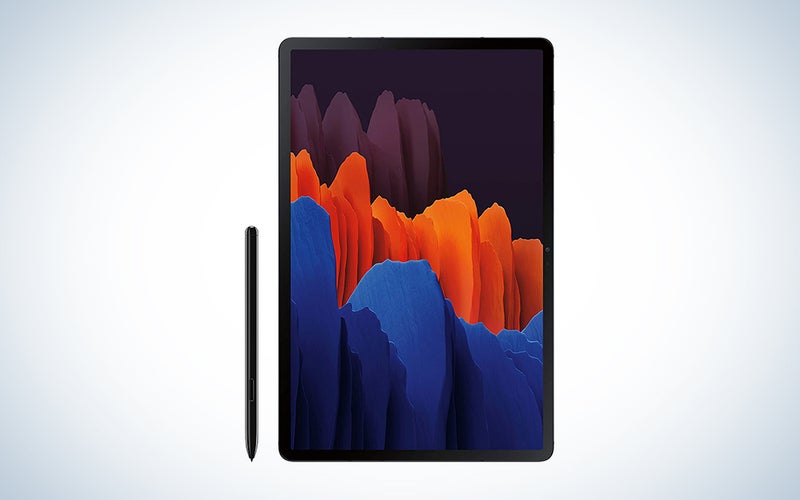
Best Android: Samsung Galaxy Tab S7+
Amazon
Why it made the cut: A beautiful screen and powerful guts make this appealing to high-end users.
Specs:
- Screen size: 12.4 inches
- Screen resolution: 2,800 x 1,752
- Stylus: S Pen
Pros:
- Super-colorful screen
- Fast performance
- 120 Hz display
Cons:
- Expensive
- Big
Sure, Apple devices can feel ubiquitous at times. But there are also plentiful alternatives if you prefer the Android OS, which stands out for its configurability and seamless integration with Google apps. Because multiple hardware developers support Android—and not all devices ship with or are capable of running the most current version of Android—there’s a little more legwork involved in selecting the best Android tablet. But that’s where this guide comes in, so here’s our suggestion for the best Samsung tablet, made for Android and intended to give the iPad Pro a run for its money in terms of cameras, connectivity, and battery life.
A classic rounded aluminum slab, the Samsung Galaxy Tab S7+ doesn’t look like much—until you boot up its gorgeous 12.4-inch, 2,800 by 1,752-pixel Super AMOLED display. With a 120Hz refresh rate and a color gamut that even beats the iPad Pro (though it can’t match the iPad’s brightness), the Galaxy Tab S7+ makes you want to consume content (or game with no lag). But if you’re looking to work, as well as play, Samsung’s One UI skin and a customized DeX desktop interface (paired with an S Pen, included, for annotations and/or the optional Book Cover keyboard) helps to optimize the latest Android OS’s phone-like appearance and empower multitasking. (For games you can even pair an Xbox controller.) The device doesn’t have the processing power or streamlined system of an iPad, but it’ll stream or beam HD all day long.
Like almost every Samsung tablet, the Galaxy Tab S7+ is sold in various sizes of internal storage. However, unlike an iPad, which does not officially support expandable storage (and therefore may require more investment upfront), the Galaxy Tab S7+ has a slot for removable storage up to 1TB (via microSD card, sold separately). Cloud backups (whether it’s Google Drive or iCloud) are handy, but sometimes you want the assurance of local storage.
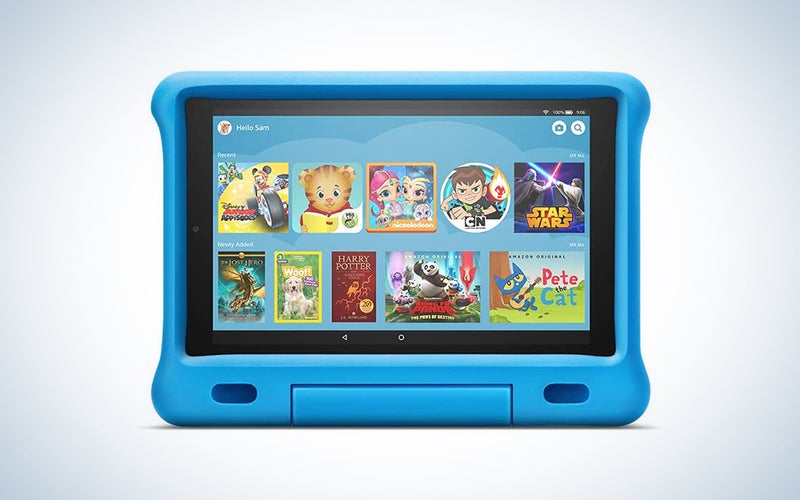
Best for toddlers: Amazon Fire HD 10 Kids Edition
Amazon
Why it made the cut: It’s built to withstand the rigors of little hands and adds useful controls for parents to have a say in the content they consume.
Specs:
- Screen size; 10.1-inches
- Screen resolution: 1080p
- Stylus: None
Pros:
- Cheap
- Long battery life
- Rugged
- Built-in parental controls
Cons:
- Locked into the Amazon ecosystem
- Only good for kids
Typically, shopping for electronics is about getting the most functionality for the money. But when it comes to the best tablet for kids the equation shifts, because what you’re paying for is limitations. The best kids tablet comes with parental controls engaged and uncluttered access to a wealth of content. Ninety-nine percent of the time the goal is to keep the kid(s) preoccupied, not productive (for more coordinated tweens, etc., you might as well get an entry-level iPad to help with homework, or an Amazon Kindle Kids Edition to promote reading). So here’s our suggestion for the best kids’ tablet that can grow with your child.
The Amazon Fire HD 10 Kids Edition is a full-featured model with affordability bettered only by its durability. For under $200 you get a 10.1-inch 1080p Full HD IPS screen with 12-hour battery life encased in a colorful, drop-resistant bumper. It’s a crisp, responsive display for the age-adjustable library presented by the Kids+ carousel of apps, books, and videos (a one-year subscription to Amazon’s FreeTime Unlimited is included with purchase). While kids will love the ability to get Netflix, Minecraft, Zoom, etc. as they get older, parents will really enjoy the time limit and educational goal filters, as well as the two-year, worry-free “no questions asked” replacement guarantee.
Best budget: Lenovo Smart Tab M10 Plus (2nd Gen)
Amazon
Why it made the cut: This model offers solid specs for a reasonable price, which is what you want if you’re using it as a secondary device.
Specs:
- Screen size: 10.3 inches
- Screen resolution: 1920 x 1200
- Stylus: Optional
Pros:
- Affordable
- No software bloat
- Charging dock
Cons:
- Not super powerful
- Low-res cameras
Packing a 10.3-inch Full HD (1920 by 1200) IPS display, powered by an eight-core processor with 4GB RAM and 64GB storage, the latest generation of the Lenovo Smart Tab M10 Plus has a premium feel and it runs a version of Android 9 that isn’t overly bloated by third-party preinstalls. It can smoothly run a web browser or word processor and has a productivity mode that adds a task bar (though it’s not a true desktop experience). Streaming and gaming performance is standard, though not spectacular, as are the cameras (at 8MP/5MP). But if you’re looking for the best budget tablet for Google apps and Assistant with solid battery life and a convenient charging dock for hands-free use, this is a great pick.
Things to consider when shopping for the best tablets
The best tablet computer is more than a screen: it’s an entryway. You’re buying into an ecosystem of apps and accessories. So before you invest it’s important to ask yourself a few questions about your own habits and existing hardware. Are you looking more for a portable bookstore or a part-time babysitter? Do you need a tool to up productivity or just for downtime? Are you always on the go or just want a more portable screen around the house? Do you already have Amazon, Android, and/or Apple devices, and is this tablet replacing or complementing them?
Related: Find out if you need to replace your laptop with a tablet
Maybe you want the best tablet for gaming and using Google Workspace. Maybe you just want the best screen to surf the internet, read a bestseller, or watch 4K HDR10 blockbusters. Establishing whether you’re trying to bridge the gap or just fill a specific hole is the first step. Then, based on how heavy you want your bag and how light you want your wallet, you can decide on the size and feature set that suits you, like whether a WiFi-only model or a more expensive cellular-equipped one fits where you’ll do most of your work. So come up to the lab and see what’s on the tab. Here are our suggestions for the best tablet whether you’re a voracious reader or a power user, a creative or wrangling kids.
FAQs
Q: How do I choose a tablet?
Ask yourself whether you want the top media player or a productivity tool. Evaluate if you already have a deep investment in a specific brand’s ecosystem (think Apple, Google or Amazon). Determine if you’re going to want to extensively accessorize. Consider whether this is a replacement or extension of a computer. These answers will determine where you sit on the casual-to-fully committed spectrum and help you choose a tablet.
Q: How many GB do I need for a tablet?
How many GB you need depends on whether your intent is to consume or create content. If it’s solely the former, you’re probably fine with the base model storage. If it’s the latter, get the most storage you can afford—especially if you’re buying an iPad, which can’t be upgraded after purchase. If you’re selecting an Android tablet, pick one with a microSD slot and you can expand storage later.
Q: How long should a tablet last?
It used to be that each year’s new models were revolutionary, but now they’re more often evolutionary. Manufacturers are likely to support their devices for four to five years before considering them obsolete, though healthy battery life for a modern tablet is closer to three years (a number that will fluctuate depending on frequency of use and recharge). So a modern tablet should last between three to five years (the more advanced the model, the longer its software updates and support lifecycle).
Final thoughts on the best tablets
Whether you’re a reader or an author, a filmmaker, or just getting the most out of your Netflix subscription, you’re probably going to spend a lot of time looking at your tablet. So choose wisely. As long as you clearly identify your needs, the best tablet for you will feed your hunger for media and/or expression without sinking its teeth too deeply into your wallet.
