
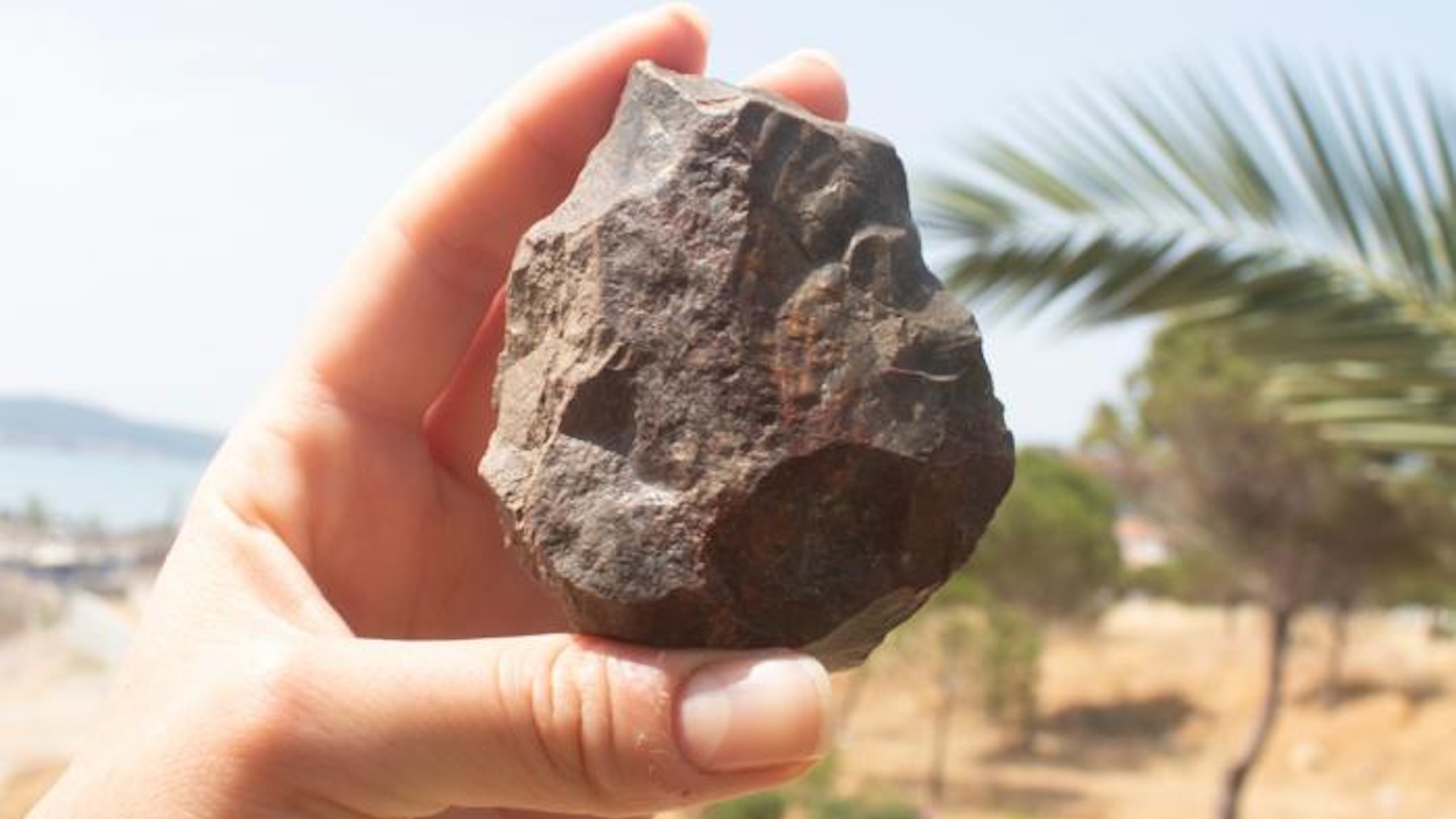
It took time for ancient humans to finally arrive in present-day Europe. The common consensus is that some of the earliest Homo sapiens trekked thousands of miles from Africa and across the Middle East before reaching the Balkans. However, an archaeological team in Turkey says a major historical reassessment is required after they discovered nearly 140 Stone Age artifacts along the country’s Aegean coast. According to their study published on September 18 in the Journal of Island and Coastal Archaeology, early humans also crossed a now submerged land route that once linked Turkey to Europe.
The Aegean coast of Ayvalık in Turkey is composed of numerous islands and peninsulas today, but the region looked quite different 2.58 million—11,700 years ago during the Pleistocene Ice Age. During this epoch, expanses of coastal plains revealed themselves as sea levels dropped by around 330 feet. These climatic shifts allowed the formation of continual landmasses, including one that bridged Anatolia and Europe.
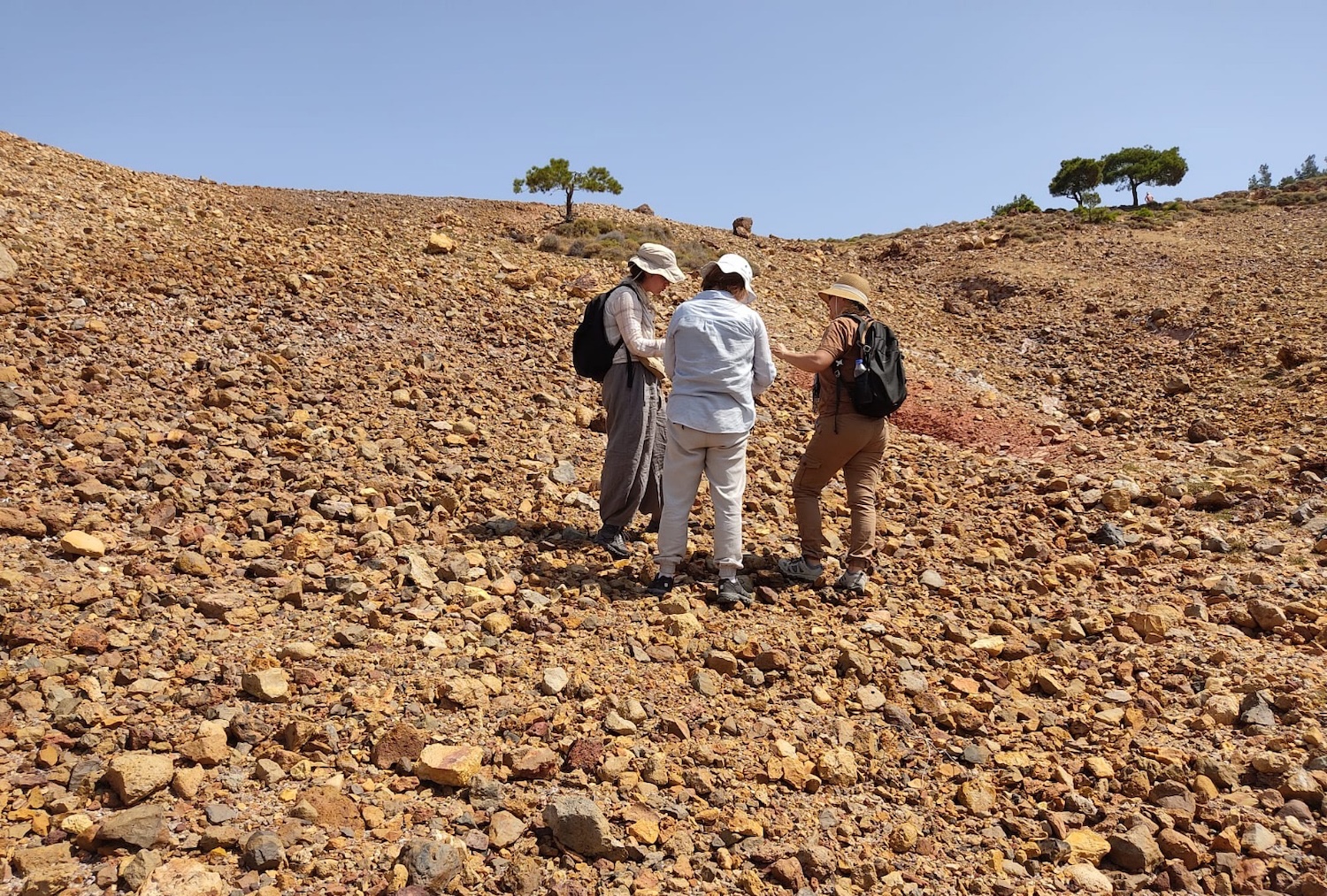
“In all these periods, the present-day islands and peninsulas of Ayvalık would have formed interior zones within an expansive terrestrial environment,” study co-author Kadriye Özçelik said in a statement.
Much of this prehistoric area is buried underwater today, but not all of it. Özçelik and colleagues spent two weeks in June 2022 surveying 10 muddy sites along the existing coastlines by foot. Although the North Aegean’s dynamic environment and geology creates less-than-ideal preservation conditions, the team still discovered evidence of numerous stone tools from multiple Paleolithic periods. These included cleavers, handaxes, as well as knapped flake tools—complex items tied to Neanderthals and early Homo sapiens.
“These large cutting tools are among the most iconic artifacts of the Paleolithic and are instantly recognizable even today, so are a very important find,” said study co-author Göknur Karahan.
Karahan added that locating these tools offers “direct evidence” that the area was included in a larger technological tradition that stretched across Africa, Asia, and Europe.
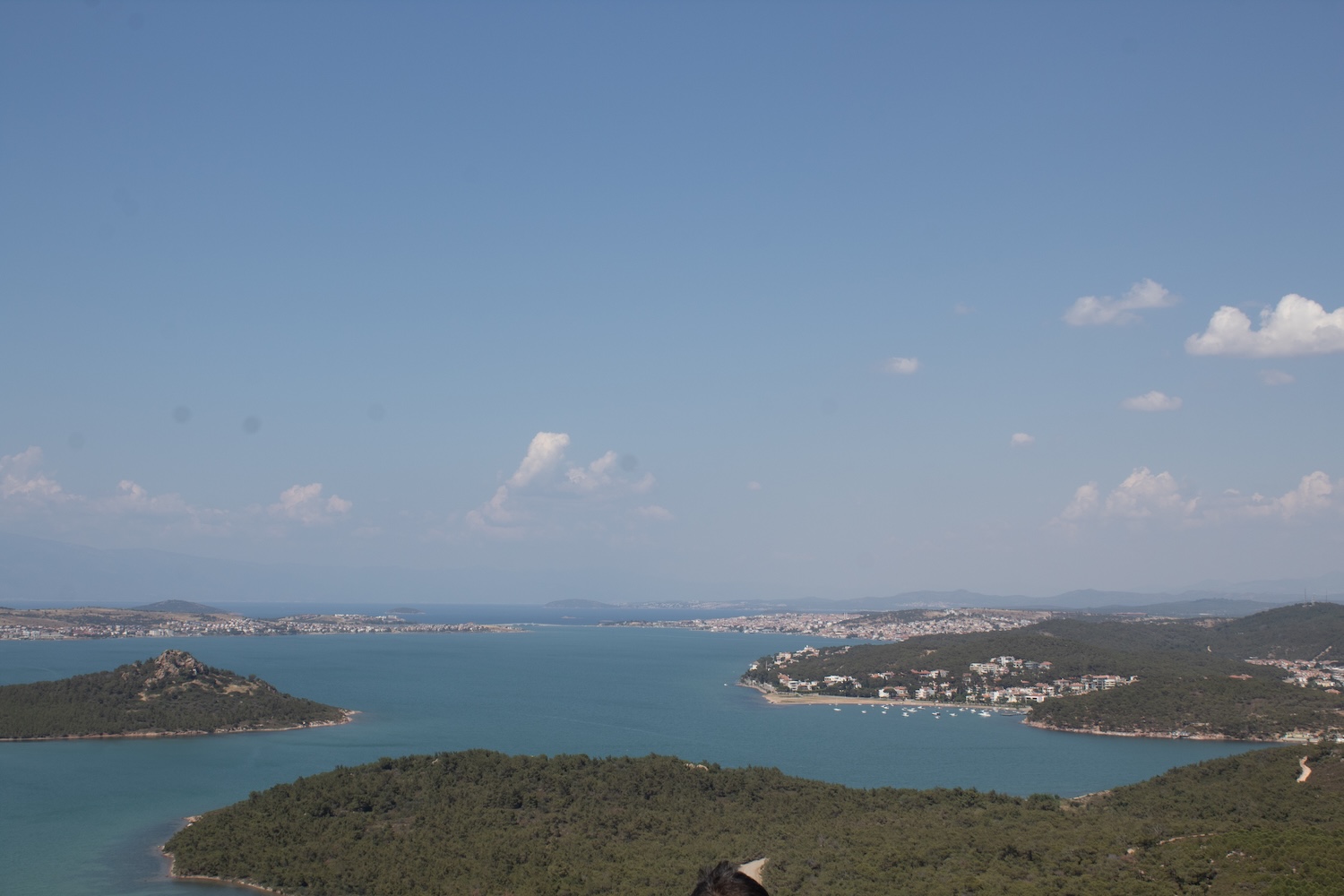
Most Pleistocene migratory investigations remain focused on regions far removed from the Aegean coast. But with these discoveries, Özçelik and Karahan argue that a reorientation to include areas like Ayvalık is much overdue.
“The results confirmed that Ayvalık–which had never before been studied for its Paleolithic potential–holds vital traces of early human activity,” said Karahan.
Moving forward, the researchers hope that additional excavation work will take place around Ayvalık, including stratigraphic projects, paleoenvironmental reconstructions, and absolute dating analysis.
