
Archaeologists in Norway have uncovered human remains and structural artifacts indicating a 3,000-year-old ritualistic cult site near a highway expansion project. Surveyors initially discovered the first signs of ancient religious activity over a decade ago, but more recent excavation work is offering further looks at the spiritually significant communal location. The surrounding geological environment also points to why locals eventually abandoned it—a giant mudslide in central Norway’s Gauldal river valley around 800 CE.
“It’s a very special find. We’ve never found anything quite like it. In a central Norwegian context, it’s entirely unique,” NTNU University Museum archaeologist Hanne Bryn told Science Norway earlier this month.
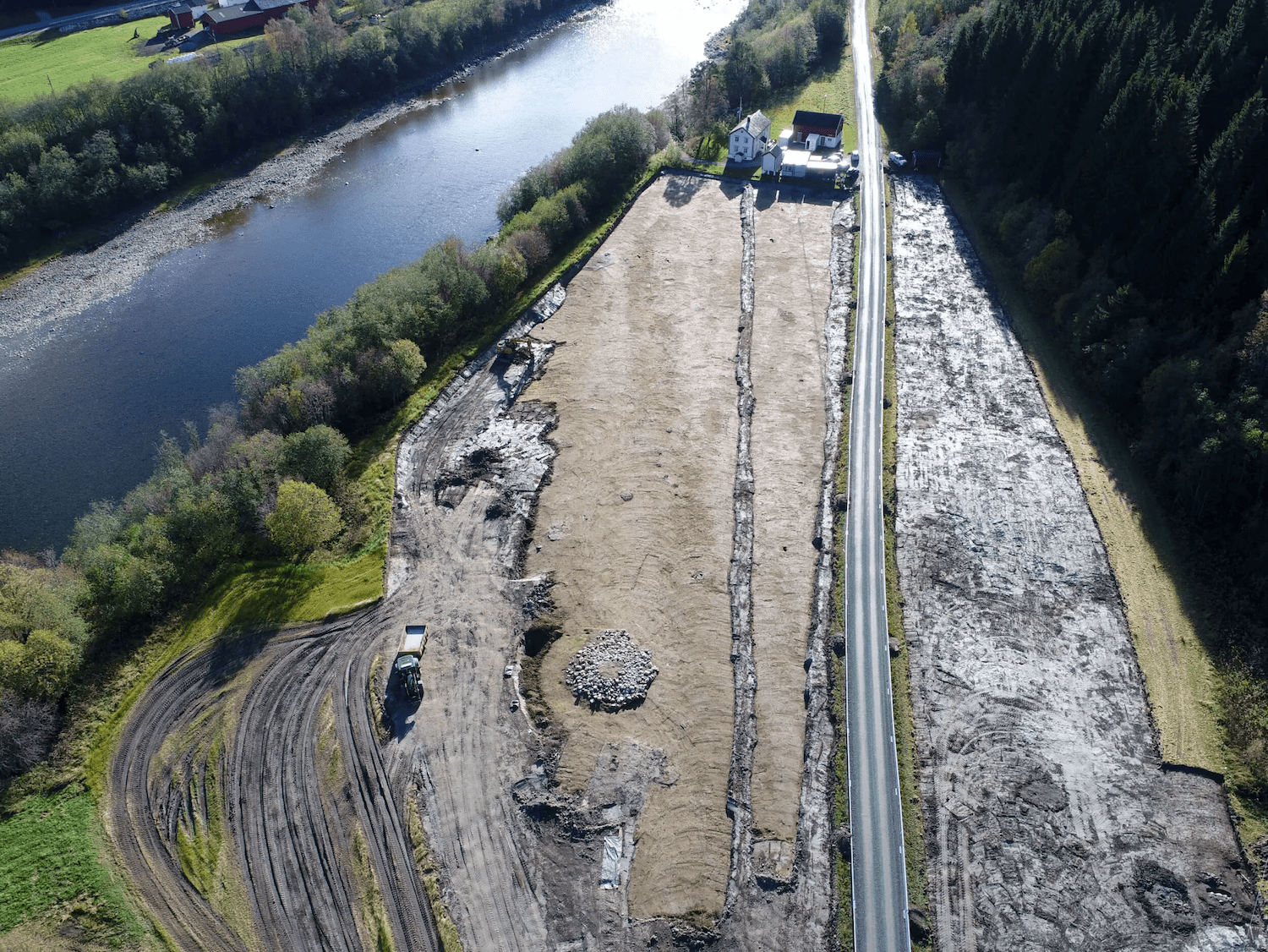
Bryn first visited the area in 2014 on behalf of the Sør-Trøndelag County Municipality, but returned in recent years to assist an archaeological survey ahead of a planned highway expansion. Over two summers, she and colleagues scoured a large region buried under as much as 9.8 feet of clay.
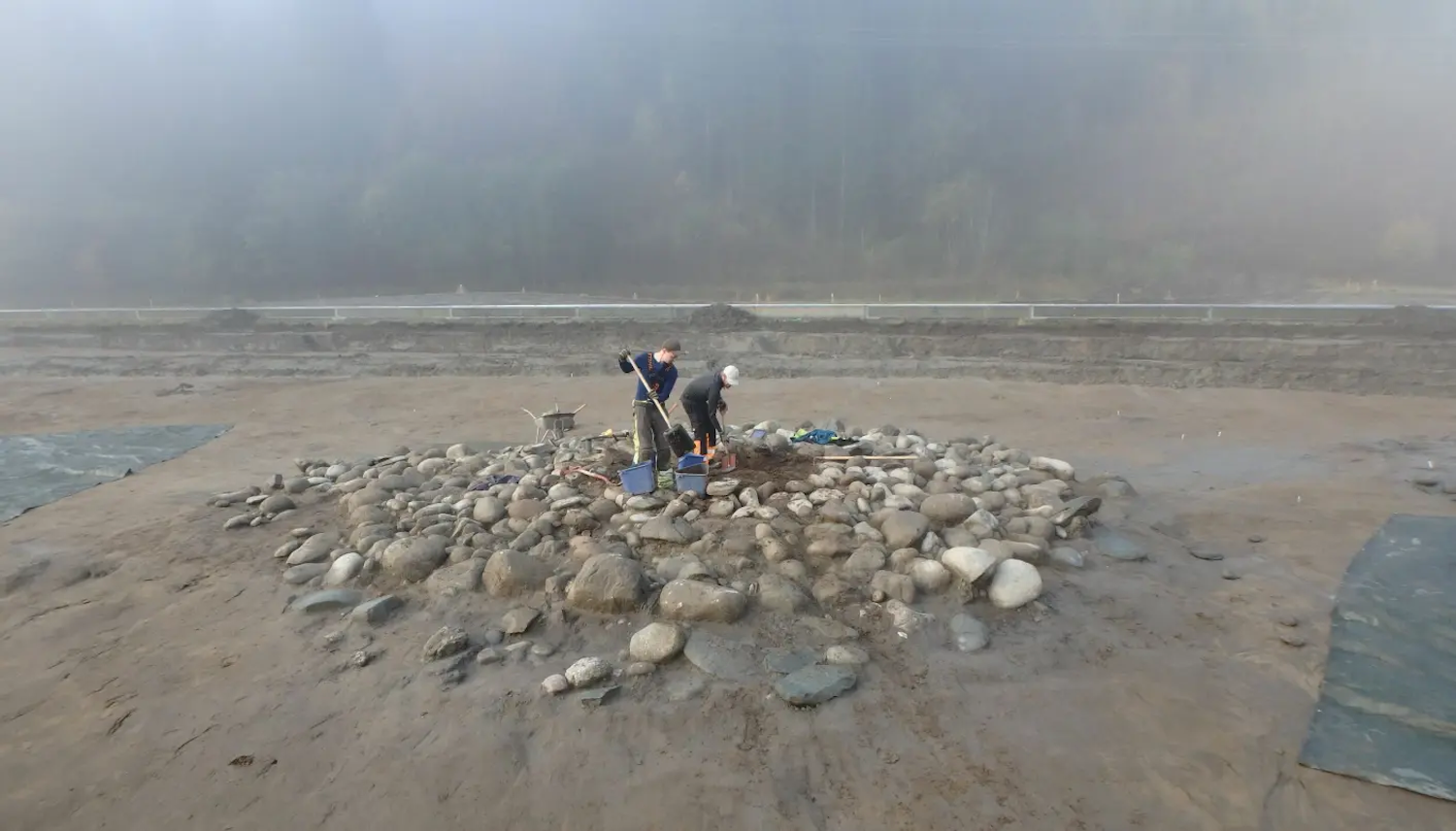
All that digging has paid off. The location is composed of two main sections that each included a moderately sized longhouse measuring 33 to 39 feet in length. Near one longhouse stood a larger stone burial mound called a cairn, along with three burial chambers—some of which housed charred human bones. Archaeologists also found evidence of cooking pits and a fire pit likely utilized for making bronze.
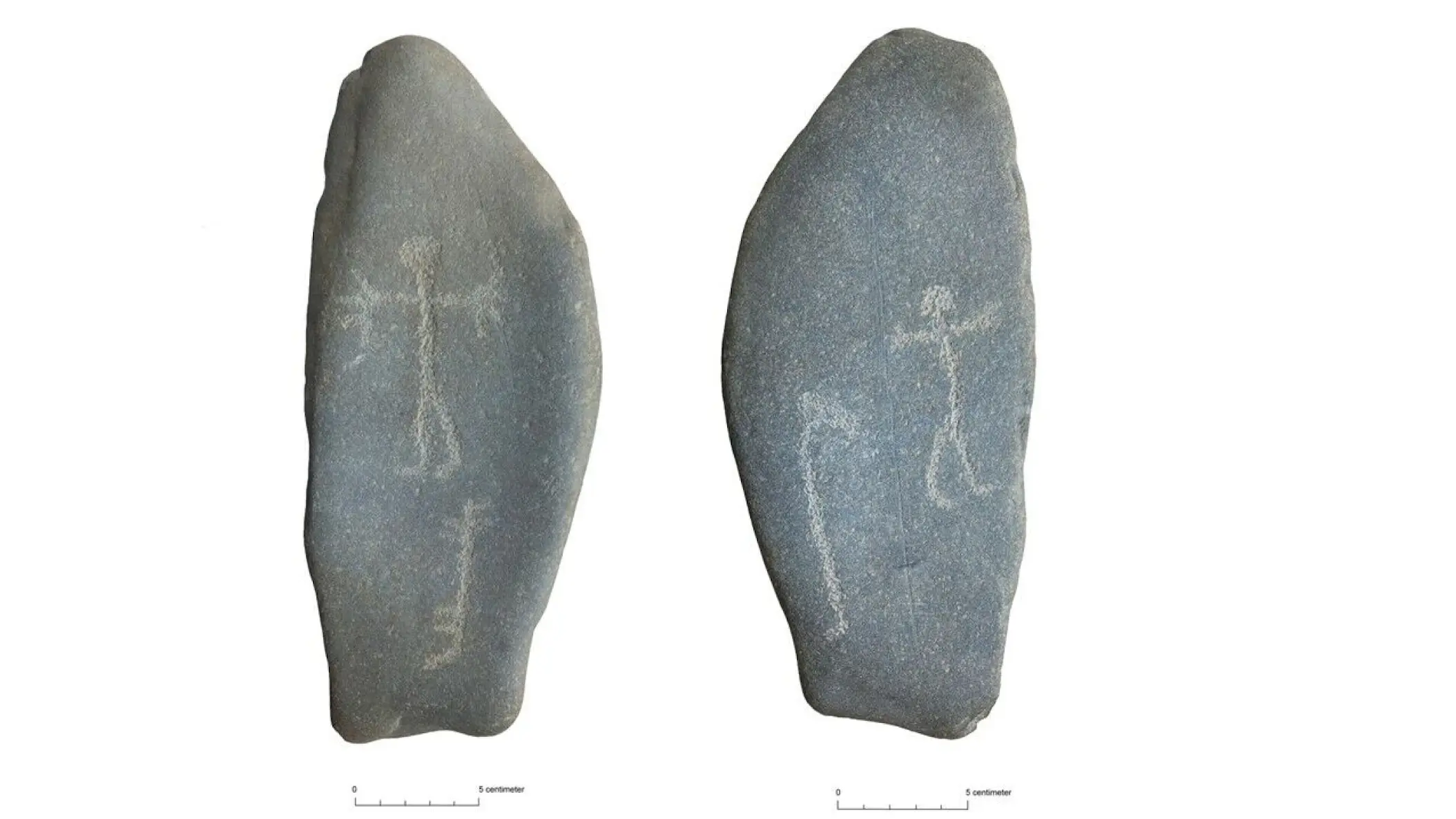
Throughout the site, the researchers documented numerous stones carved with artwork such as a footprint, boat, human figures, as well as a bow and arrow. The stones are particularly striking because Norwegian rock art at that time was usually etched directly into bedrock. In comparison, these individual stones appeared to have been intended as possibly portable relics.
“It’s a very special find,” Bryn said of one stone measuring around 4 by 8 inches. “It’s so small. It’s portable, you could carry it in your pocket.”
However, there is one type of building the archaeologists did not find. So far, there isn’t any evidence of a permanent community. Without that evidence of a more permanent settlement nearby, the researchers believe that the location served an important spiritual function, and was viewed with reverence.
“It points to a site of special significance,” explained Bryn.
Analysis of the human remains showed the bones date to 1000 to 800 BCE, which puts them right around the time of the devastating mudslide that inundated the Gaudal river valley. That said, it’s unclear if locals actively used the site as more than a burial ground around the time of the devastation.
“There are no traces of people here. It wasn’t a Pompeii, though we did wonder about that ourselves,” Bryn said.
Bryn and her team are now investigating an area on a plateau near the highway expansion. Although they haven’t found anything “exceptional” yet, there are indications of some kind of human settlement. Regardless of the new project’s outcome, the significance of what they found just down the road is clear.
“Finding portable stones like this, lying in the landscape where they were once used, is especially rare,” said Bryn. “There aren’t many discoveries that compare.”
