

Perhaps you are one of the many Americans who have a small boxy tank balanced precariously on their bathroom sink. Or maybe you’ve seen one at a friend’s house—the appliances known as water flossers, oral irrigators, or often by the brand name Waterpik.
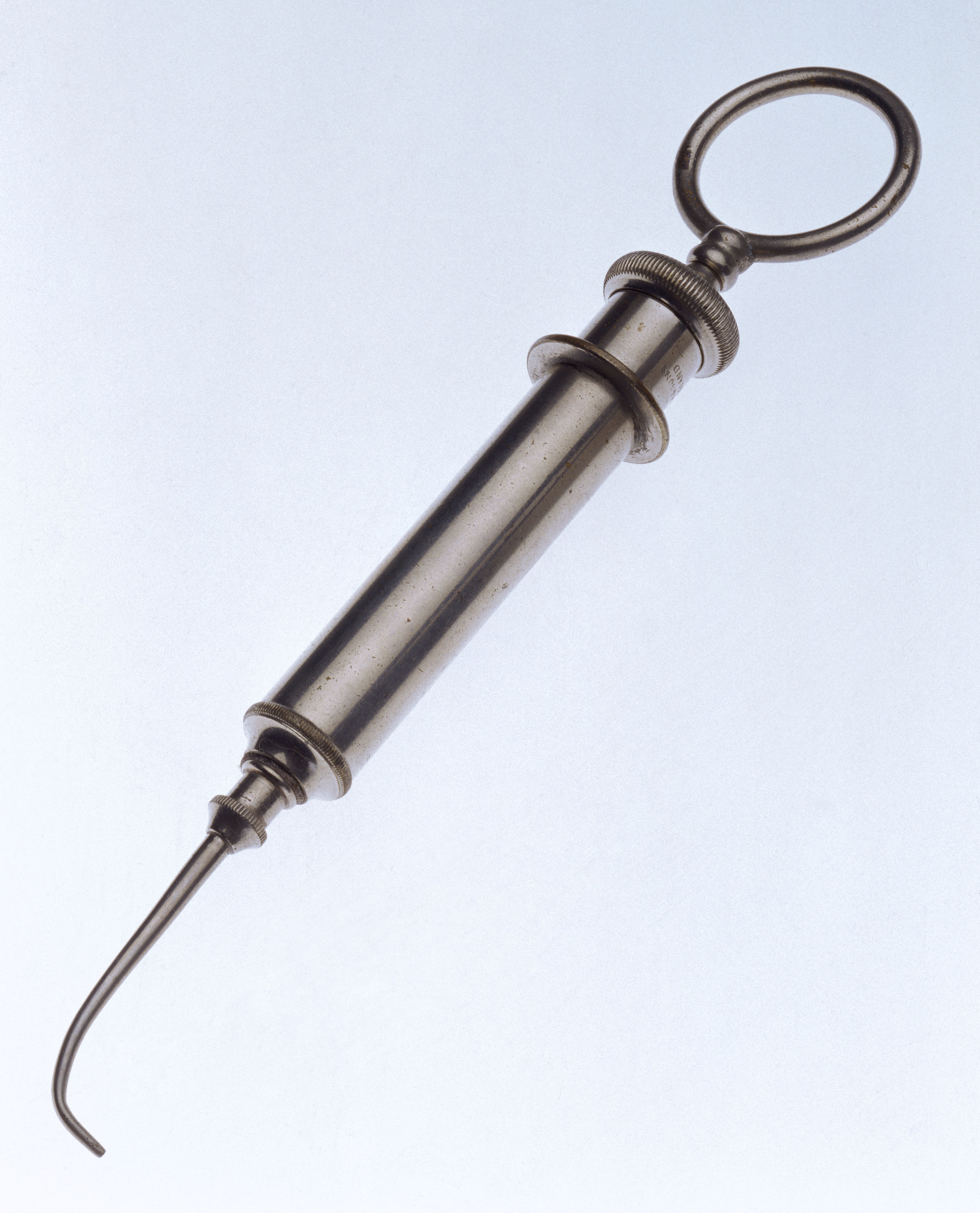
In the 1950s, a dentist patented a “dental syringe” which connected to a faucet with a tube and allowed users to clean their teeth with pressurized water. But it took until the 1960s for dentist-engineer duo Gerald Moyer and John Mattingly to bring the water flosser as we know it to market, complete with a water reservoir and a motor to pump water out of a small tube. (Later, their company became known as ‘Waterpik.’)
These days, all kinds of water flossers are available, and all of them claim to be an easy way to clean teeth and the hard-to-reach spaces in-between. But are water flossers really good for you? Can that pulsing stream of water damage teeth or enamel? The short answer is yes, water flossers are good for you, and no, they won’t hurt you.
Who should use water flossers?
Dr. Diana Nguyen, the chief of General Clinical Dentistry and associate professor at University of California, San Francisco School of Dentistry, for one, is a fan of water flossers. “I love water flossers. I think that they can be a very helpful tool, especially for certain patients, but they are not meant to be a complete replacement for traditional flossing,” she says.
And Nguyen isn’t alone. A number of studies note that water flossers can be an excellent “adjunctive tool” for those who want to stay on top of their oral health. But regular flossing still offers unique benefits, and using a water flosser is not a replacement for brushing your teeth.
Water flossers, says Nguyen, can provide real benefits to those without the manual dexterity to use floss—for example, people with hand tremors, Parkinson’s disease, and rheumatoid arthritis. Water flossers can also make it easier for caretakers and home health aides to assist others in keeping their teeth clean, she adds.
Other groups that can benefit from water flossers are those with braces or other “orthodontic appliances, because when you have brackets on your teeth, it can be really hard to get in between the teeth. You can’t get the floss all the way down,” says Nguyen. The same applies for those with implants and bridges, she adds. Water flossers can help remove impacted food from around bridges and wires, places where wedging floss might be uncomfortable or difficult.
However, dental floss offers benefits that mere water pressure cannot provide. “When you’re flossing with traditional string floss, you are mechanically removing biofilm, food debris, plaque, and anything that builds up around the tooth,” Nguyen explains. Floss can wrap around the tooth, and by using a scrubbing motion, you can clean a good deal of surface area. In contrast, a water flosser is “not as precise,” Nguyen says, and the stream of water can only get up to a certain level of strength.
No, water flossers don’t damage tooth enamel
Some people are afraid that the pressure from a water flosser can damage tooth enamel or gums. Not to fear, says Nguyen. Even if you use them a lot, water flossers, she says, “are very unlikely to cause damage to any of the structures in the oral cavity.”
The one thing she cautions against is pushing too aggressively with the hard tip of the flosser itself or trying to force it between gaps in the teeth. However, she says, “the water itself would be very unlikely to cause permanent damage.”
Related 'Ask Us Anything' Stories
Instead, the issue is that many people aren’t flossing enough with any of the tools available. Who hasn’t dreaded the moment when their dentist asks them if they floss regularly? In 2018, a study found that only 32 percent of Americans flossed every day. Around 68 percent of people flossed at least once a week, while 32 percent reported not flossing at all in the week before the survey.
Floss with string, if you can
Flossing can seem like a nice little extra moment of self-care, but there’s a reason dentists urge people to floss. Brushing alone only removes up to 60 percent of plaque from teeth. Plus, brushing tends to clean the flat surfaces of teeth, missing the gaps in between. That’s exactly where most cavities develop, says Nguyen.
In a 2025 interview with The New York Times, Lancette VanGuilder, the president of the American Dental Hygienists’ Association, noted that the best flossing method for each individual is the one that they can do consistently. So, there’s no harm in adding a water flosser to your routine, especially if it helps with the consistency of your flossing routine. According to Nguyen, a water flosser can both “make oral care more fun” and “make people more aware of the need to be attentive to their dental health.”
In Ask Us Anything, Popular Science answers your most outlandish, mind-burning questions, from the everyday things you’ve always wondered to the bizarre things you never thought to ask. Have something you’ve always wanted to know? Ask us.
