
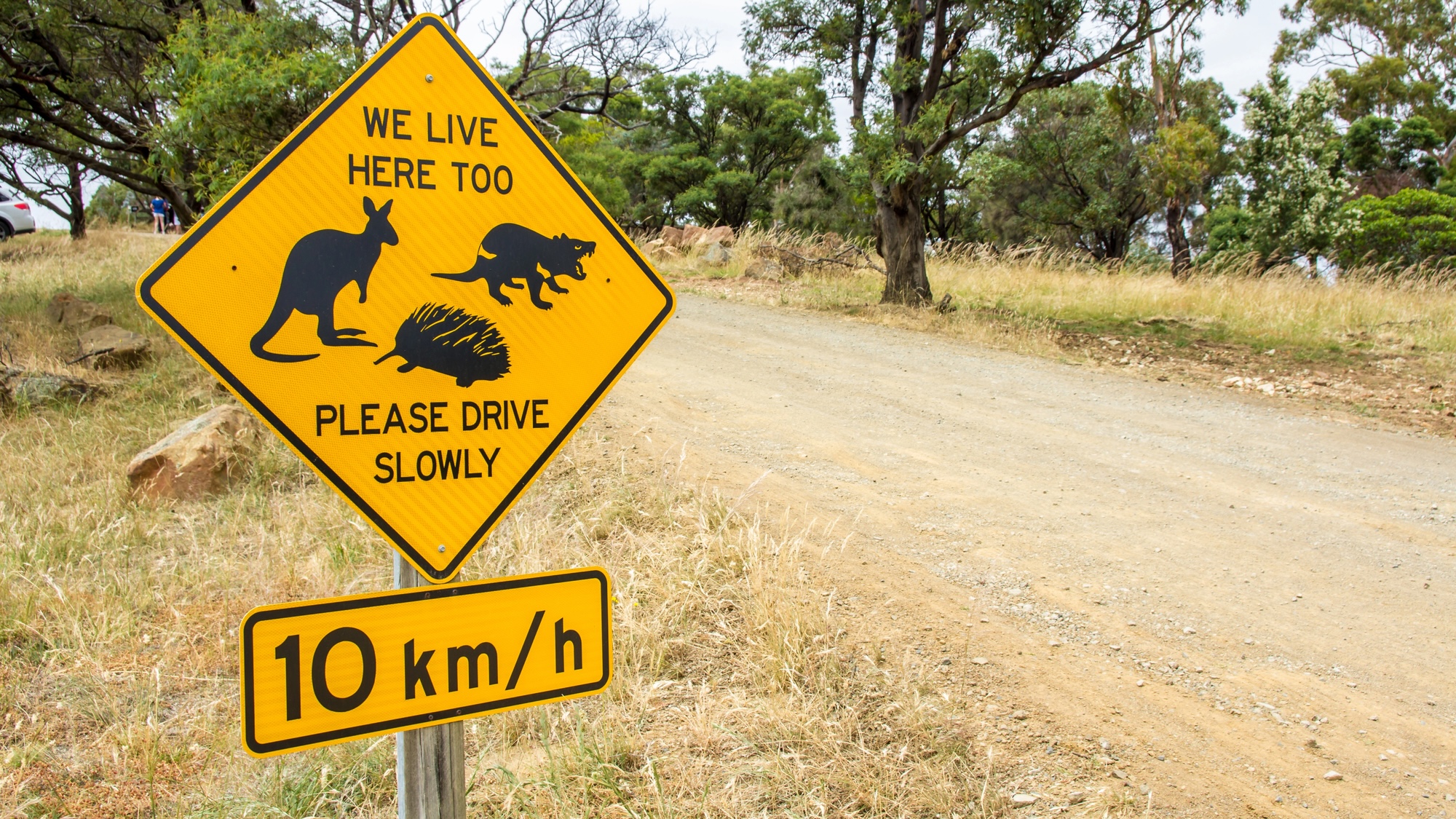
Roadkill isn’t the most pleasant of subjects. As much as people try to avoid it (and not contribute to it), the untimely animal deaths are an unfortunate, inevitable byproduct of a society reliant on cars. In Brazil alone, it’s estimated that anywhere between two and eight million birds and mammals are killed on roadways every year. In Europe, the potential tally may climb as high as 194 million.
While viral headlines occasionally highlight various roadkill gourmands, the expired creatures actually have many other benefits. A team of biologists at Australia’s Royal Melbourne Institute of Technology (RMIT) investigated what happens when scientists frequently use these natural cadavers in their own work. According to their findings recently published in the journal Biology Letters, roadkill is being tapped for a wide array of investigations—but the possibilities are even greater and more sustainable than most people realize.
“Because the animals are already dead, researchers can often avoid live capture and handling, aligning perfectly with global animal-ethics principles that encourage replacing invasive methods wherever possible,” study co-author and RMIT biologist Christa Beckmann explained in a statement.
Along with colleagues from Western Sydney University, Deakin University, and Trent University, Beckmann evaluated 312 peer-reviewed studies from 67 countries around the world that focused on goals “other than enumerating or mitigating roadkill.” They tallied at least 650 species—mostly mammals,followed by reptiles, birds, amphibians, and invertebrates. In total, the team identified around 117 different use cases for roadkill in various scientific projects.
“We found examples of successfully using roadkill to map species distributions, monitor disease and environmental pollution, study diets, track invasive species, [and] supply museum collections,” Beckmann said. In some instances, she added that roadkill also helped identify local populations previously believed extinct and even included species “previously unknown to science.”
Beckmann knows the streetside casualties aren’t appropriate for all research projects and come with their own biosafety considerations, but still believes there are far more uses for them waiting to be explored.
“While roadkill will always be tragic, using these losses wisely could help drive scientific discovery and conservation forward, rather than letting valuable information decompose by the roadside,” she said.
