
A Century Later
‘A Century Later’ revisits the pages of Popular Science to see how yesterday’s bold predictions and groundbreaking discoveries have aged. A hundred years ago, our writers imagined the future of flight, medicine, space travel, and everyday life. Now, we return to those stories to find out what came true, what fizzled, and what we never saw coming.

The strange Wild West tale of the first cow-buffalo hybrid
Inside cowboy Charles Jesse “Buffalo” Jones’s get-rich-quick scheme to restore the plains 100 years ago.
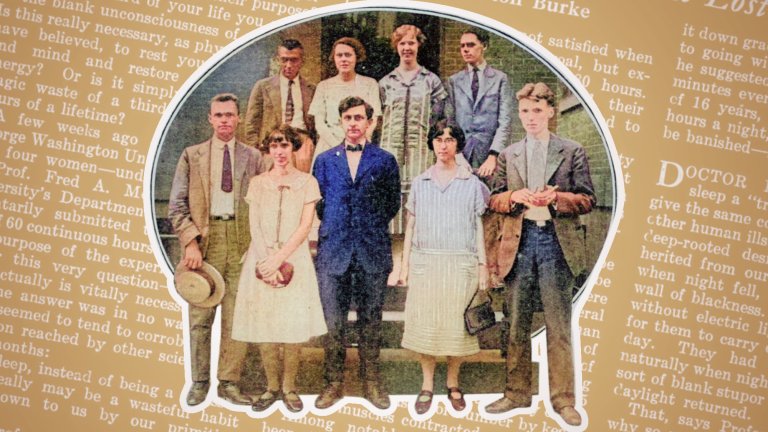
In 1925, seven students went 60 hours without sleep—for science
Scientists were out to prove sleep was just a waste of time.

How a hatter and railroad clerk kickstarted cancer research
100 years ago, this unlikely duo discovered the first cancer ‘germ.’
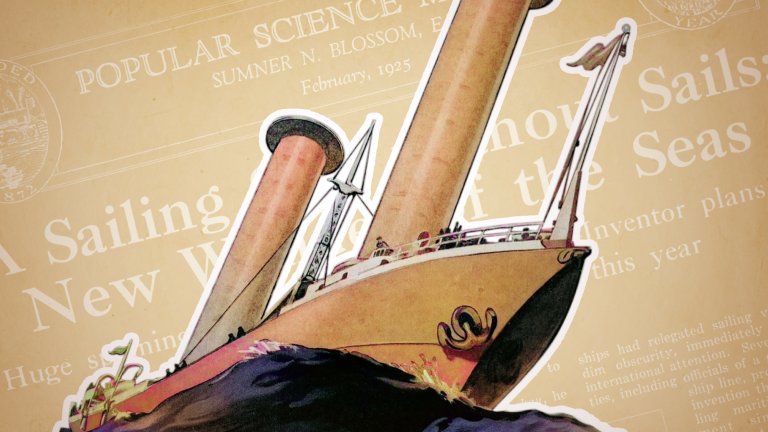
100 years ago, ‘ghost ship’ sails baffled Einstein—now they’re making a comeback
Could a high school math teacher’s 1920s invention make shipping greener?
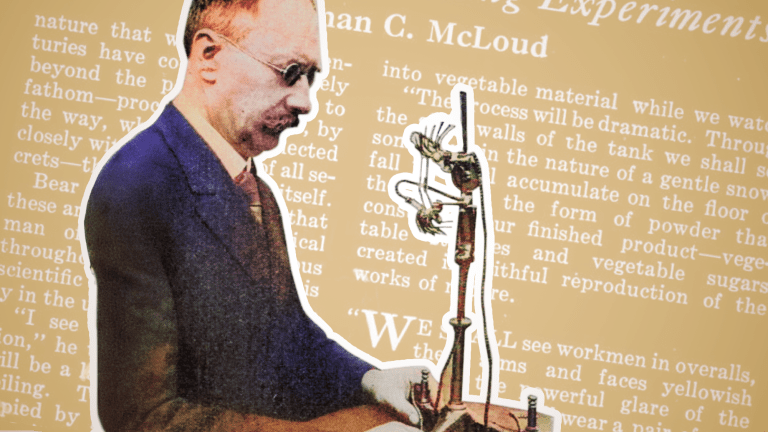
100 years ago, scientists thought we’d be eating food made from air
100 years later, we’ve almost figured out how.
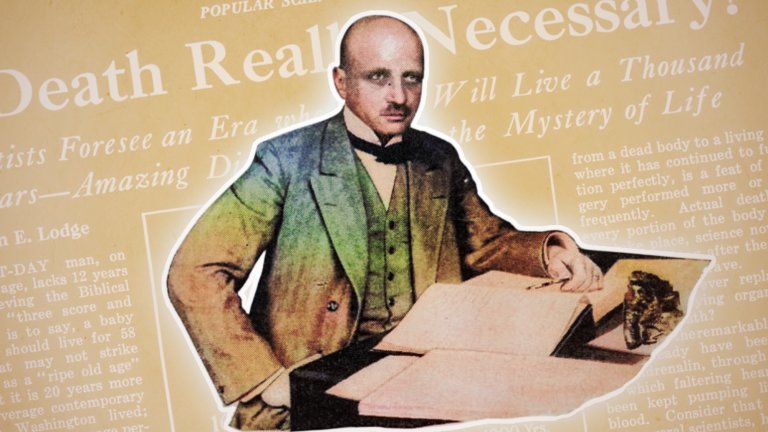
100 years ago, scientists predicted we’d live to 1,000 years old
In 1925, the average American lifespan was 58 years.

100 years ago, the battle for television raged
How fire and rivalry shaped broadcasting’s debut.

A century ago, suspended monorails were serious mass-transit contenders
And they could be making a comeback.
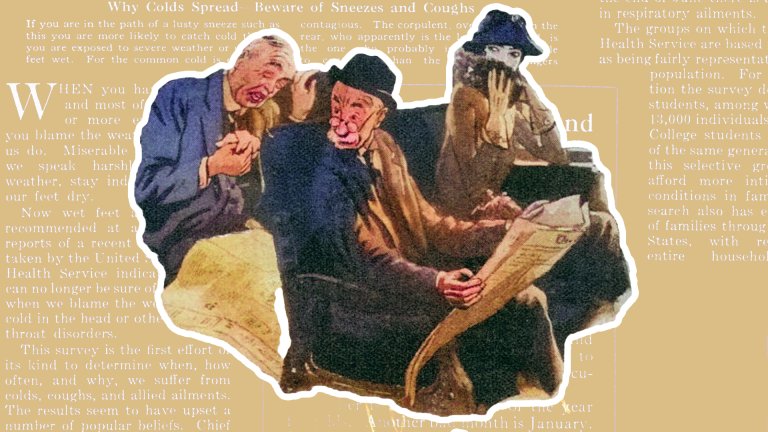
Why we can’t squash the common cold, even after 100 years of studying it
The best advice for avoiding a cold in 2025 isn’t all that different from 1925.
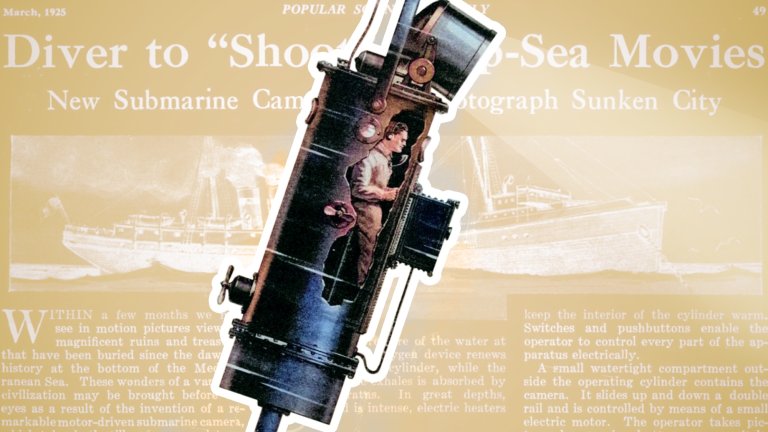
100 years of deep-sea filmmaking and ocean exploration
In 1917, a civil engineer pioneered the first deep-sea vehicle to attempt filming underwater.