
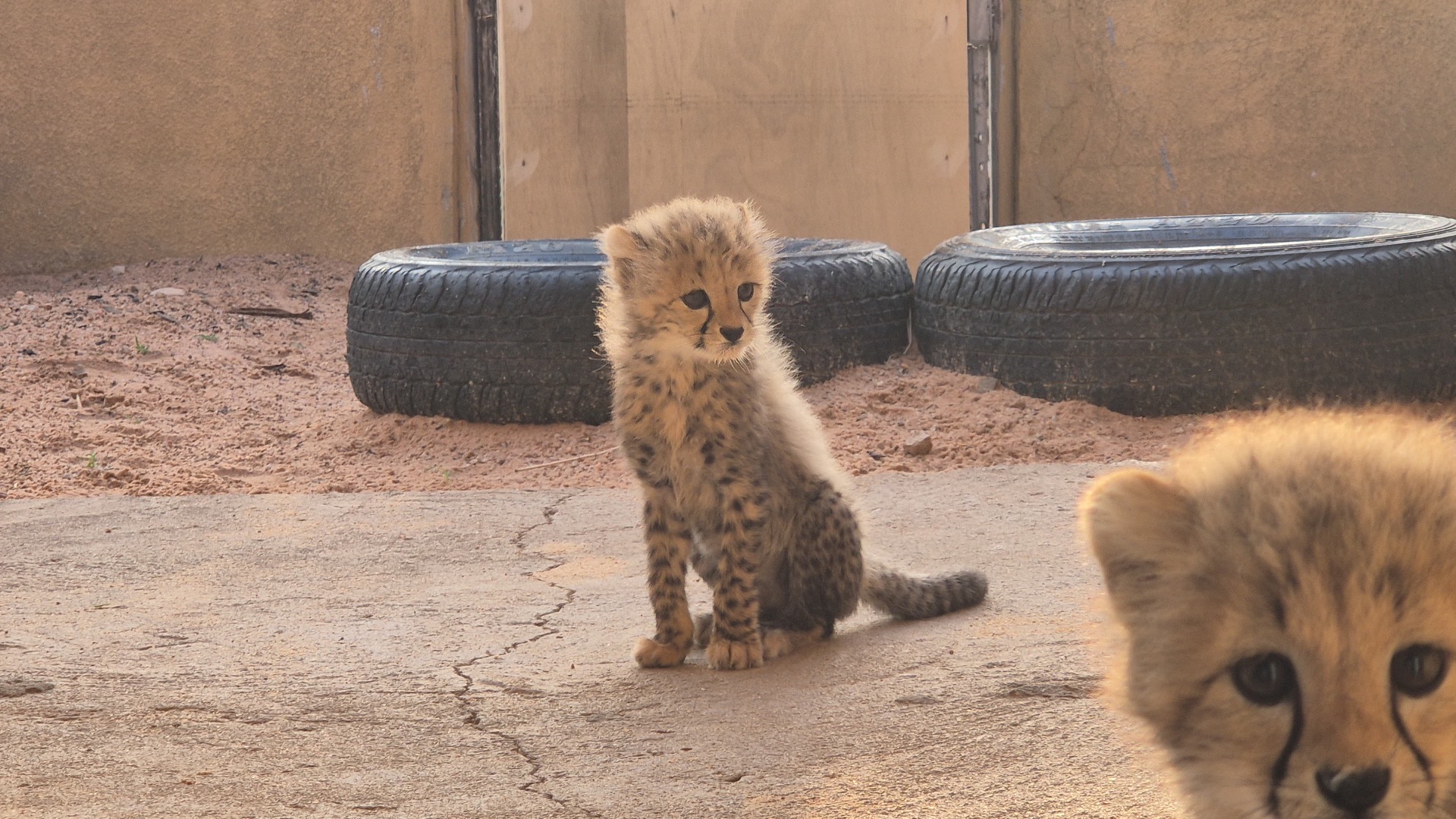
In an intervention that might one day inspire the animated animal version of Argo, the Cheetah Conservation Fund and Somaliland’s Ministry of Environment and Climate Change rescued two cheetah (Acinonyx jubatus) cubs on the verge of a terrible fate.
The Cheetah Conservation Fund carried out the extraction after receiving urgent intelligence that traffickers in the Somaliland capital were about to load the two cubs onto a boat and illegally move them into the exotic pet trade. Just hours later, the organization put a rescue team in action and worked with local authorities to take possession of the cheetahs.
The next day, the cubs ended up at Somaliland’s Cheetah Rescue and Conservation Centre, where veterinary and wildlife experts will care for them. The conservation centre opened in Somaliland in 2016 by Laurie Marker for cheetahs pulled out of the illegal wildlife trade. At the moment, 125 rescued cheetahs live at the facility.
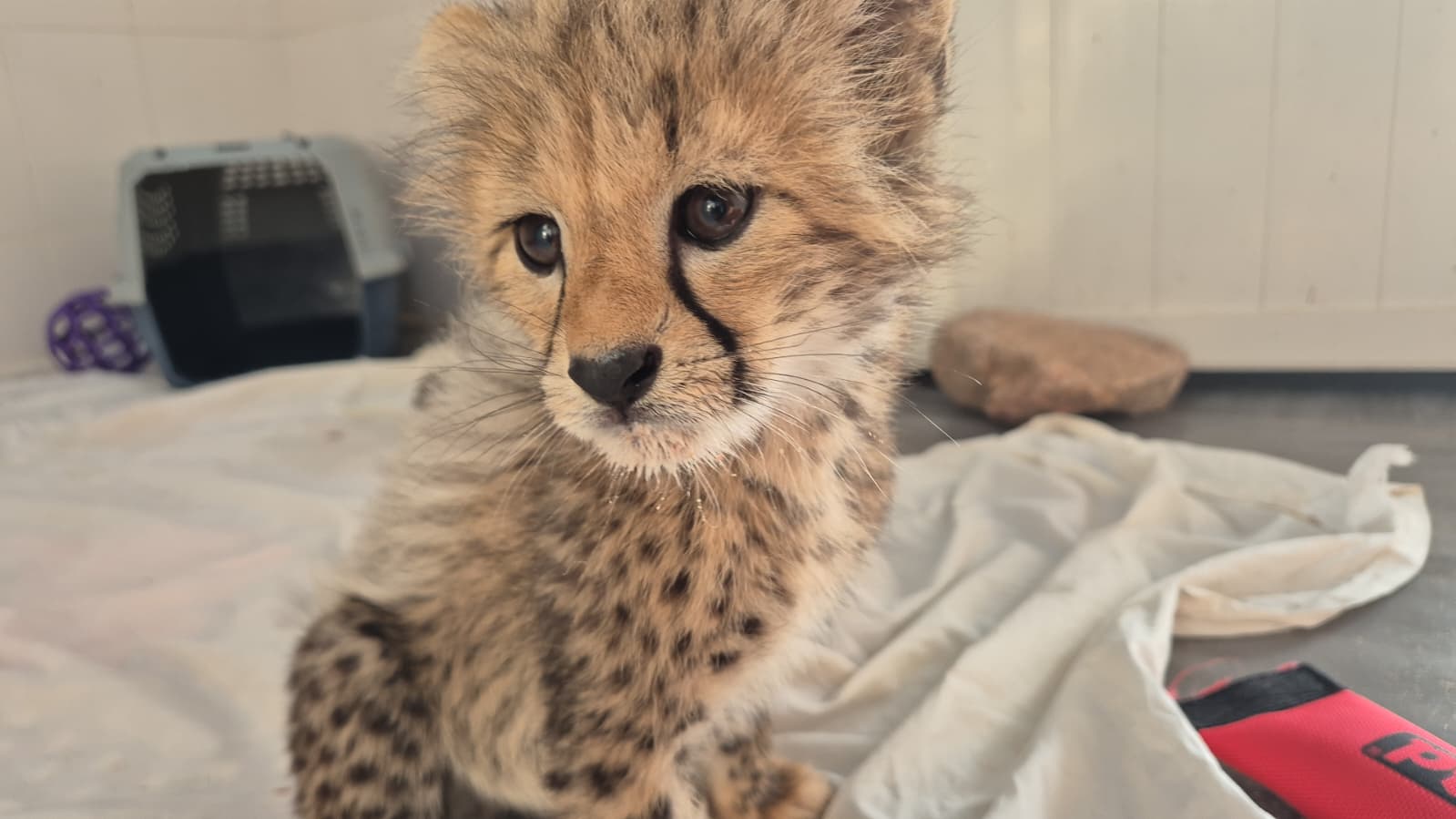
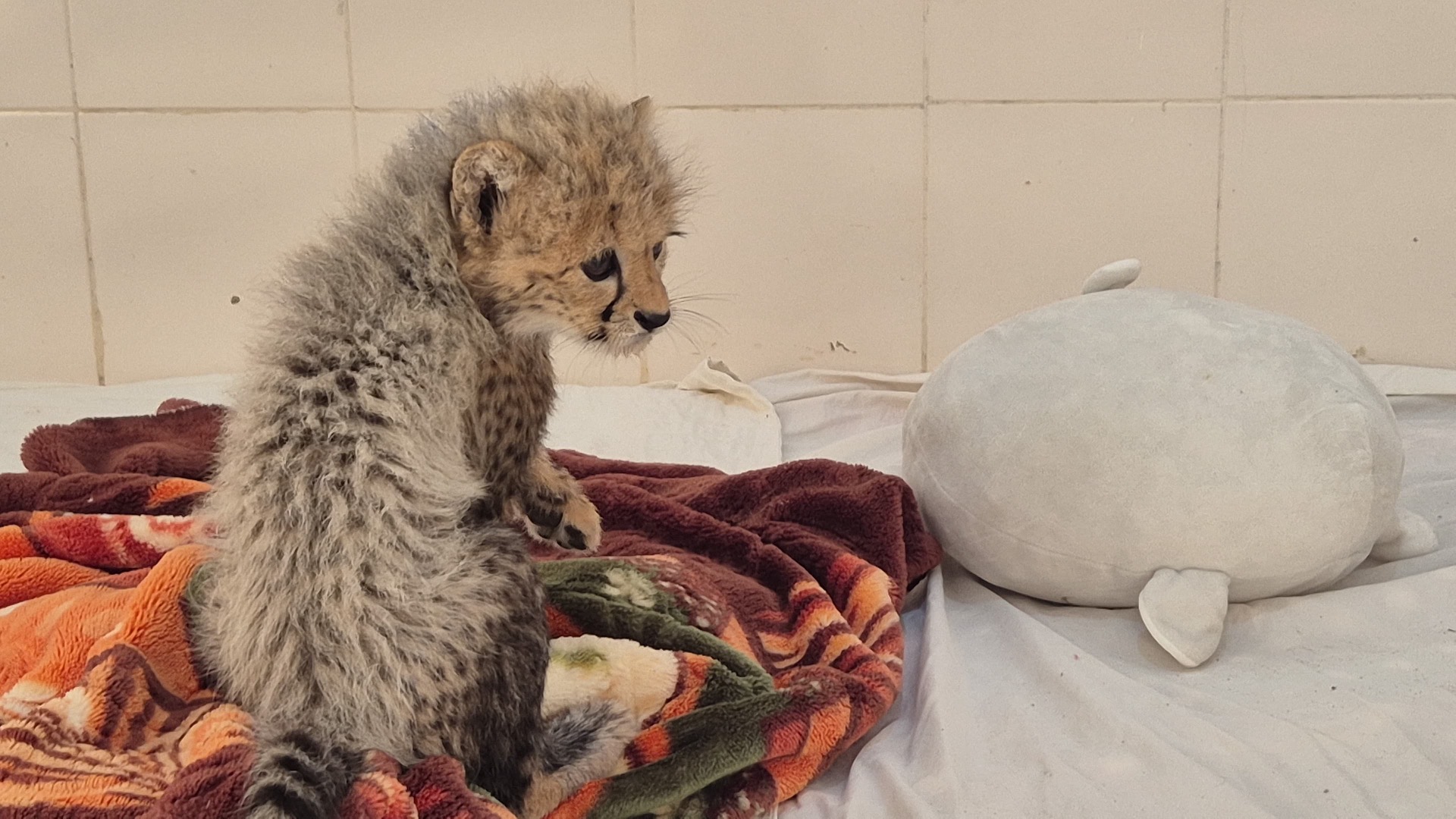
“This outcome is a testament to the speed and dedication of our team and our partners on the ground,” Laurie Marker said in a statement emailed to Popular Science. She founded the Cheetah Conservation Fund and established the Cheetah Research & Education Center in Namibia. “With fewer than 7,000 cheetahs remaining in the wild, every life we save matters, not just for the species, but for the ecosystems they support.”
The cheetah cubs are just two of at least 21 other recently rescued cubs, a figure that highlights the persistent extent of the region’s black market wildlife trade. The Horn of Africa, which includes Somalia/Somaliland, is unfortunately a center for the illegal trade of cheetah cubs. Somaliland is a self-proclaimed republic in Somalia’s northwest without international recognition.
Trafficking attempts frequently leave recovered cheetahs seriously dehydrated and malnourished. In fact, researchers estimate that a shocking proportion—90 percent—die before their intended buyers receive them. Thankfully, the duo in question are rapidly recovering.
