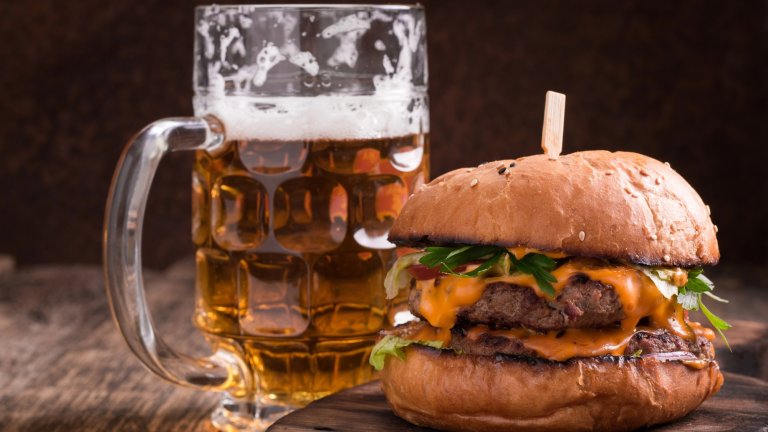
If the biotech industry has its way, ordering a hamburger might soon sound something like this: “one charbroiled cloned-beef patty, with genetically modified cheese, lab-grown bacon and vitamin-C-fortified lettuce, on a protein-spiked bun.” The burger of the future is delicious, nutritious and contains more engineering than a stealth bomber.
With the Food and Drug Administration ruling in January that meat and milk from cloned cows, pigs, goats and their offspring is safe to eat, the only thing keeping the superburger off your dinner plate is time. It will be a few years yet before cloned meat hits store shelves. Cloning the perfect (and tastiest) cow can cost upward of $15,000, which makes clones themselves too expensive to eat, so we’ll have to wait until they spawn enough offspring (the old-fashioned way) to feed the masses. Meanwhile, researchers are busy formulating all the fixings. Take a look at what science is doing for the burger, from bun to beef and everything in between.
Vitamin Bun
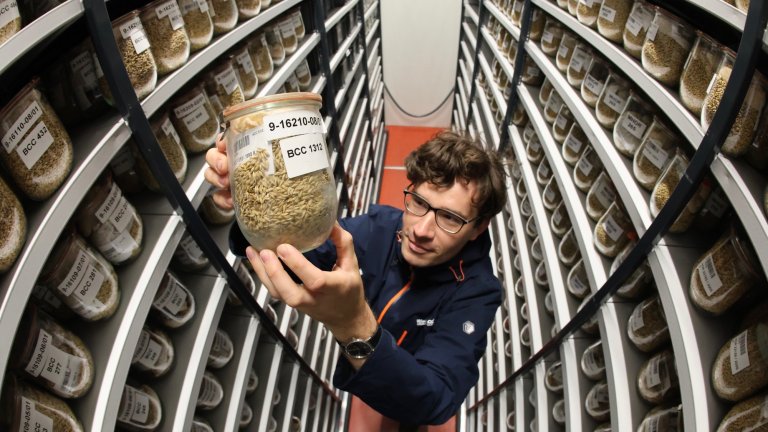
After isolating a gene in wild wheat that controls protein, zinc and iron content, scientists at the University of California at Davis spliced the gene into domestic wheat, boosting nutrient content by 12 percent.
Cruelty-Free Bacon
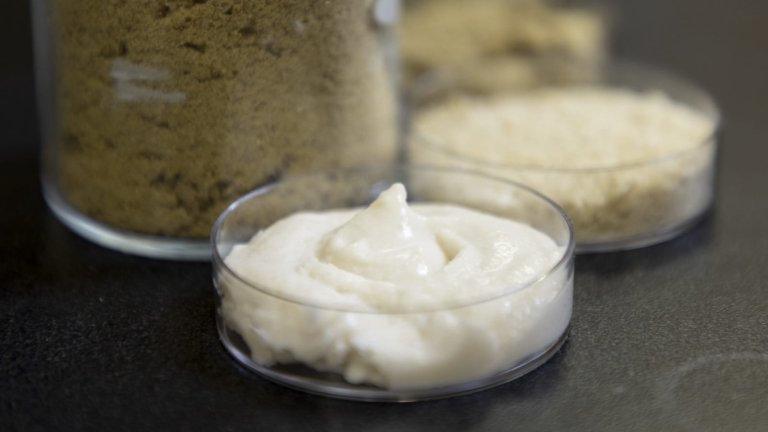
Scientists in the Netherlands have grown minced pork in a dish by adding water, glucose and amino acids to pig stem cells. Expect artificial ground meat by 2012 and bacon within the decade.
Better Cheddar
Food engineers are boosting cheddar flavor by adding a bacterial gene that produces an enzyme that eliminates the bitter taste created during ripening.
Leaner Beef
Several companies are cloning the country’s most prized cows to produce leaner, tastier cuts of meat. Ranchers will start breeding the clones this spring, and in five years, the offspring will be ready to grill.
Healthier Ketchup
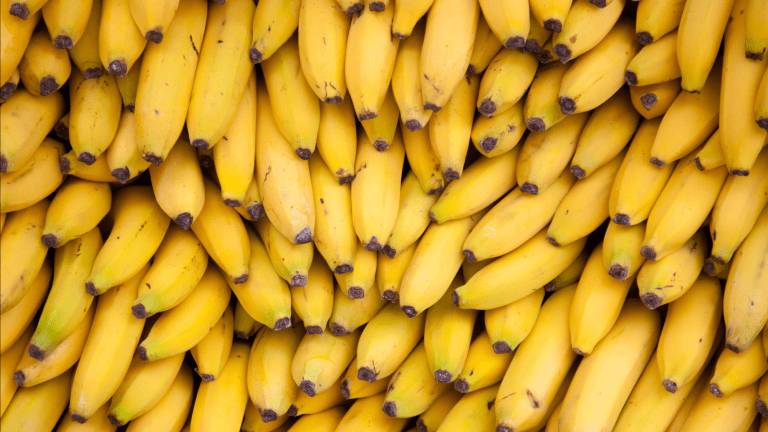
The ethanol boom is driving up the price of corn syrup, so Heinz is breeding a tomato that is 10 percent sweeter than those grown today. Look for naturally sweeter ketchup by 2010.
High-C Lettuce
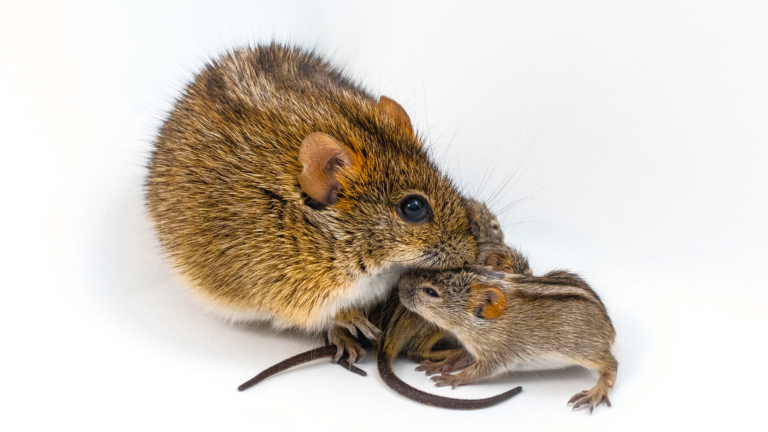
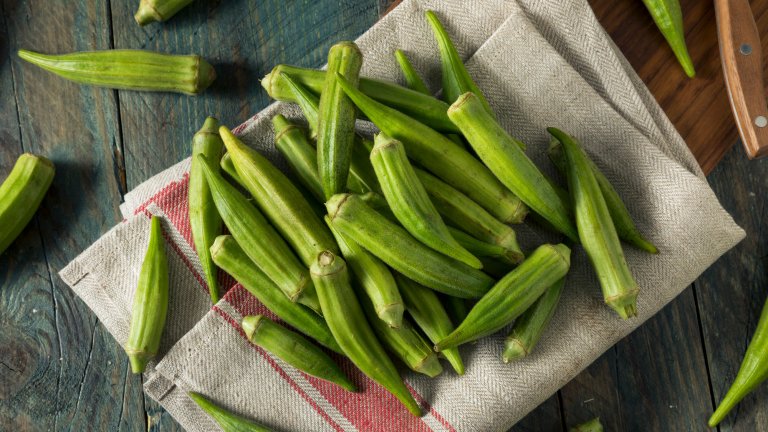
By splicing rat genes into lettuce, Virginia Tech scientists figured out how to turn on the vegetable’s latent vitamin-C-producing abilities (rats are natural C-makers). Since rodent-altered lettuce is somewhat unappetizing, the team used the data to identify plant DNA that can do the same thing.
Stay up to date on the latest news of the future of science and technology from your iPhone with full articles, images and offline viewing
Featuring every article from the magazine and website, plus links from around the Web. Also see our PopSci DIY feed
Share links with friends, comment on stories and more
In our December issue, Popular Science names the 100 best innovations of the year: bombproof wallpaper, self-parking cars, the fastest helicopter, and 97 more. Plus inventor profiles and videos.
Check out the best of what's new here.
Rodent-altered lettuce? Ick!
www.themilkweed.com
so like with this bacon, will we just get this stuff in pakages and than add water??? nasty!
from San Francisco, California
Ick? Nasty? Ummm.... It's called DNA, AND IT'S IN EVERY ONE OF US!!!!!!!! - It's not as if you'll see a rat's tail sticking out of lettuce or anything! FYI: DNA merely codes for a polypeptide - IT'S MICROBIOLOGY - ALL LIFE HAS IT
So lighten up - If it's healthy (and safe) - Heck, try it!
It won't be safe. Bet on it.