ships

This Week in the Future: September 28-October 2, 2009


This Week in the Future, September 28-October 2, 2009:  Illustration by Baarbarian
Cyborg monkeys surf on OLED pickles. Ships emit slime, and our own Mikey Sklar's Benz runs on vegetable oil. And a knife-wielding, thought-controlled robot still can't conquer Japan. This is the Future.

[ Read Full Story ]

Recycling a Warship Into A Giant Artificial Reef

Sailors ship out, fishes move in

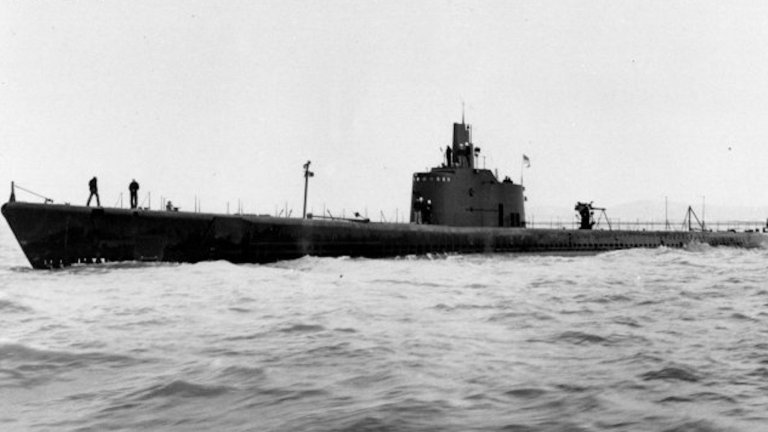
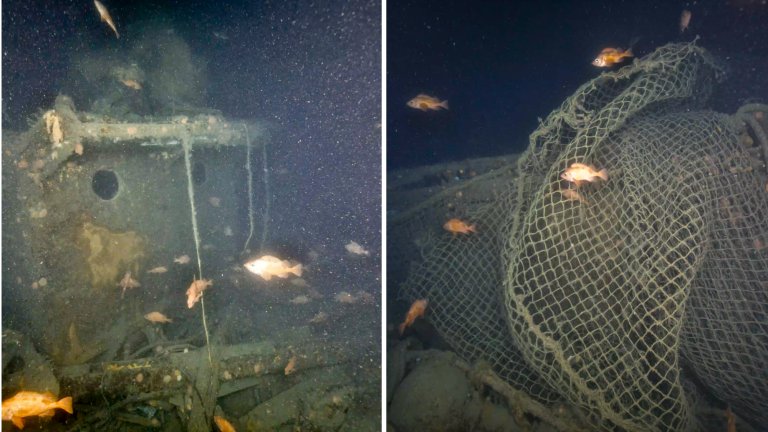
Normally, when a ship sets sail, one of the goals is to avoid sinking. However, USNS Gen. Hoyt Vandenberg cast off yesterday with the express purpose of ending up at the bottom of the briny deep. Purchased by Key West for $8.6 million, the former U.S. Navy ship was then sunk by demolition experts to provide a platform for a new coral reef.

[ Read Full Story ]

Sail Like An Egyptian

It turns out the oldest seafaring ships ever found actually work

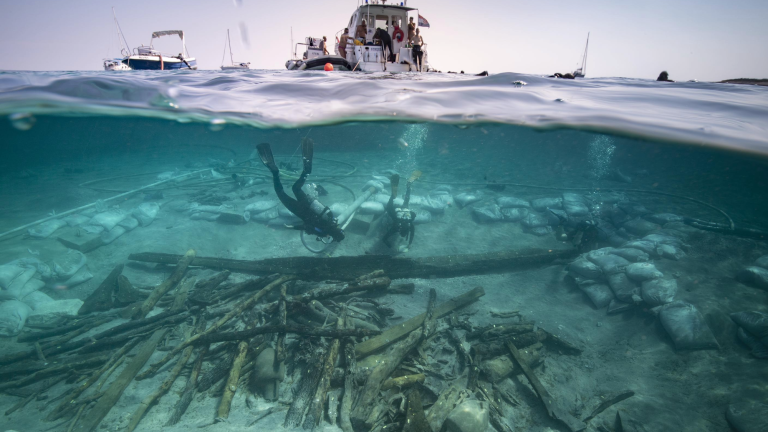
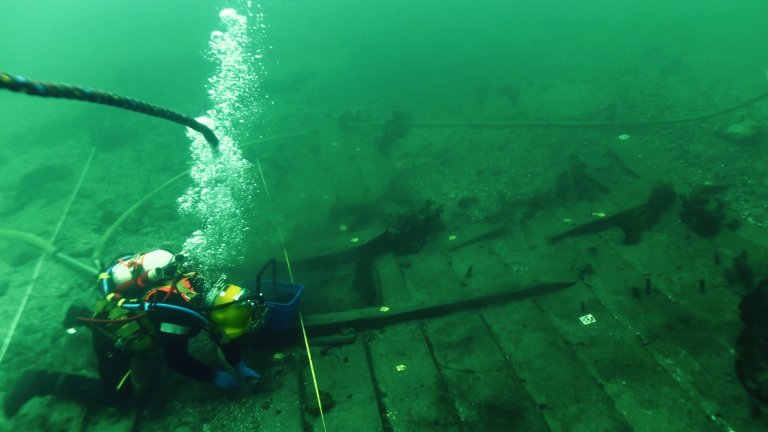
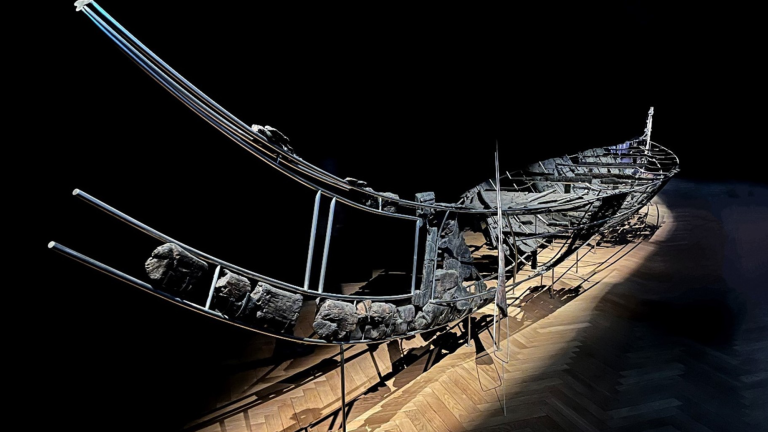
An archaeologist who examined remnants of the oldest-known seafaring ships has now put ancient Egyptian technology to the test. She teamed up with a naval architect, modern shipwrights and an on-site Egyptian archaeologist to build a replica 3,800-year-old ship for a Red Sea trial run this past December.

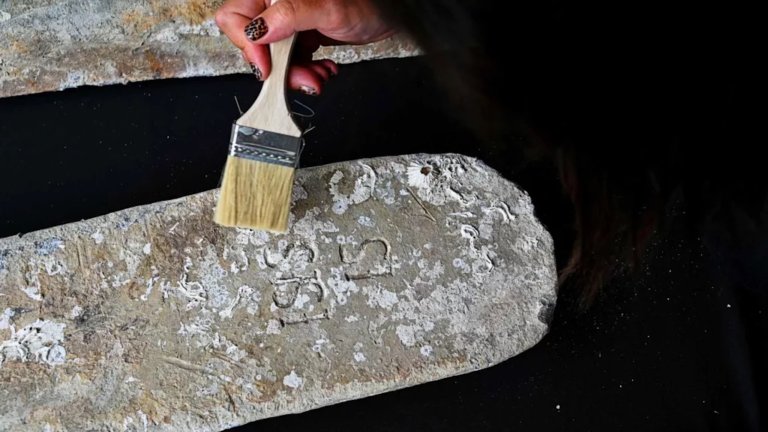
The voyage was meant to retrace an ancient voyage that the female pharaoh Hatsheput sponsored to a place which ancient Egyptians called God's land, or Punt. Ship planks and oar blades discovered in 2006 at the caves of Wadi Gawasis provided a basis for the ship reconstruction.

[ Read Full Story ]

Nuking Stowaways

Scientists design a microwave device to halt invasive aquatic critters

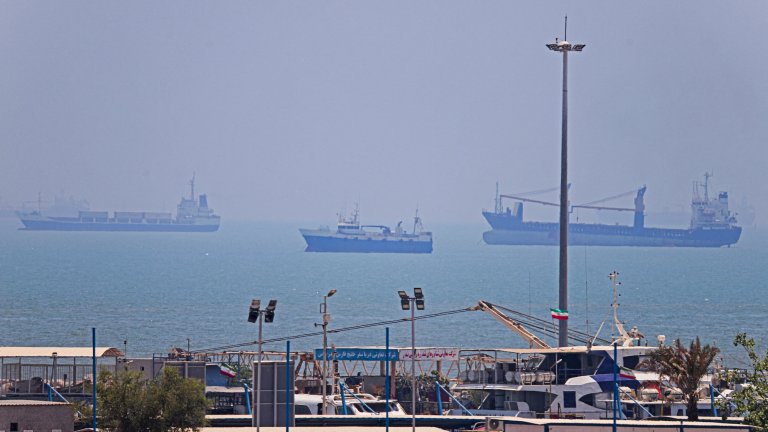
Transoceanic freighters haul 80 percent of the world’s commercial goods. But those boats inadvertently carry destructive cargo as well. An empty ship can suck up more than 10 million gallons of water to stay balanced as it crosses the open ocean. Upon its arrival into another port, the crew pumps the ballast water and any small animals or plants living in that water—sometimes thousands of organisms per gallon—into foreign harbors, where they invade and damage local ecosystems.

[ Read Full Story ]

The Sun-Powered Sailboat

A Turkish design team dreams up a self-sufficient craft for the eco-conscious yachting class

FOUR-WING STABILITY: Volitan may look more like an X-wing fighter than a boat, but the four-wing structure keeps it stable while maximizing maneuverability.  Bob Sauls
For most of history, sailboats were by definition pollution-free. Now, however, even purists use outboard motors to get their three-sheeters in and out of the harbor. Including conventional motorized boats, there are more than 10 million hydrocarbon-burning marine engines in the U.S. alone.

[ Read Full Story ]

Diseased Ballast Water

Scientists suspect ships may be delivering objects far smaller than cargo: dangerous bacteria

As a cargo ship empties or takes on load, its ballast tanks fill or release water in order to balance the boat properly. Ballast is generally needed to increase the draft of a vessel (how deeply it sits in the water) so that its propellers are adequately submerged. The consequence of taking on these huge quantities of water is that they are most frequently released in environments thousands of miles from where they originated, when a ship reaches its destination.

[ Read Full Story ]
READ MORE ABOUT > , , , ,

Kite Power

The maiden voyage of an unusual ship suggests promise for alternatives to fuel

With oil prices recently breaking the psychologically important barrier of $100 per barrel, commuters aren't the only ones feeling the heat. Cargo vessels are responsible for moving 98% of all intercontinental goods, and a transatlantic crossing on fully-loaded 200-meter ship is not light on the diesel consumption. So far, at least two companies promise to deliver a technology not seen on massive ocean-going ships in quite some time: the sail.

[ Read Full Story ]
READ MORE ABOUT > , , , ,


Download Our iPhone App

Stay up to date on the latest news of the future of science and technology from your iPhone with full articles, images and offline viewing


Follow Us On Twitter

Featuring every article from the magazine and website, plus links from around the Web. Also see our PopSci DIY feed


Become a Fan On Facebook

Share links with friends, comment on stories and more


December 2009: Best of What's New

In our December issue, Popular Science names the 100 best innovations of the year: bombproof wallpaper, self-parking cars, the fastest helicopter, and 97 more. Plus inventor profiles and videos.

Check out the best of what's new here.

Popular Science Photo Pool


Share your photos in the Pop Sci pool at www.flickr.com!
tags_sprite.png
POP_embeddedForm_cover_May09.jpg