
We may earn revenue from the products available on this page and participate in affiliate programs. Learn more ›
Tesla’s next big product reveal isn’t a long-anticipated affordable passenger car or an actually usable humanoid robot. It’s a $350 pickleball paddle.
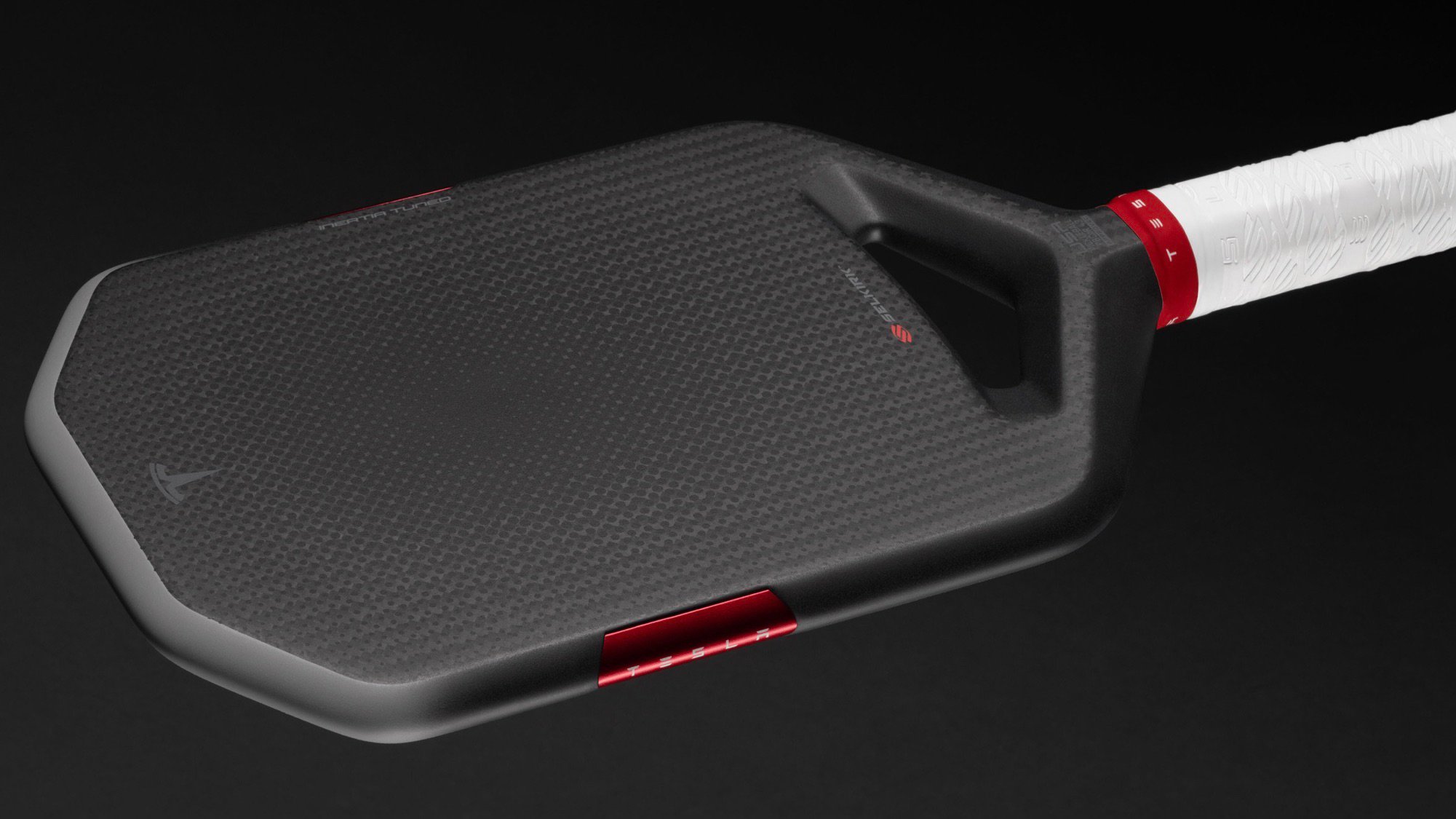
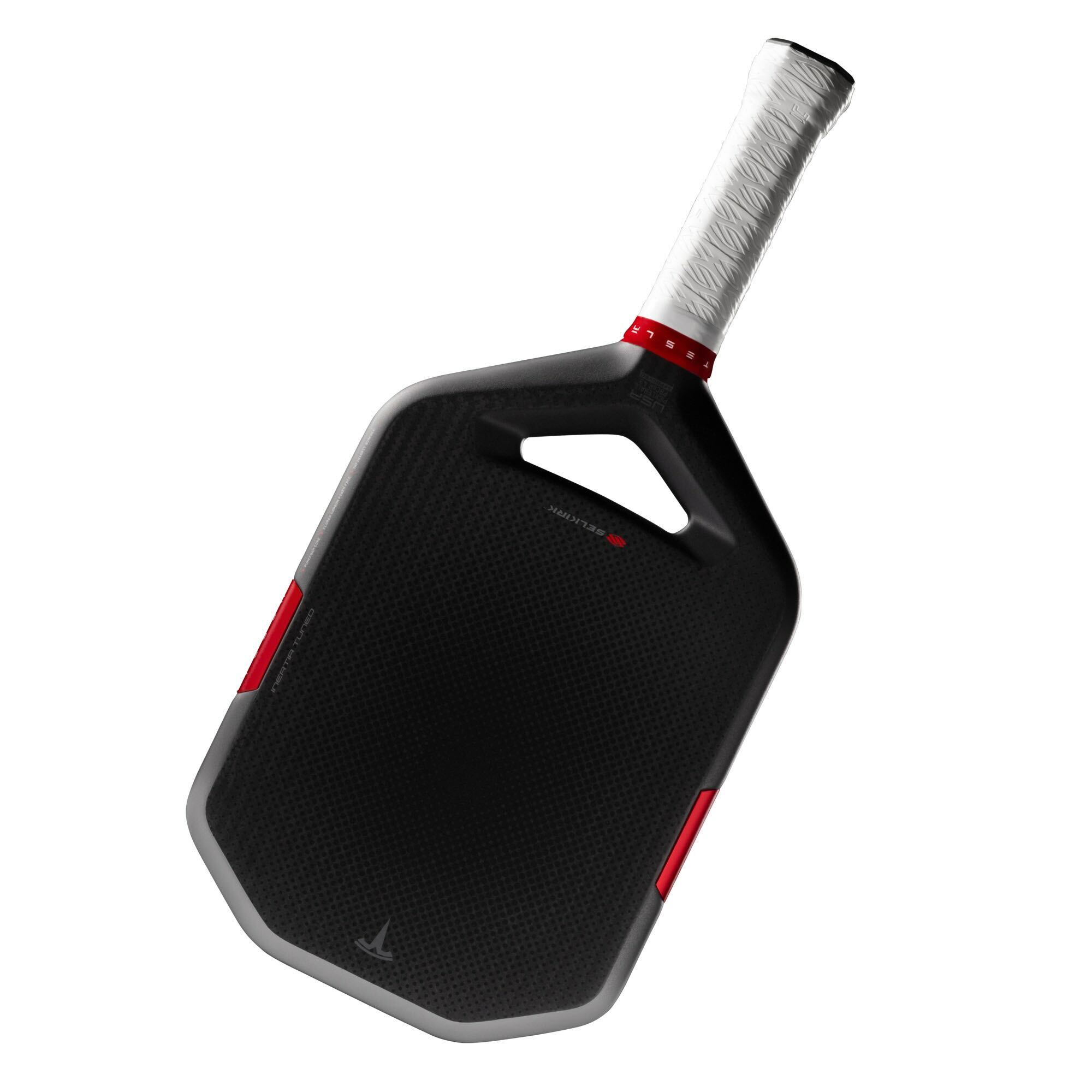
On Friday, the company announced it has partnered with prominent paddle manufacturer Selkirk Sport on an arguably over-engineered accessory meant to “bring advanced aerodynamics and precision performance” to pickleball players with deep pockets. The result, Tesla claims, is a premium product designed to improve swing speed and durability. For context, a typical high-end pickleball paddle usually costs under $150. Even the base-model tennis racket used by Novak Djokovic retails for $299.
But Tesla and Selkirk argue this isn’t any paddle. Designers from both firms started working together on the project in 2024. Tesla was chosen as a partner due to its experience applying aerodynamic modeling tools to its car designs. During testing, Tesla analyzed various changes in airflow that occur when players swing a paddle. That involved measuring drag coefficient (a number that quantifies the amount of aerodynamic drag an object experiences) and turbulent wake patterns (the disturbances in air generated behind an object in motion), much as they would when optimizing a vehicle’s aerodynamics.
All of that data informed the paddle’s final design, most notably its elongated silhouette and “edgeless” perimeter. Normally, paddles have an edge guard or slightly raised rim surrounding the hitting surface.
Selkirk also developed a new “power ring” specifically for this model, which it says helps dampen vibration and increase overall stability. Rings broadly refer to the layers of foam or other materials used in the paddle that help players generate power on shots.
The face of the paddle is made from two-ply carbon fiber, adding control and giving it an appropriately Tesla-esque cyberpunk aesthetic. Once the mock-ups for the product were complete, engineers from both companies “conducted repeated rounds of performance testing.” In other words: lots of pickleballing ensued.
“This project is personal to me,” Selkirk co-owner and the company’s Director of Research and Development Tom Barnes said in a statement shared with Popular Science. “What started as a fun idea between friends evolved into a full collaboration with their design and aerodynamics teams.”
A spokesperson told Popular Science the paddles have already been produced and are ready to ship to customers.
Tesla boards the pickleball bandwagon
Pickleball, once confined to the recreation centers of senior-living facilities, surged in popularity over the past decade. A 2023 report from the Association of Pickleball Players estimated that 14 percent of Americans (roughly 36.5 million people) had played the sport at least once in the previous 12 months. That rapid rise was supercharged by major investments in professional pickleball teams from high-profile athletes like Tom Brady and LeBron James.
Tesla CEO Elon Musk is also apparently a fan. In 2023, he responded to a tweet saying he thought pickleball is “probably going to crush tennis. Way more convenient.”
And while designing paddles might not seem like an obvious fit for a car company, it wouldn’t be the first time Tesla has indulged in attention grabbing side-projects. In the past few years the company released a $1,600 electric quadbike meant for children, a 560 mL “CyberStein” beer mug, and a $450 mezcal. The Boring Company, Musk’s related and beleaguered urban tunnelling project also famously released at least 20,000 handheld flamethrowers. New York lawmakers referenced that product specifically when pushing forward a bill making the use of a flamethrower for recreation activity a felony.
The paddle’s release also comes at a time when Tesla could really use some positive press. Repeated recalls, safety concerns over its self-driving technology, and Musk’s increased political activity have turned the once highly-praised company into a pariah. A survey conducted by CNBC earlier this year found that 47 percent of U.S. adults held a negative view of the company. A separate study from S&P Global Mobility, reported by Reuters, further shows how Tesla’s brand loyalty has plummeted in recent years.
