
We may earn revenue from the products available on this page and participate in affiliate programs. Learn more ›
Deep down, we want to be cyborgs. We spend huge chunks of time interacting with technology every day, but the friction created by devices and interfaces persists. This year, we got closer than we have been to tech that truly augments reality. Meta took its smart glasses beyond its beginning as a simple content creation tool. The rest of the innovations run the gamut from a drone that captures aerial images in a new way to a grand platform designed to help AI systems navigate the physical world. Ultimately, all of these devices are designed to help humans do more of the things humans already like to do. That’s the way it should be.
(Editor’s Note: This is a section from Popular Science’s 38th annual Best of What’s New awards. Be sure to read the full list of the 50 greatest innovations of 2025.)
Grand Award Winner, Gadgets
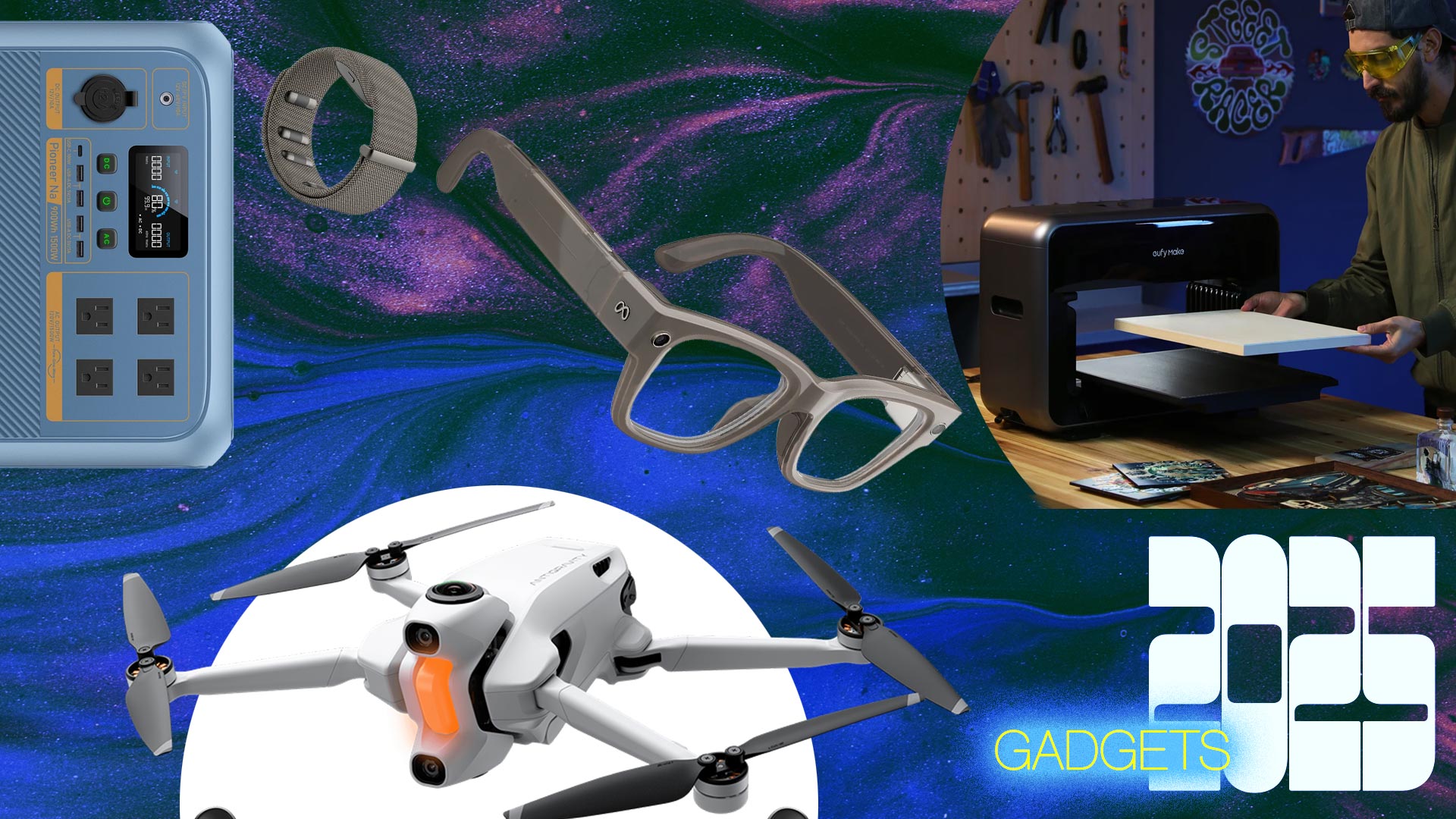
Meta Ray-Ban Display smart glasses and Neural Band by Meta: The first true face computer

Meta’s Ray-Ban Display glasses and Neural Band represent the first successful attempt to make “face computing” feel like a feasible tool rather than a demo. A tiny display in the right lens overlays simple interfaces, captions, directions, and AI answers into your field of view, as the built-in microphones, speakers, and camera handle audio and capture in the background. The paired wristband reads small electrical signals from your forearm muscles so subtle finger movements act as clicks and scrolls, instead of relying on loud voice commands or big mid-air gestures. The near-eye display, on-body sensing, and assistant-like software fit into familiar-looking frames in a way that feels like it could exist in the real world. It makes routine tasks—translation, navigation, quick queries—possible without pulling out a phone, while forcing new conversations about what it means to have nearly invisible cameras and always-on AI in social spaces.
Cosmos by Nvidia: A “world model” stack for physical AI
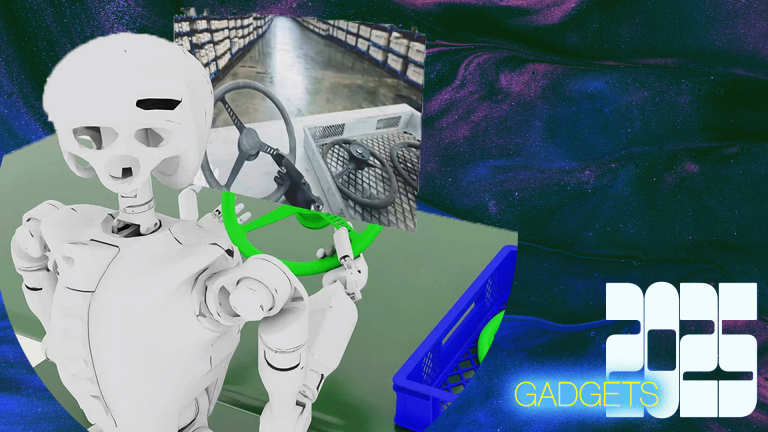
Cosmos is Nvidia’s toolkit for AI systems that have to deal with the physical world, like robots and autonomous vehicles. Video models can generate realistic scenes and short “futures” so machines can practice in simulation, while data tools clean and search huge logs of real sensor recordings for specific situations. Instead of each developer building their own patchwork of simulators and datasets, Cosmos offers a shared set of models and utilities tuned to Nvidia’s robotics and computing platforms.
More infrastructure and logistics are being handed off to automated systems, which need reliable ways to learn about rare or dangerous edge cases without causing real harm. If platforms like Cosmos work as intended, they make it easier to prototype and test those systems in synthetic worlds before they interact with actual streets, warehouses, and people.
Antigravity A1 by Insta360: A 360-degree drone for photo-first flying
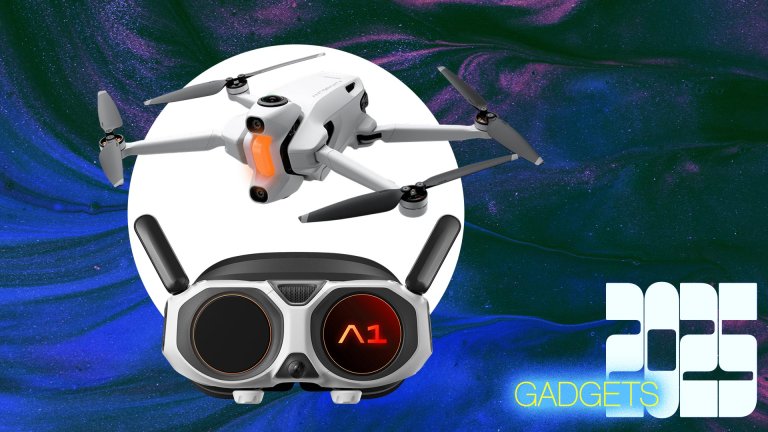
Antigravity’s first drone, developed with action camera maker Insta360, is built around a 360-degree camera instead of a forward-facing one. Rather than aiming a single lens during flight, the drone records everything around it; you decide on the framing later when you edit, turning the same flight into wide landscape shots, vertical clips, or immersive views. By separating “flying” from “camera work,” it lowers the skill barrier for getting usable aerial footage and gives experienced pilots more flexibility in tight or unpredictable environments. It’s a rare case in which a product drastically lowers the learning curve for beginners while substantially expanding creative options for experienced users.
Pioneer Na by BLUETTI: A sodium-ion power station that works in real cold
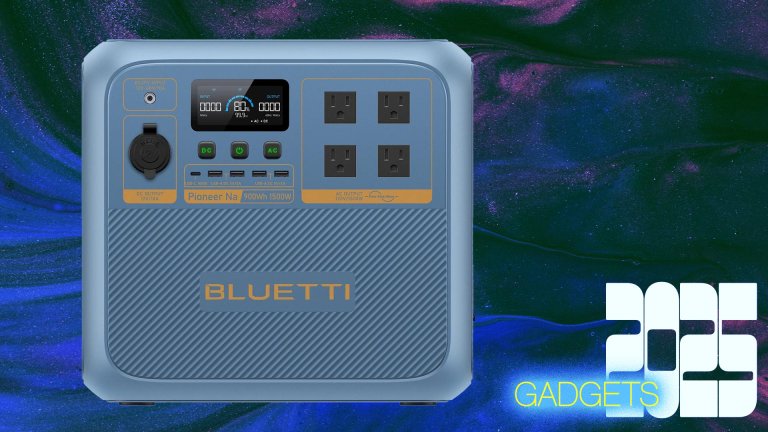
BLUETTI’s Pioneer Na portable power station swaps common lithium-based cells for sodium-ion batteries. Sodium-ion packs generally store a bit less energy per kilogram but offer several important upgrades. For users, the sodium cells can charge and discharge in cold weather conditions where many lithium units either lock out charging or lose much of their effective capacity. Cold tolerance matters for cabins, unheated garages, winter storms, and field work in colder regions, where backup power often fails right when it’s needed most. As a consumer product, Pioneer Na demonstrates how sodium-ion chemistry is moving from lab prototypes into real devices, suggesting a future mix of storage technologies instead of a single, lithium-only path. The sodium-based cells are built from much more abundant raw materials than their traditional competition.
UV Printer E1 by Eufy: A desktop UV printer that adds texture to objects
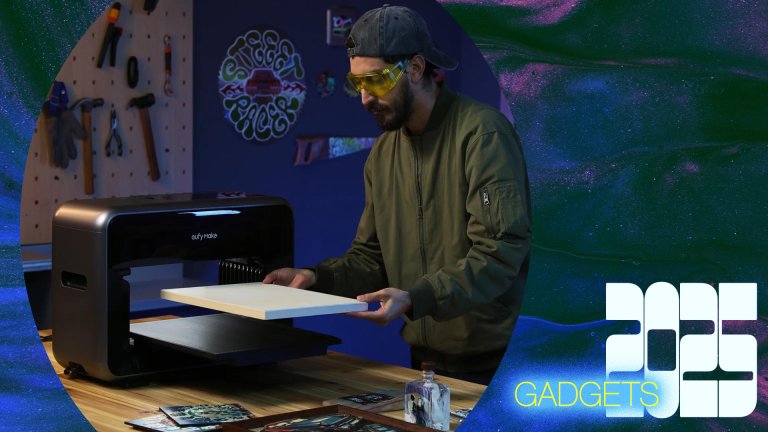
The eufyMake UV Printer E1 is a compact UV printer meant for objects, not paper. It uses UV-curable inks and repeated passes to build up millimeters of raised texture on plastics, metals, glass, and other materials, which are handled by fixtures that can hold flat panels, bottles, and long flexible pieces in the same machine. Alignment lasers, an onboard camera, and automatic printhead cleaning are there to keep that process predictable instead of fussy. Bringing this kind of textured, multi-material printing down to a desktop footprint lets small shops and serious hobbyists produce innumerable artistic and practical projects.
