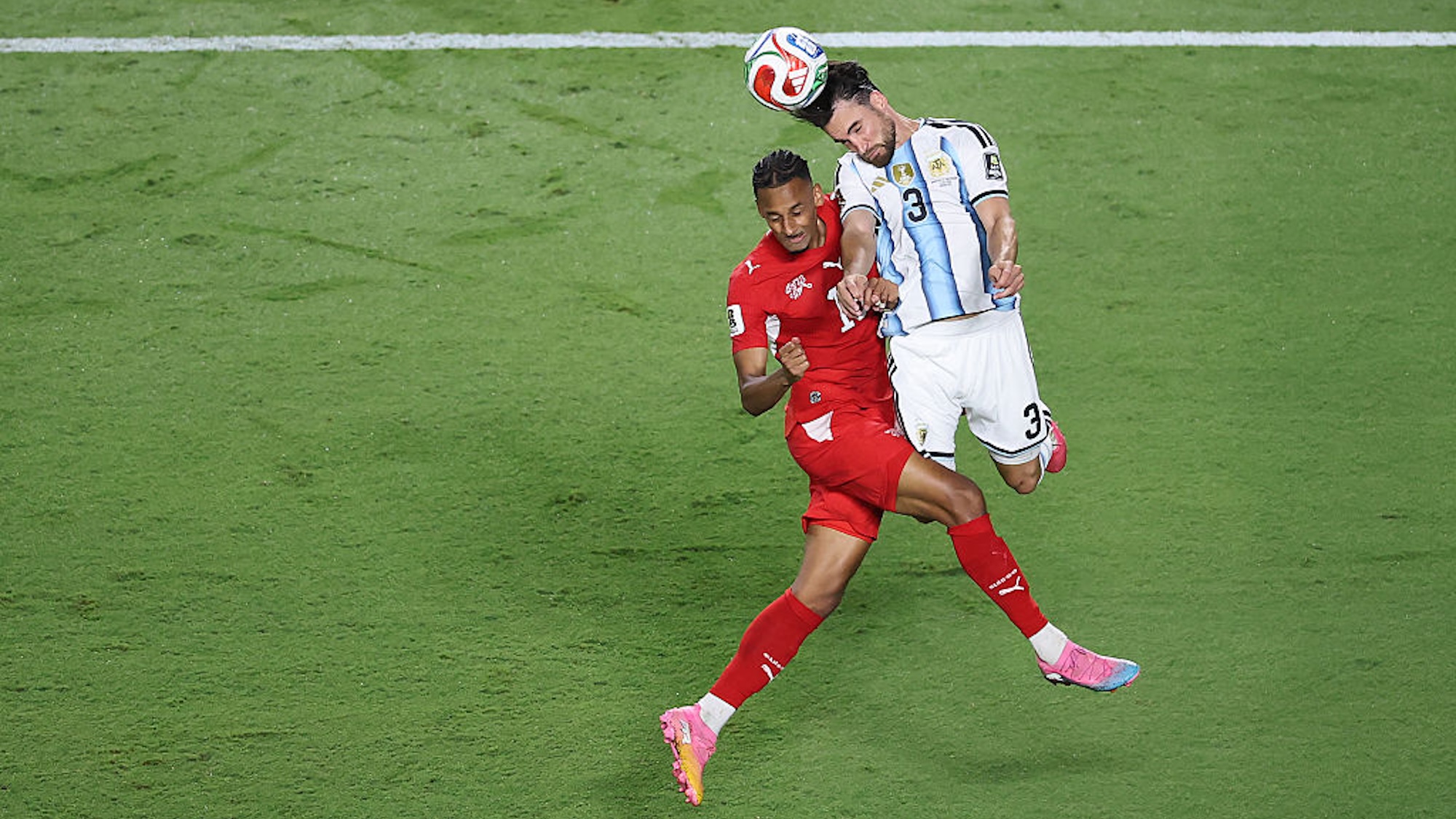
Headers are a staple in soccer, but the impressive (if painful-looking) technique is slowly accounting for fewer iconic moments from the sport’s best players. After crunching the statistics, Northeastern University’s NetSI Sport researchers say the number of header-assisted goals in FIFA World Cup matches has decreased from 23.7 percent in 2018 to just 17.9 percent through 2026’s Round of 16. That said, the tactic is still paying off this year. Over 11 percent of headers resulted in successful team possession conversions while their overall accuracy is around 33.5 percent.
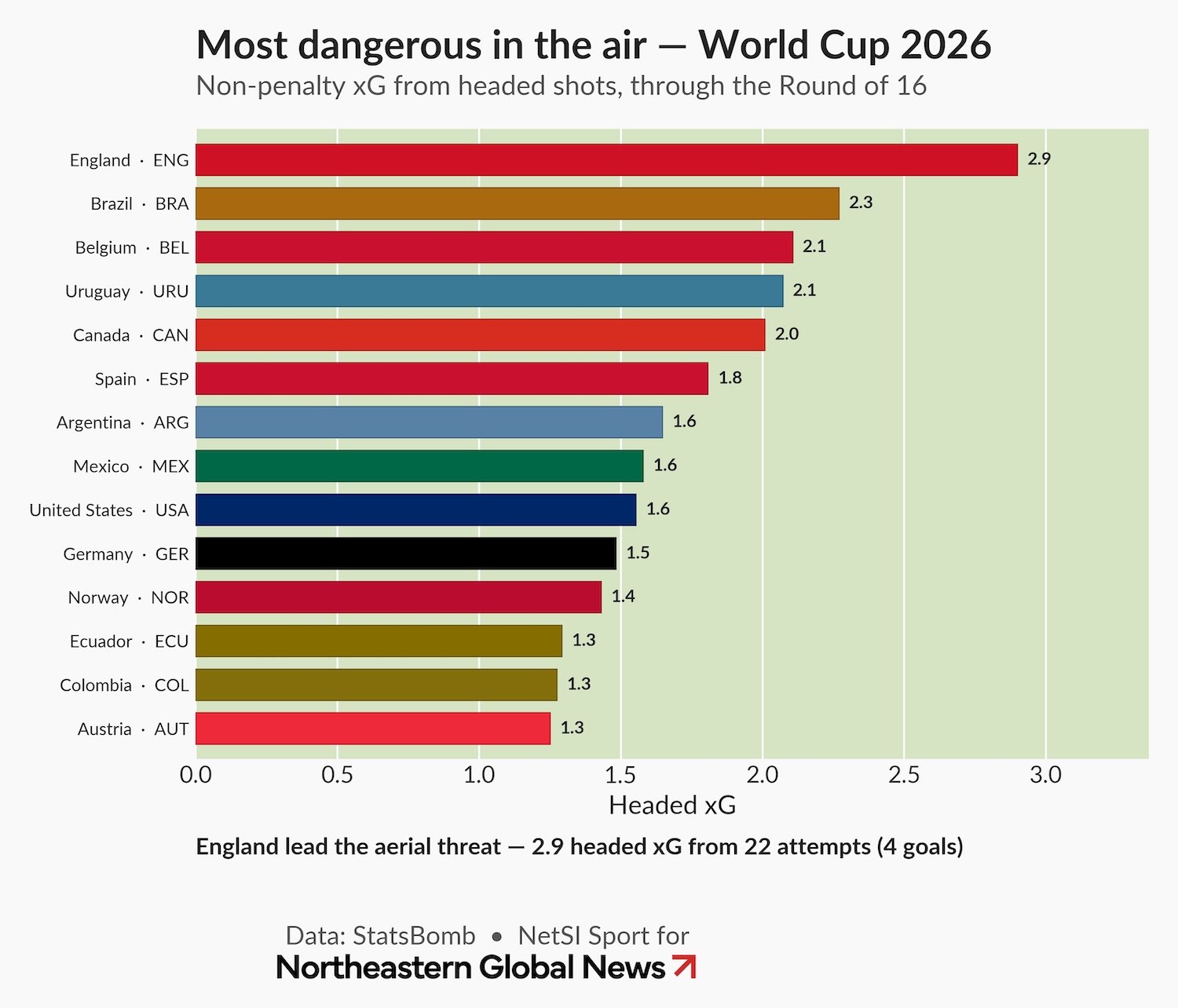
That doesn’t mean teams aren’t opposed to using the technique. Far from it, actually. Northeastern researchers reported only two header assists throughout the entire 2018 and 2022 tournaments to 10 this year so far, with five games left in the competition. Experts said this past season of international club soccer may explain the sharp increase, with teams utilizing more pre-planned strategies during setups like throw-ins and corner kicks.
It’s also clear when in each game that header goals become more likely. About 57 percent arrived toward the end of either half. The likeliest reason? Heightened anxieties.
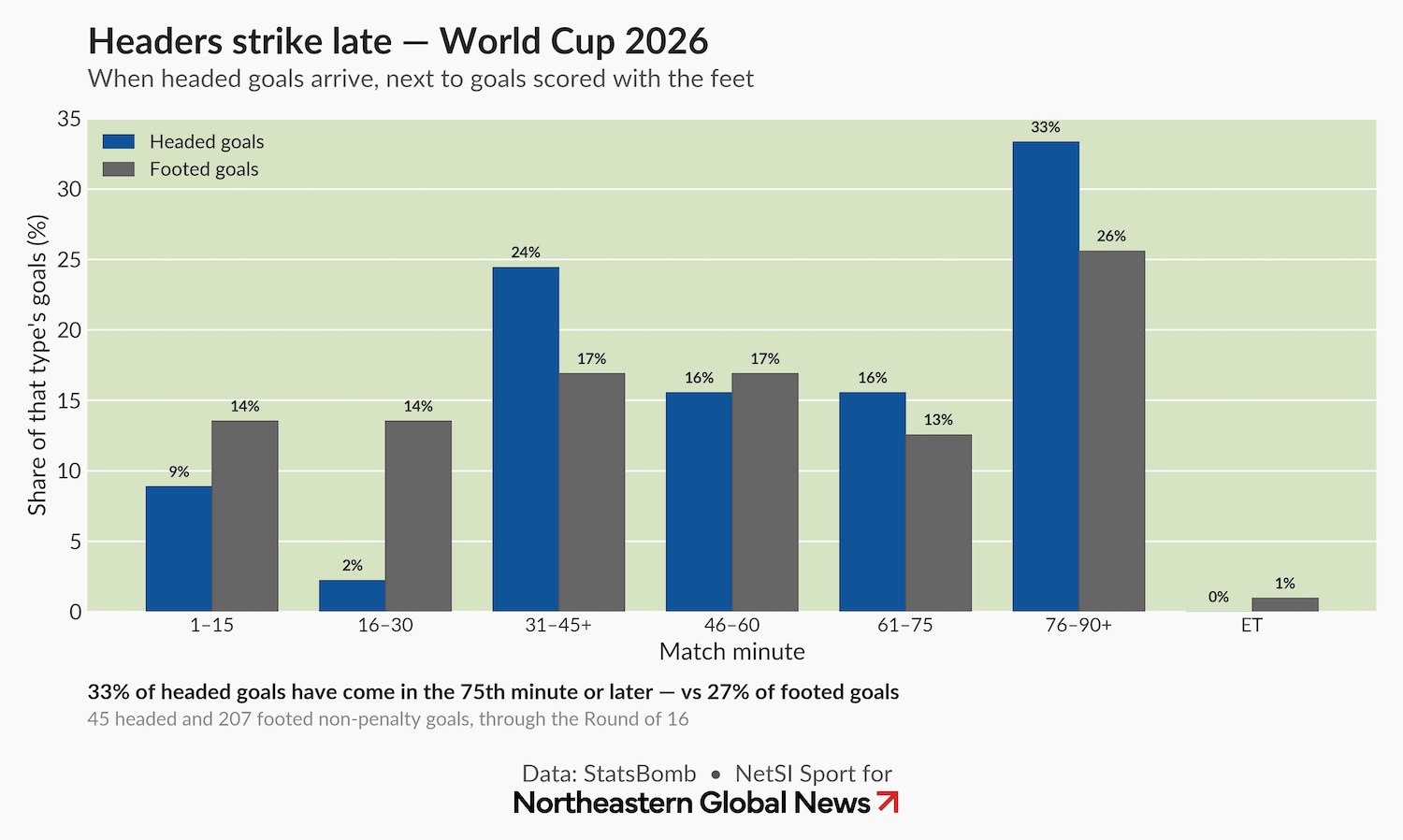
“Teams tried to get higher-quality scoring chances toward the end of the halves by moving players higher up the pitch toward the net, seeking to either gain momentum with a goal before halftime or try to tie or take the lead in the game’s final minutes,” Northeastern’s researchers explained.
Logically, it stands to reason that fans will see at least a few more headers as the World Cup draws to a close. Whether or not they’ll make or break a champion team still remains to be seen.