
The groundwater flowing through the subterranean cave systems of central Texas are vital for both farming and daily life. They’re also underground, ancient archives of the past. In Comal County just north of San Antonio, Bender’s Cave is yielding an unprecedented look at the megafauna that once roamed the region around 100,000 years ago.
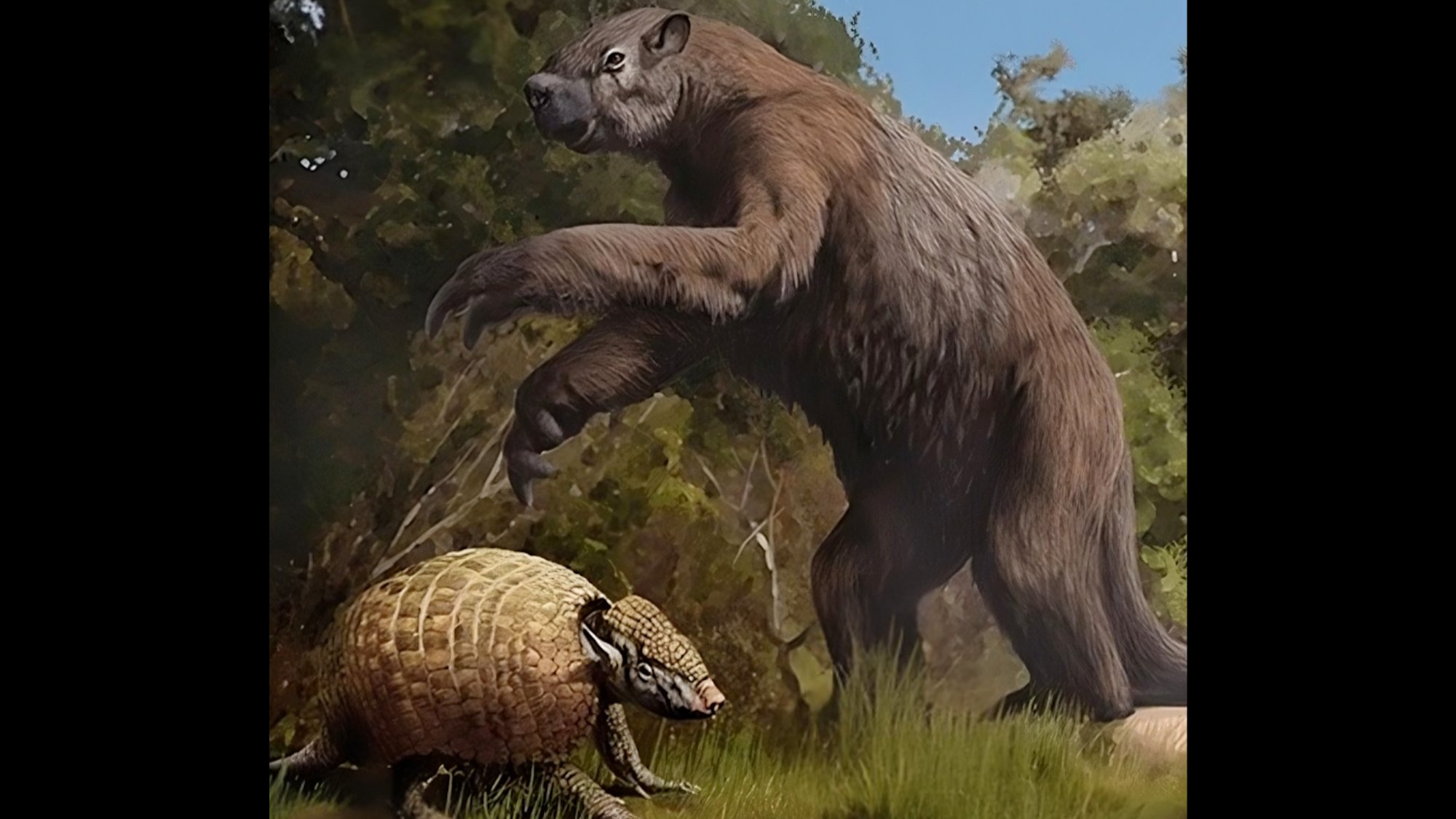
Some of the animal bones lurking inside are completely unexpected, too. As University of Texas at Austin paleontologist John Moretti and explorer John Young described in a paper recently published in the journal Quaternary Research, central Texas was home to giant tortoises, ground sloths, mastodons, as well as pampathere—an ancestor of today’s armadillo that grew as large as a lion.
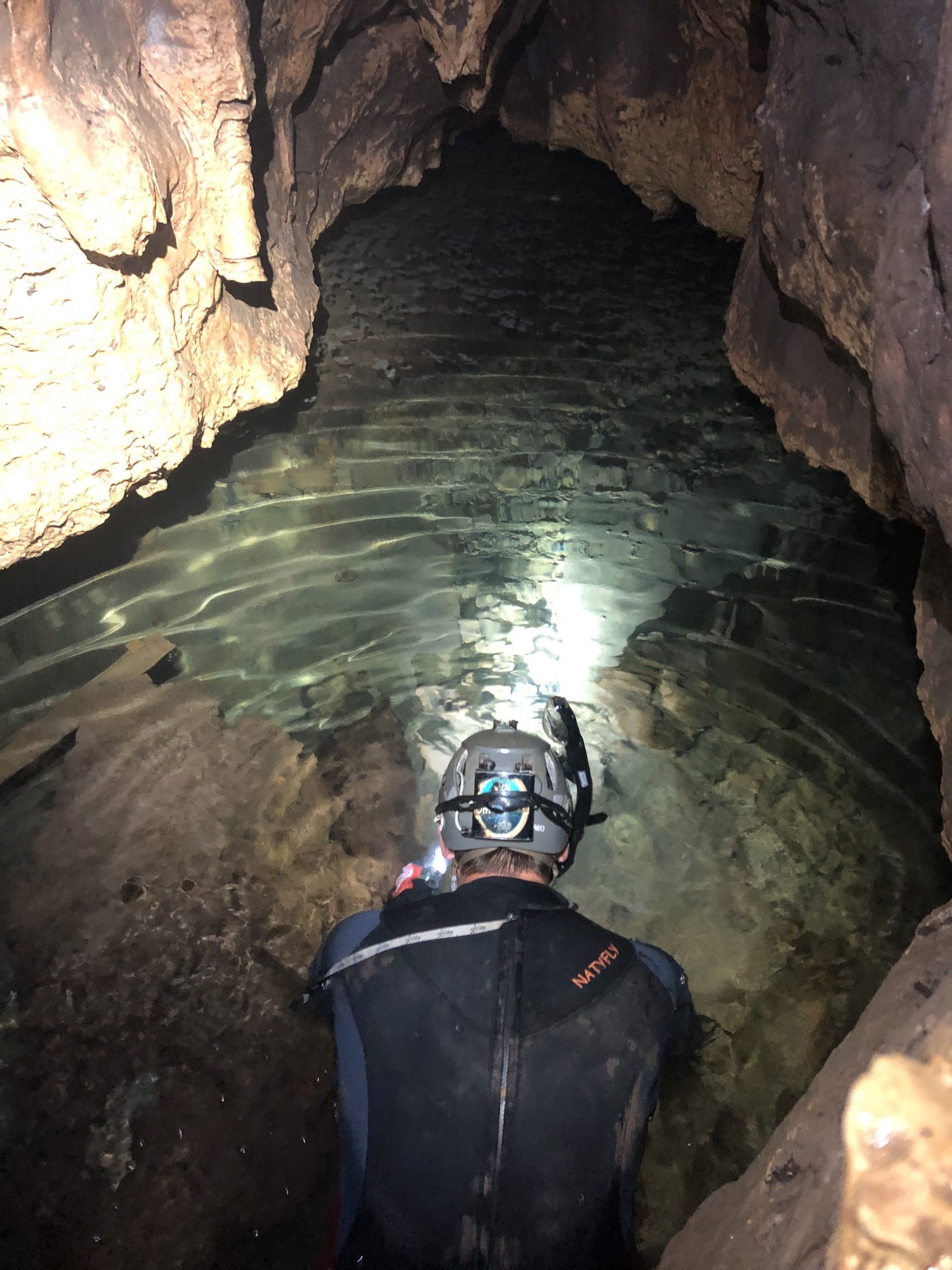
Unlike other paleontological excavations, the team didn’t need shovels or pickaxes. Instead, they swapped out their digging gear for snorkels and goggles. Formations like Bender’s Cave are routinely filled with running streams that fluctuate in depth depending on recent rainfall, flooding, and sinkhole deposits. Erosion also frequently carries down animal bones from the surface, where they can remain undisturbed for thousands of years. Few caverns possess the same cache of fossils as Bender’s Cave, however.
“There were fossils everywhere, just everywhere, in a way that I haven’t seen in any other cave,” recalled Moretti. “It was just bones all over the floor.”
Moretti and Young visited the site six times between March 2023 and November 2024, ultimately surveying 21 separate zones. The fossils are now polished and rust-colored from mineralization after thousands of years underneath the water, but gathering samples was as easy as reaching down and grabbing them.
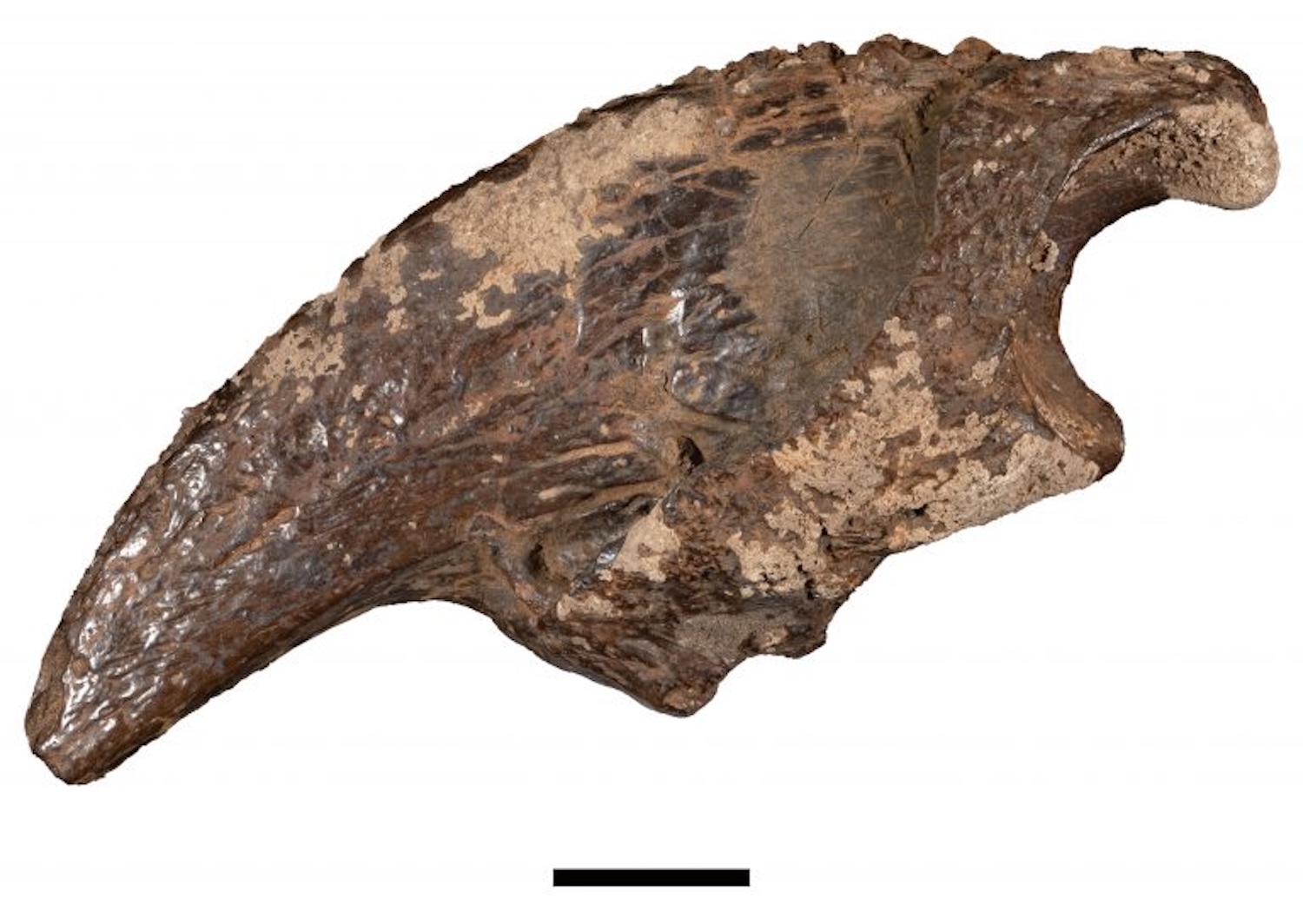
Discoveries included a giant ground sloth’s claw and ancient camel bones, but the pampathere was particularly striking. Originally from present-day South America, the massive armadillo ancestors eventually migrated into North America around 2.7 million years ago during the Pleistocene Epoch, and after the Isthmus of Panama was formed. An adult pampathere likely weighed as much as 440 pounds, but it didn’t pose much of a threat to anyone. Unlike today’s omnivorous armadillos, the pampathere’s jaws and teeth were suited for coarse vegetation until they ultimately went extinct about 12,000 years ago.
A lack of comparative evidence means the fossils’ ages aren’t totally confirmed yet, but the study’s authors believe they likely date back 100,000 years to the last interglacial period—a comparatively warm era during the most recent ice age. If true, the bones are the first examples of interglacial animals discovered in central Texas.
“This site is showing us something different, and that’s really important because of all the work that’s been done in this region,” said Moretti. “If it is interglacial in age, it’s a new window into the past and into a landscape, environment, and animal community that we haven’t observed in this part of Texas before.”
