Add Popular Science (opens in a new tab)Adding us as a Preferred Source in Google by using this link indicates that you would like to see more of our content in Google News results.
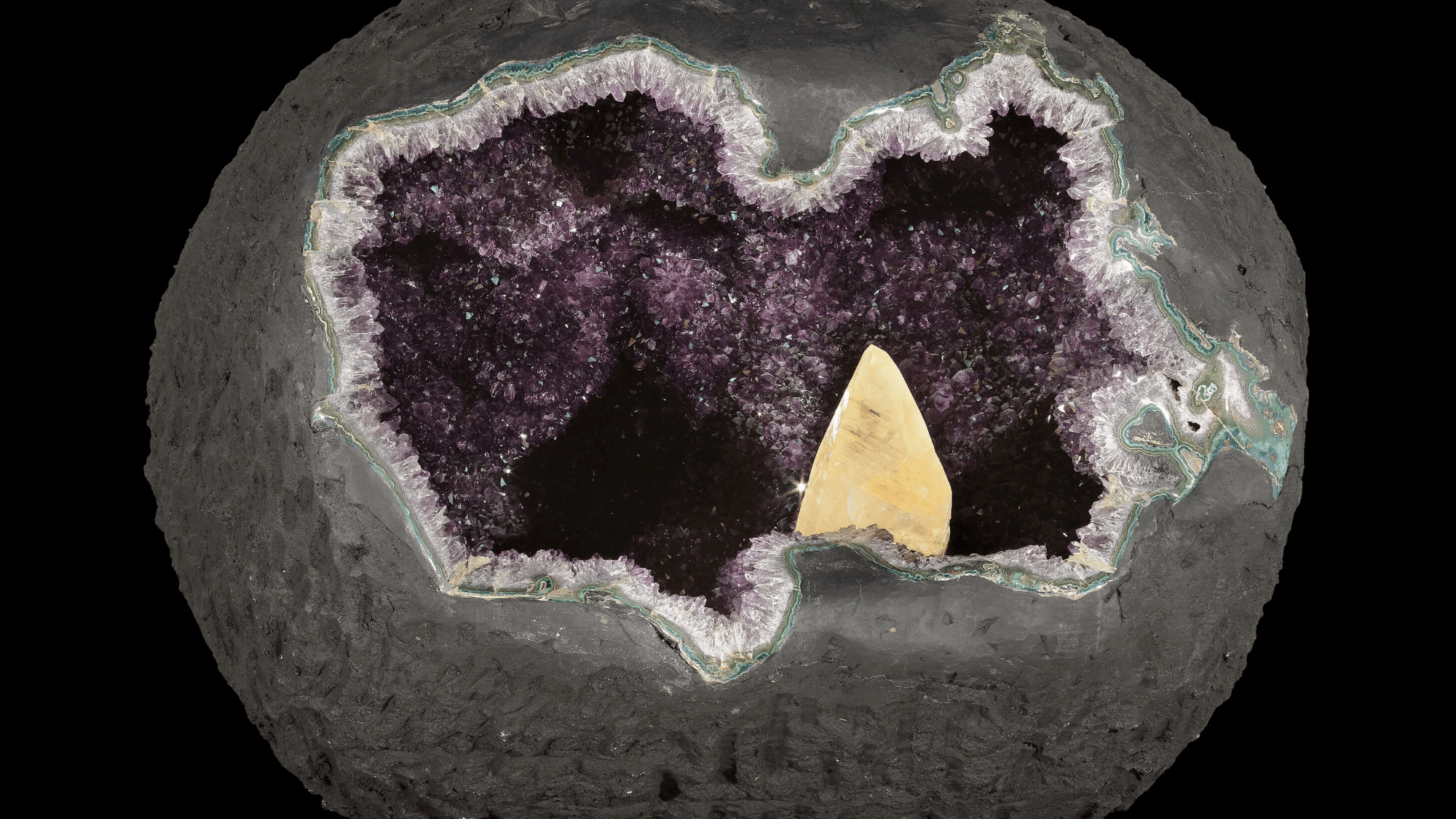
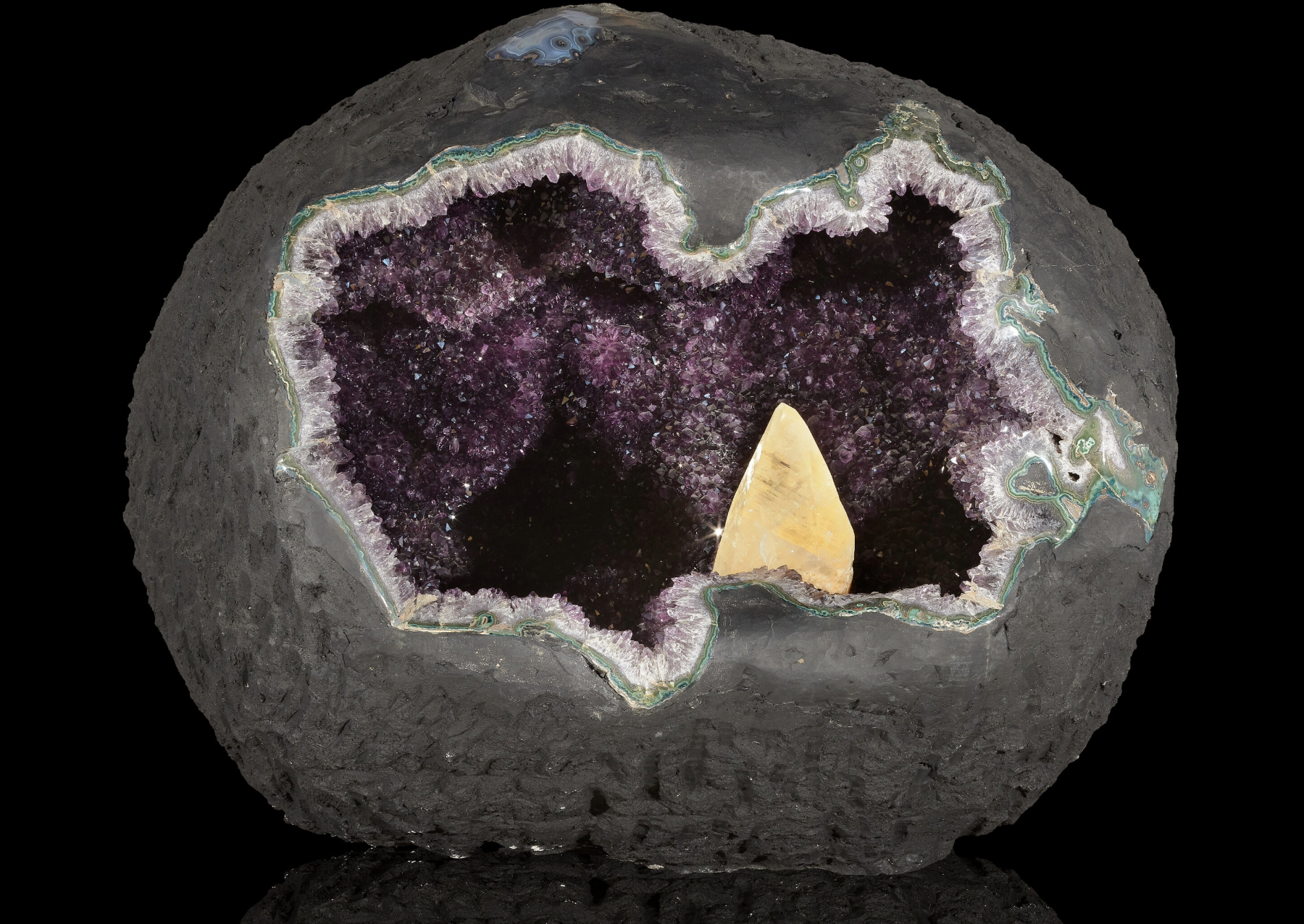
This amethyst geode weighs 1,933 pounds and is 44 inches long.
Heritage Auctions/HA.com
Get the Popular Science daily newsletter💡
Breakthroughs, discoveries, and DIY tips sent six days a week.
Fossils, purple geodes, and more are hitting the auction block during Heritage’s Nature & Science Auction on December 2.
“This is an exceptional event, with every lot from the same consignor,” Craig Kissick, Heritage’s Vice President of Nature & Science said in a statement. “Collections like this, with this level of both quality and variety, rarely reach the collecting market. From fossils to meteorites, and minerals to lapidary arts, this auction has treasures that will appeal to collectors of all kinds.”
Read about some of the upcoming auction’s highlights below. (Click to expand images to full screen.)
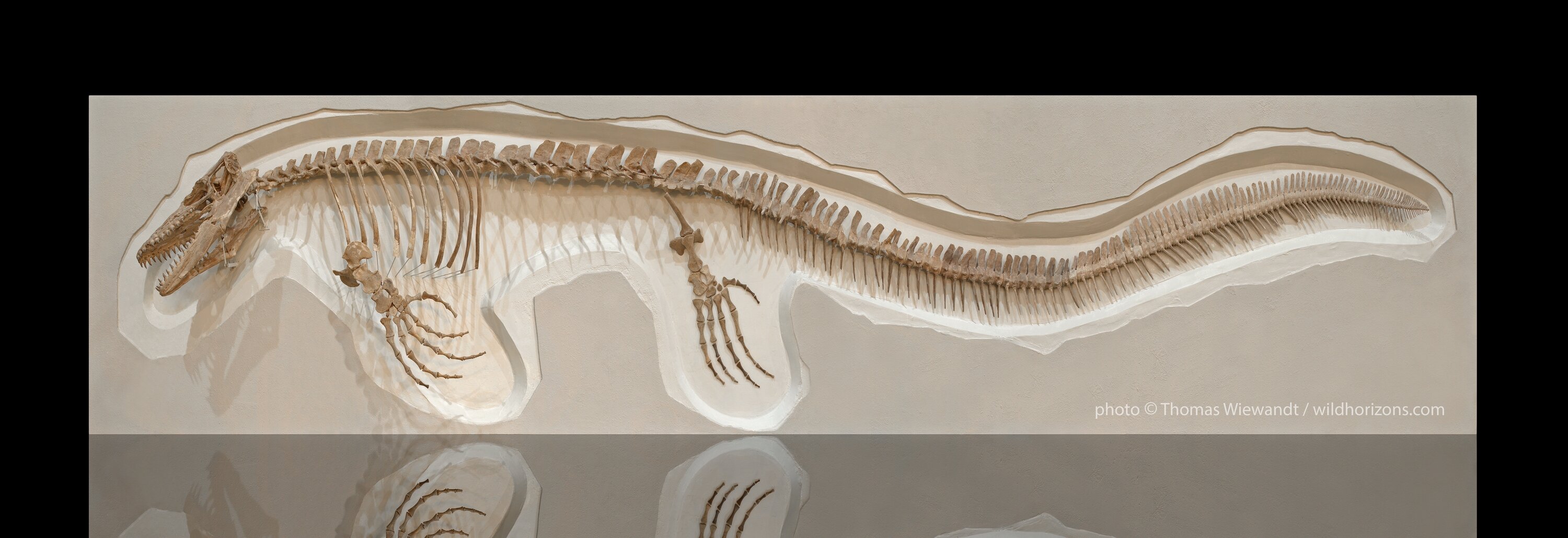
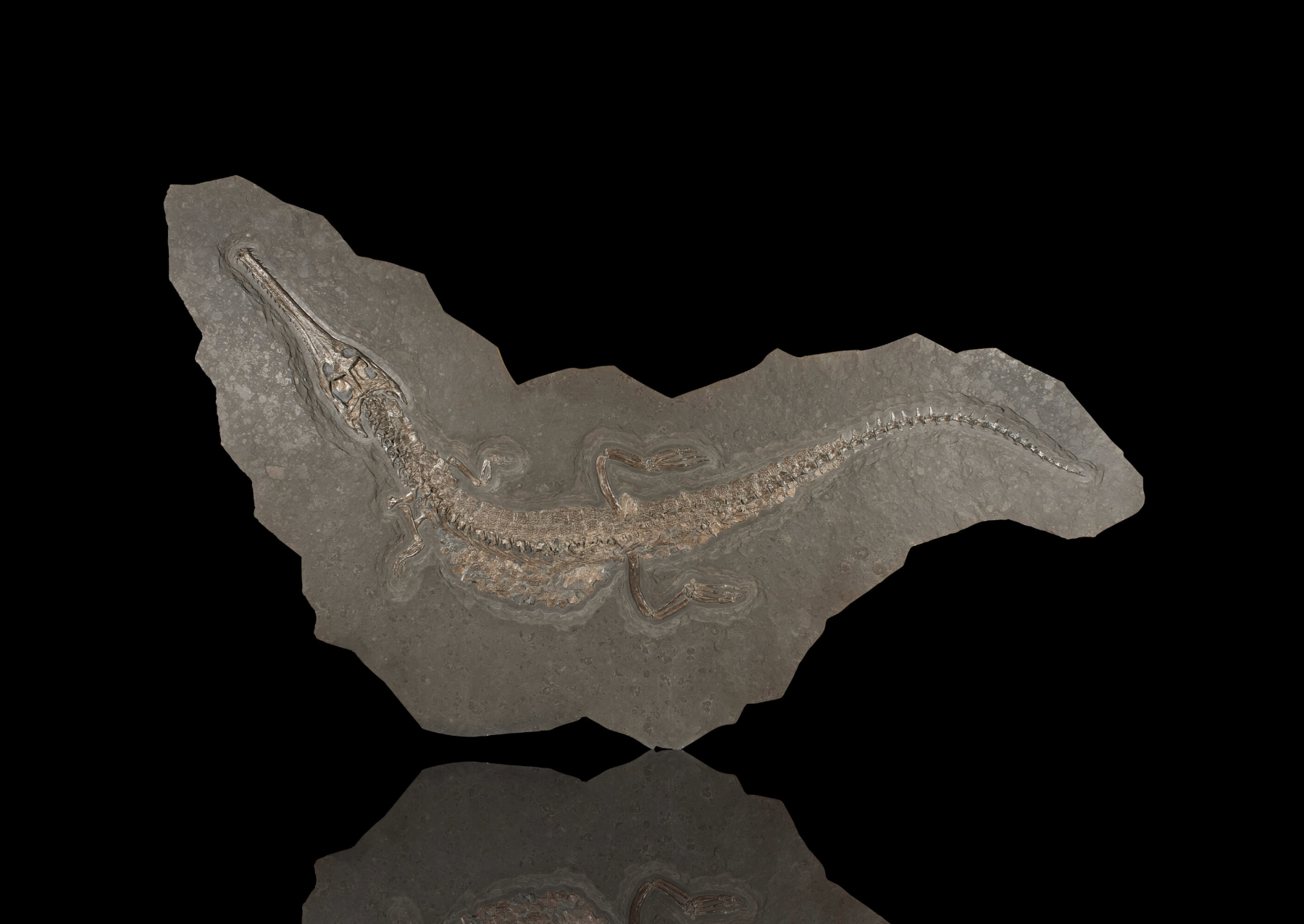
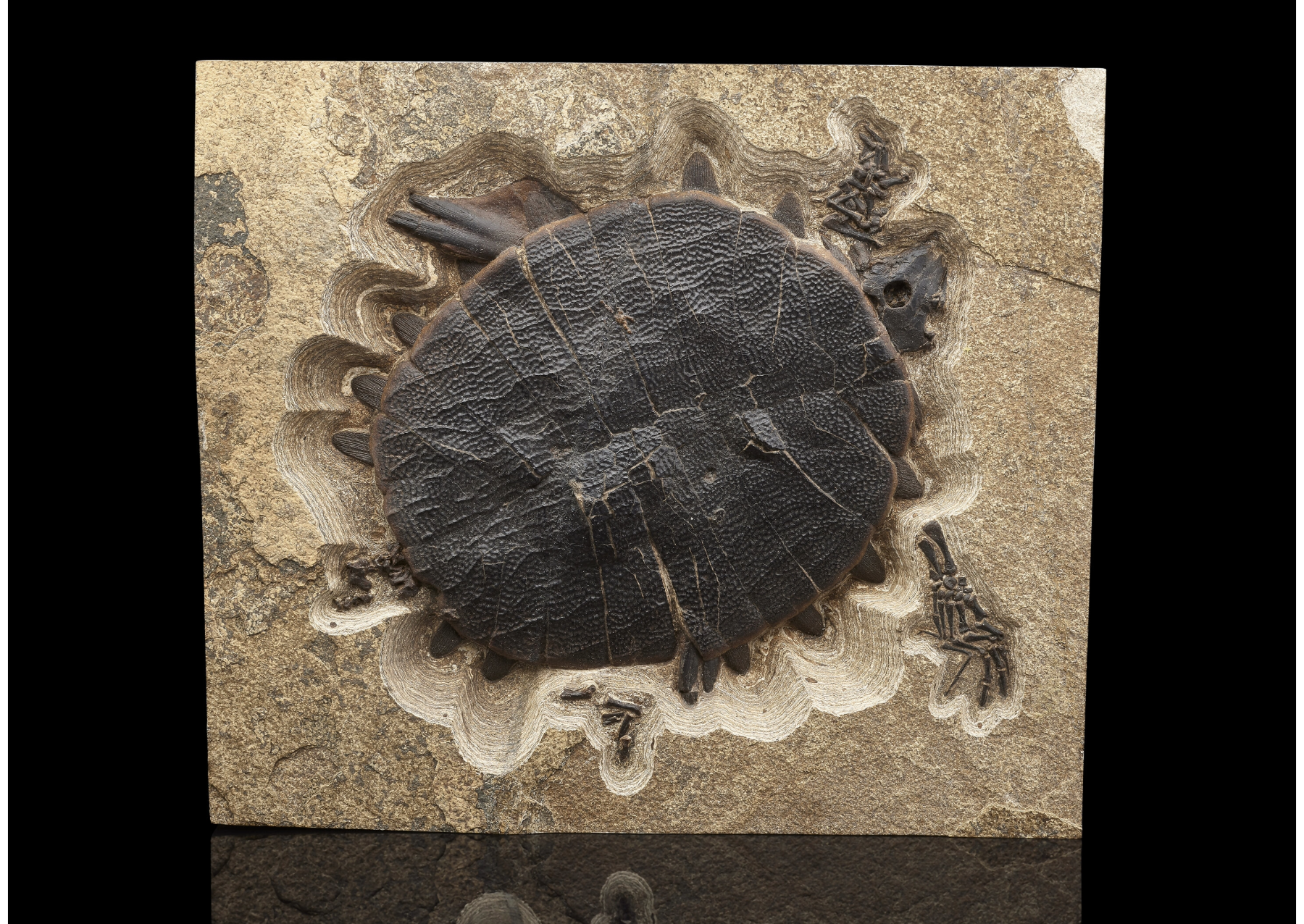
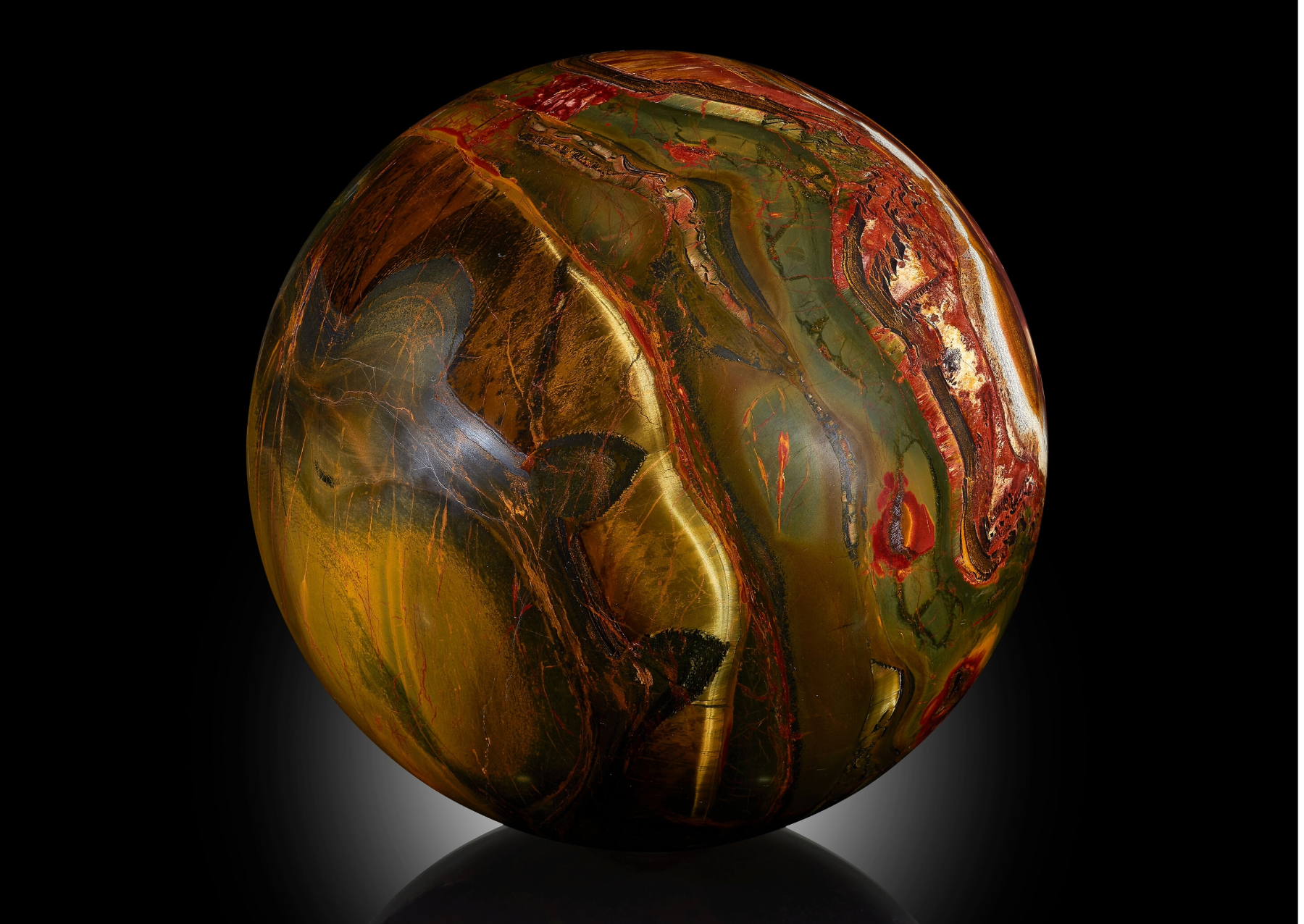
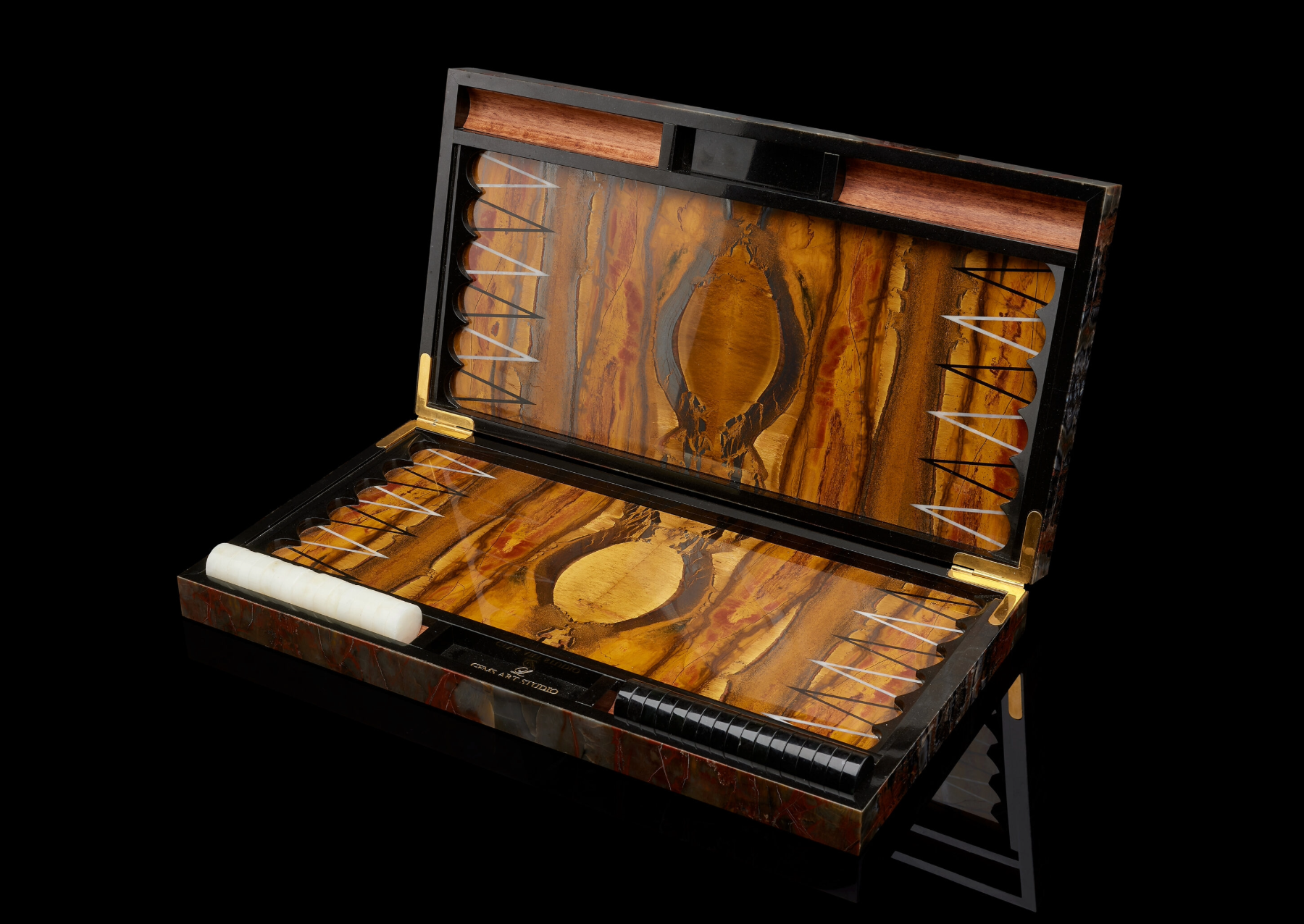
The 22-foot-long mosasaur fossil skeleton dates back to the Cretaceous Period, when this powerful reptile was an apex predator swimming around the Western Interior Seaway that once covered the central United States. They are known for their serpentine-like bodies, sharp jaws, and ambushing. This specimen was uncovered in Kansas’ Niobrara Chalk Formation. This fossil site features limestone that has helped preserve them over time. Image: Heritage Auctions/HA.com. Thomas WiewandtThis 10-foot-long skeleton of crocodile relative Steneosaurus bollensis is also up for bid. It dates back to the Early Jurassic and was uncovered in Germany’s Posidonienschiefer Shale. Compared with modern crocodiles, the skull is lighter and narrower, and has more elongated, and tapered snout. Its nostrils also sit at the top of the snout and are connected to the throat via a bony canal. This physical shape helped the reptile breathe when partially submerged in warm, shallow seas of the Jurassic. Its sharp, conical teeth were also best suited for snatching fish. Image: Heritage Auctions/HA.com.This freshwater turtle specimen dates back about 50 million years ago during the Early Eocene. It was uncovered in present-day Lincoln County, Wyoming—a fossil-rich area known for well-preserved prehistoric plant life. This specimen represents a juvenile Axestemys byssinus. According to Heritage, complete turtles of this size (almost 18 inches long) are exceedingly rare. Image: Heritage Auctions/HA.com. A Marra Mamba Tiger’s-Eye Sphere from Australia. Image: Heritage Auctions/HA.com.A backgammon set with board and pieces, also uncovered from Australia. The game is made with highly polished slabs of petrified wood from Arizona and has an interior of Australian tiger’s-eye. Game pieces are made of black and white nephrite. Image: Heritage Auctions/HA.com. This amethyst geode with calcite crystal from Uruguay is truly a giant gem. It weighs in at 1,933 pounds and is 44 inches long. The calcite crystal stands 10 inches high and the amethyst crystals are considered gem quality. Geodes like this one originate within volcanic vugs, or hollow cavities that were created by ancient gas bubbles within solidified lava. Over thousands of years, mineral-rich hydrothermal fluids percolated into these voids, bringing in layers of iron and silica that crystallized under the immense heat and pressure from Earth’s core and mantle to form the amethyst’s purple hue. Image: Heritage Auctions/HA.com.
Additional images and information about all lots in this auction can be found here. Bidding begins on Tuesday December 2 at 10:50 a.m. CST.