
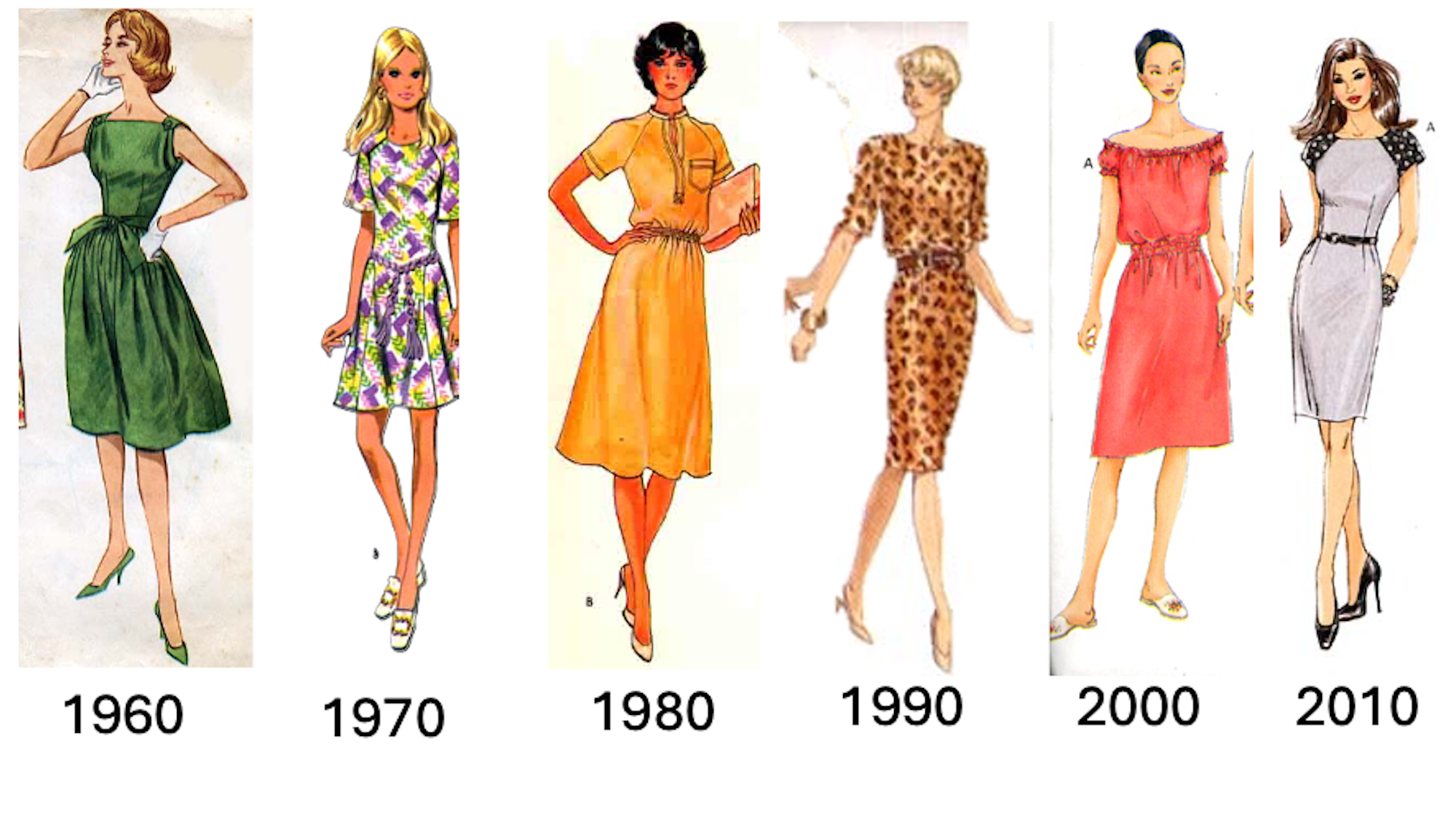
Clothing trends come and go, but in some cases, they don’t stay away for too long. For decades, both the fashion industry and its devotees have referenced the so-called “20-year-rule,” which suggests society is liable to see certain styles return at semiregular intervals. However, without any hard data to back up the claim, that “rule” has long remained more of a hypothesis.
That’s changing, thanks to recent analysis from mathematicians at Northwestern University. After examining nearly 160 years’ worth of women’s clothing, an interdisciplinary research team confirms that fashion trends frequently resurface every 20-or-so years.
“To our knowledge, this is the first time that someone developed such an extensive and precise database of fashion measures across more than a century,” study lead author Emma Zajdela said in a recent university profile.
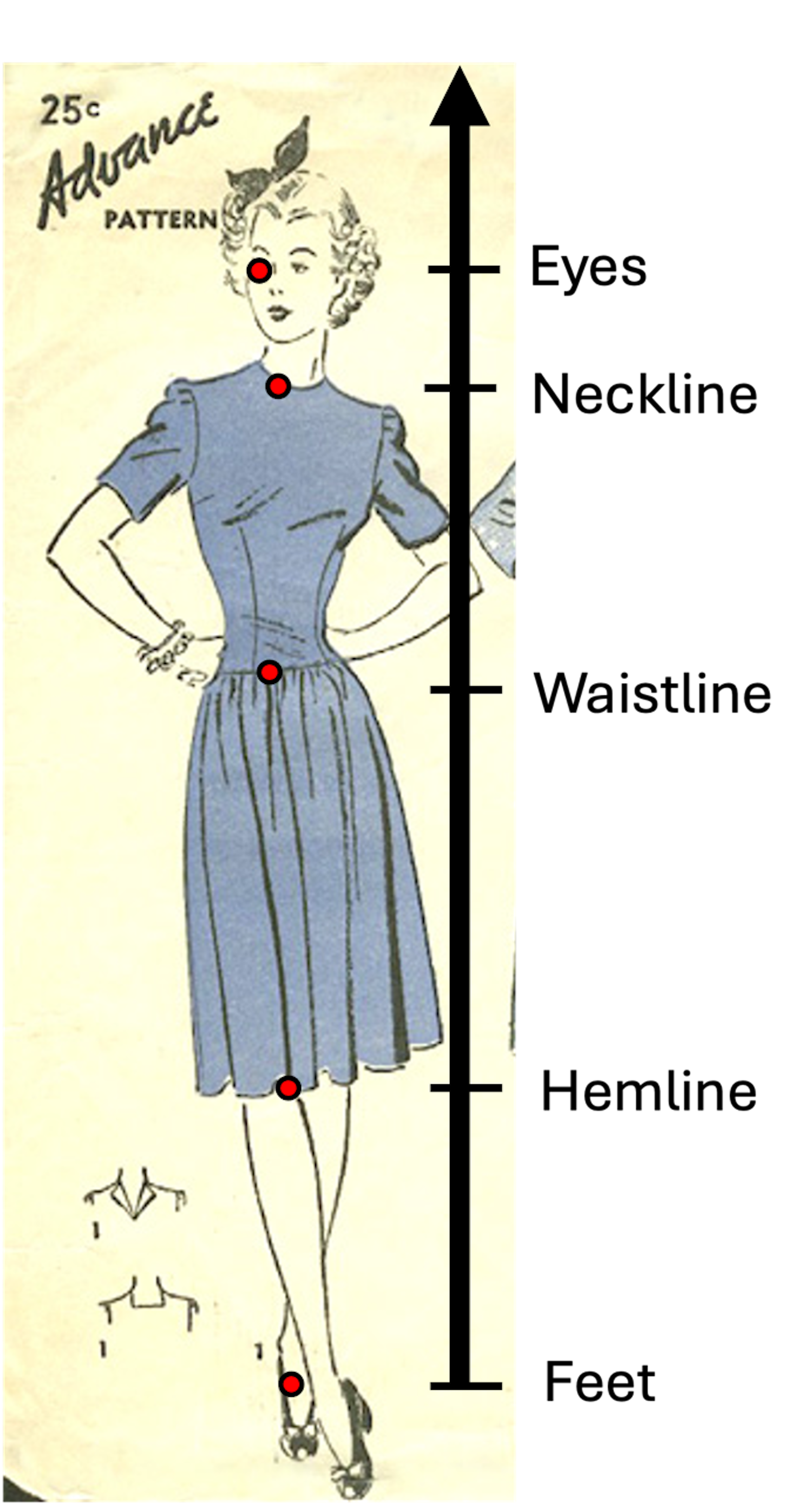
To reach their conclusions, researchers first compiled a dataset of about 37,000 garments by combining the University of Rhode Island’s Commercial Pattern Archive with generations of runway collection images dating back to 1869. They then broke down clothing based on specific features including hemline, waistline positioning, and neckline to assess each example in measurable, numerical terms. Finally, they built a new mathematical model to analyze the push-and-pull between novel and more recognizable fashion designs. According to Zajdela and her colleagues, the evidence clearly shows that the fashion industry routinely recycles certain themes and designs around every two decades.
“Historically, the lack of data posed a barrier to explicit quantitative study of this system,” explained Zajdela, adding that they now have “some very interesting results.”
Basically, the fashion industry is constantly fluctuating between originality and tradition. Once a clothing style is too popular, designers begin changing their new apparel just enough to stand out while still remaining desirable to potential wearers.
“Over time, this constant push to be different from the recent past causes styles to swing back and forth. The system intrinsically wants to oscillate, and we see those cycles in the data,” said applied mathematician and study coauthor Daniel Abrams.
The most obvious example of this pattern is the hemline. For more than a century, skirt fashion has swayed between short and long styles. Flapper dresses with short hemlines were all the rage in the 1920s, but gave way to lengthier designs in the 1940s and 50s. By the 1960s, the trend returned back to even shorter options like the miniskirt.
However, despite this mathematical support, the 20-year-rule may not last much longer. Beginning in the 1980s, the short-long skirt dichotomy began breaking down as both options remained popular for wearers.
“In the past, there were two options—short dresses and long dresses. In more recent years, there are more options: really short dresses, floor-length dresses and midi dresses,” said Zajdela. “There is an increase in variance over time and less conformity.”
Only time will tell if the 20-year-rule remains in effect. Until then, it’s probably best to hold on to that old piece of clothing for at least a little bit longer. It’s not only good for your wardrobe—it’s good for the environment.
