

Today, NASA released the most detailed images yet of 3I/ATLAS. The comet is currently traveling through the cosmos and only the third known interstellar object observed in our solar system. During a press conference on November 19, NASA confirmed the icy rock poses no danger to Earth, and contrary to certain conspiracy theories, is not an alien spacecraft.
“It expanded people’s brains to think about how magical the universe could be,” said Dr. Tom Statler, lead scientist for solar system small bodies, during the livestream announcement.
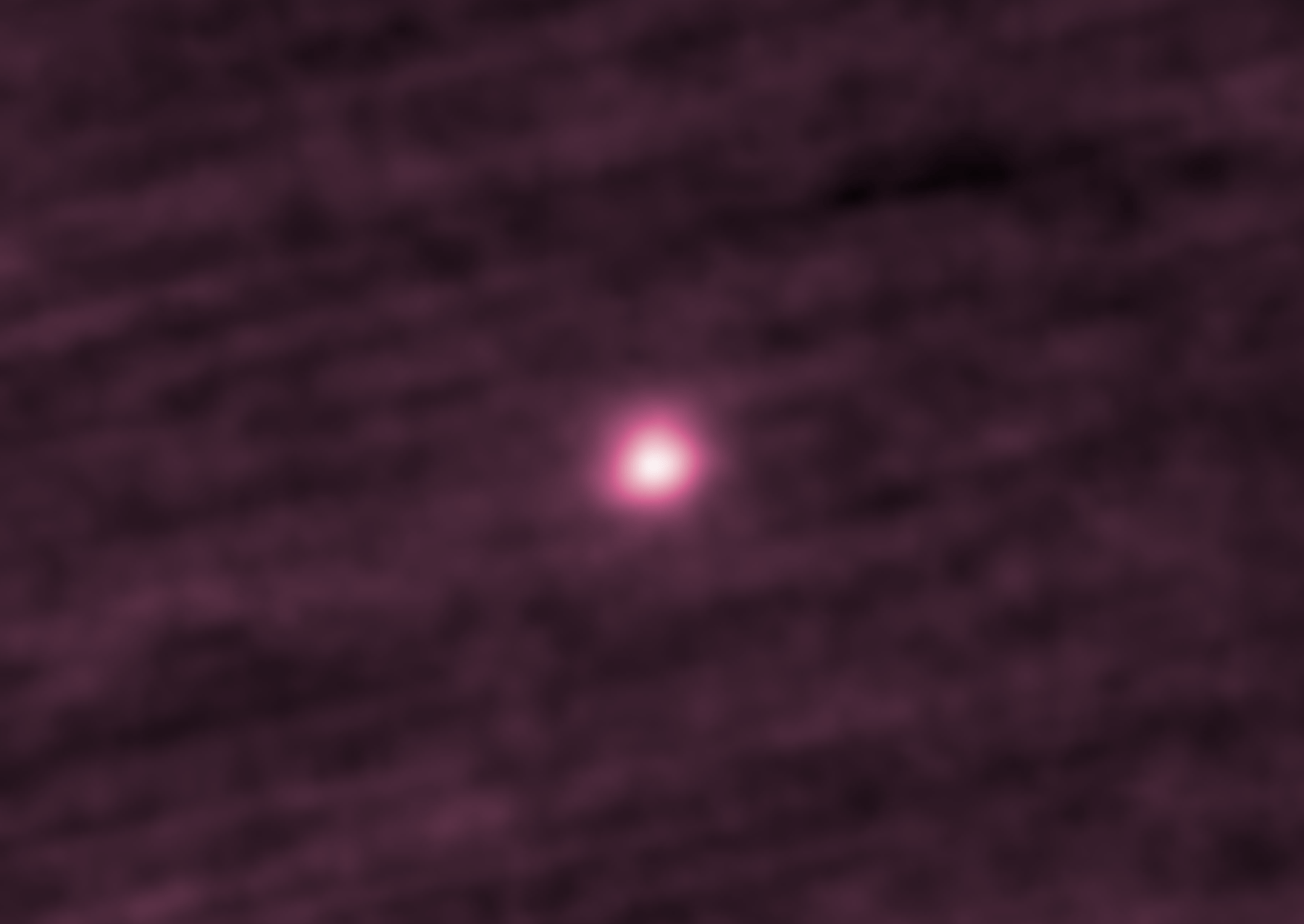
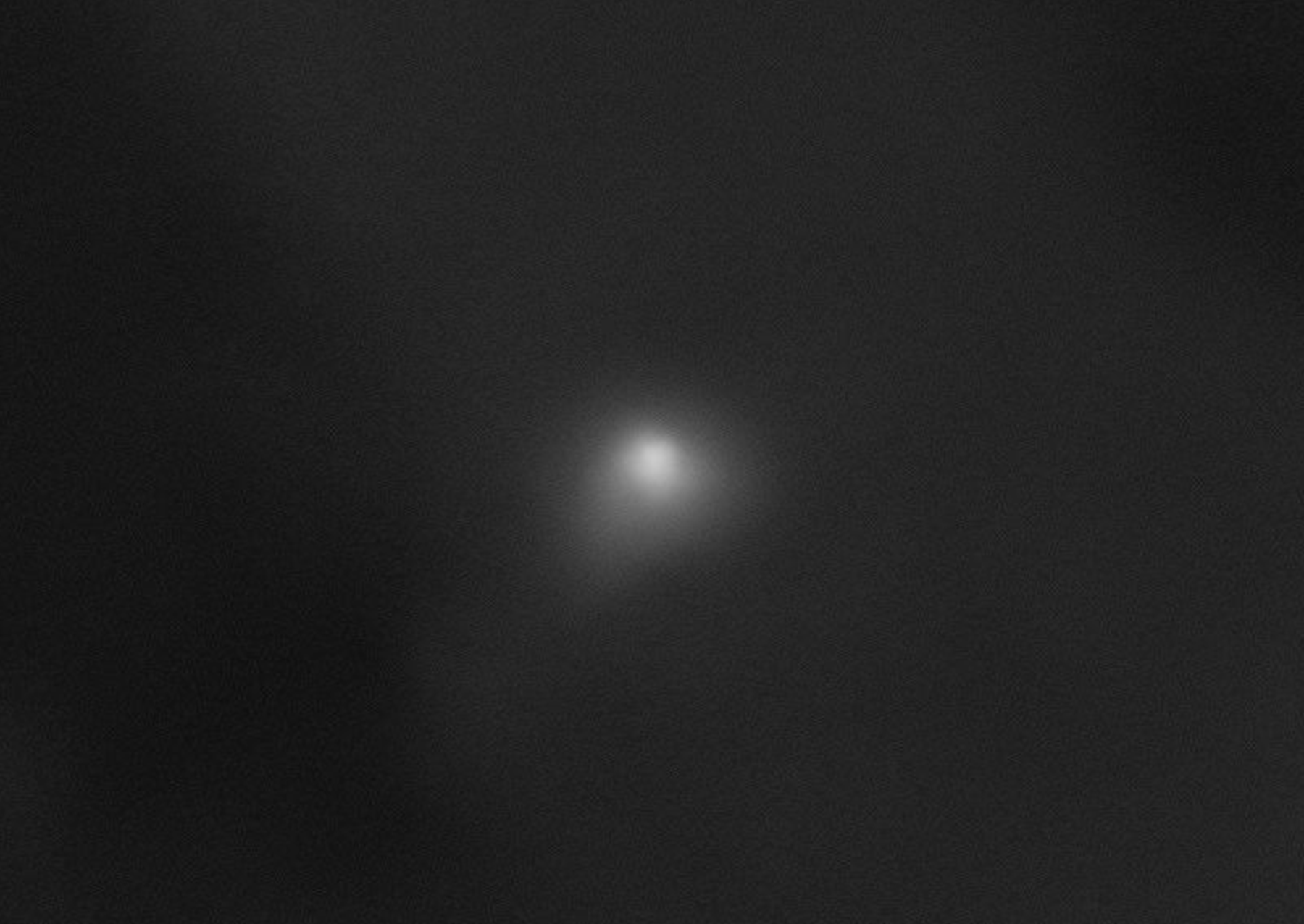
Several NASA spacecraft including the James Webb Space Telescope (JWST), Hubble Space Telescope, and LUCY all imaged the interstellar visitor as it travels through our solar system. A sample of the images are listed below. (Click to expand images to full screen.)


[ Related: Scientists finally solve the mystery of why comets glow green. ]
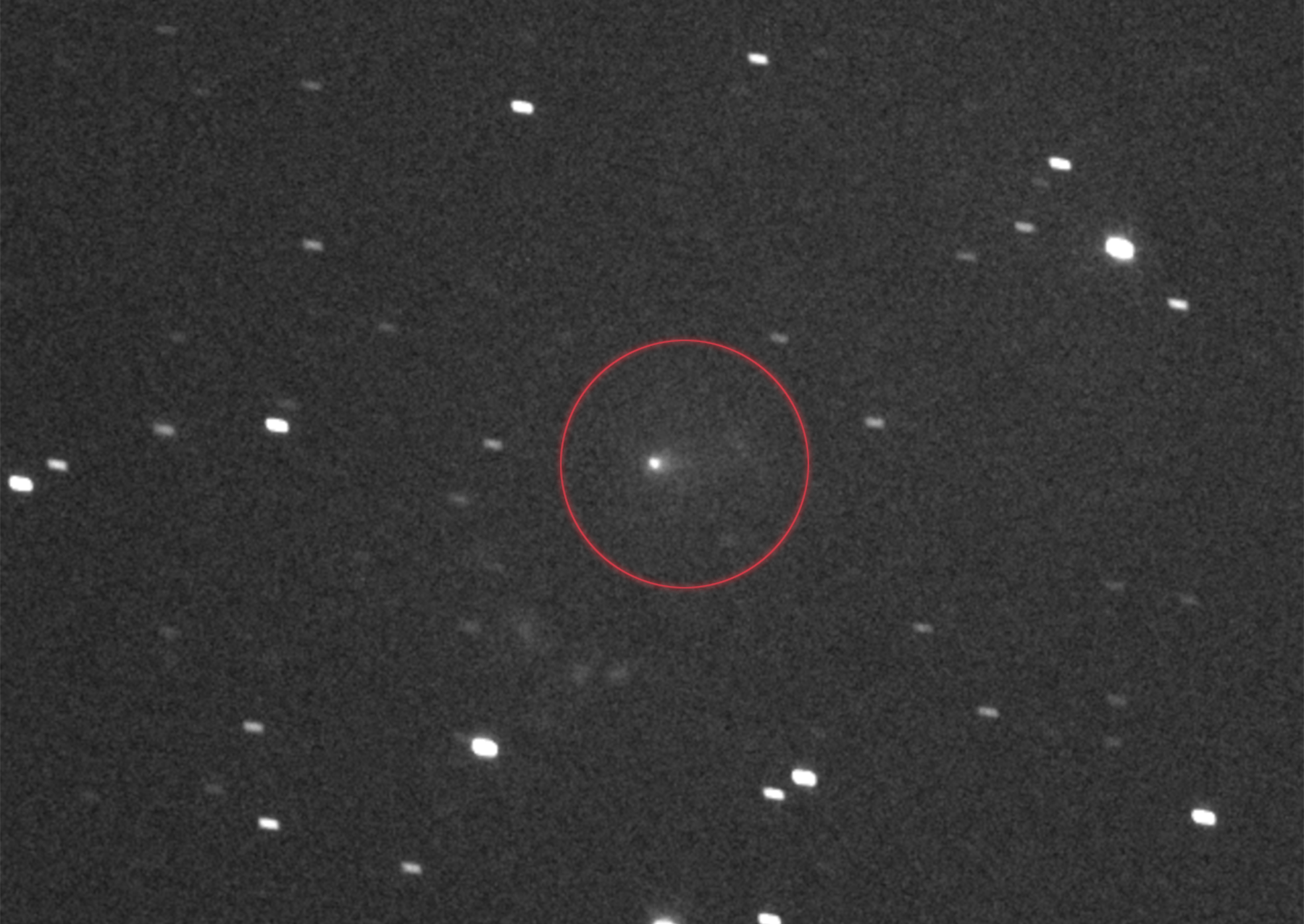
The speedy Comet 3I/ATLAS was discovered by the Asteroid Terrestrial-impact Last Alert System (ATLAS) observatory on July 1. Currently, it is only the third object ever identified as entering our solar system from elsewhere in the galaxy. The space rock doesn’t pose any known threat to Earth and will not get any closer than 170 million miles away. However, it only flew within 19 million miles of Mars in October.
When 3I/ATLAS was first discovered, it was traveling at about 137,000 miles per hour. As it was pulled by the sun’s gravity, the comet’s speed increased to about 153,000 miles per hour when it made its closest approach to the sun on October 30. While it skirted by the sun, three spacecraft had the chance to document the ancient, icy cosmic rock. These include the Mars Atmosphere and Volatile EvolutioN (MAVEN) spacecraft, which provided a composite gas spectrum image depicting what NASA officials called “science wiggles” emanating from the comet.

As far as physical features, NASA says 3I/ATLAS has speed, color, and direction that are, “consistent with what we’d expect from a comet.” It has an icy nucleus and a coma—a bright cloud of gas and dust that surrounds the comet. That coma is emitted at increasing rates as the comet approaches the sun.
Earlier this month, conspiracy theories and misinformation about the comet changing color spread online. Multiple outlets asserted 3I/ATLAS had suddenly, and perhaps inexplicably, changed in appearance. Earlier observations indicated that 3I/ATLAS appeared red in color, but additional analysis led astronomers to note in a preprint study it’s actually “distinctly bluer than the sun.” Study co-author Qicheng Zhang at Arizona’s Lowell Observatory asserted that there is no evidence of the gas coma changing color. 3I/ATLAS only “changed color” when the coma brightened as it zoomed closer to the sun.
NASA is still waiting on more data from ongoing satellite and space probe downlinks, but can already surmise some incredible details about the comet. Based on circumstantial evidence such as observed speed, experts theorize 3I/ATLAS possibly originated from a distant solar system much older than our own. While this will be the comet’s only pass through our solar system, Science Mission Directorate associate administrator Nicky Fox explained that the James Webb Space Telescope will become the primary tool to study 3I/ATLAS as it heads back into the depths of interstellar space.
“It expanded people’s brains to think about how magical the universe could be,” added Statler. “It gives me goosebumps to think about, honestly… It’s a window into the deep past.”
