
Popular Science Podcasts
Popular Science podcasts unearth the universe’s strangest histories. They answer your most mind-burning questions. They tell spin yarns about scam artists and celebrity diets and video games and poodle haircuts. PopSci’s shows are simply the best science and tech podcasting: shamelessly entertaining, painfully smart, and fiercely fascinating.
Looking for a visual we mentioned on Weirdest Thing? Every single one of our episodes has a corresponding write-up published on the same day—that’s where you’ll find photos, videos, cited sources, and more. Check them out here!
The Weirdest Thing I Learned This Week
The Weirdest Thing I Learned This Week is where PopSci editors go to unleash the most bizarre stories they can find. You’ll be shocked, delighted, and ready to fill awkward silences for the rest of your life.
Ask Us Anything
Popular Science answers your most outlandish, mind-burning questions—from what the universe is made of to why not everyone can touch their toes. Join Popular Science staff as they work through questions big and small.
Latest Articles
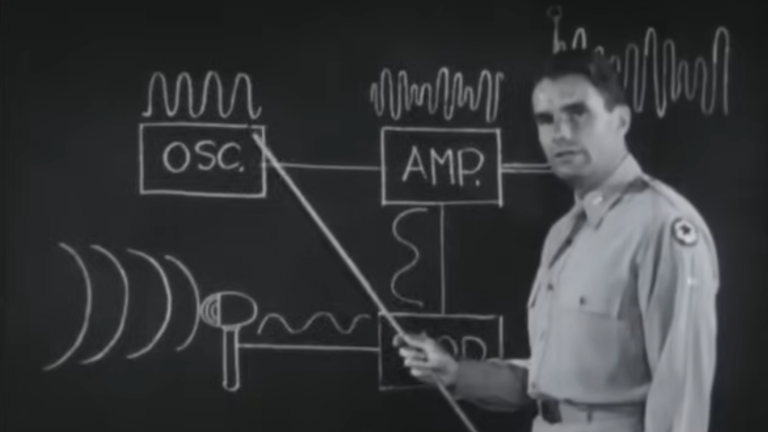
Watch a classified FM radio training video from WW2
That crisp signal was once a really big deal.

2,500-year-old settlement found during fire station construction
The Iron Age settlement pre-dates the Roman invasion of Germany.


World’s largest acidic geyser erupts for first time since 2020
Yellowstone’s Echinus Geyser spews out hot water that’s as acidic as vinegar.


Ancient Greece’s most famous oracle was just high on gas fumes
The Oracle of Delphi, also known as the Pythia, likely inhaled ethylene to enter her famous trance.
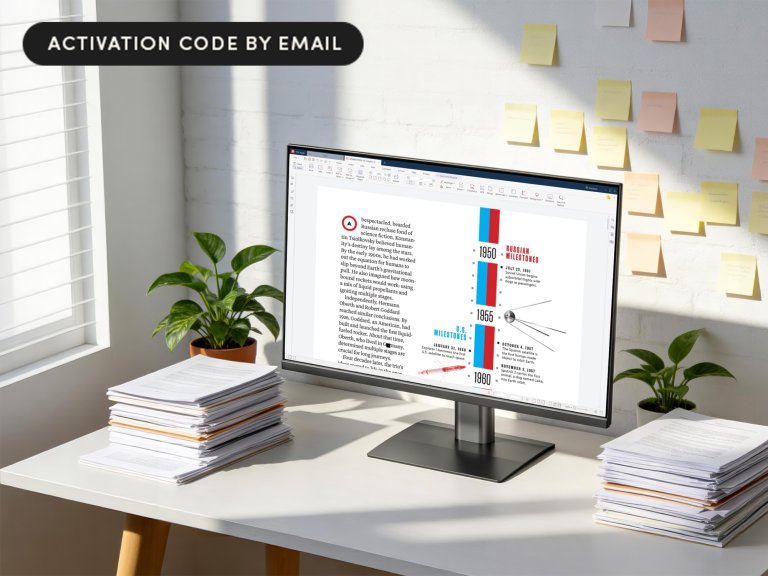
We found a PDF editor that doesn’t ask you for money every month
And it’s on sale for $40.
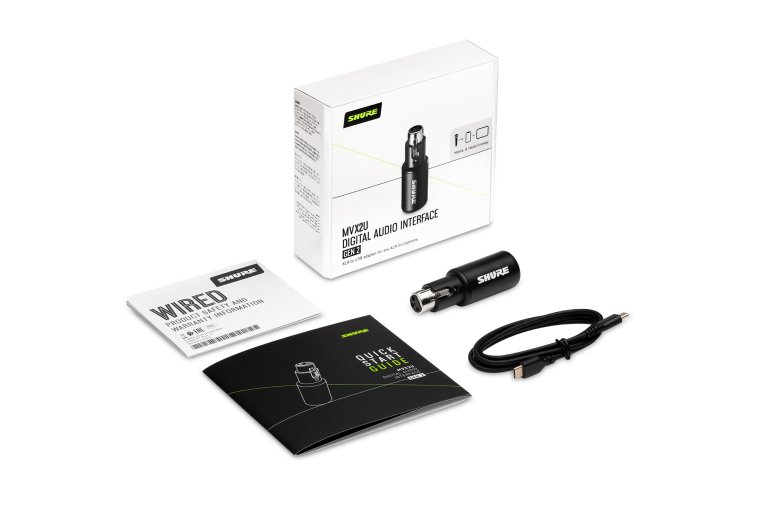
Shure’s MVX2U Gen 2 interface transforms XLR mics into travel-friendly, high-fidelity USB-C audio solutions
This high-performance, low-latency digital audio interface bridges classic XLR mics with modern USB-C devices for clear, broadcast-quality recording.

They finally made a Bluetooth speaker that can mine Bitcoin
It also charges your phone, tracks the markets, and looks pretty sweet.