The History of Every Thing

From sunglasses to ketchup, zippers to lip balm, ordinary objects carry epic, mind-bending stories that span centuries. In ‘The History of Every Thing,’ we dig into the surprising science, curious origins, and hidden histories behind everyday things.
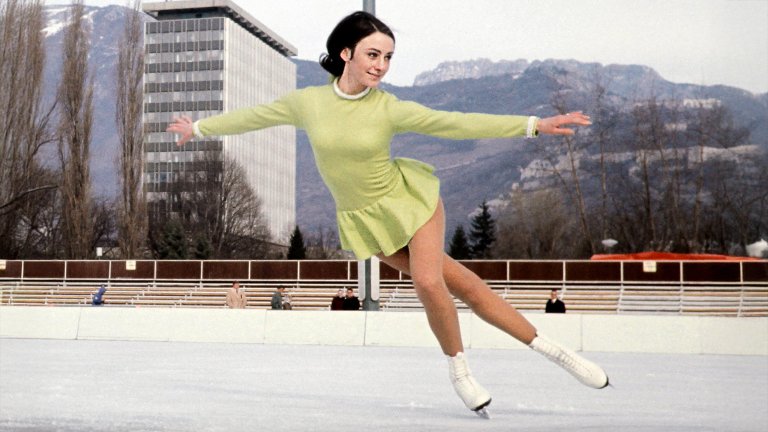
A full-length color photograph of a young woman figure skating on an outdoor ice rink. She is wearing a pale green long-sleeved skating dress and white skates, captured in a graceful pose with her arms extended and one leg trailing behind her. The background features a tall, modern office building, bare trees, and a mountain range under a pale sky, reflecting a mid-century winter aesthetic.
Archaeology

From bones to steel: Why ice skates were a terrible idea that worked

The long, strange journey from prehistoric bone skates to the high-tech blades of today.
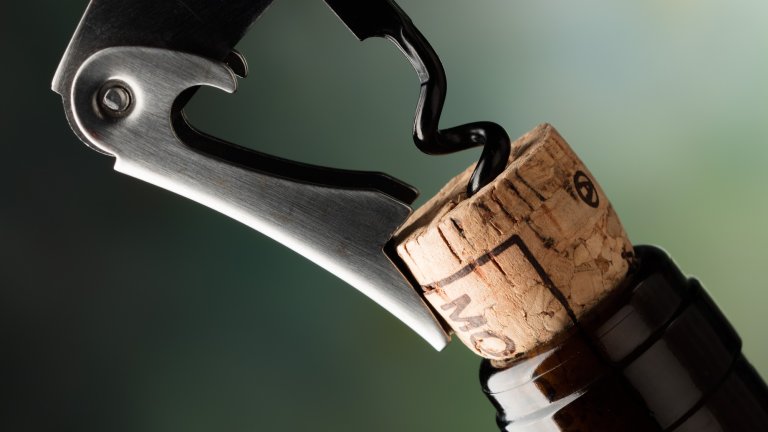
A close-up, angled shot of a silver waiter's corkscrew in the process of opening a wine bottle. The metal lever of the corkscrew is braced against the lip of the dark glass bottle, while the black spiral "worm" is drilled deep into the center of the natural wood cork. The background is a soft, out-of-focus gradient of green and grey.
Archaeology

The corkscrew began as a tool for muskets, not merlot

The wine key helped make airtight wine bottles—and modern wine culture—possible.
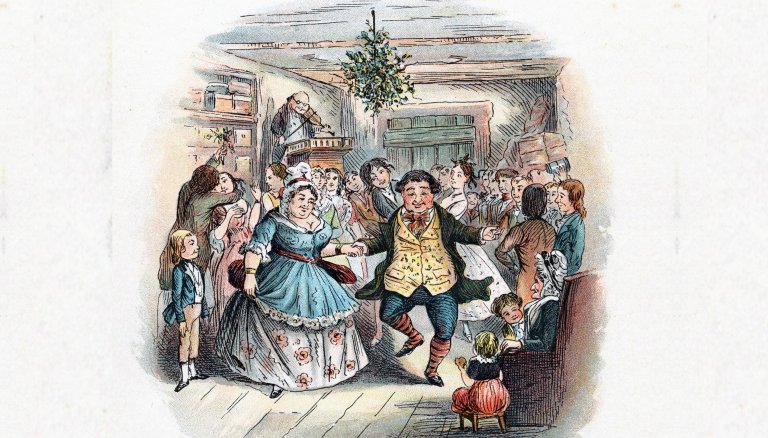
‘Mr. Fezziwig's Ball,’ an 1843 illustration by John Leech for ‘A Christmas Carol’ by Charles Dickens. This novella was the earliest and most popular of Dickens' Christmas stories. The kissing under mistletoe (left) and evergreen decoration hanging from the ceiling are vestiges of pre-Christian winter rites.
Land

A history of mistletoe: The parasitic ‘dung on a twig’

From its role in kissing to mythological healing powers, mistletoe’s roots run deep.
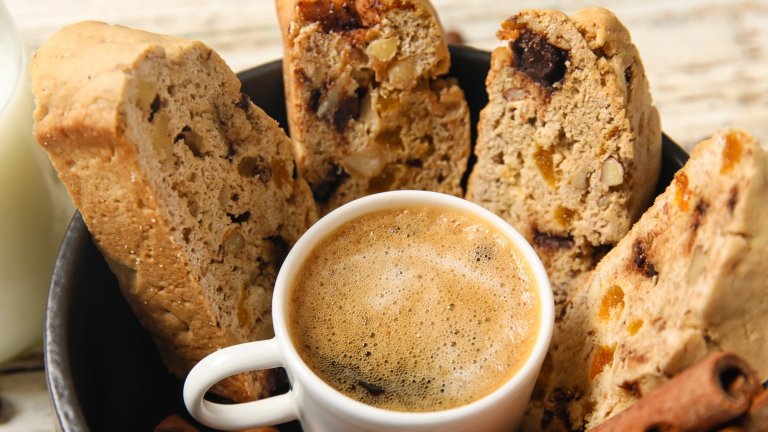
A close-up, high-angle view of four biscotti pieces standing upright in a dark bowl, surrounding a small white cup filled with espresso topped with foam. The biscotti are thick, light brown, and contain visible chunks of nuts, dried fruit (possibly apricot or orange peel), and dark chocolate. A cinnamon stick is visible in the bottom right corner, and a glass of milk or cream is partially visible on the left. The background is a blurred light wooden surface.
Navy

Biscotti once fed Roman navies and Christopher Columbus’s expeditions

Long before it met espresso, this crunchy pastry kept sailors fed.

A dramatic, wide-angle photo of a scarecrow standing in a dry cornfield or patch of tall, brown crops at sunset. The scarecrow is dressed in a dark hat and long coat, with a sack covering its head and stick arms outstretched. The sky above is colored with orange and pink clouds.
Agriculture

How scarecrows went from ancient magic to fall horror fodder

The autumnal decor wasn’t always so spooky.
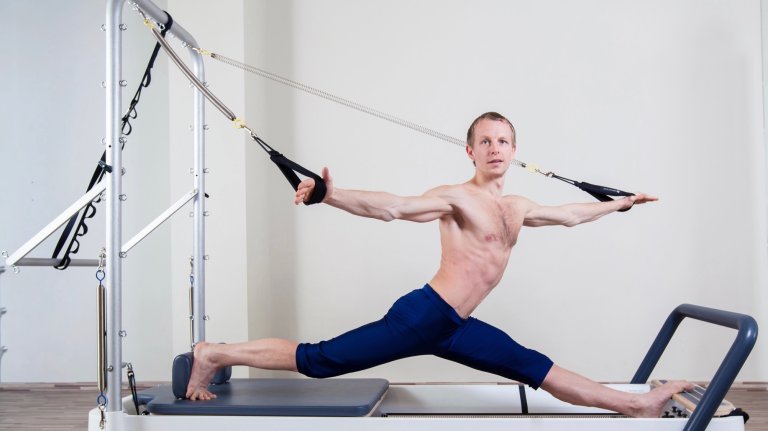
A fit, shirtless man performs a Pilates exercise on a reformer machine. He is in a deep lunge position, with his arms stretched out to the sides holding the machine's ropes. His body is taut, and he is looking straight ahead in a bright, modern studio.
Fitness & Exercise

Pilates started in a WWI internment camp

How Joseph Pilates went from circus performer to exercise expert.
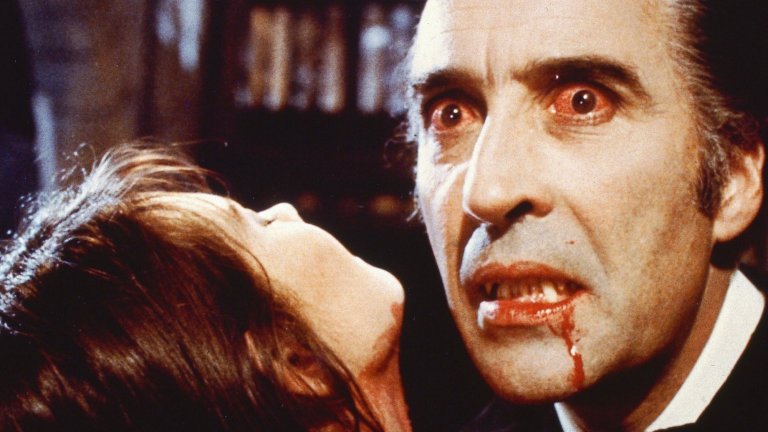
A close-up film still showing the face of an actor portraying Dracula, with bloodshot red eyes, blood dripping from his mouth, and pointed fangs visible. To the left, a woman's pale neck and chin, stained with blood, are visible as she is held by the vampire. The lighting is dark and dramatic.
Science Fiction

The spooky (and sweet) history of fake blood

From chocolate syrup in ‘Psycho’ to non-dairy creamer in ‘The Evil Dead.’

A small, light blue vintage box of TAMPAX tampons is shown resting on a white surface. The box has blue text that reads "Sanitary Protection + Worn Internally," "TAMPAX," and "Accepted for Advertising by The American Medical Association." A single tampon, wrapped in paper and plastic, leans against the box.
Medicine

How WWI and WWII revolutionized period products

For centuries, menstruation was managed with homemade solutions—until the world changed in a hurry.
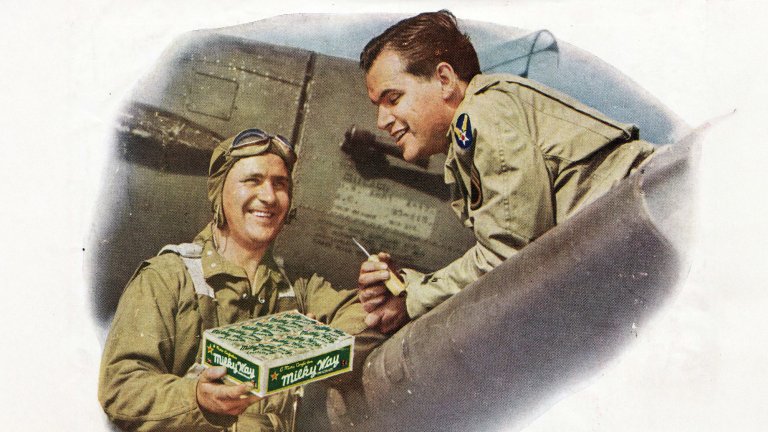
A colorized vintage advertisement featuring two smiling World War II-era pilots, both in flight suits. The pilot on the left is holding up a box of Milky Way candy bars, and the pilot on the right, who is leaning out of a plane cockpit, is looking down and smiling at the box.
Food Safety

How WWII made Hershey and Mars Halloween candy kings

From sugar shortages to military contracts, World War II helped make M&Ms and Hershey’s bars into symbols of American abundance.