
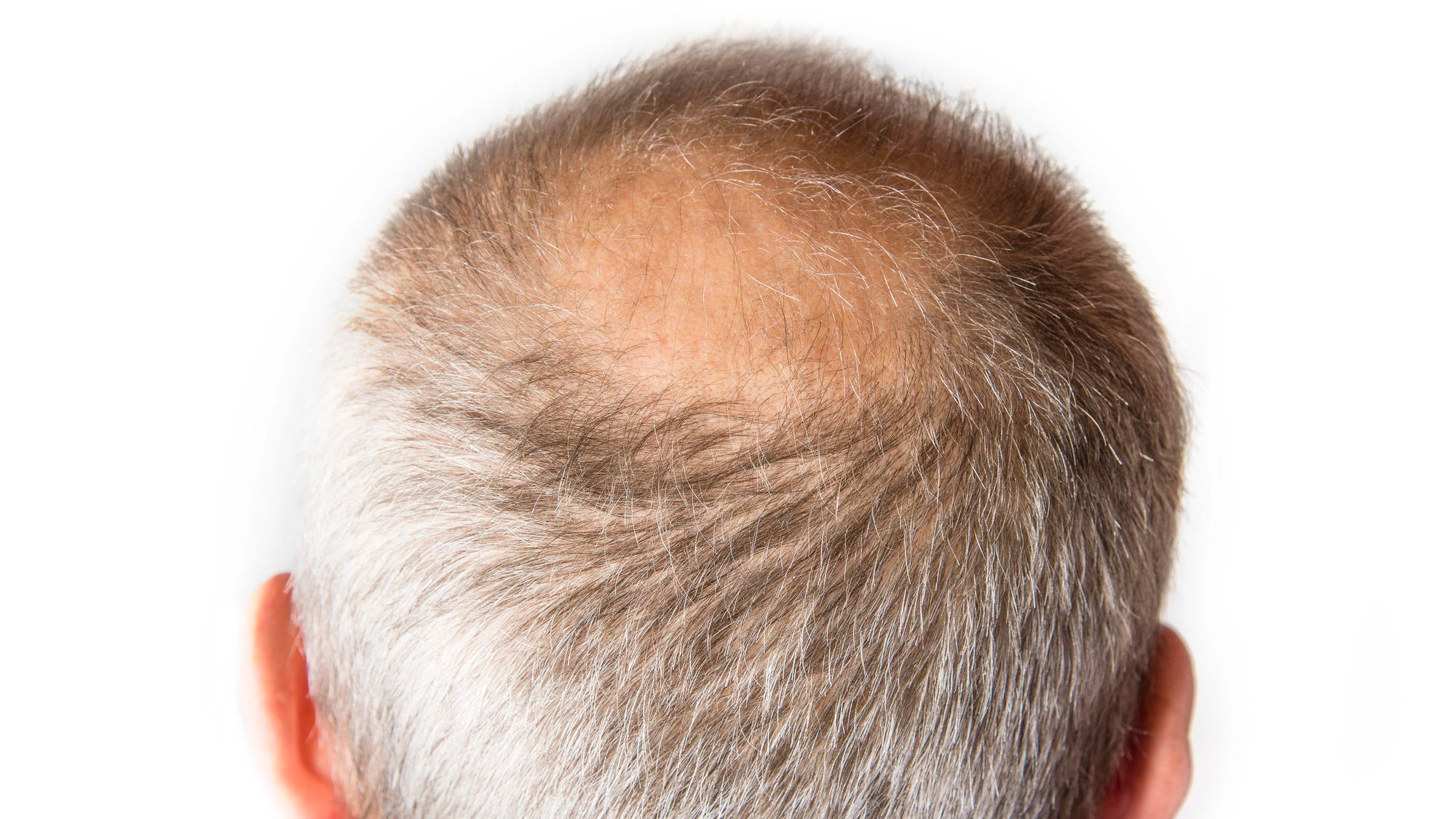
Stress causes baldness. Bald men are more fertile. If your hairline is receding, your mother’s family is to blame. Some false ideas about baldness seem to linger in our minds like the theme tune from your favorite old TV show.
So to set the record straight, Popular Science asked three hair experts to explain what science really says about why people lose their hair. Here’s what they said.
Myth 1: You can only inherit baldness on your mother’s side
You’ve probably heard the saying: “Your mother’s father determines if you’ll go bald.” Turns out it’s wrong.
“That’s one of the most common myths I hear, and it’s not true,” says Dr. Reid Waldman, a board-certified dermatologist and the CEO of the hair loss company, Veradermics. “The gene for pattern hair loss isn’t confined to your mom’s side.”
It’s true that one of the key genes linked to androgenetic alopecia—also known as male (or female) pattern baldness—sits on the X chromosome, which men inherit from their mothers, says Dr. Alan Bauman, a hair transplant surgeon at Bauman Medical. But that’s just one piece of a very complicated puzzle.

Baldness is shaped by many genes from both parents, as well as lifestyle, hormonal, and environmental factors, Bauman explains. “So, if your father, grandfather, or uncles on either side of the family experienced hair loss, your risk may be higher—but it is never determined specifically by your mother’s side alone.”
Dr. Mehmet Erdoğan, a hair transplant surgeon at Smile Hair Clinic in Turkey, agrees. “We tend to see in clinical practice a family history of hair loss on both sides of the family,” he says.
Myth 2: Stress causes baldness
Stress can wreak havoc on your body—from your digestion to your sleep—but it’s rarely the sole cause of long-term baldness.
Bauman says that it typically takes a severe psychological or physical experience, like a natural disaster, death in the family or crash dieting, to cause permanent hair loss.
What usually happens when you’re stressed, is a temporary shift in your hair growth and hair loss cycle, says Erdoğan. Usually hair goes through three stages: anagen (growth), catagen (resting) and telogen (shedding). After a stressor, up to 70 percent of your hair in the anagen stage can prematurely enter the telogen phase. This condition, known as ‘telogen effluvium,’ causes temporary hair shedding and your hairs thins out all over your scalp, unlike male or female pattern baldness which typically causes a receding hairline or a bald patch on the crown.
Although stress does not directly cause balding, it may accelerate the process. In a study of 120 people with androgenetic alopecia, those experiencing high stress appeared to lose hair faster than their non-stressed counterparts.
Myth 3: Baldness is linked to higher fertility
“It’s a story people tell because it sounds flattering, but it’s not science,” says Waldman.
“Baldness itself is not a sign of higher fertility,” says Bauman. “The confusion likely comes from the fact that both are influenced by male hormones.”
Related Myth-Busting Stories
Testosterone is essential for sperm production and sex drive, but it also plays a role in hair loss—indirectly—when converted into the hormone dihydrotestosterone (DHT). Some men carry genetic variations in the androgen receptor gene that make their hair follicles extra sensitive to DHT. Over time, DHT causes those follicles to shrink and produce finer, weaker strands, eventually leading to thinning and baldness.
“Baldness means your hair follicles are more sensitive to certain hormones,” says Waldman, “not that your body produces more of them.”
In fact, some evidence points the other way. Studies suggest that men who go bald early—especially before age 30—tend to have lower sperm counts and poorer semen quality than those who keep their hair longer. The connection likely comes from the same elevated DHT levels that drive hair loss, which can also interfere with sperm production, explains Bauman. But the relationship isn’t absolute. “Many balding men father children without issues,” he notes. “Factors like age, lifestyle, and overall health play larger roles.”
The bottom line
Baldness myths persist because they make us feel better—by offering someone to blame, something to fix, or a flattering story about virility. But, as the experts tell us, the truth is messier: baldness stems from multiple genes, hormones, and lifestyle factors. Biology, as ever, refuses to be simple.
