
T-shirt tycoons Fruit of the Loom are both makers of functional, printable T-shirts and unintentional originators of a long-standing piece of memory misinformation.
Fruit of the Loom’s distinctive logo includes a delicious-looking assortment of fruit. Some people, including the reality-questioning posters on the r/Retconned subreddit, will swear on all that is dear to them that the logo once also included a horned bowl called a cornucopia.
A recent Snopes article summarized this confusion, explaining that misremembering around the logo dates back decades. The imagined cornucopia is just one of many examples of the Mandela effect, named for the once-common misconception that the South African civil rights leader had died in prison in the 1980s, when in fact he passed away at the age of 95 in 2013.
The Mandela effect is a communal example of a false memory. False memories are recollections of events that didn’t occur or facts that aren’t real. They are a particularly strong type of memory error, and some researchers contend that false and true memories are indistinguishable. But shared false memories of global events are only one small example of the broader phenomenon of false memory.
Academics have strongly debated how common these memories are, but everyone agrees that they do happen. In this story, we’ll explore what false memories are, why they happen, and what experts still don’t understand about them.
There are two kinds of memory: episodic and semantic
Our memory can be roughly divided into two subtypes: episodic and semantic. Episodic memory concerns autobiographical events that have happened to us: Think going to Disneyland, eating dessert last Wednesday, or feeling sick after eating too much dessert last Wednesday.
Semantic memories are recollections of facts or general knowledge. There are more well-known examples of communal false memories, or the Mandela effect, for semantic memories. That’s likely because there are few shared autobiographical experiences that would create a communal, semantic memory—only so many people will remember your fifth birthday party, for example.
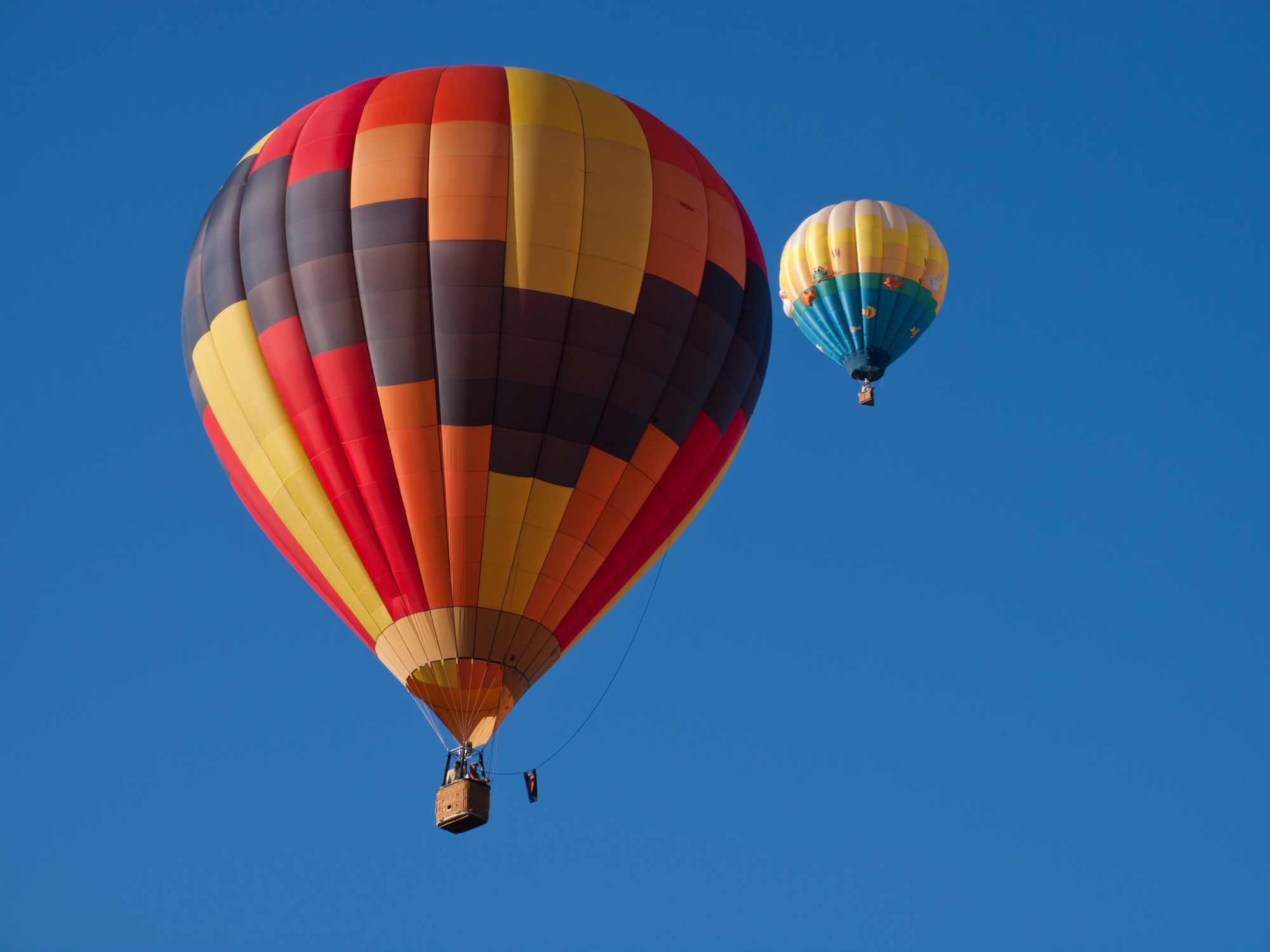
That said, false memories do occur in personal, episodic memory. In one study, researchers used manipulated images to present volunteers with false evidence that they had taken a hot air balloon ride as a child. Some participants later said they vividly remembered the ride, which never occurred, and described it in detail.
False memories have also featured in court cases where testimony from childhood abuse survivors has been questioned as potentially false. Researchers acting as expert witnesses in these cases have engaged in fierce debate around how likely it is that trauma survivors may develop false memories of abuse that never happened.
Misremembering v. a false memory
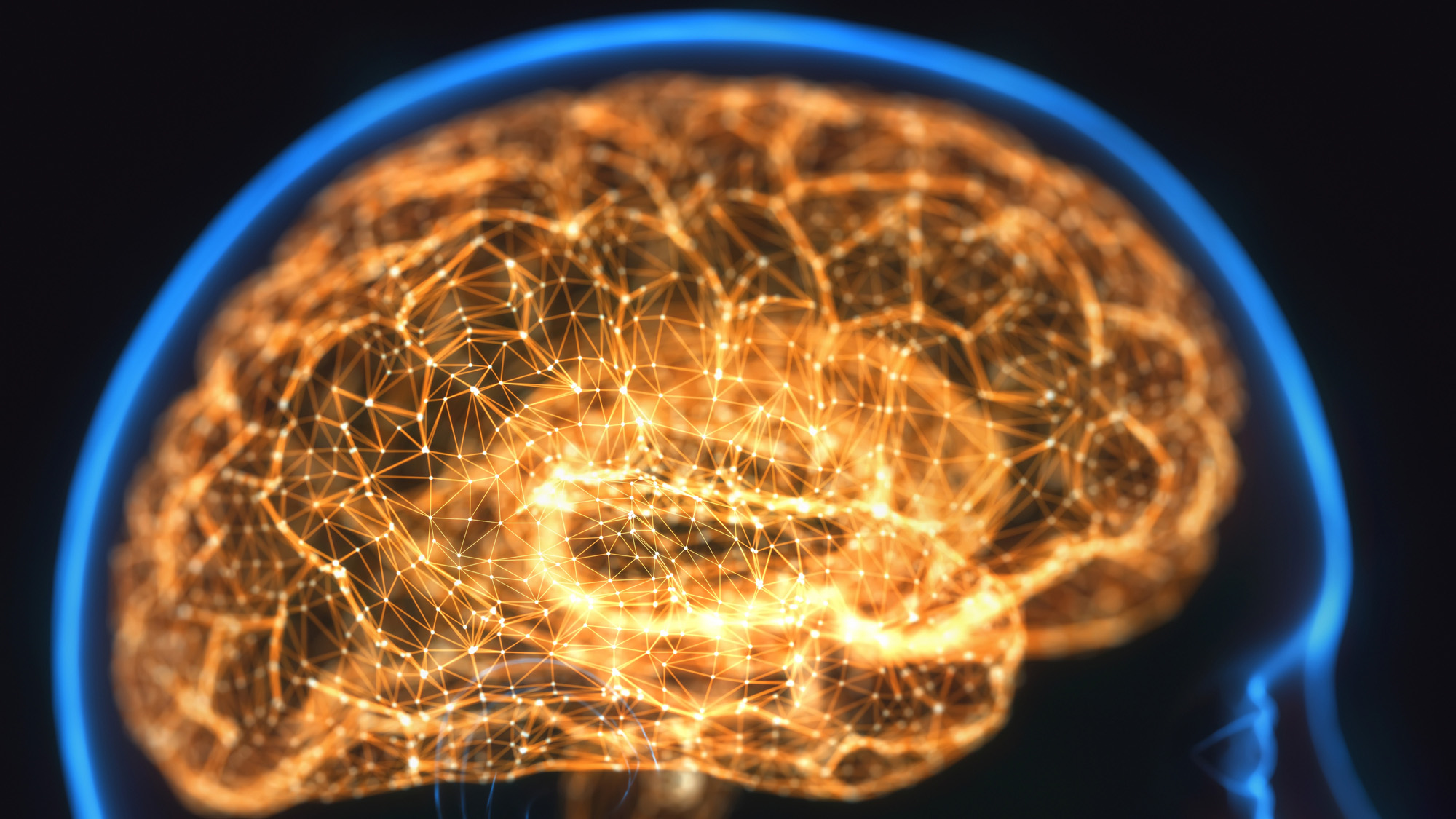
Our memories are not set in stone. Instead, they are built on shifting sands. Processes like re-encoding can update old memories over time, and memories may differ slightly each time we retrieve them.
“Our memories are really like a filtered-down version of the original experience,” said Wilma Bainbridge, a psychologist at the University of Chicago who studies memory. “When you call that memory back to mind, you’re bringing back that compressed version.”
On top of this, our brains can’t store every single detail of our lives. Instead, they often add in missing details based on what we might expect from a given memory. We might add a set of beach umbrellas to a holiday scene from our childhood, because of how often the two appear together elsewhere.
There isn’t a hard line differentiating a false memory and simply misremembering where you put your keys. But, in general, false memories are completely made up rather than a small memory error. In the above beach example, misremembering that there were umbrellas doesn’t make the entire memory false.
How do false memories form?
A classic psychology study that tests how false memories might form is the Deese-Roediger-McDermott (DRM) test. Volunteers will be presented with a list of words—for example, pupil, classroom, exam, teacher—that all have a key semantic “lure” word. The researchers will then test whether the participant misremembers the original list as featuring the lure—in this case, the word “school.”
Fuzzy trace theory (FTT) suggests that this confusion happens because we store two forms of memory. One is a direct representation of the original memory, and the other is based on a rough “gist” of the memory. Researchers think false memories tap into the “gist” version of the memory, especially when verbatim information is missing.
Related 'Ask Us Anything' Stories
An alternative theory, called activation-monitoring theory (AMT), suggests that when a person studies a list of words, it activates a memory that “spreads” to related words, like the lure word.
When the lure is linked closely enough to the list words, researchers believe that the memory of looking at the list and the memory of the lure word become entangled, which explains why people taking the DRM test often swear that they remember seeing the lure word in the original list. Psychologists also believe that repetition, age, and lack of sleep can influence how likely it is that false memories will form.
Some false memories remain a mystery
Bainbridge’s own research into the Mandela effect couldn’t find a single satisfying explanation for how the effect forms, but did identify that some images are simply harder to accurately recall than others.
“We think it’s something about how that image fits in with the map of all of the images we have seen or how our brain understands the visual world,” said Bainbridge.
Regardless of how false memories form, Bainbridge says that they are a natural part of the human experience and that forgetting things, especially traumatic memories, can be helpful. If you’re worried about false memories, remember one thing: while we might often have fuzzy or unclear memories, complete false memories of events that never occurred don’t happen very often.
“False memories are actually still very rare,” said Bainbridge. “But that’s why when we encounter these false memories in the wild, like the Mandela effect, that’s why they feel so jarring.”
In Ask Us Anything, Popular Science answers your most outlandish, mind-burning questions, from the everyday things you’ve always wondered to the bizarre things you never thought to ask. Have something you’ve always wanted to know? Ask us.
