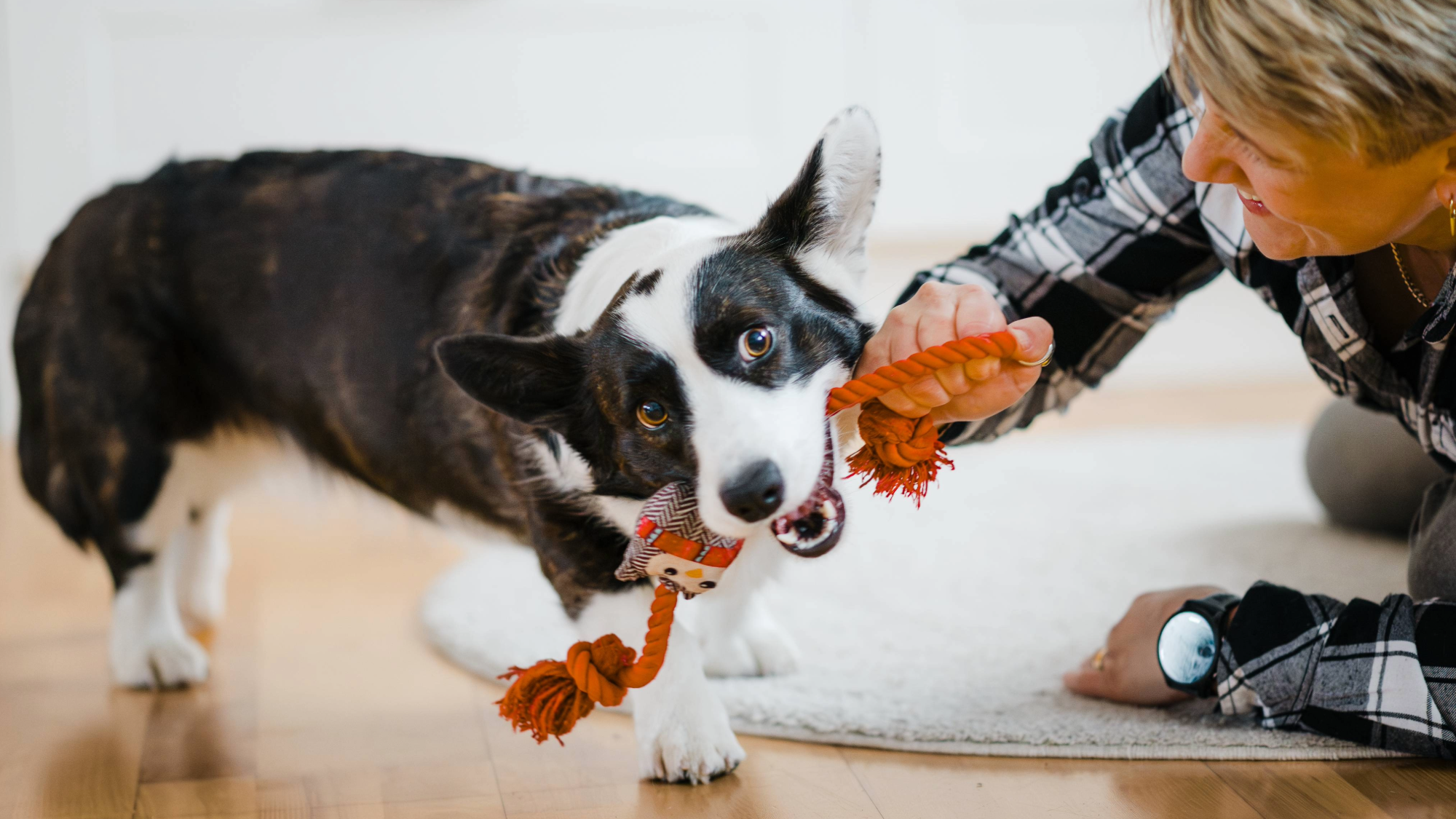
Take this as your signal to go play with your dog. A new study published today in the journal Royal Society Open Science shows that extra playtime strengthens the emotional bond between owner and dog.
While it may seem obvious, play is not fully understood in dog research, particularly for dogs that continue to play into their adulthood. This new study aimed to see if there is any direct connection between play and emotional bonds between dogs and their humans.
“Today, many dogs change homes in the middle of their lives. With rescue dogs, you don’t have the advantage of growing up with your dog,” Lina Roth, a study co-author and a sensory biologist at Linköping University in Sweden, explained in a statement. “This means that you miss the so-called socialisation window early in your puppy’s life, which is important for relationship building. And then play can be a very good way to build a new good relationship even with adult dogs.”
In the study, dog owners filed out a comprehensive questionnaire about how they experience their relationship with their dog. Some of the questions included how often owners take their dog with them to visit other people, how often they confide in their dogs, or if they feel that having dog ownership is more trouble than it’s worth.
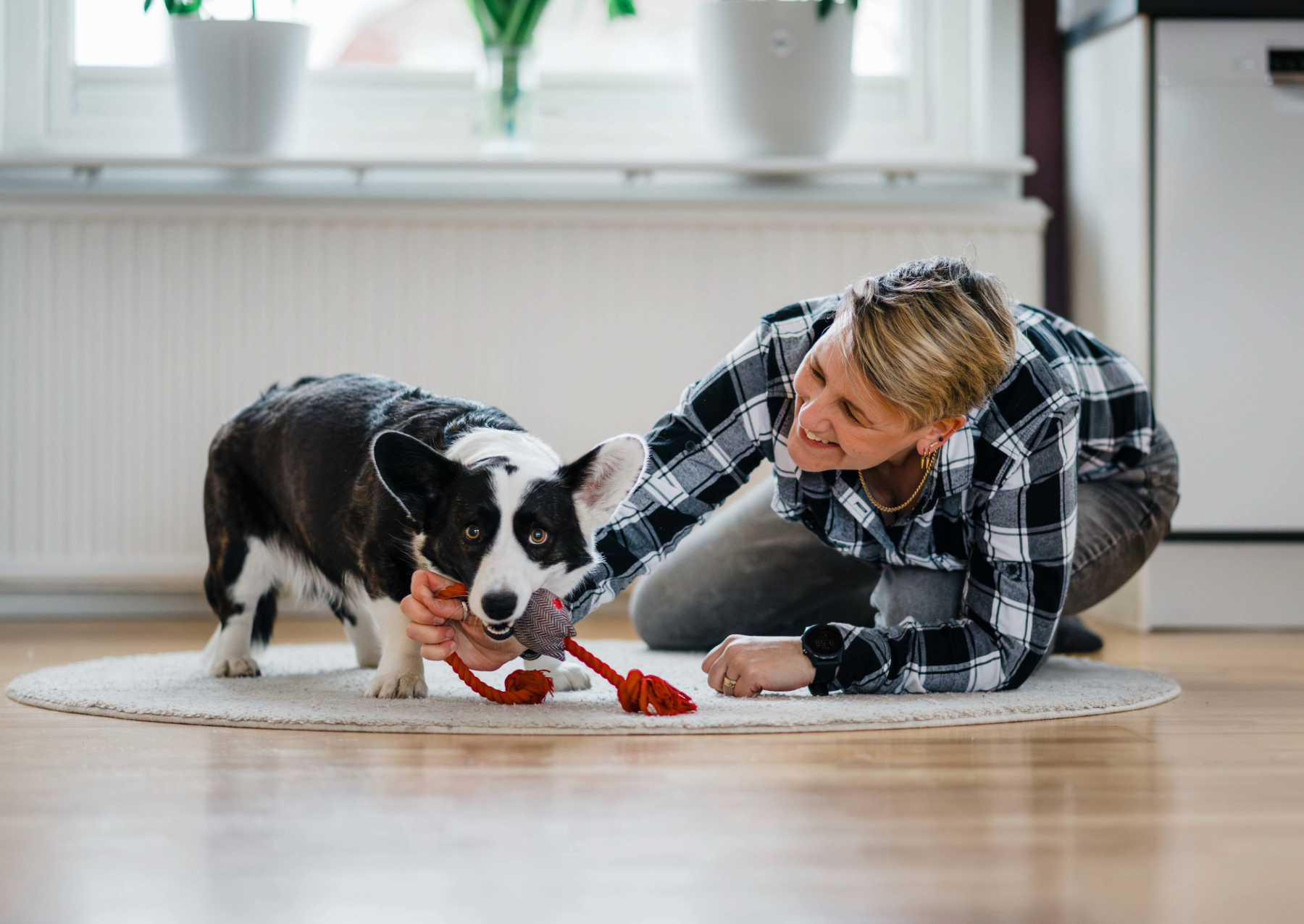
The team then divided the human and dog pairs into three groups. Group one played more than usual, while the group two trained more than usual with treats as a reward. The third group was the control group, where their behavior would stay the same.
After one month, the team then asked the owners to answer the same questionnaire again. Increasing the amount of play time with a dog improved the pair’s emotional bond.
“This is a great result that you can only dream of! It turned out that the play group improved their emotional bond to the dog in just four weeks with a few minutes of extra play a day,” said Roth.
The team did not do any meaningful changes for the training group and control group.
According to the team, this shows how a human’s view of their relationship with the dog does not say much about the dog’s own experience in the relationship. However, the owners in the play group reported that their pets appeared to view their owners more positively and initiated play. Earlier studies show that dogs typically feel better when they play and spend time with their owners.
Related Dog Stories
Additionally, the different groups received clear instructions on how to play with and train their dogs. This helped the team ensure that the owners actually played with their dog.
“Just throwing a ball isn’t enough,” said Roth. “As we were after the social interaction between dog and human, the games we proposed in the study were for example tug-of-war, rough and tumble, chasing each other, hide-and-seek, peekaboo or teasing the dog a little with your fingers.”
Ultimately, the most important thing for dog owners is to find a game that the animal responds positively to and that play time together is pleasant. Quality can also be more important than quantity.
“You don’t have to keep at it for long, it’s more about paying attention to your dog’s behaviour,” Roth said. “A few minutes every now and then seems to make a big difference.”