
From electric cars to moving sidewalks, Popular Science has always covered cutting-edge transportation technology. In ‘A Century in Motion,’ we tell the intriguing, human stories behind these innovations—and how this technology is resurfacing today in surprising ways.
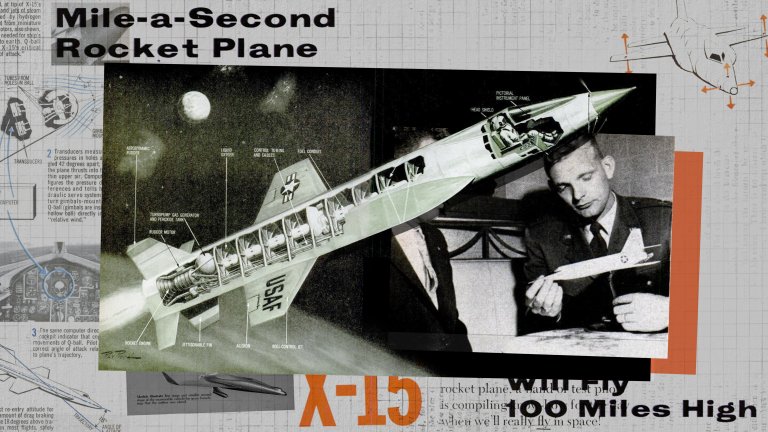
In 1963, a plane flew to space. Why couldn’t we go farther?
From the record-breaking X-15 to today’s hypersonic aircraft, the spaceplane dream never really died.
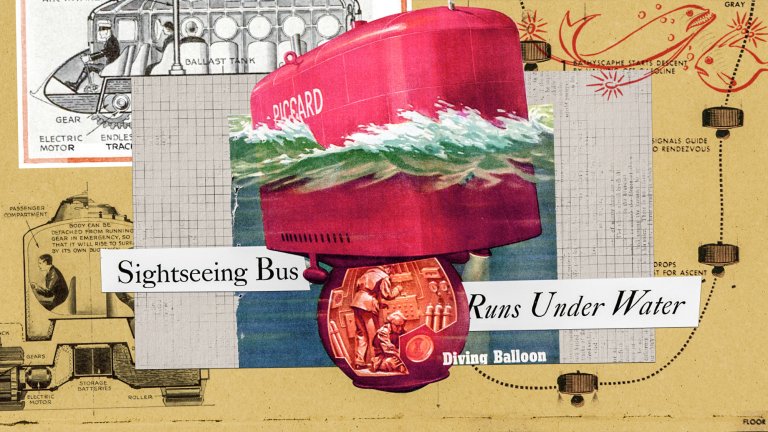
Before the moon race, explorers wanted to conquer the ocean
From Jules Verne-inspired submarines to NASA-backed underwater habitats, the dream of an undersea civilization came closer than most people realize.
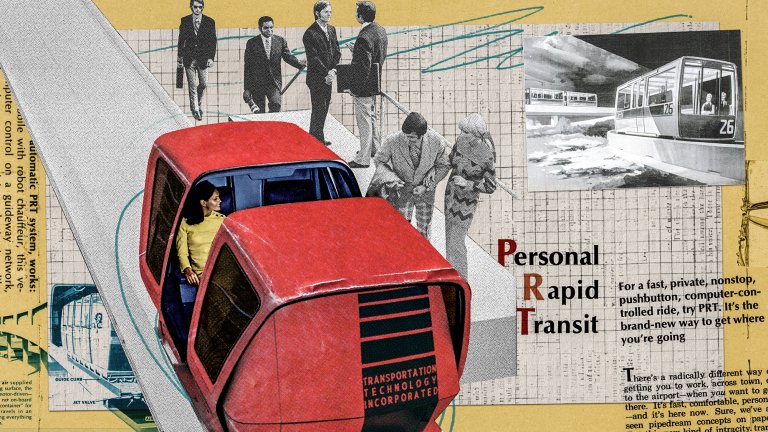
Robotaxis almost happened in 1964—with help from the U.S. government
But personal rapid transit never got off the ground. That is, until Silicon Valley stepped in.
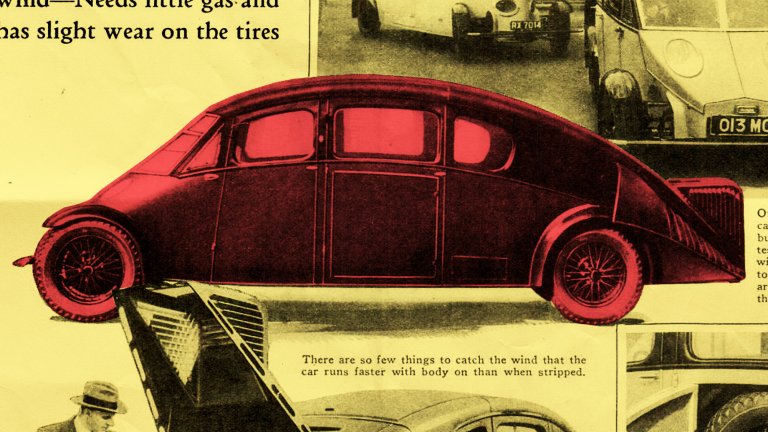
In 1934, Chrysler bet big on teardrop-shaped cars
The streamline shape is still more aerodynamic than most cars today.
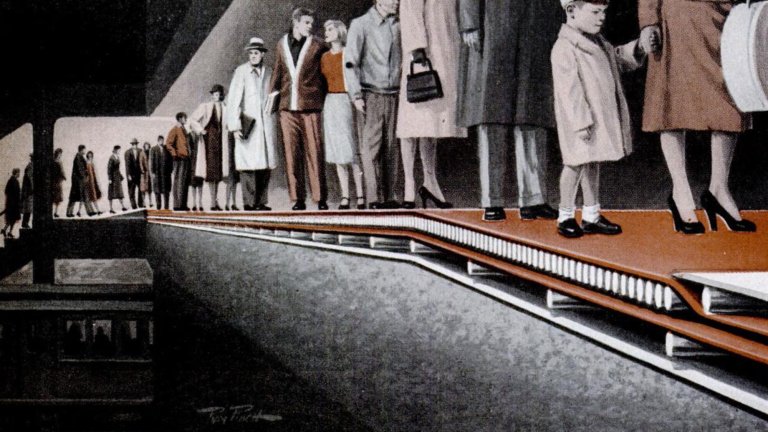
In 1871, cities almost got moving sidewalks. Why are we still waiting?
Even after debuting at the 1893 Chicago World’s Fair, moving walkways still haven’t made the leap to city streets.
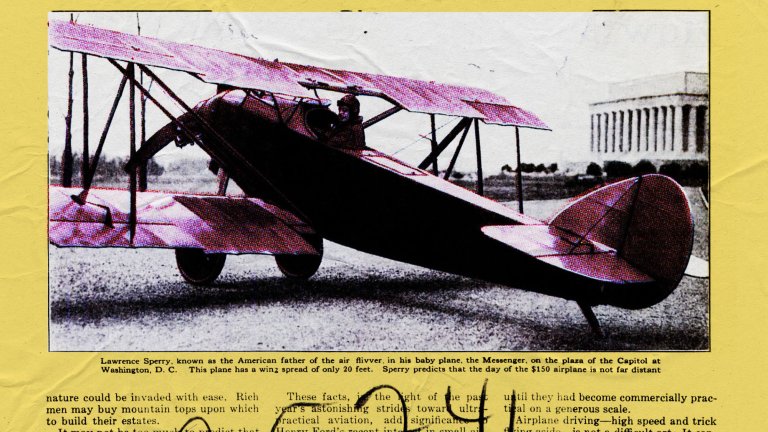
During WWI, a daredevil pilot helped invent the first ‘drones’
Lawrence Sperry’s autopilot proved planes could fly themselves.
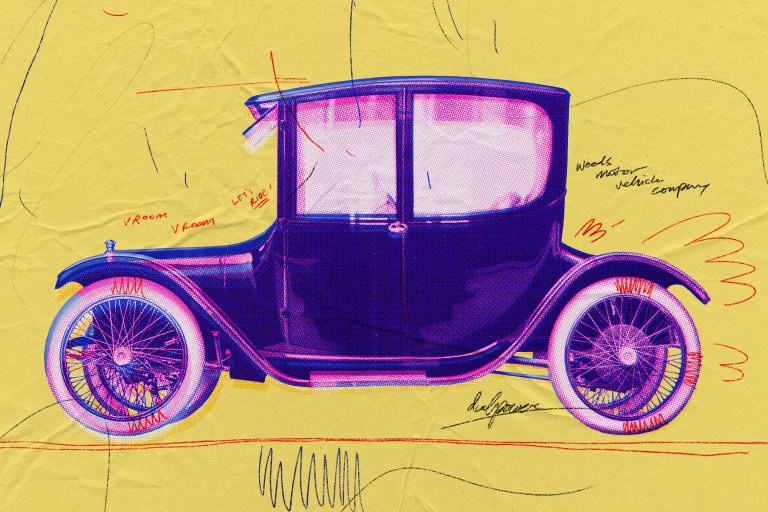
In 1916, hybrid cars could’ve changed history. But Ford wouldn’t allow it.
Henry Ford’s monopoly on the automobile industry meant that hybrids wouldn’t see the light of day for decades.