
Many people dream of starting their own business but wonder if they have what it takes. According to new research, you can find the answer to that dilemma in a Harry Potter house quiz.
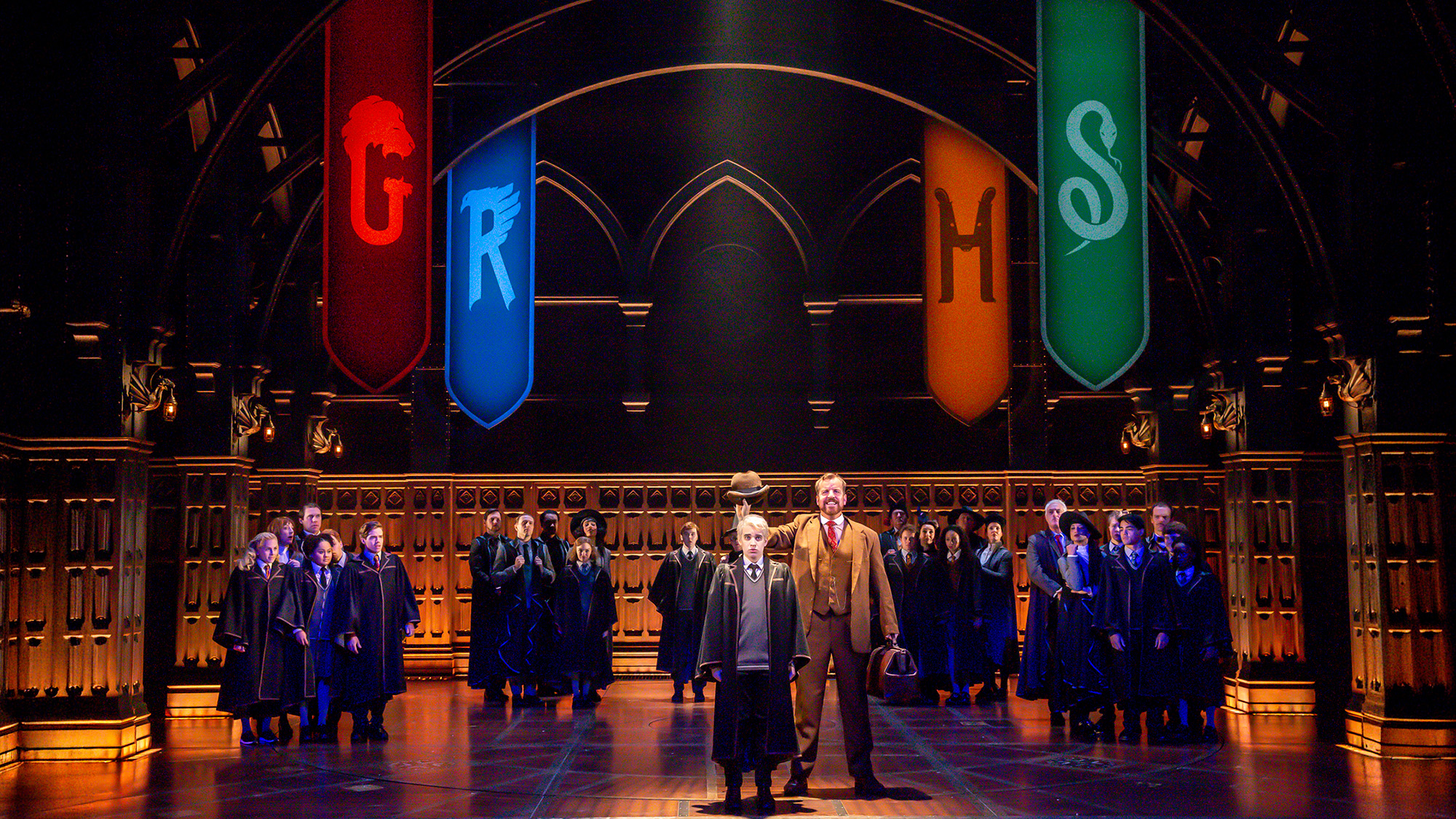
Researchers in the Netherlands studied the four Hogwarts houses as personality types. Typically, Gryffindors are known for bravery and courage; Slytherins are known for cunning and ambition; Hufflepuffs are loyal and friendly; and Ravenclaws are diligent and shrewd. The researchers found that people who identify as Gryffindor and Slytherin are more likely to be start-up founders.
“In the Harry Potter world itself, Gryffindor and Slytherin are quite different morally,” Martin Obschonka, the lead author and a professor of entrepreneurship at the University of Amsterdam, tells Popular Science. “But they are similar in one important way—both houses are defined by a willingness to challenge rules and authority.”
This kind of behavior, which researchers call “deviance,” is linked to entrepreneurship, the researchers say. The study was recently published in the journal Small Business Economics.
A bit of “scholarly mischief”
Researchers have long tried to understand what makes entrepreneurs tick, but most studies focus on just one trait at a time, such as creativity or risk-taking. Real people are more complex than that. Since it is very hard to measure someone’s whole character using standard surveys, Obschonka’s team decided to look beyond traditional science tools.
At first, the idea of using fictional character types as personality profiles felt like a bit of “scholarly mischief,” Obschonka admits. However, the team used a very large dataset and results held up across two separate studies. Mischief managed.
The link between Harry Potter houses and entrepreneurship
In the first study, the team used data from the TIME Magazine Harry Potter quiz. Nearly 800,000 people had taken the quiz online. The researchers grouped the results by U.S. regions, called Metropolitan Statistical Areas. They then compared the percentage share of each Hogwarts house in 338 regions with how many start-ups existed there.
It turned out that regions with more Gryffindors and Slytherins had more start-ups. On average, these regions showed about seven percent higher start-up density than others.
The second study focused on individuals instead of regions. Obschonka’s team surveyed a representative group of 820 U.S. residents who had taken the Harry Potter quiz, asking about their interest in becoming entrepreneurs.
The results revealed that people with Gryffindor or Slytherin personalities were more likely to say they wanted to start a business.
@clipseries90 Harry Potter and the Goblet of Fire#harrypotter #film #tiktok #voldemort #fypシ ♬ sonido original – ClipSeries
“Importantly, the findings held across two different levels of analysis, from large-scale regional patterns to individual psychology, which gives us greater confidence that these effects are meaningful,” Obschonka says.
‘Bright’ versus ‘dark’ deviance
Gryffindors show what the researchers call “bright deviance.” They “tend to break rules out of courage, moral conviction, and a desire to do what they believe is right,” Obschonka explains.
Meanwhile, Slytherins show “dark deviance,” tending to “bend rules more strategically, driven by ambition, competitiveness, and calculated goal pursuit,” he says.
Even though their reasons differ, both types of rule-breaking can lead to starting a business. This idea fits with an almost century-old theory of entrepreneurship, proposed by economist Joseph Schumpeter, which says that entrepreneurs often succeed by challenging rules and norms.
What about Hufflepuff and Ravenclaw?
Other Hogwarts houses showed weaker links to entrepreneurship. Based on earlier research, Obschonka and his team think that Hufflepuff traits like loyalty and hard work may actually make people less likely to take risks or try new ideas.
And while some studies have found that creativity and knowledge—two key Ravenclaw traits—can help in business, researchers have not found clear evidence that being generally very intelligent automatically leads to becoming an entrepreneur.
Related Stories
So what?
According to Obschonka, “these findings matter because they challenge the idea that there is only one good entrepreneurial personality.” Instead, different character types can succeed, as long as they are willing to challenge rules in some way.
The study also suggests that “fiction is not just entertainment,” Obschonka says. While stories like Harry Potter are not explicitly about entrepreneurship, they explore deep questions about human character, motivation, and how people relate to rules and authority. Obschonka believes entrepreneurship researchers “should take popular fictional literature more seriously as a source of insight.”
Understanding entrepreneurial character matters beyond business, Obschonka says. People with rule-challenging personalities also appear in politics and public institutions, and their attitudes toward rules can shape decisions that affect society as a whole.
In Ask Us Anything, Popular Science answers your most outlandish, mind-burning questions, from the everyday things you’ve always wondered to the bizarre things you never thought to ask. Have something you’ve always wanted to know? Ask us.
