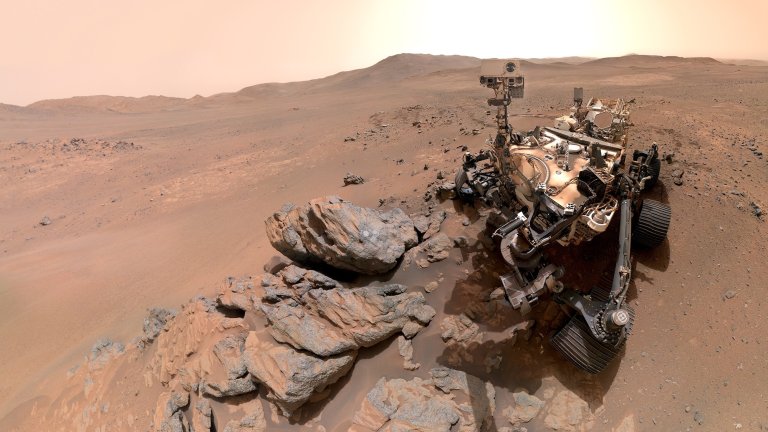
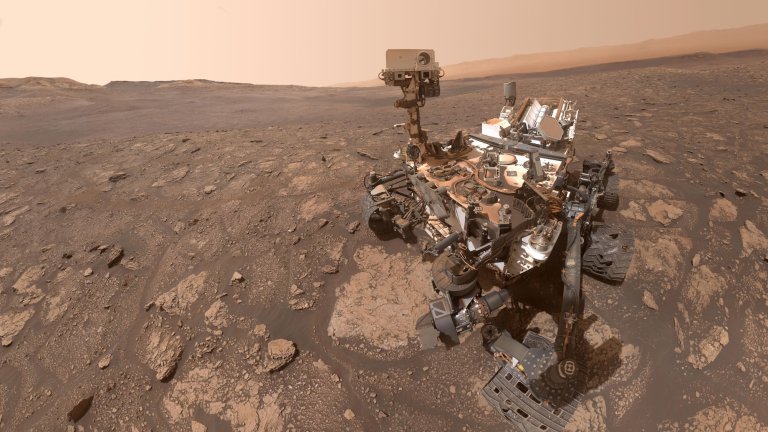
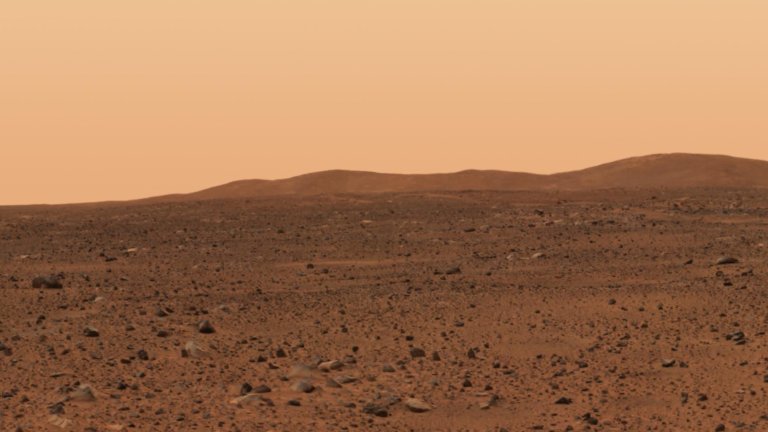
RIP, Spirit NASA/JPL/Cornell University

We knew this day was coming, but it’s still never easy when days like today finally come: After more than a year of silence, NASA is ending its attempts to contact its Spirit rover, which has been dormant on the surface of Mars since its last communication with handlers on Earth since March 22, 2010.

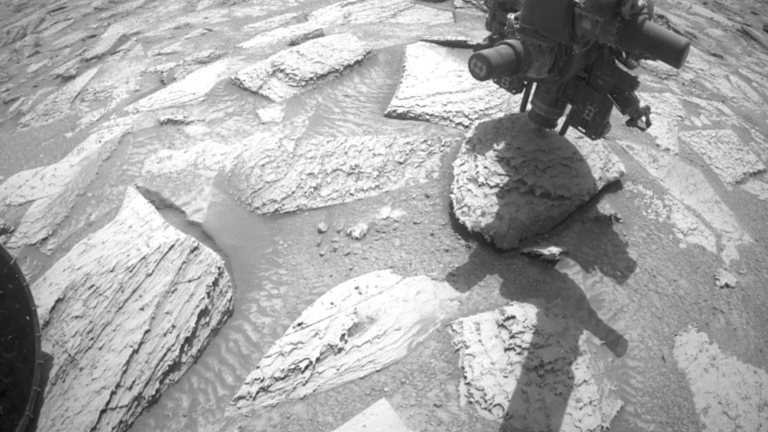
Of course, Spirit lived a long and fruitful life on the Red Planet, something like 25 times longer than it was supposed to. Designed for a three month mission that began in 2004, Spirit logged more than six years on the job. During that time it beamed back 127,000 raw images of the Martian surface, including 16 color, 360-degree panoramas. It also drilled into 15 rock targets and scoured 92 more, gathering invaluable data on the planet’s geology.

Spirit also had a traveler’s soul, crossing the Columbia Hills and putting 4.8 miles on the odometer while crossing the Gusev Crater alone--part of it while driving backwards when one of its wheels ceased functioning in 2006. Martian winter after harsh Martian winter, Spirit returned to the job.

Cause of death: NASA engineers will likely never know for sure, but while Spirit survived the Martian winter three times previously, the most recent was particularly harsh, offering very little solar energy with which to run its survival heaters. As such, any number of critical systems could have been damaged by the cold. Engineers held out hope that the spring thaw might reawaken Spirit, but with no word yet NASA must reorient its Mars communications resources to support the upcoming launch of NASA’s next-gen rover, Curiosity (aka the Mars Science Laboratory), later this year.

Spirit is survived by its sister rover, Opportunity, which is on its way to the Endeavour crater--and still contributing valuable Mars data--on the other side of the planet.

[NASA]

6 Comments

RIP Spirit... You and opportunity will surely go down in history, right up there with the voyagers.

Scientific exploration at it's best.

The enormous success of the Mars Rovers demonstrates that everything from space exploration to jet fighters can operate much more efficiently, safely and with greater "bang for the buck" using remote control, virtual reality operating techniques. Maneuvers and landing techniques that would kill or disable a human occupant can be done cheaply.
It costs millions to send one man into space. With a virtual reality vehicle we can "send" millions of people into space safely and for less money.

This is so awesome, brings a tear to my eye almost. Amazing they did so well past expectations, rovers are huge in our future and what we learned from this will be priceless.

RIP, Spirit. At least Opportunity is still alive and running.

Why not ask the scientists at our MEPI base on Mars to retrieve and repair it?

Lets not kid ourselves (as the human race). This whole endeavor was completely awesome... makes me wish that all of humanity could do things like this (and other scientific forays), versus kill each other in the name of some god, or warped ideology.

The fact that this thing has been working for 6 years is astounding. Bravo to NASA, and best of luck with CURIOUSITY.


June 2013: American Energy Independence

Five amazing, clean technologies that will set us free, in this month's energy-focused issue. Also: how to build a better bomb detector, the robotic toys that are raising your children, a human catapult, the world's smallest arcade, and much more.


Online Content Director: Suzanne LaBarre | Email
Senior Editor: Paul Adams | Email
Associate Editor: Dan Nosowitz | Email
Assistant Editor: Colin Lecher | Email
Assistant Editor: Rose Pastore | Email

Contributing Writers:

Kelsey D. Atherton | Email
Francie Diep | Email
Shaunacy Ferro | Email

circ-top-header.gif
circ-cover.gif
bmxmag-ps