The U.S. space agency and Microsoft want you to help count Martian craters in the name of science

Map Mars One crater, two craters ... NASA

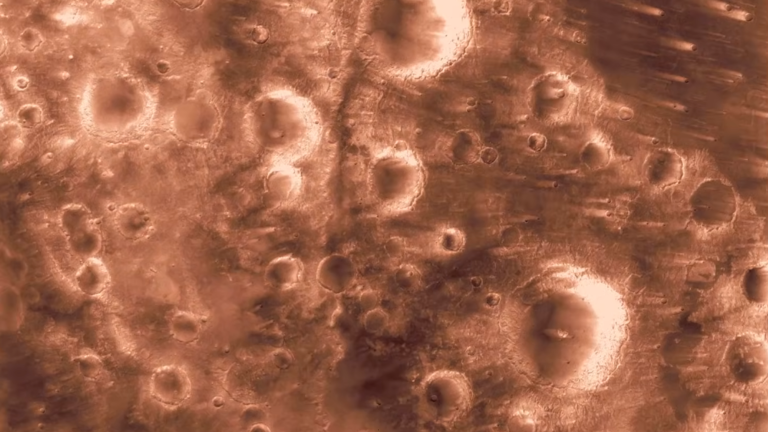
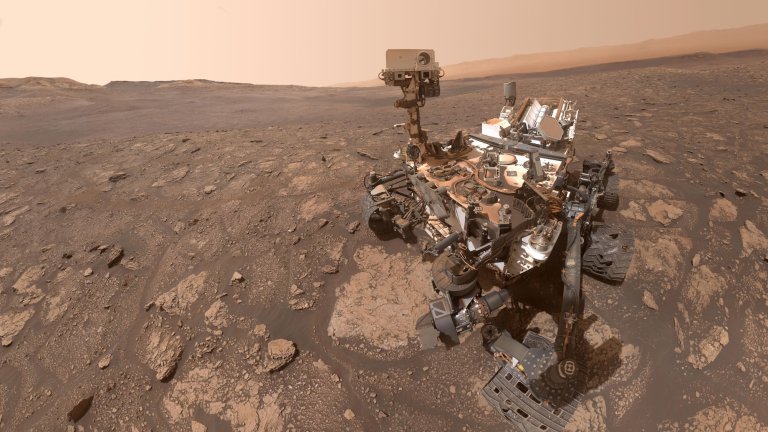
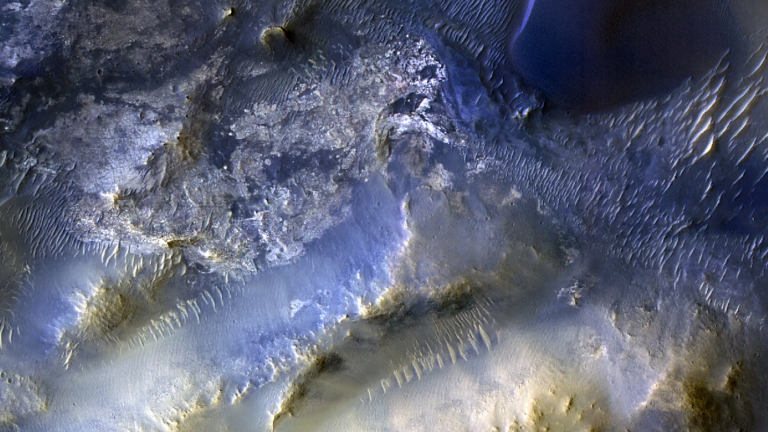
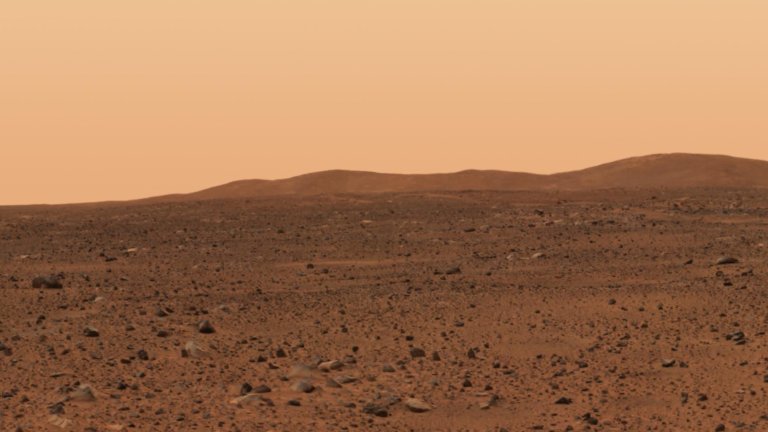
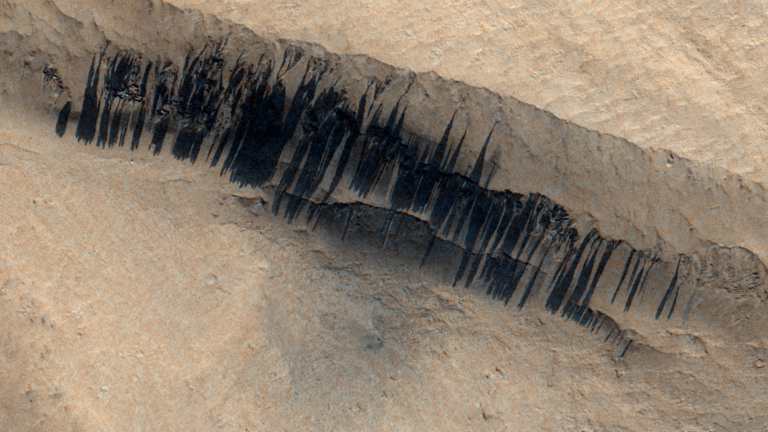
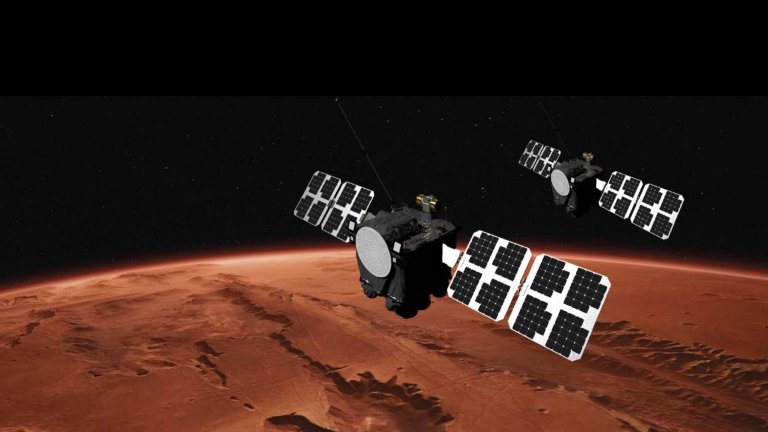
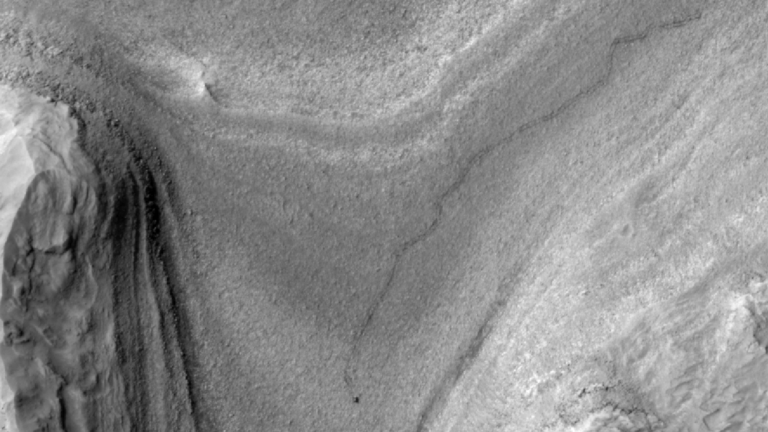
Citizen scientists and bored netizens can now help NASA map out the Martian surface for future astronaut explorers. Even kids can enjoy the thrills of Mars cartography -- namely counting craters and aligning higher-resolution images on top of a low-res map.

The U.S. space agency teamed up with Microsoft to create the online games at a newly launched website. Players can rack up reputation points for a robotic animal avatar by placing three images at a time on a Martian map, starting with the Valles Marineris canyon.

This goes beyond just providing mild amusement for the Internet hordes. NASA hopes that the crowd-sourcing can harness the efforts of thousands to create better Mars maps and smoother zoom-in views, which might allow scientists to better interpret Martian surface changes. Don't worry if you get one or two craters wrong, either, because there's probably another dozen people who got it right.

Crowd-sourcing has previously helped create everything from Star Wars remakes to better movie recommendations on Netflix. Even the Pentagon's mad science lab DARPA has tapped into crowd-sourcing as a way of leveraging social networks in a bizarre balloon-finding competition.

Perhaps Microsoft's involvement might mean that this fun exercise in intellectual child labor could even become available someday for the Xbox Live community. If, you know, shooting down drones in Modern Warfare 2 isn't doing it for you.

7 Comments

Mental Slavery. I'm in

--GTO--

Sweet!

I will follow your demands master NASA or not

Now, the question is, do we get to name them if we are the first? Doubtful, but I'd prefer to have craters named something other than MC-12k13DI84C/w501...

This is maybe a good idea for kids to explore Mars.

www.pspsx.com

A bit late. I was helping to ID craters for NASA on my old Mac+ back in the mid-'90s, but that was in B/W.
I'll have to check this out....


June 2013: American Energy Independence

Five amazing, clean technologies that will set us free, in this month's energy-focused issue. Also: how to build a better bomb detector, the robotic toys that are raising your children, a human catapult, the world's smallest arcade, and much more.


Online Content Director: Suzanne LaBarre | Email
Senior Editor: Paul Adams | Email
Associate Editor: Dan Nosowitz | Email
Assistant Editor: Colin Lecher | Email
Assistant Editor: Rose Pastore | Email

Contributing Writers:
Rebecca Boyle | Email
Kelsey D. Atherton | Email
Francie Diep | Email
Shaunacy Ferro | Email

circ-top-header.gif
circ-cover.gif