The Seafood Bandage
A new powder made from shrimp stops serious bleeding-fast
Launch the slideshow to learn how the seafood bandage works.
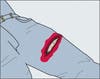
When it comes to war wounds, red is dead. Stop the bleeding, and you save the soldier. It´s a simple idea that´s driving a budding industry for fast-acting blood-clotting agents.
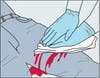
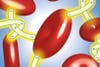
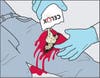
The latest in the category: a pourable bandage called Celox. Made by SAM Medical Products near Portland, Oregon, Celox is a granular compound derived from shrimp shells. â€It resembles uncooked grits,†says Adrian Polliack, SAM´s head of research and development. When poured directly into a bleeding wound and subjected to pressure, the posi-
tively charged Celox granules cross-link with negatively charged red blood cells, forming a putty-like plug that blocks blood flow [see slideshow].
The process takes about five minutes and features key advantages over two kinds of high-tech bandages now in use in Iraq and Afghanistan. Unlike HemCon, a bandage also made of shrimp shells that works only on surface injuries, Celox can be poured into major wounds. QuickClot, a clotting aid made of mineral powder, is similarly applied but creates heat that can cause severe burns.
Celox could hit war zones by year´s end, pending approval by the Food and Drug Administration. After that, your first-aid kit.
by Taylor Vignali
by Taylor Vignali
by Taylor Vignali
by Taylor Vignali