That Time When

‘That Time When’ explores the weirdest and most surprising moments in the history of science and innovation. From radioactive ‘miracle water’ to when the U.S. government censored the weather, these stories reveal the curious, delightful, and often ridiculous side of scientific discovery.
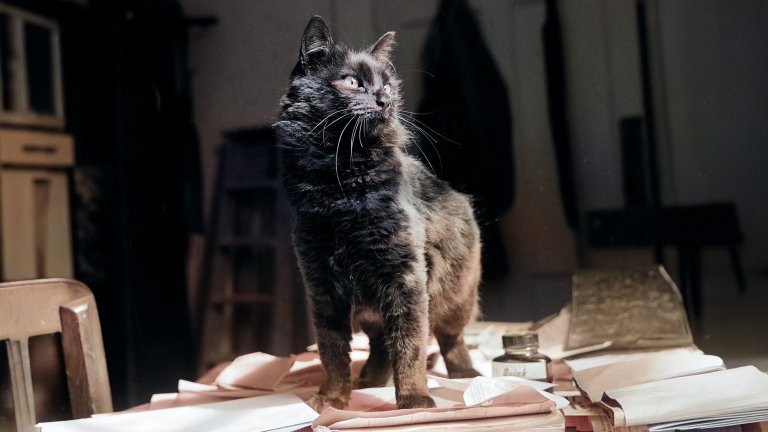
A medium shot of a dark-furred cat standing on a desk cluttered with vintage papers and an inkwell. The cat is looking alertly to its right, with its whiskers and fur illuminated by a dramatic light source against a dark, moody background.
Cats

The CIA once trained cats to be Cold War spies

Project Acoustic Kitty went about as well as you’d expect.
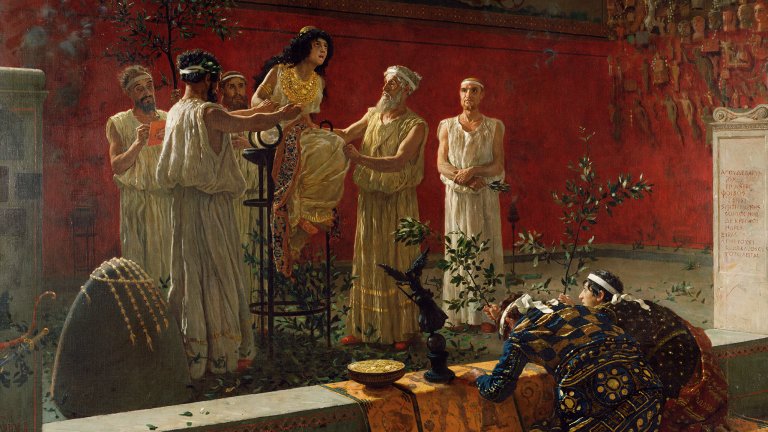
An oil painting titled "The Pythia" by Camillo Miola, depicting the Oracle of Delphi in ancient Greece. The Pythia, a young woman in white and gold robes with a heavy gold necklace, is shown in a trance-like state, seated on a tall bronze tripod. Several priests in white tunics surround her, some holding olive branches and one taking notes on a tablet. In the foreground, two figures in ornate blue and gold robes kneel in prayer or supplication before a low stone altar. The scene is set against a deep red wall, with laurel leaves scattered across the floor and a large, dark omphalos stone visible on the left.
Archaeology

Ancient Greece’s most famous oracle was just high on gas fumes

The Oracle of Delphi, also known as the Pythia, likely inhaled ethylene to enter her famous trance.
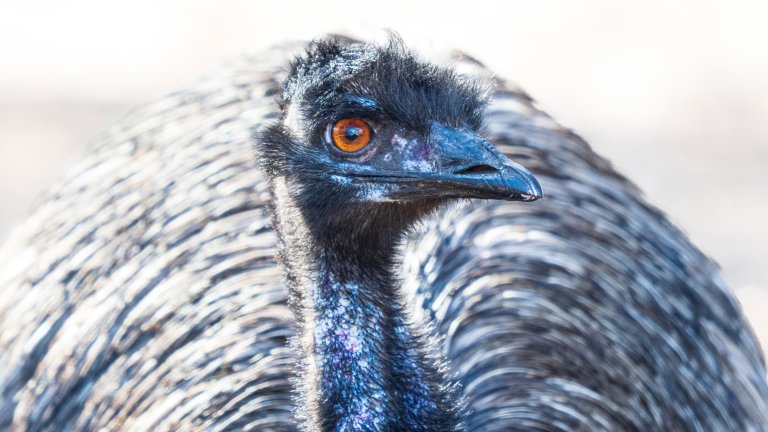
A detailed, extreme close-up of an emu's head and neck against its own feathered body. The emu has a sharp, dark beak and a striking, large orange eye. Its head is covered in fine, black wiry feathers, while the thick, gray and black plumage of its body creates a textured, blurred background.
Birds

Emus once faced down the Australian army—and won

Armed with machine guns and 10,000 bullets, soldiers still couldn’t stop the giant birds.
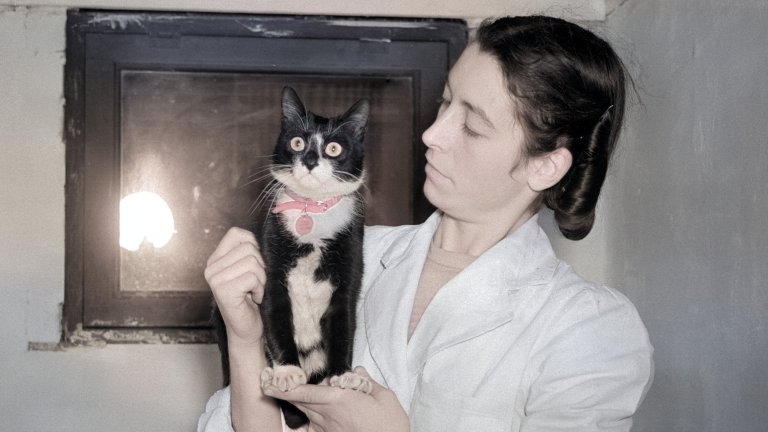
A colorized historical photograph of a woman in a white coat holding Simon, a black and white tuxedo cat who served as a celebrated ship's cat in the British Royal Navy. The cat wears a pink collar with a name tag, and both the woman and the cat are positioned in front of a dark window.
Cats

The tiny tuxedo cat who became a naval hero

The triumph and tragedy of Simon.

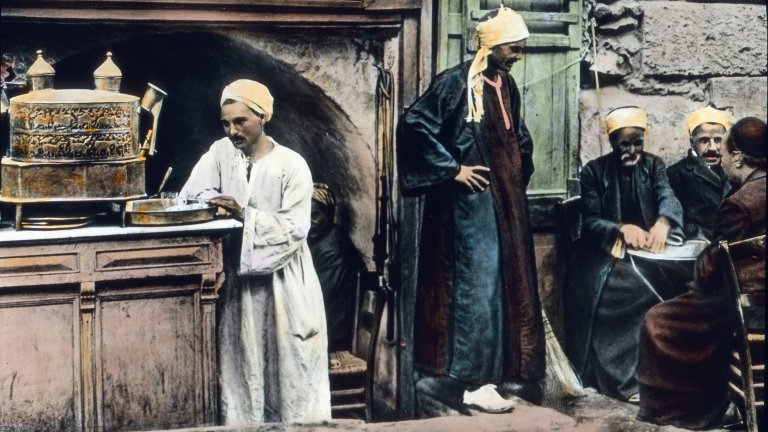
A colorized historical photograph showing a group of men in traditional Middle Eastern attire, including robes and turbans, gathered at an outdoor coffee house. On the left, a man in a white robe stands behind a counter featuring a large, ornate metal coffee urn. To the right, several other men are seated around a small table, engaged in conversation, reflecting the long history of coffee as a social staple.
Nutrition

4 times drinking coffee was illegal—or even punishable by death

Rulers once closed cafés, burned beans, and even executed someone—all for a cup of coffee.
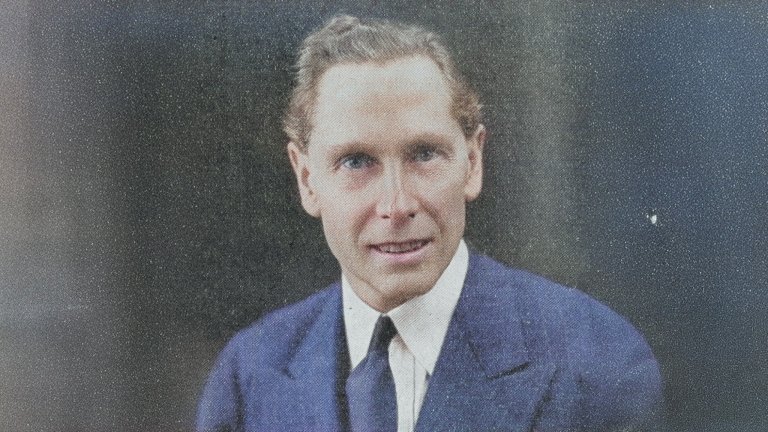
A vintage-style colorized portrait of a middle-aged man with light hair combed back, wearing a blue suit jacket, white shirt, and dark tie. He faces the camera with a neutral expression. The background is a uniform, grainy gray, and the image retains visible texture and noise consistent with an old printed photograph.
Weapons

The only person to win an Olympic medal and a Nobel Peace Prize

Philip Noel-Baker ran middle-distance races at the Olympics before dedicating his life to disarmament.
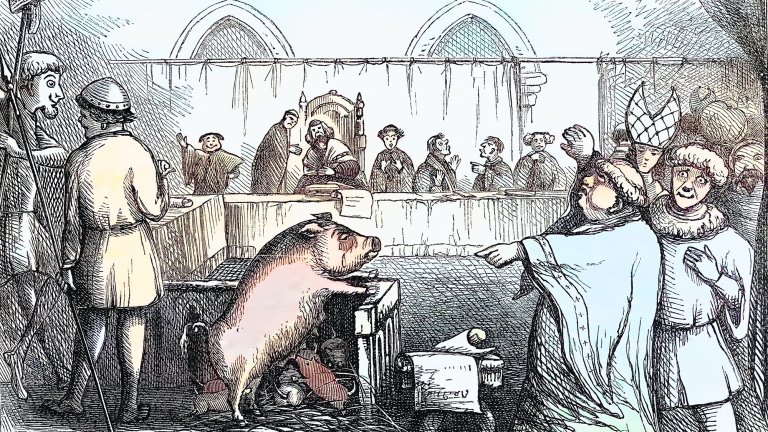
A colorful, detailed line illustration depicting a medieval courtroom scene where a pig is standing trial. The pig stands on its hind legs at a wooden witness stand or dock, facing a panel of judges and clerics seated behind a long table. In the foreground, a man in a light blue robe points a finger accusatorially at the pig, while other onlookers in traditional medieval tunics and headwear watch the proceedings with expressions of concern and curiosity. The setting features gothic arched windows and draped backdrops typical of the period.
Animals

In medieval France, murderous pigs faced trial and execution

Animal trials helped to restore order when the unspeakable happened.
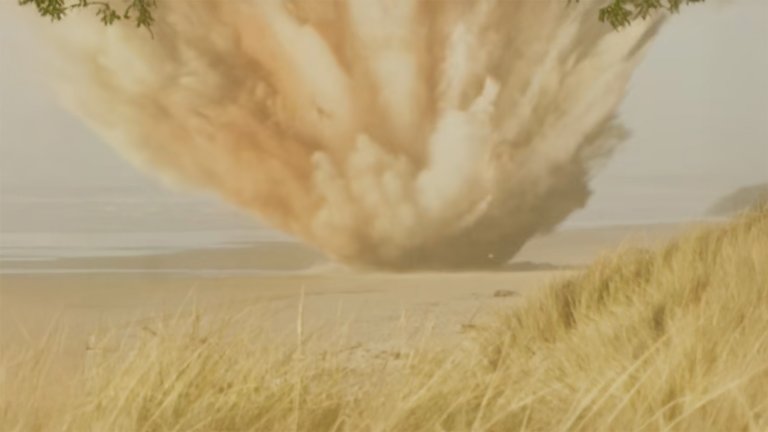
A vintage photograph of an explosion happening on a baech.
Whales

BOOM! That time Oregon blew up a whale with dynamite.

And why we should never do it again.

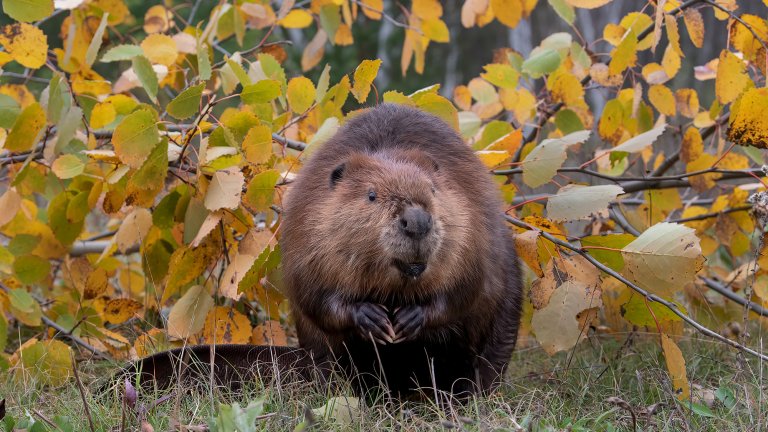
A fluffy beavers sits in front of a fallen tree branch with yellow leaves.
Wildlife

Idaho once dropped 76 beavers from airplanes—on purpose

Don’t worry. They had parachutes.

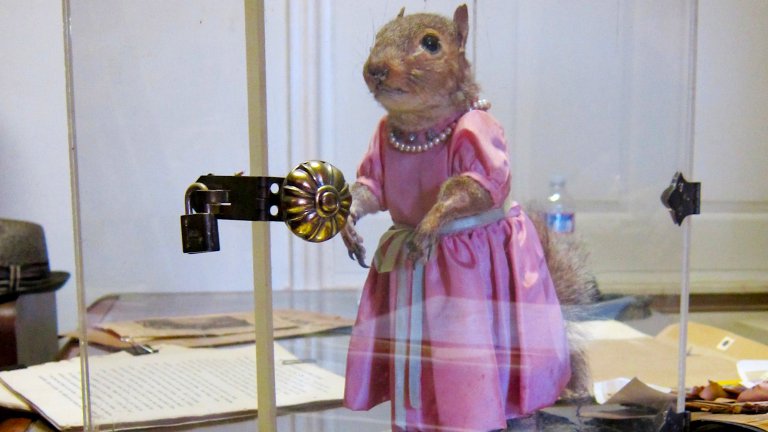
A taxidermied squirrel named Tommy Tucker standing upright inside a glass display case. The squirrel is dressed in a miniature pink pleated dress with puffy sleeves and a white ribbon tied around the waist, paired with a small pearl necklace. The display case is secured with a brass knob and a black padlock. In the blurred background, papers and a water bottle are visible on a desk.
Animals

During WWII, a dress-wearing squirrel sold war bonds alongside FDR

US bomber crews even carried photos of Tommy Tucker on missions.
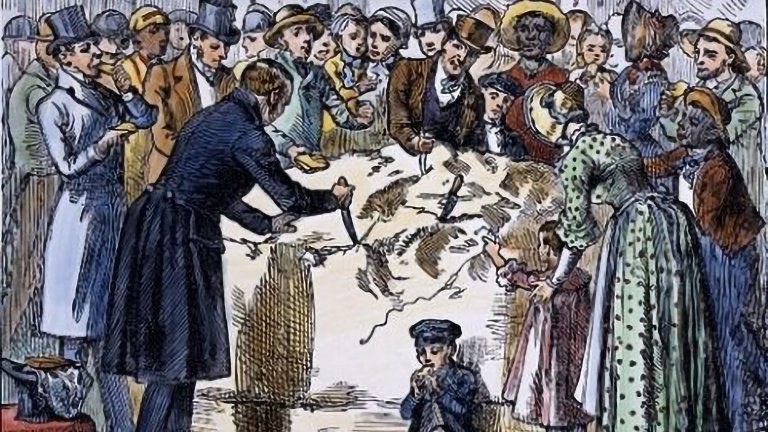
An 1886 color illustration depicting a crowd of people, including men, women, and children, gathered around a massive wheel of cheese in the East Room of the White House. A man in a dark coat is carving into the cheese with a knife, while others eagerly reach out with their own knives and hands to take a piece. In the foreground, a small boy sits on the floor eating a piece of the cheese. This event commemorates the distribution of the "Mammoth Cheese" gifted to President Andrew Jackson in 1835.
Food Safety

Andrew Jackson’s White House once hosted a cheese feeding frenzy

The seventh president’s farewell party featured 1,400 pounds of cheddar. Things got messy.
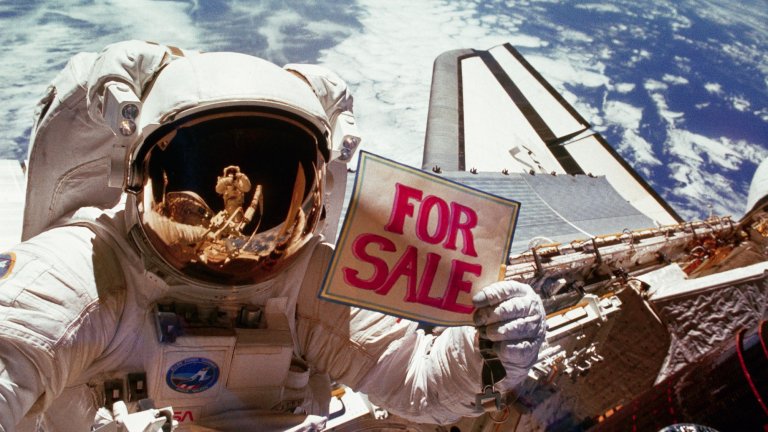
An astronaut in a white spacesuit floats in space above Earth, holding a handmade sign that reads “FOR SALE” in large pink letters. Reflections of space equipment and Earth are visible in the astronaut’s helmet visor, and part of a space shuttle is seen behind them with the blue curve of Earth in the background.
Space

The space billboard that nearly happened

How a 1993 plan to launch ads into space turned into a national freakout.

A colorful vintage poster illustration featuring a large Uncle Sam figure in a stars and stripes outfit, leaning down to adjust the hands of a massive clock with Roman numerals, which has a red center. Below him, a smaller man is running frantically with a small clock showing the time is one hour earlier. The text at the top reads "VICTORY! CONGRESS PASSES DAYLIGHT SAVING BILL." The style is reminiscent of early 20th-century American political or war-time posters.
Energy

The U.S. tried permanent daylight saving time—and hated it

In 1974, America set its clocks forward for good in the name of energy savings.
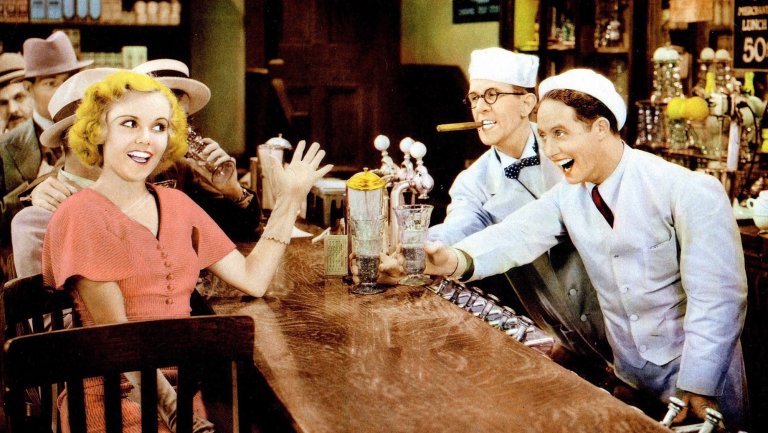
A colorized vintage photo shows a smiling blonde woman in a salmon-colored dress waving her hand while seated at a dark wooden counter or bar. Two men in white staff uniforms and hats are leaning over the counter, laughing with her, one of whom is holding a cigar. The other offers her a drink in a tall glass. Several other men in hats are visible in the background.
Diseases

The radioactive ‘miracle water’ that killed its believers

In the 1920s, Radithor promised to cure everything from wrinkles to leukemia, but its unintended results were deadly.
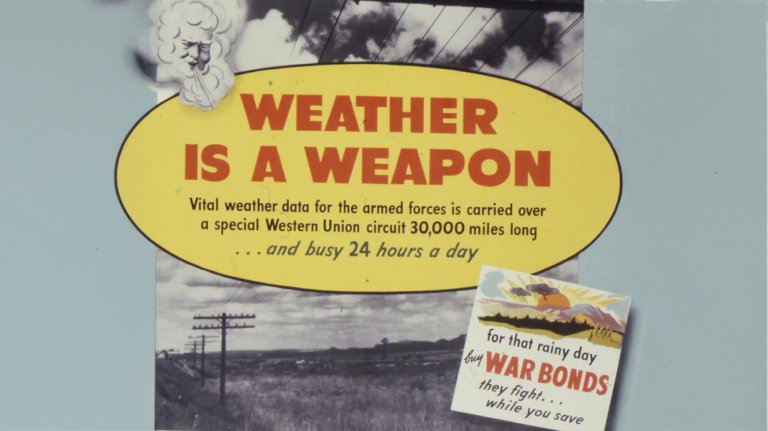
A poster with the bold red and yellow text "WEATHER IS A WEAPON" at the center. The poster features a black and white photograph of a rural landscape with telephone poles stretching into the distance. In the top left, a menacing cartoon cloud with a face is visible. A small, separate card at the bottom right encourages people to "buy WAR BONDS."
Weather

During WWII, the U.S. government censored the weather

Even baseball rain delays went unexplained.
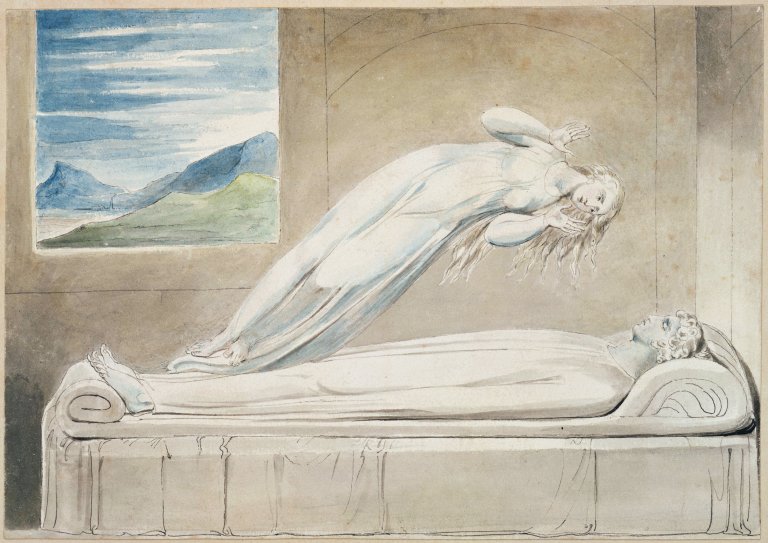
A light-toned painting shows a body wrapped in a white shroud lying on a bed or stone slab. Above the body, a translucent, ghostly figure with long hair and a white garment floats away, reaching upward with its arms. A framed window on the left side of the room reveals a blue sky and green hills with a mountain in the distance. The style is soft and ethereal, suggesting the departure of a soul.
Science Fiction

The 21 grams experiment that tried to weigh a human soul

In 1907, Duncan MacDougall put dying patients on a scale.
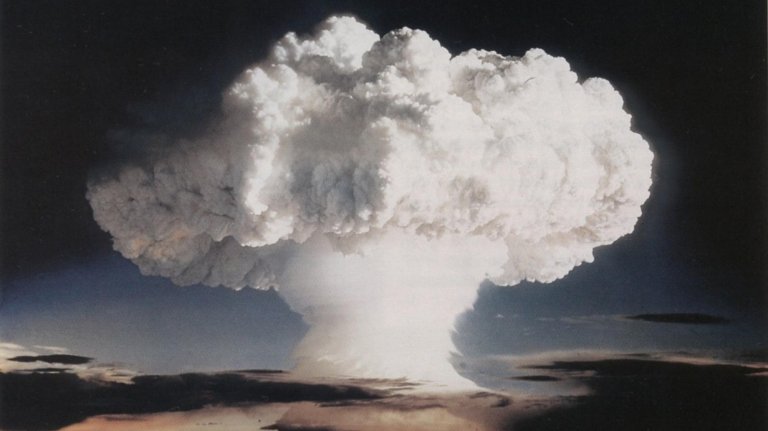
A large white mushroom cloud explodes into the upper atmosphere in a vintage photograph of a hydrogen bomb.
Weapons

When the U.S. almost nuked Alaska—on purpose

Project Chariot intended to detonate six bombs to build a harbor.