
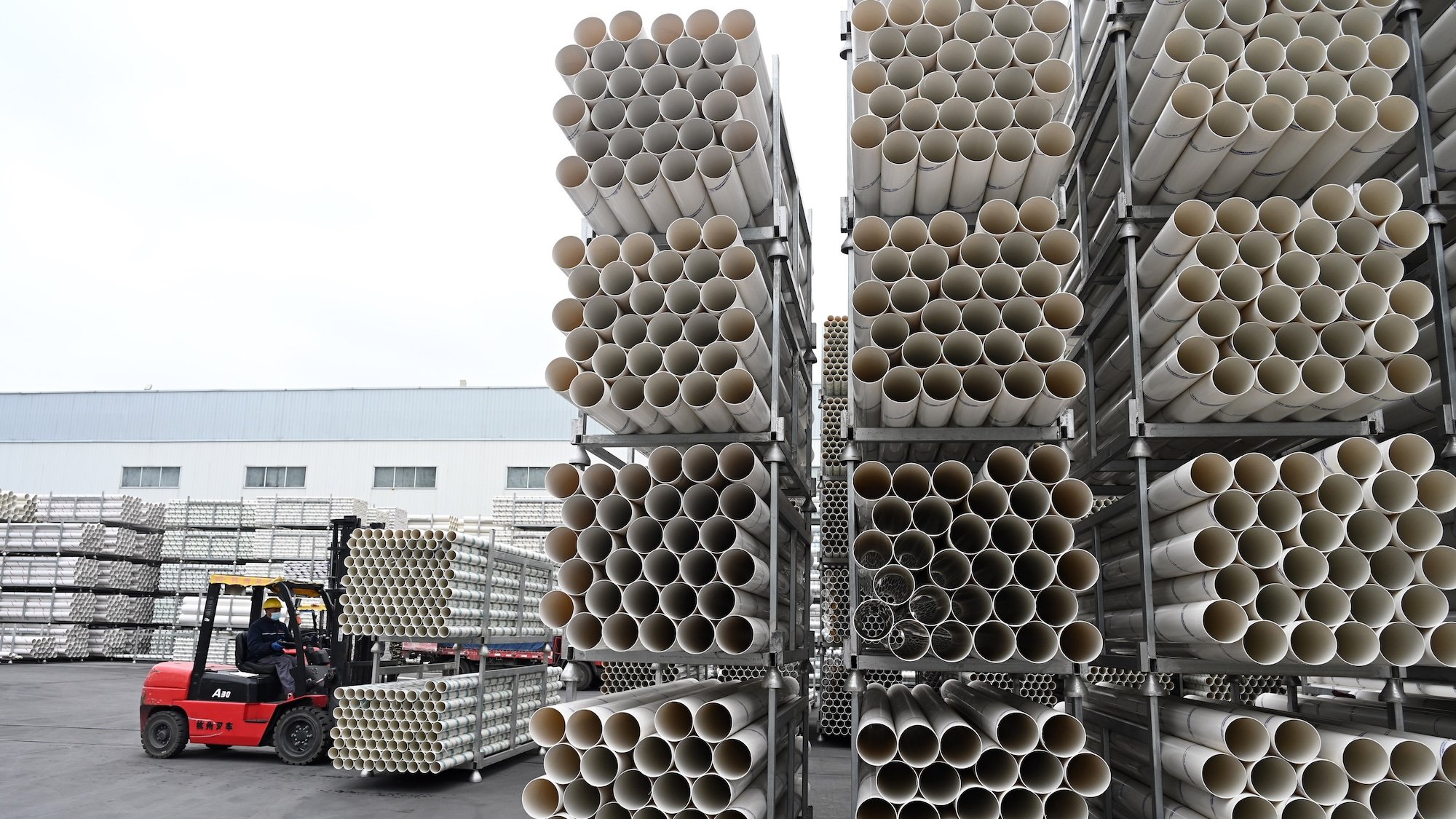
Polyvinyl chloride, better known as PVC, is most frequently found in pipes, credit cards, plastic bottles, electrical cable insulation, and other everyday items. PVC demand is high, too, with around 40 million tons of the material produced every year. It’s also one of the most difficult plastics to recycle, thanks to its additives and high chlorine content, meaning the vast majority of PVC winds up in landfills.
Researchers say they have finally found a way to convert the serious ecological issue into something equally useful and far less harmful. According to a study recently published in the journal Nature, PVC can now be broken down and repurposed as a key ingredient for industrial lubricants.
“Number one, we have proved that it is feasible to use plastic waste to make high-performance lubricants,” Guioliang “Greg” Liu, a chemical engineer at Virginia Tech and study co-author, said in a statement. “Number two, these lubricants are green, and they can meet the emerging needs for sustainability by the market.”
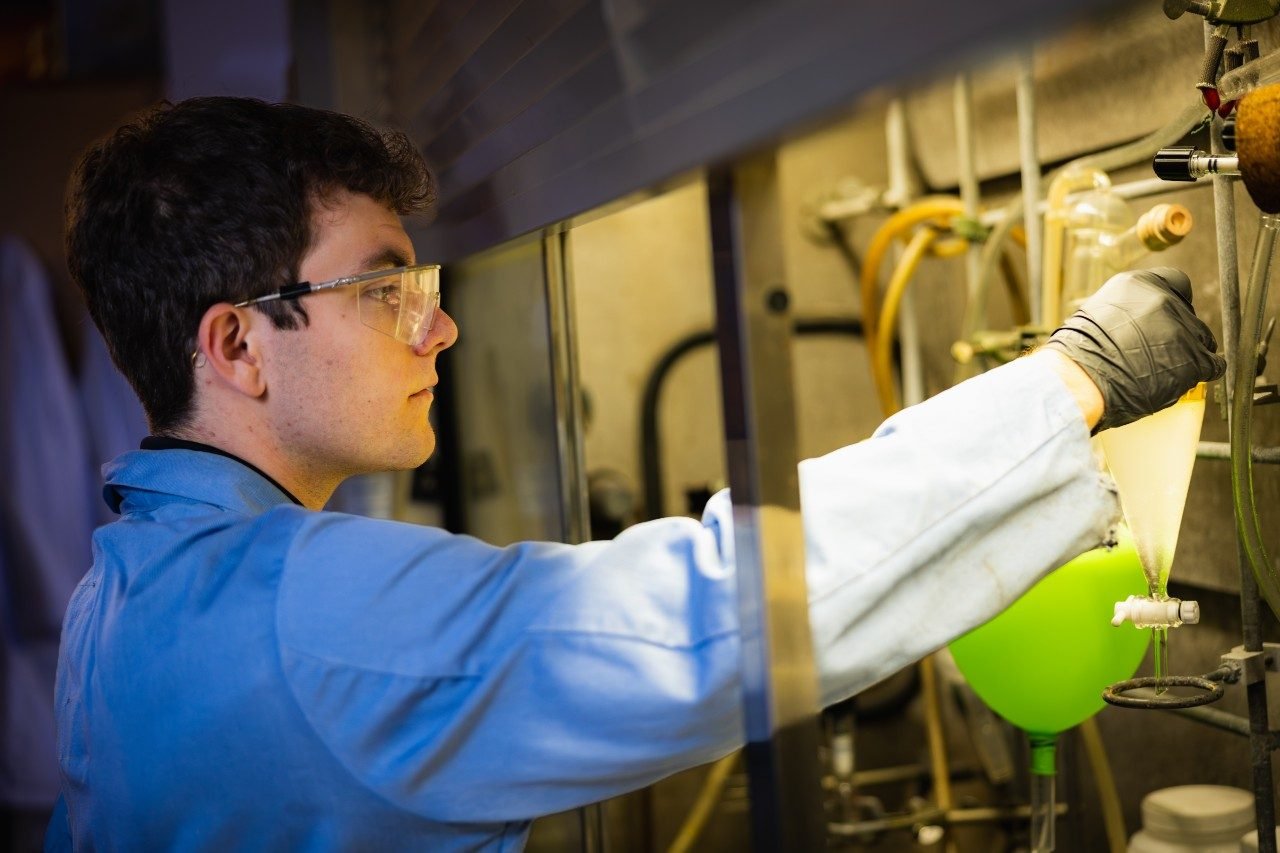
To transform PVC, Liu’s team places the plastic into a solvent along with chemical compounds like aluminum trichloride and alpha-olefins. That combination is then heated for three hours at 158 degrees Fahrenheit. The end result is a substantially thick oil, aka a lubricant.
Liu said the idea came to his team because PVC is one of the most easily activated types of polyethylene. Theoretically, this means that the plastic should be easily convertible into other, more useful molecules after replacing their chlorine atoms. However, initial trials fell short of their goal. The resulting PVC goop was too soft, gooey, and unable to withstand the high performance needs of existing industrial lubricants.
“One day I realized—if this polymer is so gooey and so soft, why don’t I just keep breaking the polymer chains down to smaller segments that mimic lubricants?” Liu recalled.
After additional refinement, this new end product is a comparatively eco-friendly oil that may find its way into the next generation of industrial lubricants. Moving forward, the team is now working to make their invention even more sustainable, scalable, and affordable for general use.
“Lubricants are the silent hero out there. We often don’t recognize they exist, but they are out there working quietly,” said Liu.
