
Each winter, over a million “snowbirds” descend on places like Florida and Arizona to avoid the season’s freezing temperatures and instead, ride it out in warmth. For many, it’s simply because they prefer the weather. For others, it’s a necessity for their health and well-being.
It’s well-known that cold weather can exacerbate joint pain, but why? What is it about plunging digits that often causes endless aches and pains? And more importantly, what can we do about it, other than hop a flight to Tahiti? We asked Dr. Aravind Athiviraham, an orthopedic surgeon at UChicago Medicine, to find out.
Why does cold weather lead to joint pain?
“One thought is that that change in atmospheric pressure during cold weather can expand bodily tissues slightly, irritating the nerve endings,” says Athiviraham.
Barometric pressure is the measurement of air pressure in the atmosphere. Prior to cold, rainy, or stormy weather, the atmosphere experiences a drop in barometric pressure.
As the surrounding air pressure decreases, body tissues such as muscles, tendons, and joint fluids inflate, almost like a balloon. In turn, this can compress nerves and increase pain, particularly for those with existing injuries, arthritis, or chronic pain.
This pain increase can happen even more so when the change in pressure is rapid. For example, during the recent Winter Storm Ezra, which pummeled the Midwest U.S. in late December 2025, temperatures dropped as much as 50 degrees Fahrenheit in a single day. This swift decrease in temperature compressed nerves and escalated joint pain for many Midwesterners.
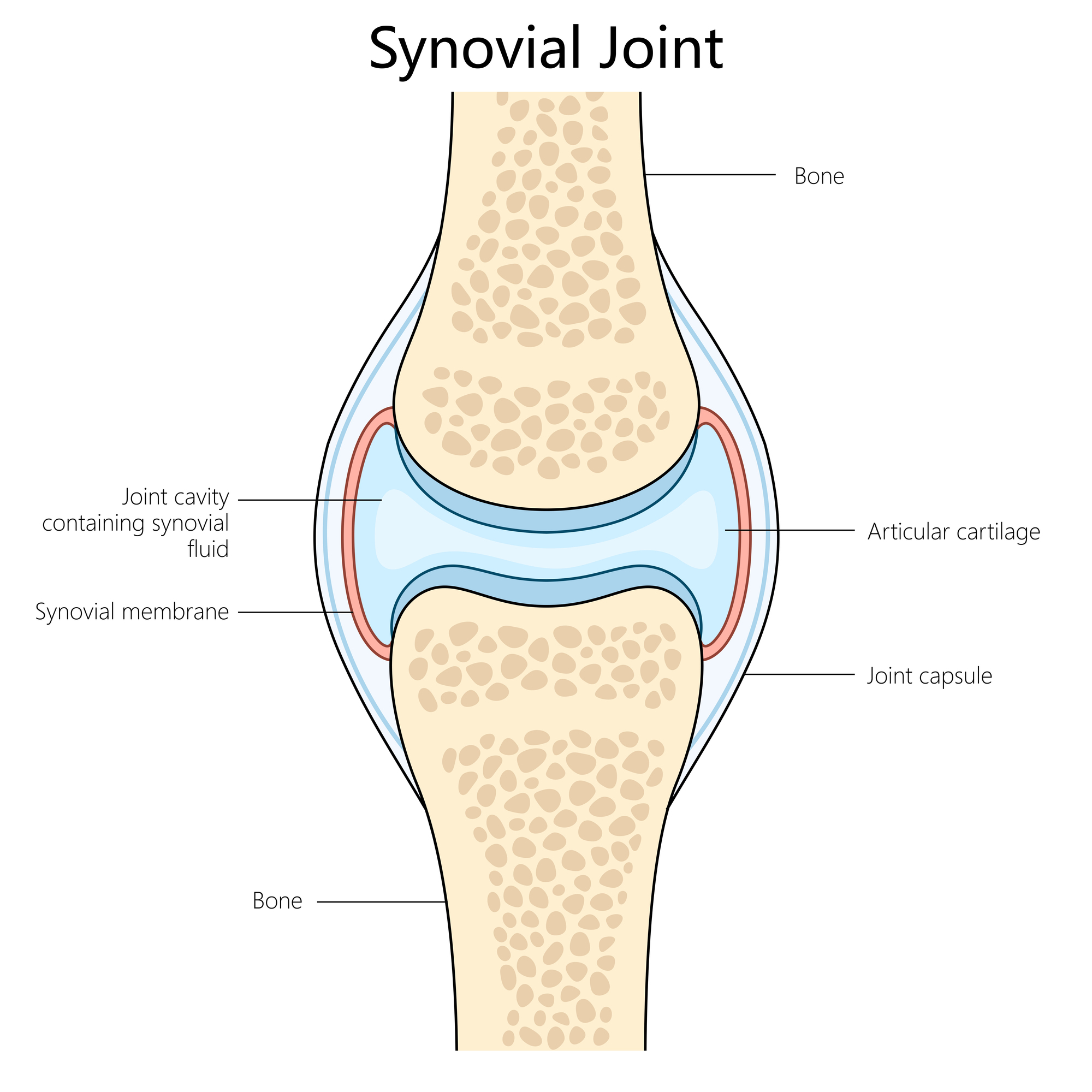
“Another thought is that in general, when there’s a significant dip in temperatures, the body’s synovial fluid can become a little more thick and viscous,” says Athiviraham. Synovial fluid is a sticky substance that lubricates cartilage and joints. “If it’s thicker, it can be less effective.”
There’s also the body’s need for comfort. According to Athiviraham, “cold temperatures can also cause muscles and connective tissues to become tighter and contract,” as the body tries to stay warm. These contracted muscles can pull on the joints, causing increased stiffness and pain.
What role does exercise play in joint pain during cold weather?
“In general, when it’s really cold outside, people tend to be a little bit less active,” says Athiviraham. Regular movement circulates synovial fluid, helping reduce stiffness and increase our range of motion.
“If someone’s less active, they have less strength and flexibility, which can set up a chain reaction that can lead to more pain and stiffness.” Tighter muscles create extra tension on joints, something that can be especially uncomfortable after sitting for long periods.
How do our minds affect how we experience joint pain?
The role that our minds play in experiencing pain is also a very real thing, says Athiviraham.
“For example,” he says, “if I’ve been told that when it’s cold outside my joints are going to act up, I may experience a kind of psychological pain amplification.” This is a condition where the body’s nervous system, often triggered by stress and/or injury, magnifies pain, which can actually increase its severity.
It’s what Athiviraham refers to as the nocebo effect, “the opposite of placebo.” While the placebo effect equates beneficial results with positive expectations, the nocebo effect is just the opposite.
“Say you’ve just torn your rotator cuff,” says Athiviraham, which makes raising and moving your arm difficult. “How you think of physical therapy is really predictive in how you’re going to do. If you think that PT is going to work, there’s a good chance that it will. But if you go into it thinking that you already have a tear and nothing will help, you’ve answered your question long before doing therapy. If there’s an expectation of increased pain, it’s a little bit of a self-fulfilling prophecy.” Meaning, if you believe your joints will hurt when the weather turns, there’s a high chance that they will.
Related 'Ask Us Anything' Stories
Are arthritis and joint pain the same?
The general answer is no. While joint pain is often a symptom of injuries and can be temporary, arthritis is a chronic condition that involves inflammation. However, the two are sometimes intertwined.
Arthritis is basically the wearing down of cartilage in the joint. “And so, if there’s already a baseline level of increased pain and loss of cartilage,” says Athiviraham, “a person is primed for increased pain” once the weather turns.
If joint pain is accompanied by swelling and redness and is persistent, it may actually be arthritis.
What are some ways to keep joint pain at bay during cold weather?
“The more you move your joints, the better lubrication your joints are going to have, and the better blood flow,” says Athiviraham. “Obviously you can’t change the weather. But you can pick an indoor activity.” Head to the gym or purchase a home exercise bike or elliptical machine. Do jumping jacks. Try yoga. “Be more diligent about being intentional, and seek out activities that may happen a little more naturally in the summer.”
Dressing for the weather is also important. Don layers and pay special attention to covering specific joint areas with gloves, scarves, and thermal leggings and shirts for protecting knees and elbows. Heating pads and warm baths both help to improve blood circulation and relax muscles, decreasing pain in your joints.
Riding out the cold
Of course, you can always relocate to a warmer climate to avoid any cold weather aches and pains. But with a little forethought you can also stay put and make the best of it, by minimizing pain and riding out cold weather comfortably.
In Ask Us Anything, Popular Science answers your most outlandish, mind-burning questions, from the everyday things you’ve always wondered to the bizarre things you never thought to ask. Have something you’ve always wanted to know? Ask us.
