
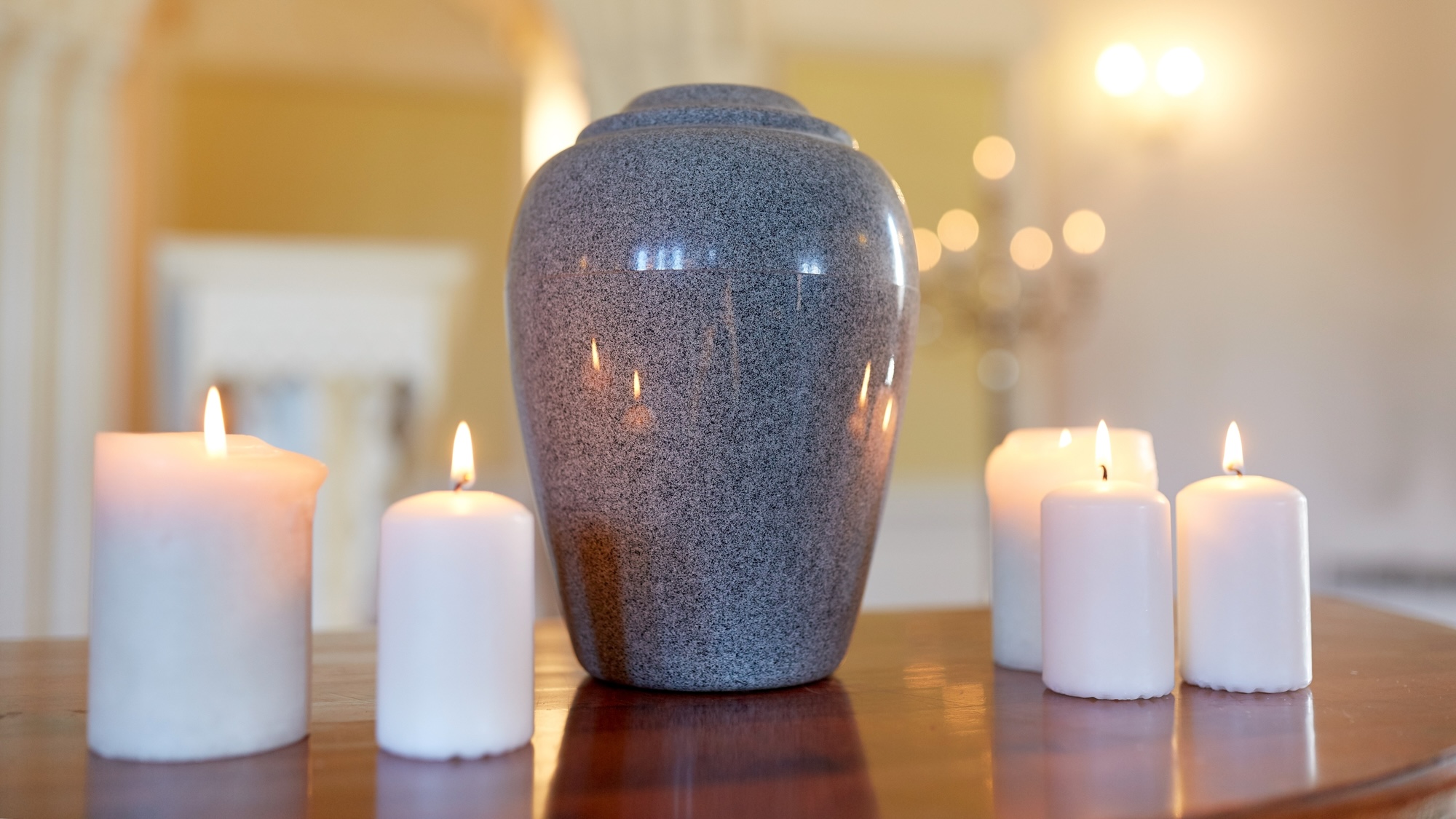
The casket industry may soon require life support in the United States. According to analysis from the National Funeral Directors Association (NFDA), cremation is by far the more popular option compared to the traditional burial method. The NFDA estimates around 63 percent of all funerary requests were for cremation in 2025, compared to about 31 percent for casket burials. There’s no indication that the shift will level off anytime soon, either. By 2045, as many as 80 percent of bodies in the United States will be cremated instead of interred in the ground.
As Axios noted, no single reason explains the shifting preferences. Instead, the transition likely reflects a combination of factors, including evolving religious beliefs, environmental concerns, as well as the simple issue of economics. In 2023, the NFDA estimated the average cost of a casket burial, accompanying viewing, and memorial service to cost about $8,300. Meanwhile, the median cost that same year for cremation by itself was only around $2,750. Similar to the continued rise in cremation numbers, inflation issues will almost assuredly keep prices rising for both options in coming years.
Unfortunately, some of cremation’s growing popularity may be a bit misguided. Although often cited as a “greener” or more environmentally sustainable alternative to casket burials, the fire-based process isn’t without its own ecological impacts. The 1,400–1,900 degree Fahrenheit temperatures required to properly reduce a body to ash is usually achieved using either natural gas- or oil-fueled flames. And aside from CO2 emissions, the fires also release mercury thanks to people’s incinerated dental fillings.
Alternatives to cremation offering similar results are gaining traction, however. Aquamation, as the name implies, swaps out the flames for heated water and alkali that break down a body over the course of around 12 hours. The method itself emits about 20 percent less carbon, but simultaneously produces between 100 and 300 gallons of liquid waste that puts a strain on municipal treatment facilities.
There is no one-size-fits-all solution for a final resting place, but given that everyone eventually shuffles off this mortal coil, it’s a decision that deserves thoughtful consideration. But if you want to go out as green as possible, experts agree one option stands out from all the rest: natural burials, aka “human composting” is probably the best bet.
