
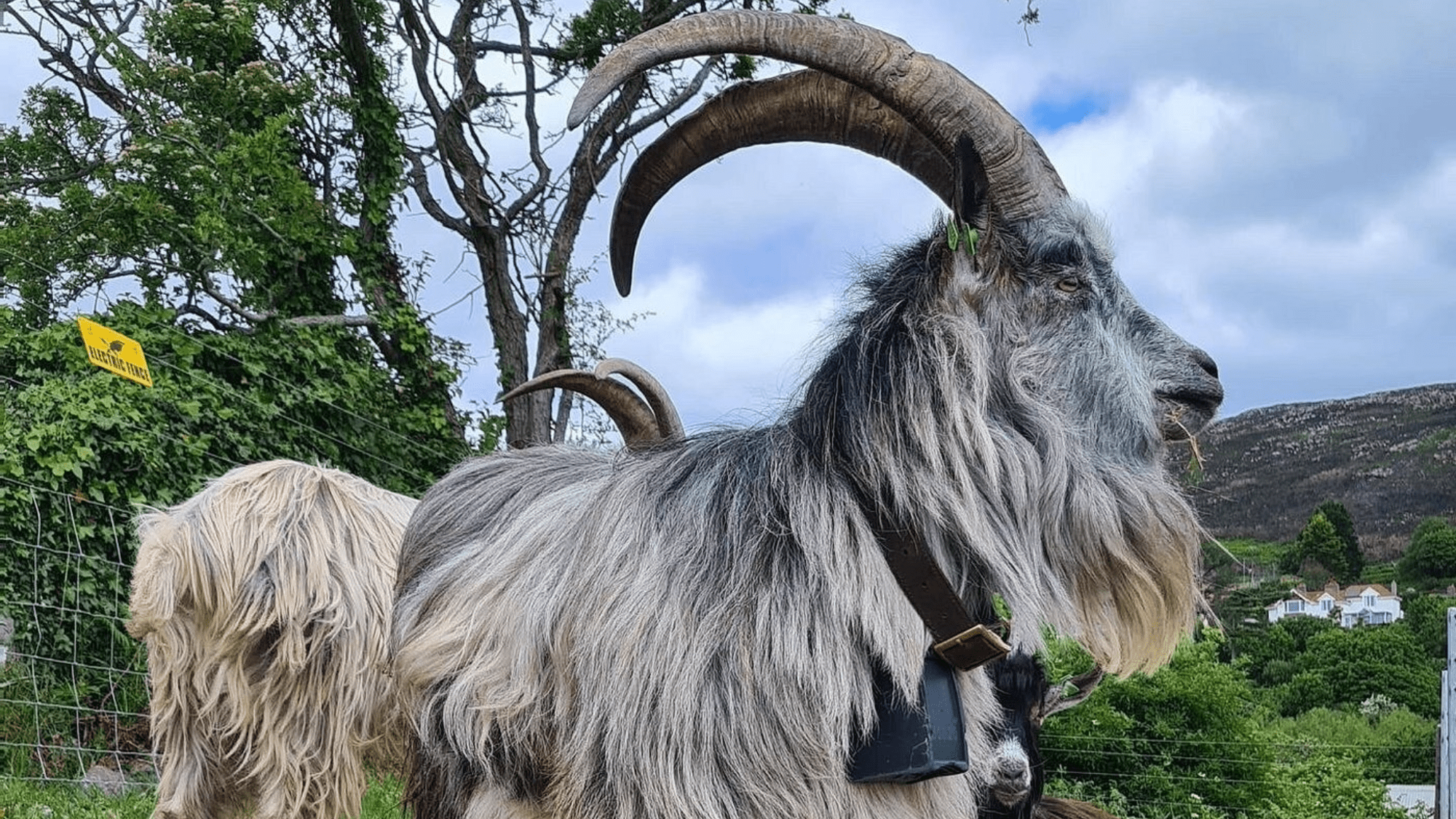
Some 3,000 years of history is locked inside the DNA of a single species—the old Irish Goat (Capra aegagrus hircus). This rare indigenous breed is Ireland’s only native goat species and shares a genetic link to goats living across the country during the Late Bronze Age. According to a study published today in the Journal of Archaeological Science, understanding this genetic time capsule reshapes our understanding of Ireland’s agricultural past and supports goat conservation efforts as a living link to prehistoric farming communities.
“This research is a huge milestone for the Old Irish Goat, and provides powerful scientific validation of what local communities and conservationists have long believed—that the Old Irish Goat represents a living piece of our ancient heritage,” Sinead Keane from The Old Irish Goat Society said in a statement. “It also underscores the urgency of protecting this critically endangered breed, which carries within it a living genetic record of Ireland’s ancient past.”
Meet the old Irish Goat
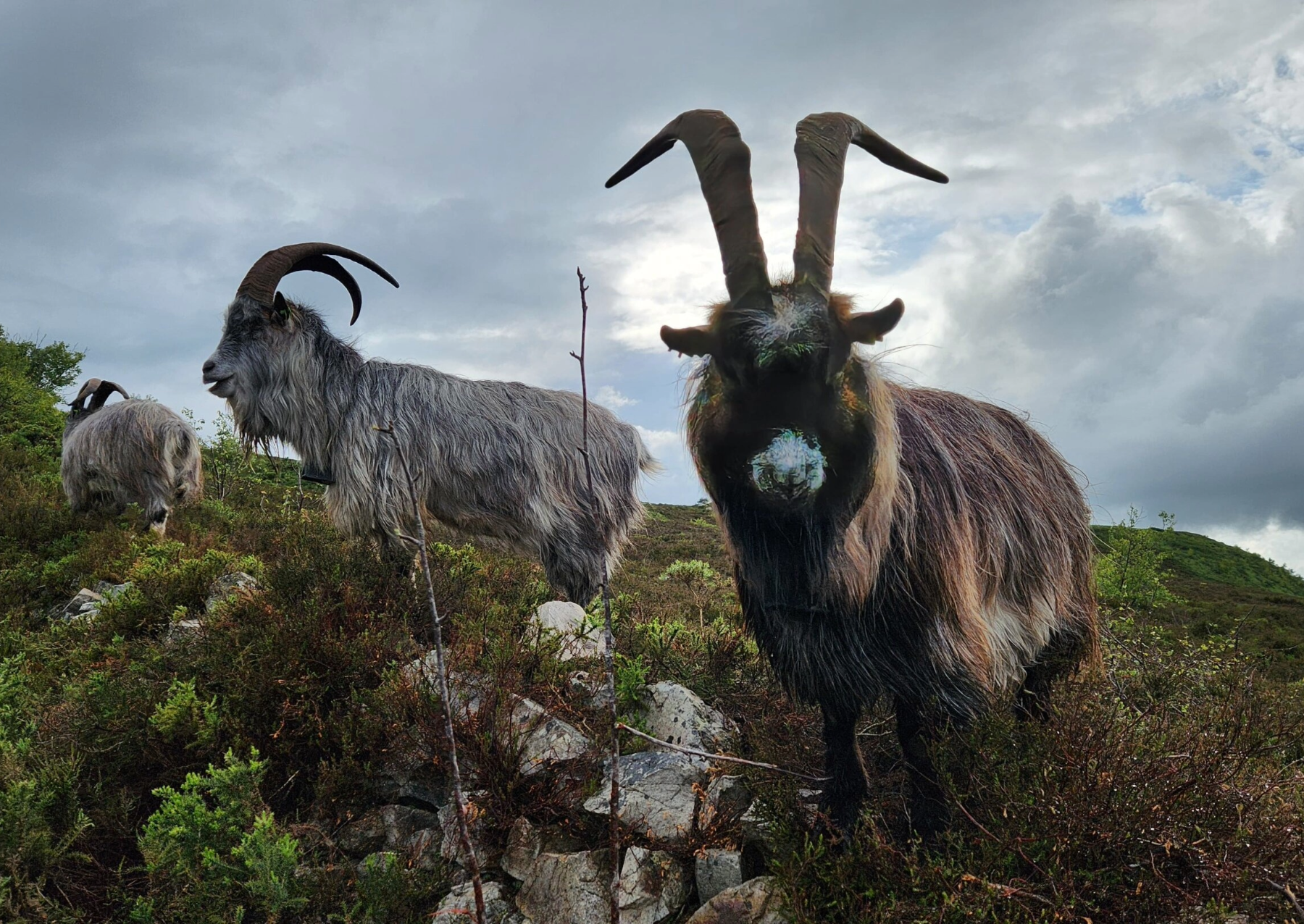
Known historically as an Gabhar Fiáin—or the wild goat—the old Irish Goat is deeply rooted in both Irish folklore and agriculture. Goats were among the first animals domesticated in Ireland and have been farmed there since Neolithic times. By 1891, there were an estimated 282,000 old Irish Goats in the country based on an agricultural census of 1891. By 1980, their numbers dropped to only 9,000, partially due to unregulated trophy hunting, inbreeding, and habitat loss.
Today, the small wild-roaming herds are often viewed as a symbol of resilience and wisdom. Their hardiness, ability to survive on marginal land, and the nutrient-dense milk they produce have made them invaluable to small farmers for centuries.
“Goats tend to get overlooked compared to sheep in the archaeological record because it is notoriously difficult to distinguish between their bones,” added study co-author and Queen’s University Belfast bioarcheologist Eileen Murphy. “There is an assumption that sheep would have been more important than goats in the past but historical sources suggest that herds of goats may have been kept to supply a trade in skins from ports such as Carrickfergus.”
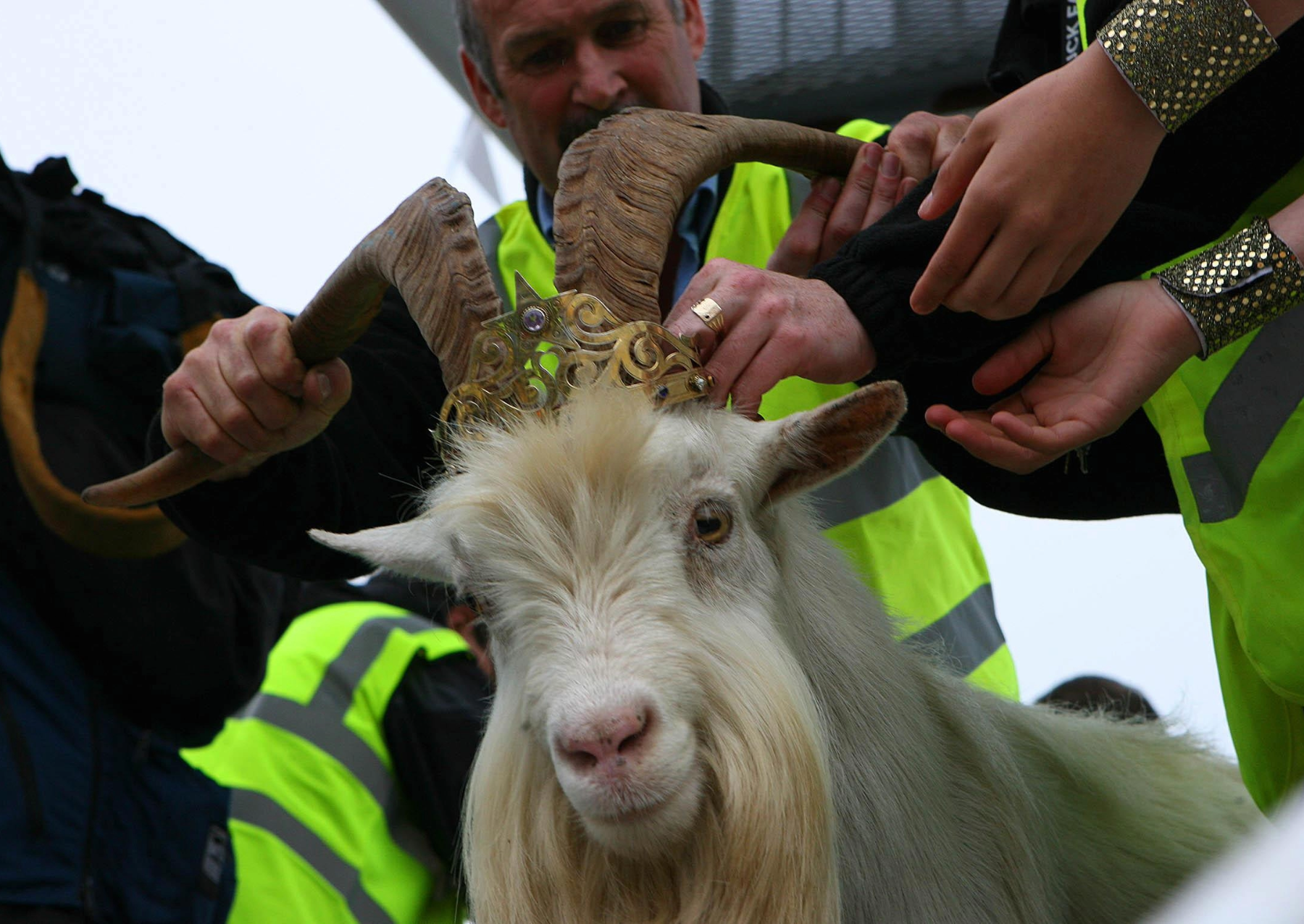
In folklore, goats primarily appear in local traditions, place names, and seasonal customs. The most famous is one of Ireland’s oldest festivals, Puck Fair in Killorglin, County Kerry. Traditionally, a goat would be captured from the mountains every August and crowned “King Puck.” The festival king would then preside over three days of celebration. While the origins are still debated, the festival shows the goat’s long association with Ireland’s landscapes and community life.
Comparing genomes
For this new study, researchers analyzed goat remains dating back to about 1100-900 BCE from a Bronze Age hillfort called Haughey’s Fort in County Armagh, Northern Ireland. They also studied newer goat remains from the medieval town of Carrickfergus in County Antrim, Northern Ireland.
They used radiocarbon dating along with genetic and protein analyses to confirm that the Late Bronze Age animals are the oldest goat remains ever identified in Ireland to date. The genomic comparisons revealed that the ancient animals share their strongest genetic affinity with the same critically endangered old Irish Goat population that still survives.
“Combining genetics, proteomics, and archaeological science has allowed us a glimpse of our animals hundreds and thousands of years ago—and how their descendants likely still live with us, as part of our biocultural heritage,” added Kevin Daly, a study co-author and palaeogenomicist at University College Dublin.
To identify definite goats versus sheep, the team used protein fingerprinting (ZooMS). This technique identifies species via microscopic traces of preserved collagen within the bones. The prehistoric DNA was then extracted and sequenced, allowing researchers to compare the genomes of Late Bronze Age, medieval, and modern goat breeds worldwide.
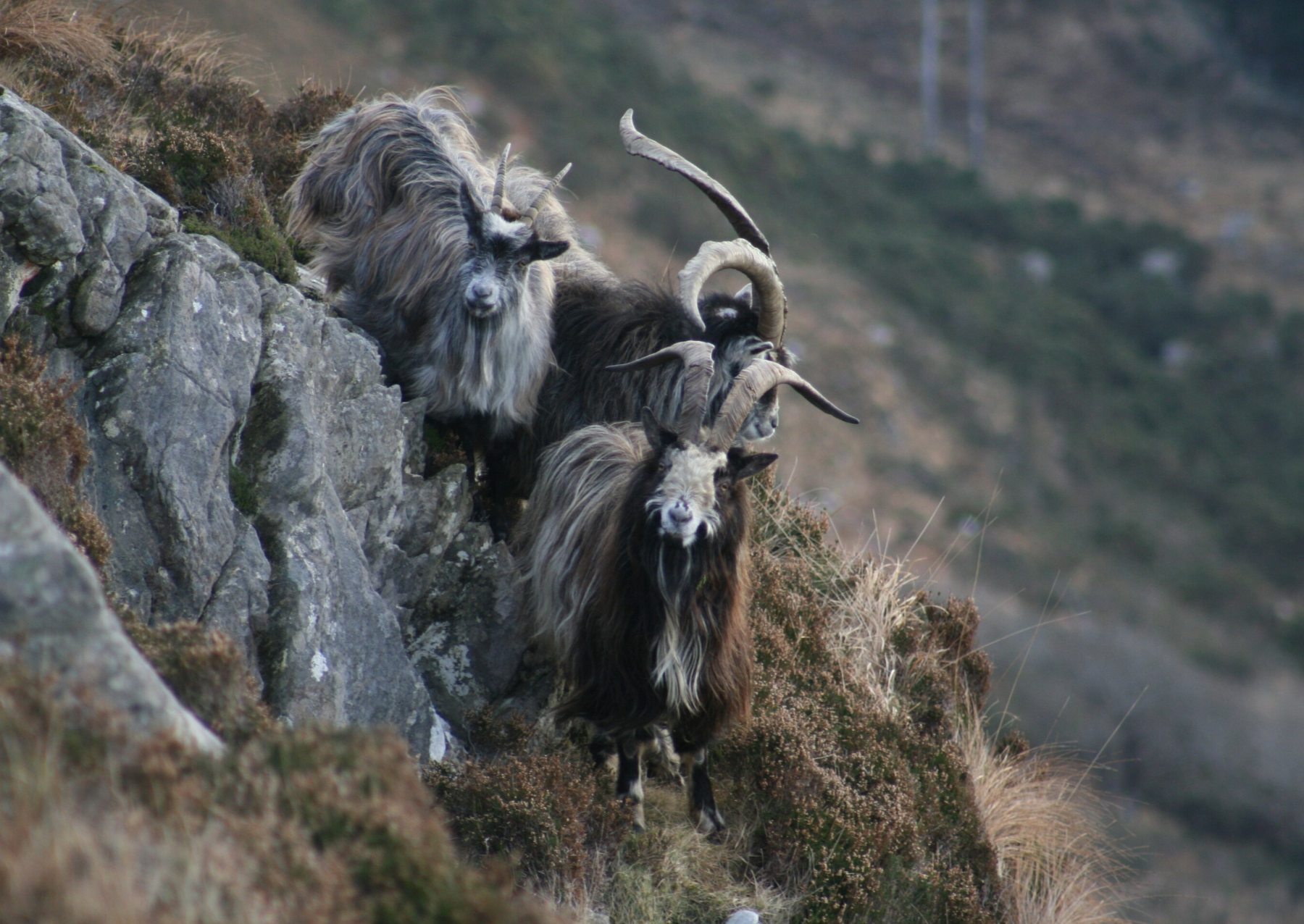
The team found that both prehistoric and medieval Irish goats were the most genetically similar to the still-surviving old Irish Goat. According to the team, it points to a remarkable continuity of goat populations on the island over 3,000 years.
This research also offers insight into more recent changes within the breed. The medieval goats showed more varied genetic profiles, while old Irish Goats living today show clear signs of inbreeding that are linked to a dramatic population drop in recent years. This indicates that today’s genetic bottleneck is a more modern occurrence instead of a long-term feature of Irish goat populations.
“The advancements in biomolecular and genetic analysis are very exciting, and have now opened up a new opportunity to revisit Ireland’s archaeological and archaeogenetic records, which may in time reveal that Ireland’s early goat history is even richer than currently understood,” Keane concluded.
