
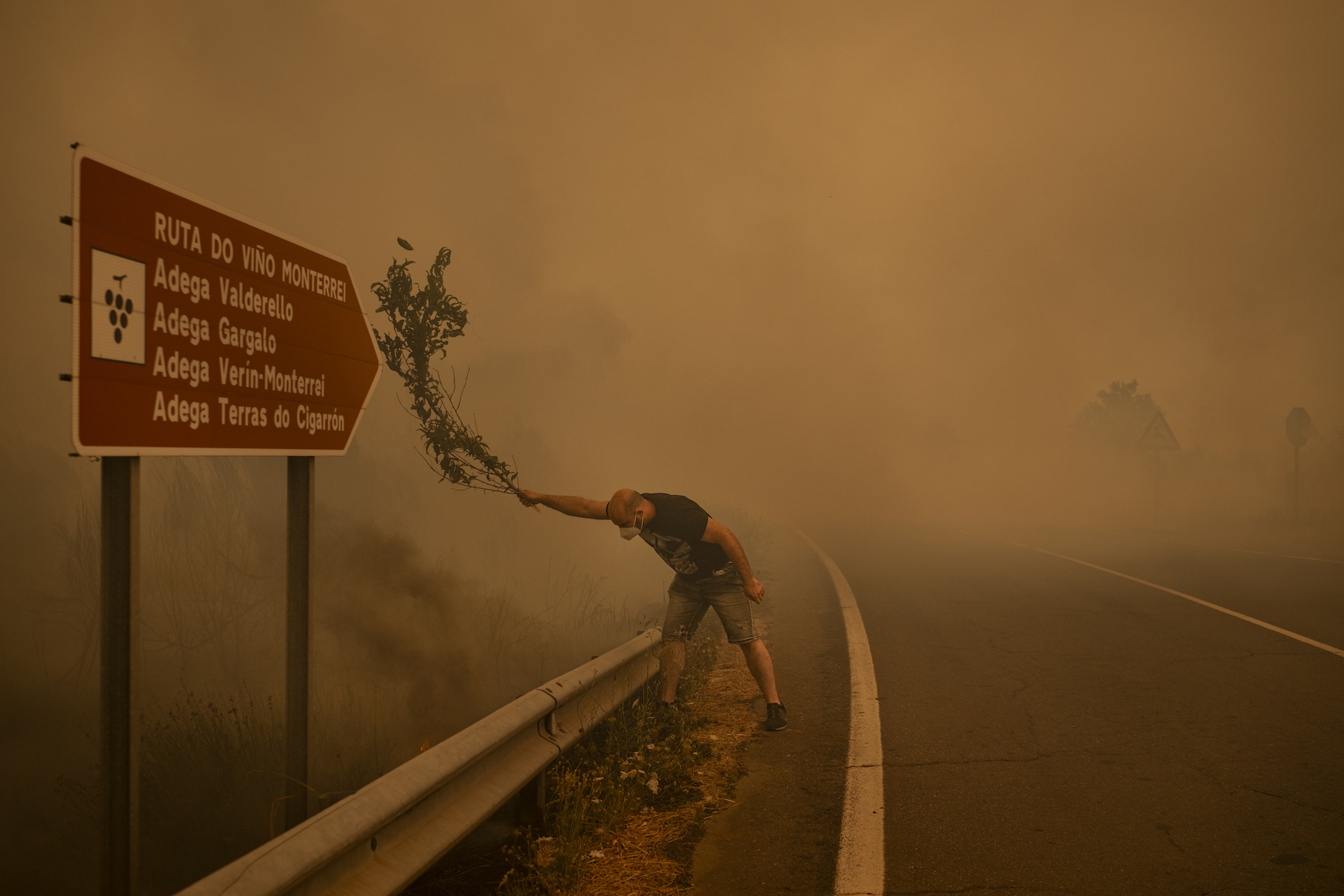
17 compelling winners from the 2026 World Press Photo Contest

The 2026 World Press Photo Contest documents our fragility, resiliency, and the best and worst of humanity. More than 3,700 photojournalists and documentary photographers submitted 57,376 photographs for this year’s awards.

The winners include heartbreaking images of an elephant culling in Zimbabwe, a massive apartment fire in Hong Kong, and the devastating aftermath of drone attacks in Ukraine.
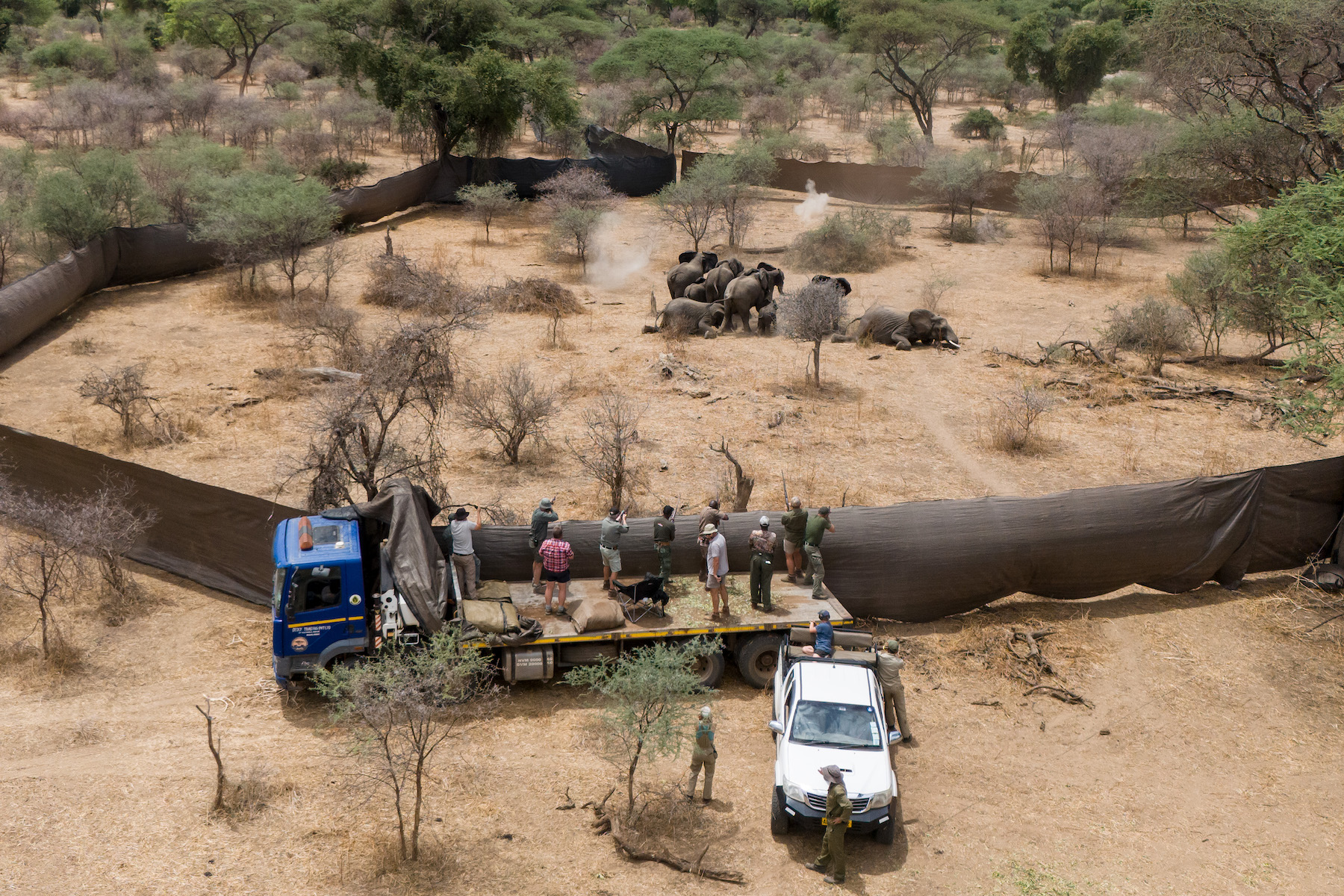
Title: When Giants Fall Credit: © Halden Krog, for Daily Mail Caption: Professional hunters shoot a family of elephants identified for culling. Sango Wildlife Conservancy, Savé Valley Conservancy, Zimbabwe, 23 October 2025. Story: In 2025, the government of Zimbabwe authorized the culling (killing for the purpose of population control) of 50 elephants in the Savé Valley Conservancy. This decision followed a 2024 cull of 200. Authorities say the growing population has surpassed what the land can sustain, worsening human-wildlife conflict as drought drives elephants searching for food and water into closer contact with people. Wildlife organizations dispute claims of overpopulation and condemn culling. They have raised concerns including the fracturing of elephant social structures, and the trauma inflicted on surviving animals, which could increase aggression toward humans.
“When Giants Fall”
Professional hunters shoot a family of elephants identified for culling. Sango Wildlife Conservancy, Savé Valley Conservancy, Zimbabwe, 23 October 2025.
In 2025, the government of Zimbabwe authorized the culling (killing for the purpose of population control) of 50 elephants in the Savé Valley Conservancy. This decision followed a 2024 cull of 200. Authorities say the growing population has surpassed what the land can sustain, worsening human-wildlife conflict as drought drives elephants searching for food and water into closer contact with people. Wildlife organizations dispute claims of overpopulation and condemn culling. They have raised concerns including the fracturing of elephant social structures, and the trauma inflicted on surviving animals, which could increase aggression toward humans.
Credit: © Halden Krog, for Daily Mail

“This is a critical moment — for democracy, for truth, for the question of what we as a society are willing to see and call out and what we are willing to ignore,” global jury chair Kira Pollack said in a statement. “The photographers recognized here have done their part. They have made the record. Now it is our turn to look.”
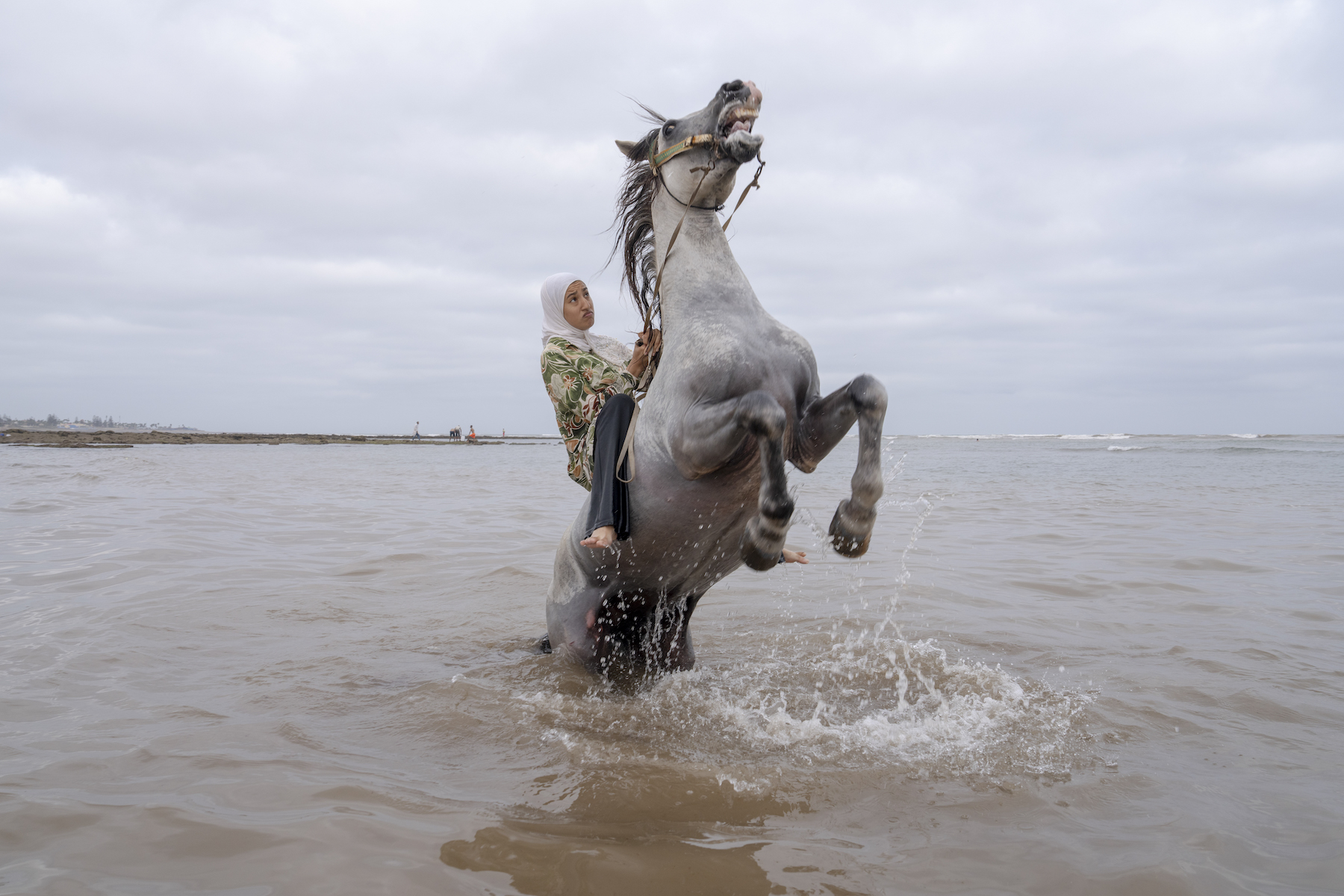
Title: Farīsāt: Gunpowder’s Daughters Credit: © Chantal Pinzi, Panos Pictures Caption: Ghita Jhiate manages her unruly stallion. Long forbidden by her father to participate in Tbourida, she finally realized her dream of riding alongside pioneer Zahia Aboulait in 2025. Sidi Rahal, Morocco, 6 August 2025. Story: Tbourida is a UNESCO-recognized Moroccan equestrian tradition dating back to the 16th century. Troupes gallop in unison, firing rifles in a choreographed performance of cavalry warfare. Historically excluded, female riders have fought for inclusion since Morocco’s 2004 family code reforms strengthened women’s legal rights. Today, seven all-female troupes now ride among some 300. These farīsāt (horsewomen) bear significant personal costs, funding their own horses, costumes, and gunpowder permits. Their perseverance stands as a powerful claim to women’s rightful place in Moroccan cultural heritage.
“Farīsāt: Gunpowder’s Daughters”
Ghita Jhiate manages her unruly stallion. Long forbidden by her father to participate in Tbourida, she finally realized her dream of riding alongside pioneer Zahia Aboulait in 2025. Sidi Rahal, Morocco, 6 August 2025.
Tbourida is a UNESCO-recognized Moroccan equestrian tradition dating back to the 16th century. Troupes gallop in unison, firing rifles in a choreographed performance of cavalry warfare. Historically excluded, female riders have fought for inclusion since Morocco’s 2004 family code reforms strengthened women’s legal rights. Today, seven all-female troupes now ride among some 300. These farīsāt (horsewomen) bear significant personal costs, funding their own horses, costumes, and gunpowder permits. Their perseverance stands as a powerful claim to women’s rightful place in Moroccan cultural heritage.
Credit: © Chantal Pinzi, Panos Pictures

Visit World Press Photo for a full gallery of winners.
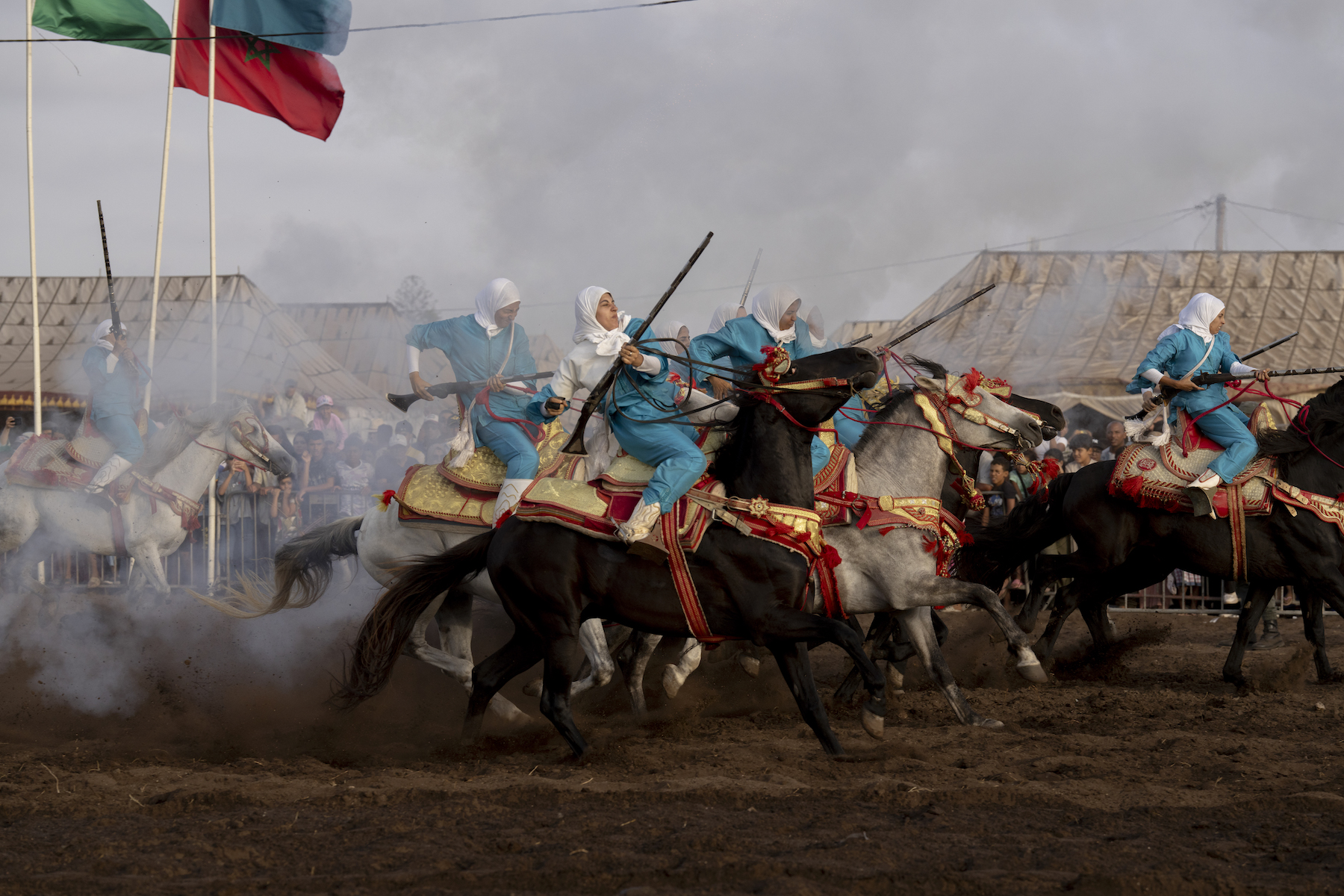
Title: Farīsāt: Gunpowder’s Daughters Credit: © Chantal Pinzi, Panos Pictures Caption: Noura attempts to control her horse after firing, the most dangerous part of the performance. Riders risk injury from gunpowder or falling and being trampled. Sidi Rahal, Morocco, 8 August 2025. Story: Tbourida is a UNESCO-recognized Moroccan equestrian tradition dating back to the 16th century. Troupes gallop in unison, firing rifles in a choreographed performance of cavalry warfare. Historically excluded, female riders have fought for inclusion since Morocco’s 2004 family code reforms strengthened women’s legal rights. Today, seven all-female troupes now ride among some 300. These farīsāt (horsewomen) bear significant personal costs, funding their own horses, costumes, and gunpowder permits. Their perseverance stands as a powerful claim to women’s rightful place in Moroccan cultural heritage.
“Farīsāt: Gunpowder’s Daughters”
Noura attempts to control her horse after firing, the most dangerous part of the performance. Riders risk injury from gunpowder or falling and being trampled. Sidi Rahal, Morocco, 8 August 2025.
Tbourida is a UNESCO-recognized Moroccan equestrian tradition dating back to the 16th century. Troupes gallop in unison, firing rifles in a choreographed performance of cavalry warfare. Historically excluded, female riders have fought for inclusion since Morocco’s 2004 family code reforms strengthened women’s legal rights. Today, seven all-female troupes now ride among some 300. These farīsāt (horsewomen) bear significant personal costs, funding their own horses, costumes, and gunpowder permits. Their perseverance stands as a powerful claim to women’s rightful place in Moroccan cultural heritage.
Credit: © Chantal Pinzi, Panos Pictures

Title: Moon Dust Credit: © Mohamed Mahdy, Arab Documentary Photography Program Caption: Amal holds an X-ray of her lungs. She moved to Moon Valley at three years old and developed asthma within months. Alexandria, Egypt, 31 January 2018. Story: More than 30,000 residents of Wadi El-Qamar, also known as Moon Valley, in western Alexandria, Egypt, live less than 15 meters from a cement factory that fills their homes with toxic dust. Children are born with asthma. Families suffer from lung disease and irreversible respiratory damage. In 2016, the photographer – who lives nearby and has asthma himself – began documenting their stories and ongoing legal battles.
“Moon Dust”
Amal holds an X-ray of her lungs. She moved to Moon Valley at three years old and developed asthma within months. Alexandria, Egypt, 31 January 2018.
More than 30,000 residents of Wadi El-Qamar, also known as Moon Valley, in western Alexandria, Egypt, live less than 15 meters from a cement factory that fills their homes with toxic dust. Children are born with asthma. Families suffer from lung disease and irreversible respiratory damage. In 2016, the photographer – who lives nearby and has asthma himself – began documenting their stories and ongoing legal battles.
Credit: © Mohamed Mahdy, Arab Documentary Photography Program
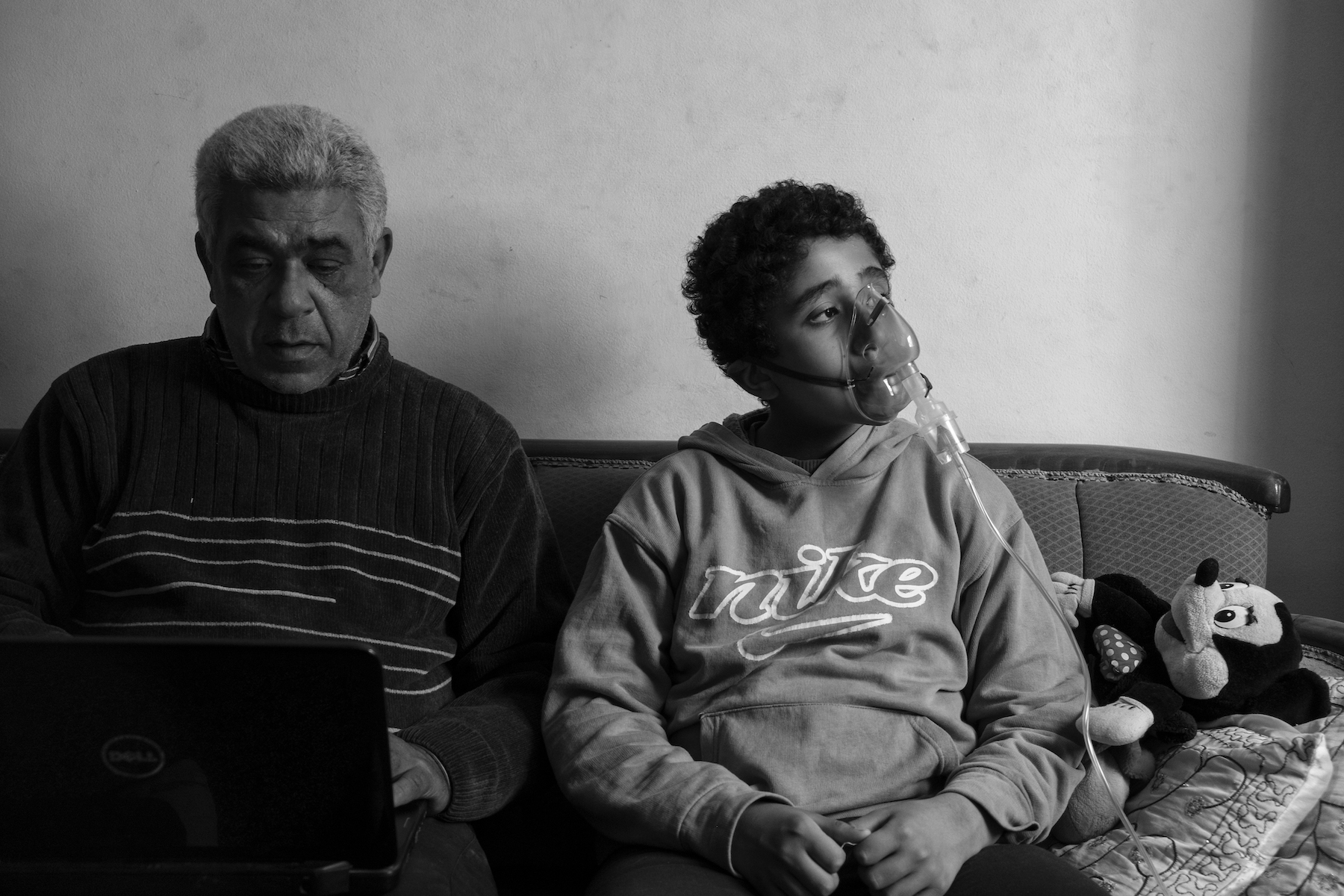
Title: Moon Dust Credit: © Mohamed Mahdy, Arab Documentary Photography Program Caption: Ahmed (11), photographed with his father Saeed, was born with asthma and uses a ventilator three times a day. He plays goalkeeper in football as it requires less physical strain. Alexandria, Egypt, 31 January 2017. Story: More than 30,000 residents of Wadi El-Qamar, also known as Moon Valley, in western Alexandria, Egypt, live less than 15 meters from a cement factory that fills their homes with toxic dust. Children are born with asthma. Families suffer from lung disease and irreversible respiratory damage. In 2016, the photographer – who lives nearby and has asthma himself – began documenting their stories and ongoing legal battles.
“Moon Dust”
Ahmed (11), photographed with his father Saeed, was born with asthma and uses a ventilator three times a day. He plays goalkeeper in football as it requires less physical strain. Alexandria, Egypt, 31 January 2017.
More than 30,000 residents of Wadi El-Qamar, also known as Moon Valley, in western Alexandria, Egypt, live less than 15 meters from a cement factory that fills their homes with toxic dust. Children are born with asthma. Families suffer from lung disease and irreversible respiratory damage. In 2016, the photographer – who lives nearby and has asthma himself – began documenting their stories and ongoing legal battles.
Credit: © Mohamed Mahdy, Arab Documentary Photography Program

Title: Mountain Resident of Wanglang Credit: © Rob G. Green, National Geographic Society, Henry Luce Foundation Caption: A wild giant panda is captured by a camera trap in the Wanglang National Nature Reserve. Sichuan, China, 11 November 2025. Story: Recent population estimates suggest that fewer than 2,000 pandas remain in the wild, and only a few dozen individuals live within Wanglang National Nature Reserve’s 323-square-kilometer territory. This rare sighting was made possible through a pilot exchange program between the National Geographic Society and wildlife biologists, aimed at supporting wildlife monitoring efforts and fostering cross-cultural cooperation in conservation. Established in 1965, Wanglang is one of China’s oldest wild panda nature reserves and today serves as a key site for education and scientific research collaboration within the larger Giant Panda National Park system.
“Mountain Resident of Wanglang”
A wild giant panda is captured by a camera trap in the Wanglang National Nature Reserve. Sichuan, China, 11 November 2025.
Recent population estimates suggest that fewer than 2,000 pandas remain in the wild, and only a few dozen individuals live within Wanglang National Nature Reserve’s 323-square-kilometer territory. This rare sighting was made possible through a pilot exchange program between the National Geographic Society and wildlife biologists, aimed at supporting wildlife monitoring efforts and fostering cross-cultural cooperation in conservation. Established in 1965, Wanglang is one of China’s oldest wild panda nature reserves and today serves as a key site for education and scientific research collaboration within the larger Giant Panda National Park system.
Credit: © Rob G. Green, National Geographic Society, Henry Luce Foundation

Title: A Desperate Plea Credit: © Tyrone Siu, Reuters Caption: Mr Wong cries out in anguish as fire engulfs the Tai Po housing complex he calls home. Moments earlier, he phoned his wife, who was trapped in the building, and they exchanged what would be their final words. Hong Kong, 26 November 2025. Story: A massive fire at the Wang Fuk Court housing complex in Tai Po claimed 168 lives, becoming Hong Kong’s deadliest fire since 1948. While no official cause has been reported, investigations by Hong Kong authorities found that bamboo scaffolding, construction netting, and flammable Styrofoam boards on windows acted as accelerants for the fire, trapping residents inside. More than 2,000 firefighters were involved in rescue efforts, killing one and injuring twelve.
“A Desperate Plea”
Mr Wong cries out in anguish as fire engulfs the Tai Po housing complex he calls home. Moments earlier, he phoned his wife, who was trapped in the building, and they exchanged what would be their final words. Hong Kong, 26 November 2025.
A massive fire at the Wang Fuk Court housing complex in Tai Po claimed 168 lives, becoming Hong Kong’s deadliest fire since 1948. While no official cause has been reported, investigations by Hong Kong authorities found that bamboo scaffolding, construction netting, and flammable Styrofoam boards on windows acted as accelerants for the fire, trapping residents inside. More than 2,000 firefighters were involved in rescue efforts, killing one and injuring twelve.
Credit: © Tyrone Siu, Reuters

Title: Wedding in the Flood Credit: © Aaron Favila, Associated Press Caption: Bride Jamaica Aguilar prepares to enter the flooded Barasoain Church for her wedding. The Barasoain Church, a national landmark, is situated in a region where nearly 75% of the population is exposed to flooding hazards. Malolos, Bulacan province, Philippines, 22 July 2025. Story: When Typhoon Wipha hit the Philippines and flooded Barasoain Church, Jade Rick Verdillo and Jamaica Aguilar faced a difficult decision: should they cancel their wedding or proceed with the marriage? The couple carried on despite high waters, a testament to love and resilience in the face of severe weather. Located on a delta, Bulacan province is vulnerable to more frequent and extreme floods caused by aging drainage systems, dredging projects, overextraction of groundwater, and climate change.
“Wedding in the Flood”
Bride Jamaica Aguilar prepares to enter the flooded Barasoain Church for her wedding. The Barasoain Church, a national landmark, is situated in a region where nearly 75% of the population is exposed to flooding hazards. Malolos, Bulacan province, Philippines, 22 July 2025.
When Typhoon Wipha hit the Philippines and flooded Barasoain Church, Jade Rick Verdillo and Jamaica Aguilar faced a difficult decision: should they cancel their wedding or proceed with the marriage? The couple carried on despite high waters, a testament to love and resilience in the face of severe weather. Located on a delta, Bulacan province is vulnerable to more frequent and extreme floods caused by aging drainage systems, dredging projects, overextraction of groundwater, and climate change.
Credit: © Aaron Favila, Associated Press
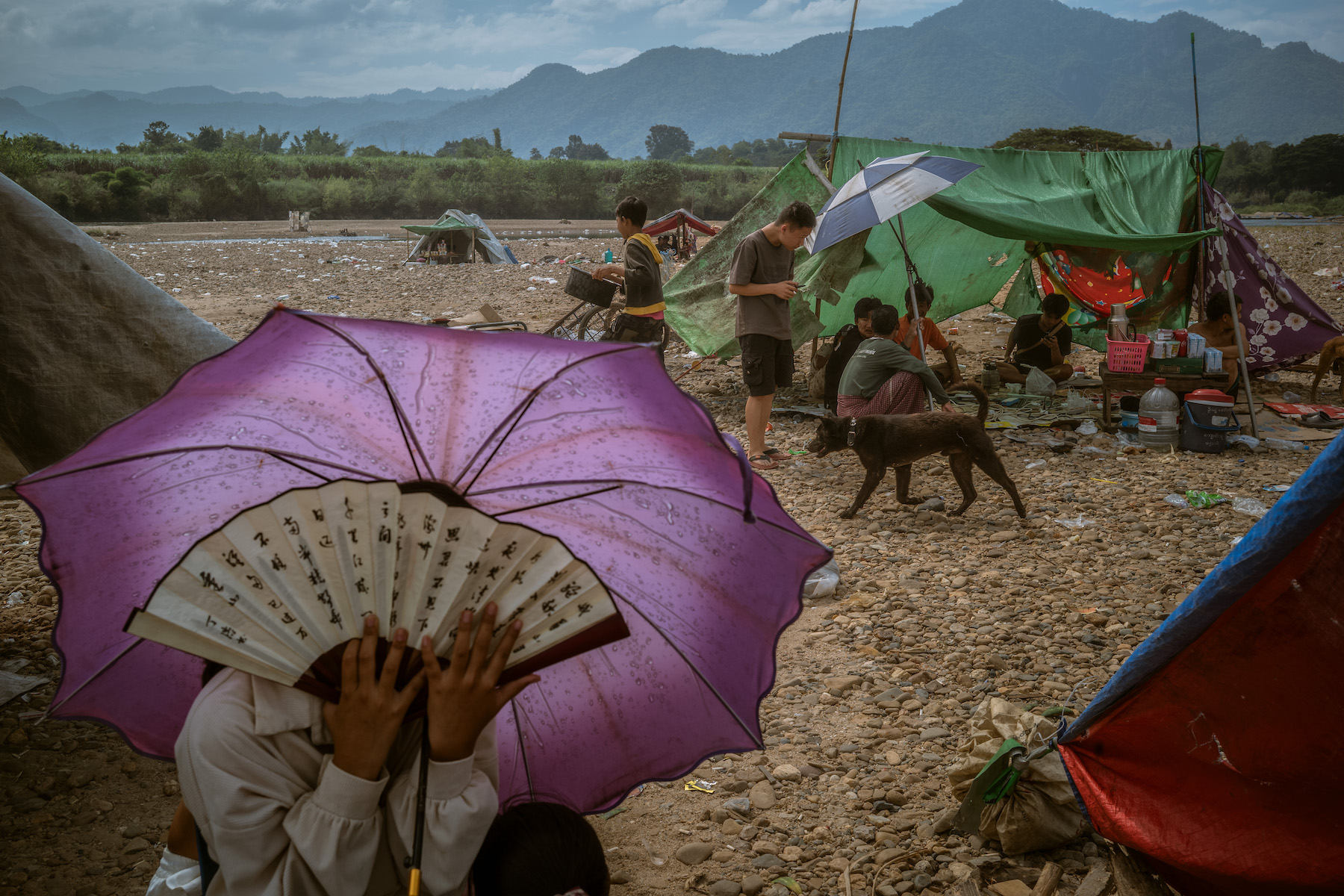
Title: Scam Hub Under Siege Credit: © Jes Aznar, for The New York Times Caption: Stranded workers at a makeshift shelter near the Moei River. Many workers had their documents and passports seized by the scam center bosses and could not cross the border into Thailand. Min Let Pan, Myanmar, 5 December 2025. Story: On 21 November 2025, the Karen National Liberation Army captured Shunda Park, a massive cyber-scam compound in Myanmar’s Karen State. As the country’s civil war intensifies, lawless border regions have become hubs for a lucrative online scam industry. Hundreds of thousands of people from around the world have been trafficked into Southeast Asia and forced into labor for these illegal enterprises. When rebel forces ousted the junta-allied militia guarding the park, thousands of workers from 30 nations were stranded in Myanmar.
“Scam Hub Under Siege”
Stranded workers at a makeshift shelter near the Moei River. Many workers had their documents and passports seized by the scam center bosses and could not cross the border into Thailand. Min Let Pan, Myanmar, 5 December 2025.
On 21 November 2025, the Karen National Liberation Army captured Shunda Park, a massive cyber-scam compound in Myanmar’s Karen State. As the country’s civil war intensifies, lawless border regions have become hubs for a lucrative online scam industry. Hundreds of thousands of people from around the world have been trafficked into Southeast Asia and forced into labor for these illegal enterprises. When rebel forces ousted the junta-allied militia guarding the park, thousands of workers from 30 nations were stranded in Myanmar.
Credit: © Jes Aznar, for The New York Times
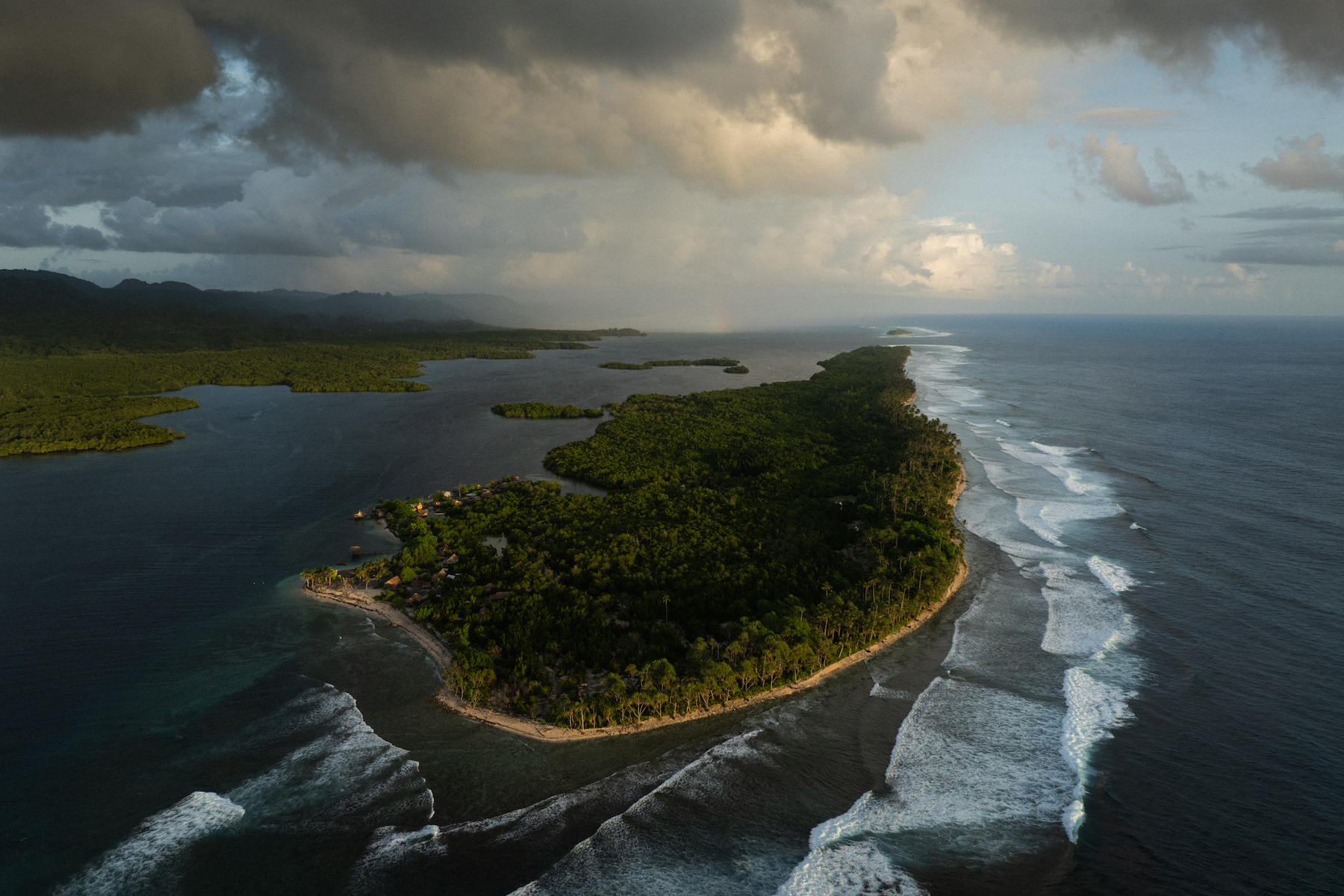
Title: The Last Dolphin Hunters Credit: © Matthew Abbott, Oculi, for The New York Times Caption: Fanalei Island has been reduced to a narrow strip of sand and coral by rising seas. Residents believe the settlement, once home to dozens of families, will become uninhabitable in the near future. South Malaita, Solomon Islands, 6 February 2025. Story: Fanalei, a low-lying island in the Solomon Islands, stands at a crossroads between contested tradition and a changing economy. For generations, dolphin hunting provided food and income, with dolphin teeth used as ritual currency for bride-price and other forms of local exchange. Today, as rising sea levels displace the community and threaten its future, seaweed farming is providing an economic alternative to the seasonal hunt. As seaweed farming expands, fewer people are available for the collective efforts upon which dolphin hunting depends. This story captures a community reshaped by environmental pressure and shifting traditions.
“The Last Dolphin Hunters”
Fanalei Island has been reduced to a narrow strip of sand and coral by rising seas. Residents believe the settlement, once home to dozens of families, will become uninhabitable in the near future. South Malaita, Solomon Islands, 6 February 2025.
Fanalei, a low-lying island in the Solomon Islands, stands at a crossroads between contested tradition and a changing economy. For generations, dolphin hunting provided food and income, with dolphin teeth used as ritual currency for bride-price and other forms of local exchange. Today, as rising sea levels displace the community and threaten its future, seaweed farming is providing an economic alternative to the seasonal hunt. As seaweed farming expands, fewer people are available for the collective efforts upon which dolphin hunting depends. This story captures a community reshaped by environmental pressure and shifting traditions.
Credit: © Matthew Abbott, Oculi, for The New York Times

Title: Emma the Social Robot Credit: © Paula Hornickel Caption: Waltraud talks with Emma, a social robot that recognizes faces and remembers past conversations. Though skeptical at first, Waltraud says she felt connected to Emma over time. Albershausen, Germany, 3 July 2025. Story: Germany’s care homes are facing two crises: staff shortages and loneliness. A 2023 study found that one in five residents aged 80 and older describe themselves as “severely lonely.” This reality has prompted trials of social robots like Emma, developed by a Munich-based startup. Waltraud, a resident of Haus im Wiesengrund in Albershausen, had her doubts but over time formed a bond with Emma. “When she tells her jokes, that’s really good. That’s my kind of humor,” says Waltraud, though she emphasizes that human contact is always preferable.
“Emma the Social Robot”
Waltraud talks with Emma, a social robot that recognizes faces and remembers past conversations. Though skeptical at first, Waltraud says she felt connected to Emma over time. Albershausen, Germany, 3 July 2025.
Germany’s care homes are facing two crises: staff shortages and loneliness. A 2023 study found that one in five residents aged 80 and older describe themselves as “severely lonely.” This reality has prompted trials of social robots like Emma, developed by a Munich-based startup. Waltraud, a resident of Haus im Wiesengrund in Albershausen, had her doubts but over time formed a bond with Emma. “When she tells her jokes, that’s really good. That’s my kind of humor,” says Waltraud, though she emphasizes that human contact is always preferable.
Credit: © Paula Hornickel
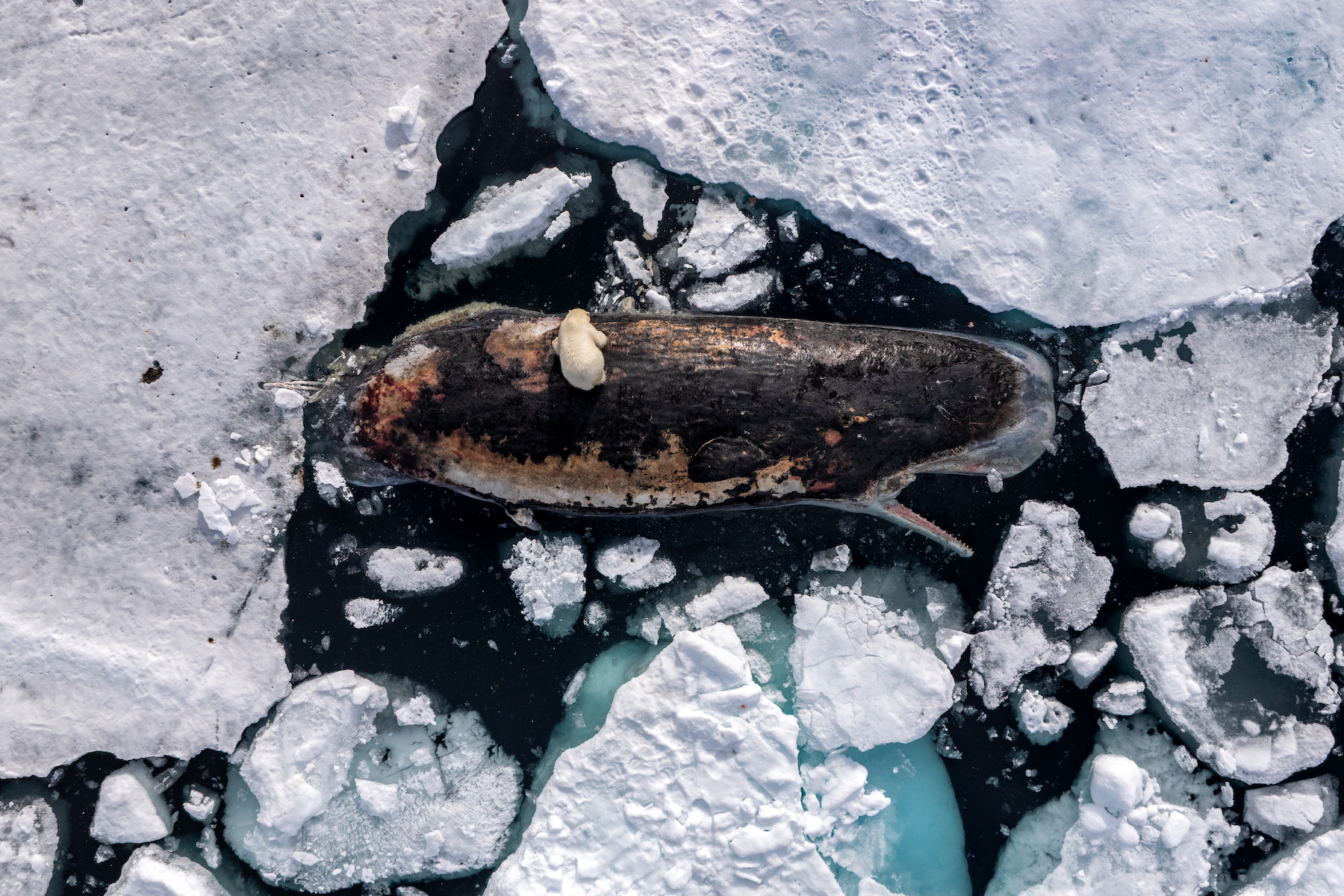
Title: Polar Bear on Sperm Whale Credit: © Roie Galitz Caption: A female polar bear feeds on a sperm whale carcass in the polar pack ice north of the Norwegian archipelago, Svalbard. 82° North, International Waters, 8 July 2025. Story: Polar bears are primarily seal predators, but as ice retreats in the summer and hunting becomes harder, they increasingly rely on opportunistic scavenging. Near Svalbard, the ice-free season has lengthened by 20 weeks in the last 30 years. Sperm whales typically avoid ice-covered polar waters, so this carcass was a rare sight. Scientists speculate that after dying, the male sperm whale drifted north, carried by winds and currents. The photographer spent two days observing the scene from a small boat, capturing it by drone to reveal a scale difficult to grasp from sea level.
“Polar Bear on Sperm Whale”
A female polar bear feeds on a sperm whale carcass in the polar pack ice north of the Norwegian archipelago, Svalbard. 82° North, International Waters, 8 July 2025.
Polar bears are primarily seal predators, but as ice retreats in the summer and hunting becomes harder, they increasingly rely on opportunistic scavenging. Near Svalbard, the ice-free season has lengthened by 20 weeks in the last 30 years. Sperm whales typically avoid ice-covered polar waters, so this carcass was a rare sight. Scientists speculate that after dying, the male sperm whale drifted north, carried by winds and currents. The photographer spent two days observing the scene from a small boat, capturing it by drone to reveal a scale difficult to grasp from sea level.
Credit: © Roie Galitz
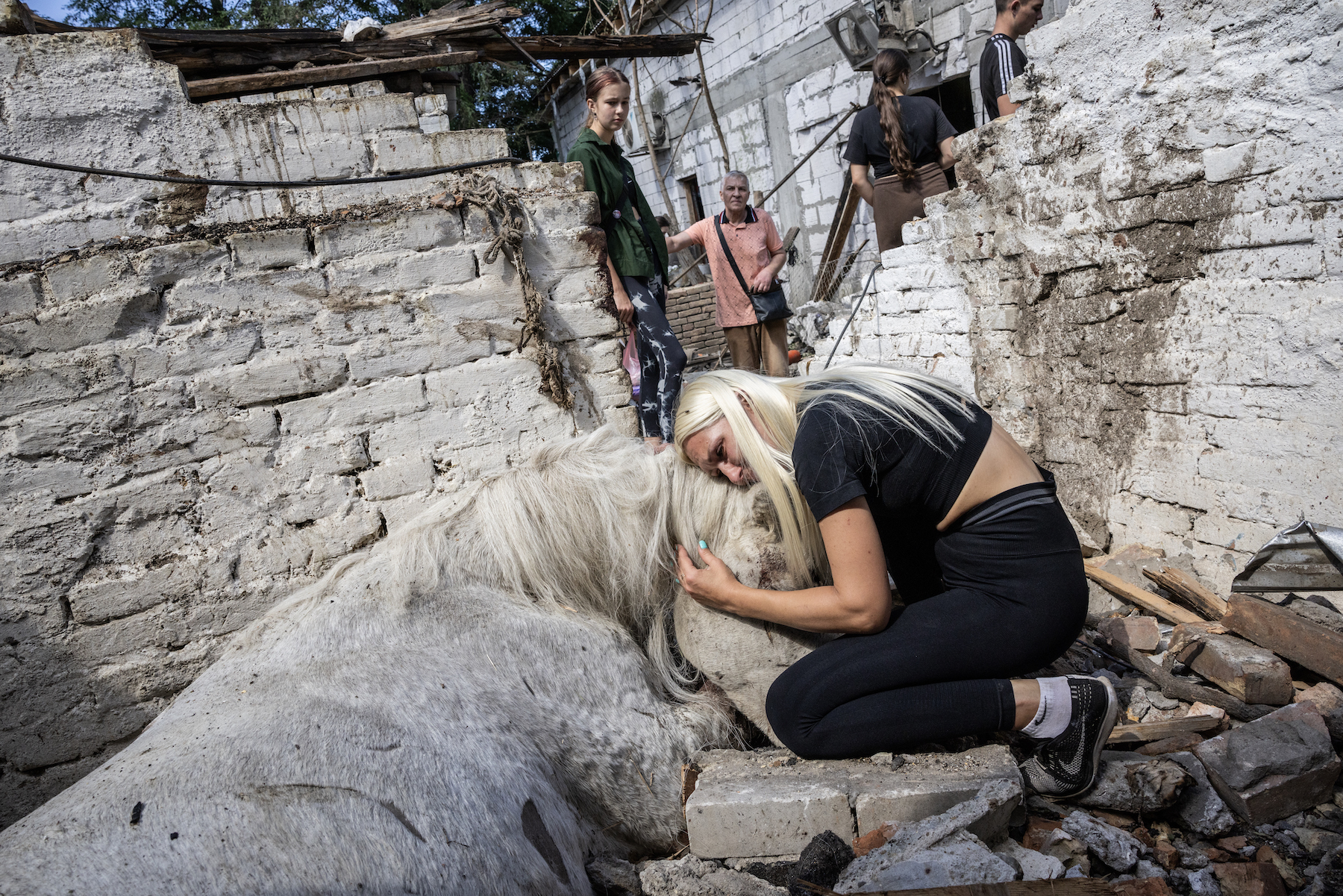
Title: Drone Wars Credit: © David Guttenfelder, The New York Times Caption: Yulia Vasiakina embraces Kamelia, her 20-year-old horse, killed when Russian long-range drones struck their neighborhood and destroyed most of the surrounding city block. Odesa, Ukraine, 11 July 2025. Story: Ukraine’s battle against the Russian invasion is reshaping modern combat. Hobby drones are being repurposed into remote-controlled weapons, and mass-produced first-person-view (FPV) drones are piloted from kilometers away with deadly precision. These developments have triggered an unrelenting drone arms race and turned vast areas of Ukraine into “kill zones”. Civilians are targeted and displaced, and soldiers spend most of their time in underground bunkers or basements, unable to be resupplied or casualty-evacuated. This story documents Ukraine's efforts to advance its drone capabilities, and the impact of Russian drone attacks on civilians.
“Drone Wars”
Yulia Vasiakina embraces Kamelia, her 20-year-old horse, killed when Russian long-range drones struck their neighborhood and destroyed most of the surrounding city block. Odesa, Ukraine, 11 July 2025.
Ukraine’s battle against the Russian invasion is reshaping modern combat. Hobby drones are being repurposed into remote-controlled weapons, and mass-produced first-person-view (FPV) drones are piloted from kilometers away with deadly precision. These developments have triggered an unrelenting drone arms race and turned vast areas of Ukraine into “kill zones”. Civilians are targeted and displaced, and soldiers spend most of their time in underground bunkers or basements, unable to be resupplied or casualty-evacuated. This story documents Ukraine’s efforts to advance its drone capabilities, and the impact of Russian drone attacks on civilians.
Credit: © David Guttenfelder, The New York Times David Guttenfelder

Title: Engla Louise Credit: © Sanna Sjöswärd, for Corren Caption: An assistant helps Engla Louise drink through a straw. She previously had daily visits from nurses; now her care relies on a special arrangement involving healthcare services and the municipality. Linköping, Sweden, 2 May 2025. Story: Engla Louise, a former dancer, has lived with severe anorexia nervosa since she was ten years old. At 46, she weighs less than 25 kilograms and has been tube-fed since 2019. Researchers increasingly describe anorexia as a disease of both body and mind. Its causes – not fully understood – are thought to involve neurobiological, genetic, and environmental factors. After decades of treatment, Engla Louise is now considered therapy-resistant and receives palliative care at home. This project aims to broaden the discussion about care for people living with severe eating disorders.
“Engla Louise”
An assistant helps Engla Louise drink through a straw. She previously had daily visits from nurses; now her care relies on a special arrangement involving healthcare services and the municipality. Linköping, Sweden, 2 May 2025.
Engla Louise, a former dancer, has lived with severe anorexia nervosa since she was ten years old. At 46, she weighs less than 25 kilograms and has been tube-fed since 2019. Researchers increasingly describe anorexia as a disease of both body and mind. Its causes – not fully understood – are thought to involve neurobiological, genetic, and environmental factors. After decades of treatment, Engla Louise is now considered therapy-resistant and receives palliative care at home. This project aims to broaden the discussion about care for people living with severe eating disorders.
Credit: © Sanna Sjöswärd, for Corren
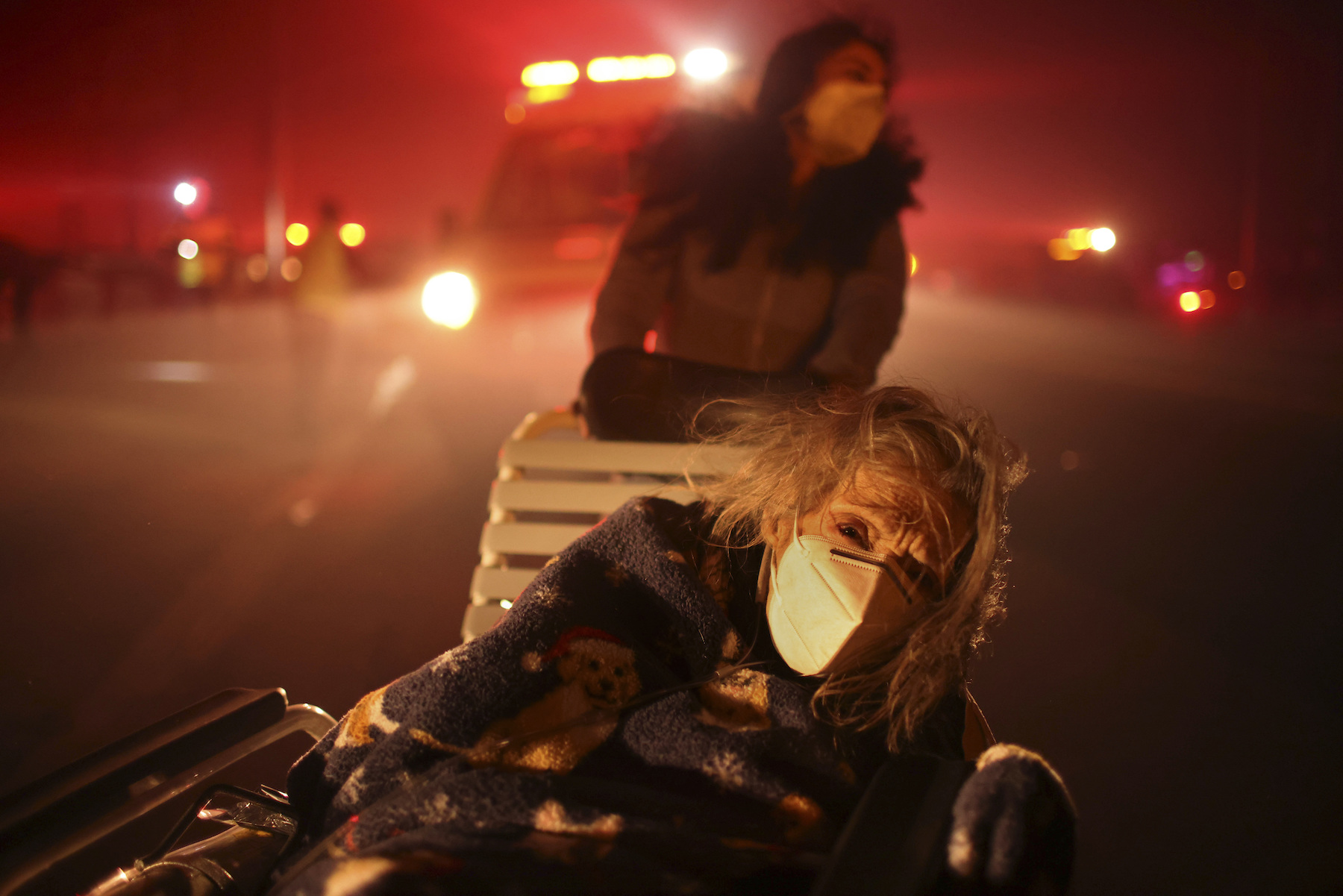
Title: Los Angeles on Fire Credit: © Ethan Swope, for Associated Press Caption: A senior center resident evacuates as the Eaton Fire approaches. Wildfires release massive amounts of toxic particles and carbon monoxide, causing severe respiratory issues that linger for weeks. Altadena, California, United States, 7 January 2025. Story: In January 2025, severe drought and 100-mph (roughly 160-kph) Santa Ana winds fueled 14 devastating wildfires across Los Angeles, destroying over 18,000 buildings and displacing 200,000 residents. While officials reported 31 direct fatalities, public health studies estimate 440 excess deaths linked to toxic smoke and disrupted medical care. In the disaster's aftermath, a stark wealth divide has defined recovery efforts, with lower-income residents facing displacement while wealthier communities leverage private resources to rebuild.
“Los Angeles on Fire”
A senior center resident evacuates as the Eaton Fire approaches. Wildfires release massive amounts of toxic particles and carbon monoxide, causing severe respiratory issues that linger for weeks. Altadena, California, United States, 7 January 2025.
In January 2025, severe drought and 100-mph (roughly 160-kph) Santa Ana winds fueled 14 devastating wildfires across Los Angeles, destroying over 18,000 buildings and displacing 200,000 residents. While officials reported 31 direct fatalities, public health studies estimate 440 excess deaths linked to toxic smoke and disrupted medical care. In the disaster’s aftermath, a stark wealth divide has defined recovery efforts, with lower-income residents facing displacement while wealthier communities leverage private resources to rebuild.
Credit: © Ethan Swope, for Associated Press
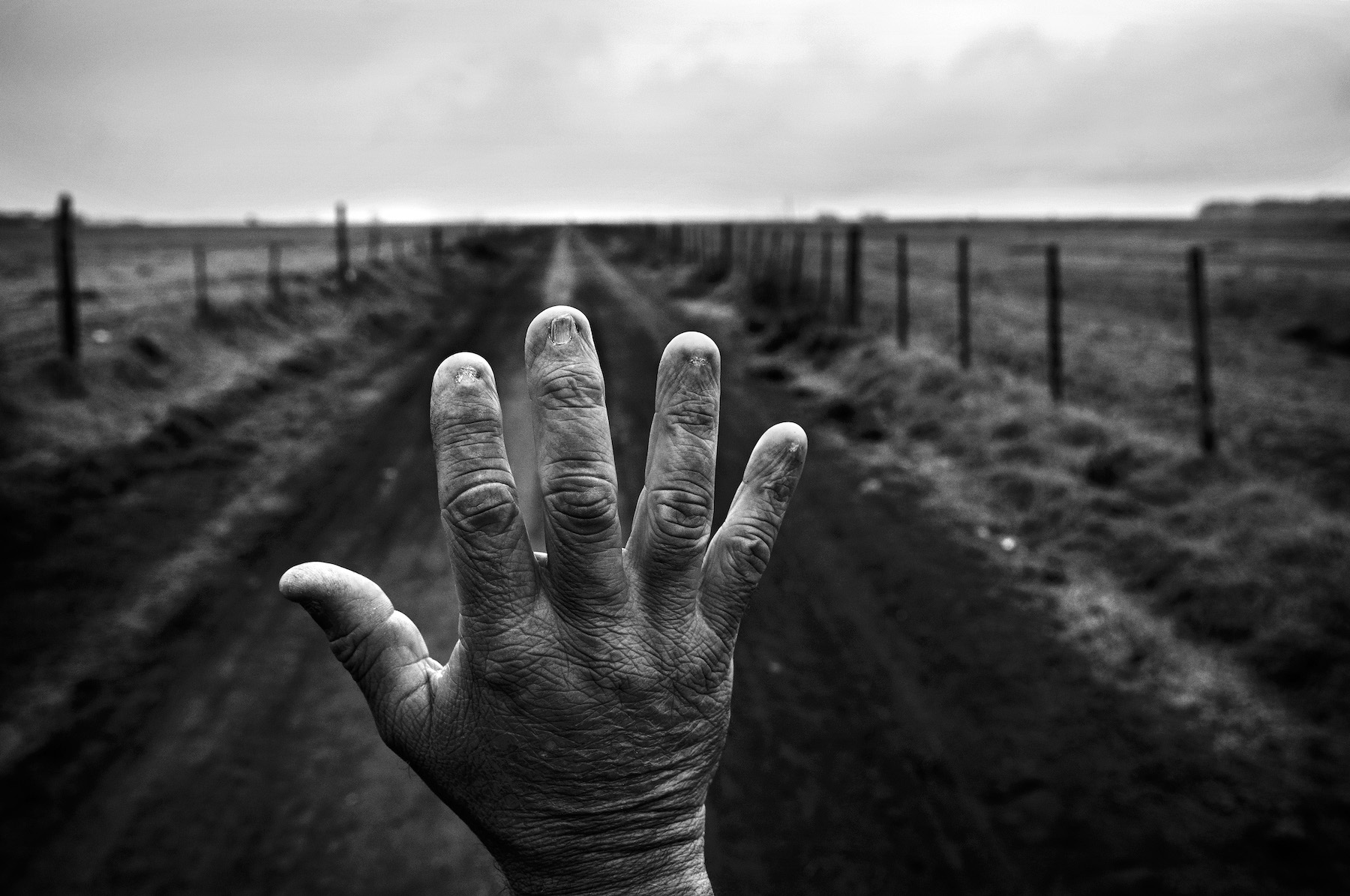
Title: The Human Cost of Agrotoxins Credit: © Pablo E. Piovano, Manuel Rivera-Ortiz Foundation, Philip Jones Griffiths Foundation, Lawen.doc Caption: Former land applicator Alfredo Cerán shows his burned fingernails. After years of mixing chemical products without adequate protection, he developed non-alcoholic cirrhosis and underwent a liver transplant. Cordoba, Argentina, 23 September 2015. Story: In 1996, Argentina approved genetically modified, herbicide-resistant soybeans paired with glyphosate-based herbicides, a policy adopted without independent research. In three decades, pesticide use skyrocketed from 40 million to 580 million liters annually. Today, 60% of Argentina’s cultivated land is sprayed, affecting 14 million people. Despite independent studies linking exposure to increased risks of cancer and congenital malformations, regulations continue to loosen even as agrochemical usage moves closer to human settlements. This project documents the human cost of an economic model that prioritizes agro-industrial profit over the lives of its rural citizens.
“The Human Cost of Agrotoxins”
Former land applicator Alfredo Cerán shows his burned fingernails. After years of mixing chemical products without adequate protection, he developed non-alcoholic cirrhosis and underwent a liver transplant. Cordoba, Argentina, 23 September 2015.
In 1996, Argentina approved genetically modified, herbicide-resistant soybeans paired with glyphosate-based herbicides, a policy adopted without independent research. In three decades, pesticide use skyrocketed from 40 million to 580 million liters annually. Today, 60% of Argentina’s cultivated land is sprayed, affecting 14 million people. Despite independent studies linking exposure to increased risks of cancer and congenital malformations, regulations continue to loosen even as agrochemical usage moves closer to human settlements. This project documents the human cost of an economic model that prioritizes agro-industrial profit over the lives of its rural citizens.
Credit: © Pablo E. Piovano, Manuel Rivera-Ortiz Foundation, Philip Jones Griffiths Foundation, Lawen

 
products on a page that says best of what's new 2025

2025 PopSci Best of What’s New