The shape-memory alloy actuators might power minimally invasive surgical devices or tiny laptop cameras

Shape-Memory Alloy Actuator Stretch me tiny Jason Dorfman/CSAIL

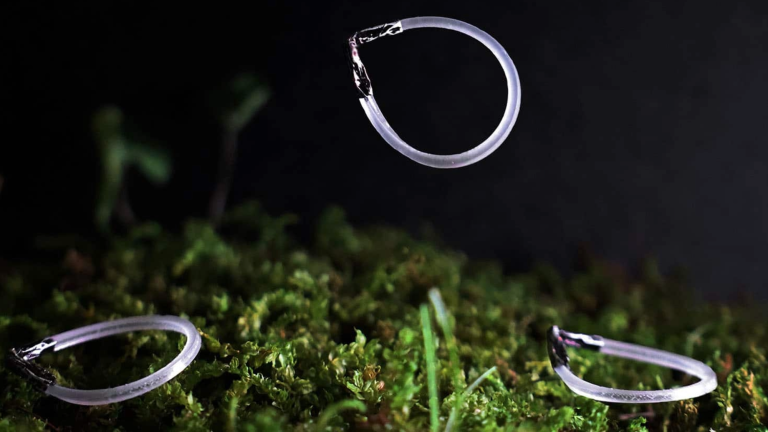
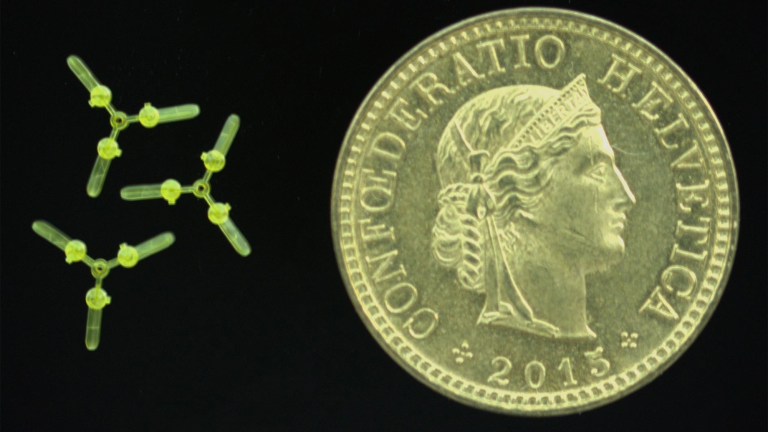
Shape-memory alloys that change shape when heated could become tiny mechanical muscles for electronic devices. New mechanical devices based on the alloys produce three to six times more torque than electric motors, and weigh just one-20th as much.

Such devices, known as actuators, can be cut from a flat sheet of metal just a fraction of a millimeter thick. They emerged from a roject that aims to build printable robots, where the robots would consist of both the metal actuators and plastic components that could be built layer-by-layer through a process similar to inkjet printing.

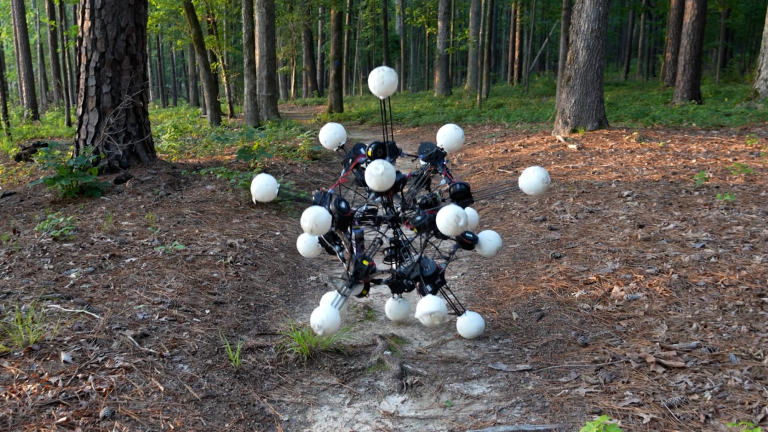
Shape-Memory Robot: Rolling, rolling, rolling ...  Jason Dorfman/CSAIL

The secret behind the lightweight actuators comes from rectangular notches carved into the metal alloy, which increases electrical resistance. That means only material around the notches heats up when an electrical current passes through.

Past actuators have made use of springs created from shape-memory alloys, including an iron shape-memory alloy that might lead to better surgical interventions and quake-proof buildings. But the MIT actuators can get rid of heat more quickly and consume less energy, because only a small part of the spring heats up when electrically charged,

The shape-memory actuators might eventually exert a force up to 160 times their own weight.

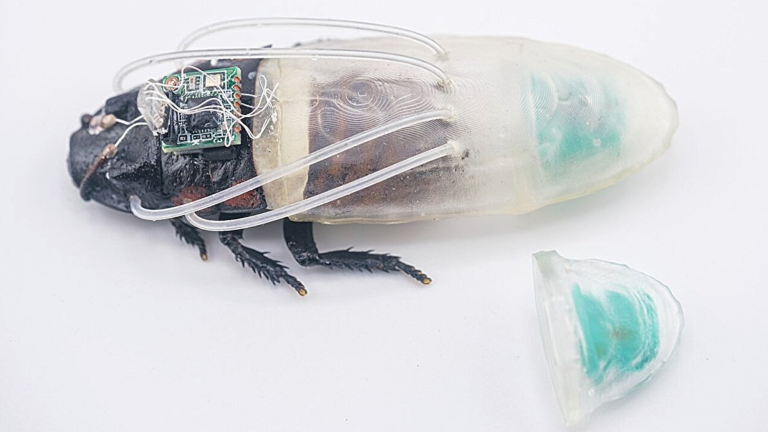
For now, the current actuators can already make use of their energy-sipping efficiency to run on batteries, and have helped create a wirelessly-controlled rolling robot that resembles a runaway tank tread. We're also excited to see more examples of creations such as the robo-bat.

More images are available at MIT's slideshow here.

[MIT]

4 Comments

Cool stuff...

Ivan Malagurski

Printable robots that can assume any flexible shape? Give them half a brain and it's the end of us.

Very cool stuff.

Jeez, look at those heat sinks a mondo batteries. Although they may be able to produce more torque, the efficiency doesn't look so good.

Did you read the article? Given the fact that the... "New mechanical devices based on the alloys produce three to six times more torque than electric motors, and weigh just one-20th as much."...

I'd say a trade off of 1/20th the weight for 3-6X as much torque is probably quite efficient...Just a guess.


June 2013: American Energy Independence

Five amazing, clean technologies that will set us free, in this month's energy-focused issue. Also: how to build a better bomb detector, the robotic toys that are raising your children, a human catapult, the world's smallest arcade, and much more.


Online Content Director: Suzanne LaBarre | Email
Senior Editor: Paul Adams | Email
Associate Editor: Dan Nosowitz | Email
Assistant Editor: Colin Lecher | Email
Assistant Editor: Rose Pastore | Email

Contributing Writers:
Rebecca Boyle | Email
Kelsey D. Atherton | Email
Francie Diep | Email
Shaunacy Ferro | Email

circ-top-header.gif
circ-cover.gif
bmxmag-ps