Artificial Red Blood Cells To Aid Drug Delivery, Imaging
Blood cells are great for transporting materials through the body as the entire circulatory system evolved to facilitate their movement....
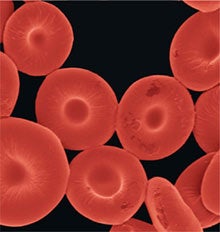
Blood cells are great for transporting materials through the body as the entire circulatory system evolved to facilitate their movement. For 50 years, scientists have tried to take advantage of that mobility by creating artificial red blood cells. And for 50 years, scientists had failed, until a team at UC Santa Barbara finally solved the problem.
Artificial Blood Cells
The researchers created the artificial blood cells by shaping the common polymer polylactic-co-glycolic acid (PLGA) with rubbing alcohol. The alcohol causes nano-spheres of PLGA to deflate into the doughnut-shape of red blood cells. PLGA is biodegradable and biocompatible, making it safe for use in the body.
The applications for this technology apply to nearly any medical procedure that involves circulating a compound through the blood stream. These artificial cells’ ability to pass through capillaries makes them the perfect vessel to specially deliver drugs or radioactive marking dyes. Conversely, they could be equipped with a collection payload, and circulate through the body collecting items for sampling or cleaning the body of contaminants.
The main hurdle for the technology comes from the body’s own meticulous upkeep of blood purity. No artificial nanoparticle has ever remained in the body for longer than 24 hours, and some get expelled as soon as 30 seconds after they enter the blood stream. So if these artificial cells can muster even half the longevity of regular blood cells, a milestone will have been achieved.